Underbody Coating
UNDERBODY COATING
Underbody coating is made primarily to protect the chassis frame / parts that are directly subjected to the road beneath the car. Even small stones that hit the underbody might peel off the paint coating and thereby increases the chance of rust formation. In order to avoid such damage, the cars are given a coating which basically prevents corrosion.
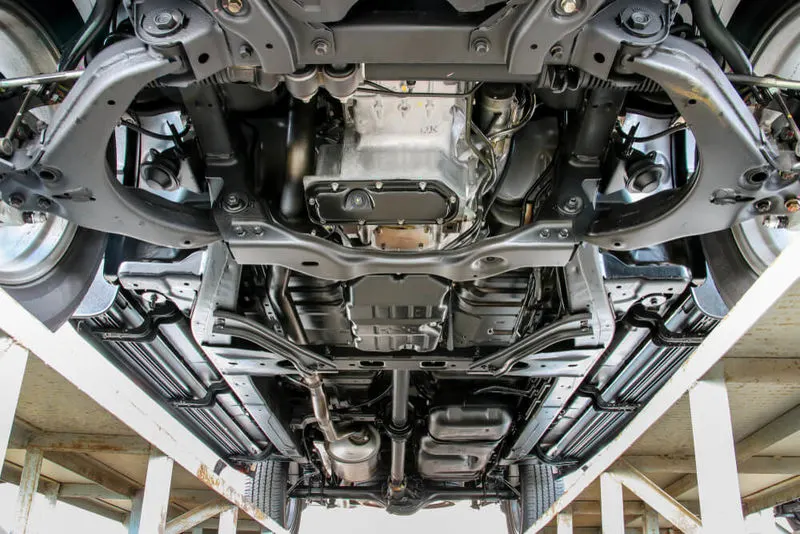
There are various use of underbody coating as listed below,
1.The underbody coating helps absorb noise from the roadside.Since mostly coating is made of rubber it easily absorbs external vibrations and loose rackets.
2.It plays an important role in keeping corrosion at check. Underbody coating can come in handy especially if one lives near the sea, where there is too much humidity, and rusting is just one of those everyday things.
3.Underbody coating provides additional reinforcement to the existing coating. It helps protect the underbody from water, road debris, gravel and small pebbles.
4.Underbody coating helps extend the car's life. As the coating protects the engine and transmission, Less rusting coupled with slower wear and tear surely adds years to the lifespan of the vehicle.
Various types of Underbody coating,
1.Rubberized underbody coating:
It preserves the underbody well protecting it from scratches and applying rubber coating is one of the easiest methods as well.
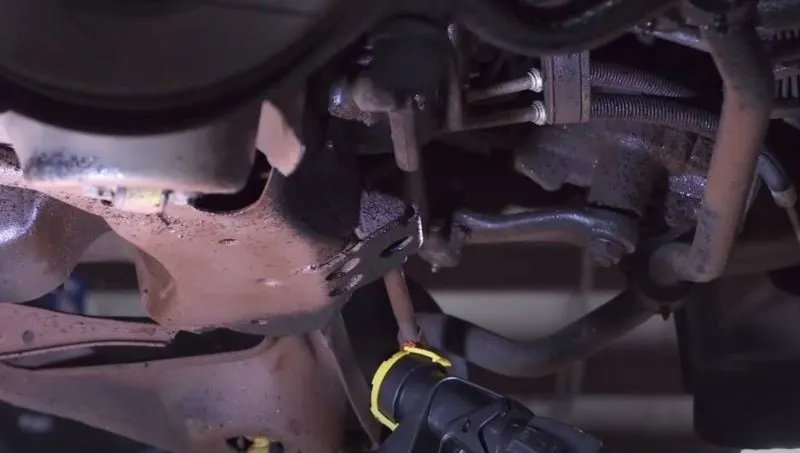
2.Wax based underbody coating:
When the moisture content in the atmosphere is extremely high the wax based undercoating is the best choice as it provides excellent defence. And unlike normal coating it never wears away easily.
3.Asphalt based undercoating:
Best suited for lorries, trucks and large vehicles this provides a greater degree of protection compared to rubber-based coatings. However, asphalt-based coatings contain little amounts of rubber for sound-insulation purposes.
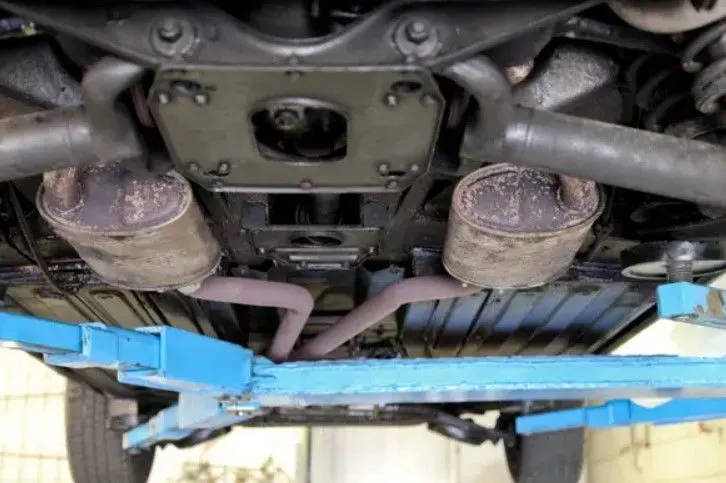
4.Polyurethane based underbody coating :
This coating closes up splits and fractures on the underbody of the vehicle. It offers up good protection against corrosion and also bonds with the metal. Unlike in the case of asphalt-based coating, you can paint over the polyurethane coating.