Underbody Coating
UNDERCOATING
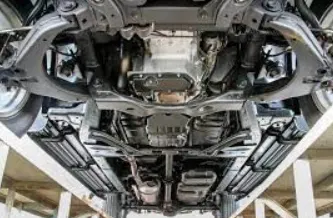
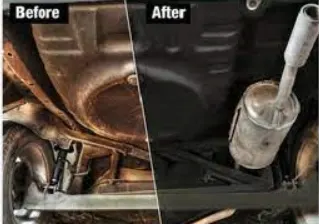
Undercoating helps protect your vehicle against rust and corrosion.
- Seals on the underbelly parts have gotten a lot tighter and more effective at keeping out dust and moisture, but there are other factors to consider.
- Poor roads, rocks getting thrown from the tires and denting the metal, and corrosion from road salt in the winter all play a huge part in the damage or decay of a vehicle's underbelly.
- It's important to protect all aspects of your vehicle from damage, rust, and decay. From the windshield to the tires to the actual body of your car, automobiles need upkeep to prevent them from becoming an undrivable pile of rust.
- Used vehicles especially will need a little underbelly protection -- while it's already been exposed to contaminants and rust, applying undercoating will prevent further damage.
Purpose of Undercoating:
- To protect against rust & corrosion
- Reduces NVH (Noise Vibration Harshness) levels
- Prevents paint chipping
- Protects vital components
Difference between Rust protection and Undercoating:
- Undercoating and rust protection often go hand-in-hand, but they are two different things. Rust protection generally goes inside your vehicle, while undercoating is used for protection outside of the vehicle, and there are a variety of coatings available. Depending on the level of damage and how much protection you want for your vehicle will determine which type of automotive undercoating you choose.
- Undercoating is a process that involves the application of rubberized sealants, lanolins, or any number of other rust-repelling coatings on corrosion-prone surfaces on the underside of a vehicle. Some common areas that get “rust-proofed” include the undersides offenders, weld points and seams, fuel tanks, suspension arms, axles, rear differentials, and chassis cradles.
- Rust protection is a manufacturing process that infuses rust-inhibiting chemicals into the materials that make our automobiles. These rust inhibitors are not topical coatings, but more of an engrained countermeasure to the circulation of electrical current, a critical component in the development of rust.
Different types of vehicle undercoating:
Polyurethane Undercoating
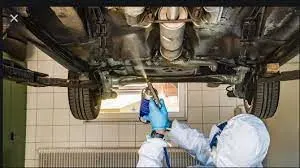
- The other option for undercoating your vehicle is to use a polyurethane-based sealant. This type of vehicle undercoating is a little bit quicker and easier to apply.
- Oftentimes, polyurethane undercoating will come in canisters ready to preload into an application gun. This type of sealant works by seeping into all cracks and seams, displacing salt and moisture, and oozing around rusty areas to bond with and protect the unoxidized metal. It also sands quickly in case you'll need to perform bodywork and can be painted over.
- On the flip side, this type of car undercoating generally requires a little bit more surface prep work before applying -- sanding and applying an etching primer to bare metals before using are generally recommended.
Wax or Paraffin based Undercoating
- A paraffin-based undercoating will be the cheapest and quickest option available with which to protect the undercarriage of your vehicle. However, keep in mind that it will wear off quicker than other types of undercoating and will need to be stripped and reapplied at least once every year.
- Wax-based undercoatings never truly harden. During application, they drip or flow into seams and cracks to provide protective properties. They are usually available in a spray gun canister or an aerosol can and offer at least a base protection in moderately humid climates.
- Curing times will vary depending upon air temperature and how heavy of a coating has been applied, so there will likely be some downtime between car rides after this stuff has been sprayed.
Asphalt based Undercoating
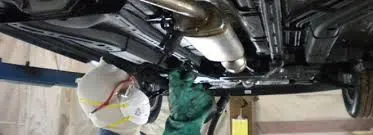
- For standard vehicles, any of the aforementioned types of undercoating will provide sufficient protection. Asphalt-based undercoating provides a bit of extra durability against rocks, chips, and moisture for large trucks and heavy machinery.
- Asphalt-based undercoating generally contains a little bit of rubberized material that firmly sets up and helps soften noise. Generally sold in five-gallon containers, this type of undercoating also needs more cure time than the other three, and is NOT paintable, making it best to use only for the undercarriage.
Pros and Cons of applying Undercoating:
Pros:
- The biggest advantage to having an undercoating installed on the underside of an automobile is the peace of mind that comes with knowing that your vehicle is protected from rust and corrosion, at least, to an extent. While there are no guarantees that a rust bubble won’t appear where a rock chip removed some rubberized coating, most vehicles go years without requiring a touch-up.
- Undercoatings add an extra layer of sound-deadening insulation to the underbelly of a vehicle. While it may not be as effective as a dedicated sound-proofing product, and won’t do much when it comes to repelling heat and cold, thickly sprayed undercoatings do reduce road noise, if but in minimal increments.
- It can be self-applied - Rustproofing works best when you have this service professionally applied to your vehicle. If money is tight, however, and you have some basic car maintenance skills, then you can do the work yourself.
Cons:
- Like many chemical-rich products, the average undercoating is a gateway to organ failure, cancer, infertility, and genetic defects.
- A bit of digging revealed that quite a few brands are still unsure as to what this stuff does to the human body over time, with some of the more discerning case studies showing that “…25% of the mixture consists of ingredient(s) of unknown acute toxicity.
- Produced within the glands that encapsulate their wool follicles, lanolin provides these cud-chewing critters with a waterproof coat that helps keep them dry and warm in winter.
- On the downside, because lanolin is the porous substance secreted by livestock, it smells sort of like… well… stank-ass sheep glands. This repulsive aroma is even more notable when lanolin is exposed to warmer temperatures.
- This is precisely the reason why many people opt to take matters into their own hands and attempt to undercoat their automobiles on their own.