Underbody Coating
Under Body Coating in cars
- A car’s underbody is exposed to the most wear and tear caused by muddy water, potholes in roads, stones and other obstacles on the road. Because it’s not in plain sight, we often do not see the damage. So to control the damage from corrosion underbody coating is used.
- Under body coating provides long term protection from corrosion to car's under body. It also protects parts like internal body panels, frame rails and other inner cavities that are not physically accessible but are prone to corrosion.
- The under body coating is ideally applied when the car is new to provide extra protection against corrosion in addition to paint work done by the manufacturers. This technique is useful in the coastal areas.
Types of underbody coating
Wax Based underbody coating
- This is an ephemeral undercoating which wears off in few months time.
- It is very effective against moisture protection
- It is the most affordable type of underbody coating
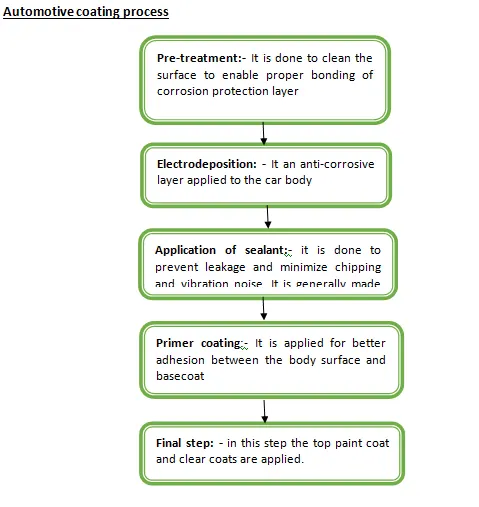
Electro deposition
- It is an wet paint finishing process which protects metal from corrosion
- It is applied by the manufactures in BIW stage of the car.
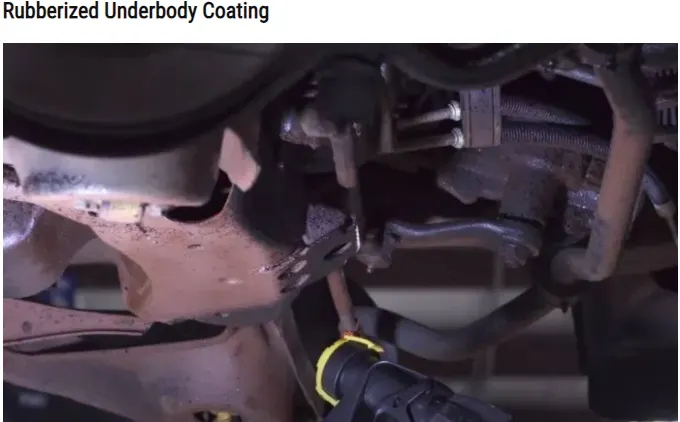
Rubberized Underbody coating
- it is one the best undercoating techniques
- it protects the underbody from moisture and scratches
- it can be applied relatively easier
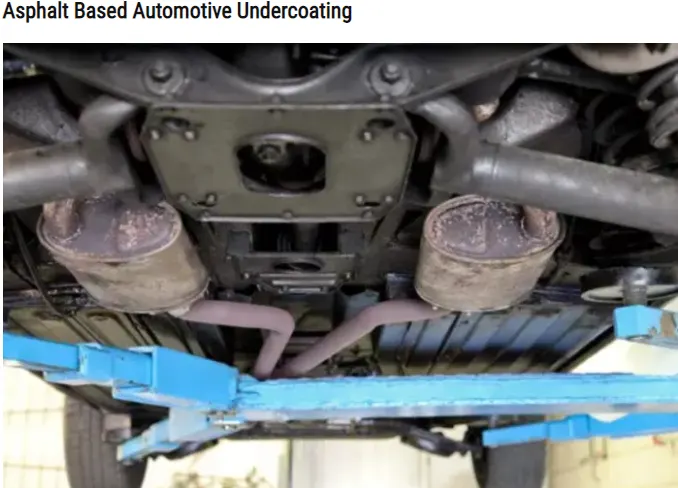
Asphalt Based underbody coating
- This technique is used for heavy vehicles like trucks, Lorries etc.
- It is a time consuming process, but provides superior protection
- It also consists of some amount of rubber for sound insulation
Polyurethane underbody coating
- This underbody coating offers good protection against corrosion and also forms a bond with the metal and layer of paint can also be added for extra protection
- It is also used to close small splits and fractures in the underbody
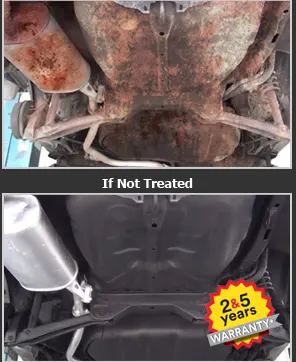
Before and after underbody coating
Benefits
- It minimizes the sound coming from underneath the car
- It provides heat insulation from beneath the car
- It improves the life of the car
- It has anti-chipping property and provides protection from water and moisture.
Disadvantages
- It is and expensive process
- If not applied properly can lead to faster corrosion due to entrapment of water.
- The reapplication of coating is required after few years