Underbody Coating
UNDERBODY COATING
Underbody coating is a thick coating done on the underside of the vehicle done to prevent damage to the undercarriage. It protects the car against rust, rpevents the damaged caused due to loose gravel hitting the underside of the vehicle, reduces noise and vibrations in the car and prolongs the vehicle's life.
The underbody coating is painted or sparyed on the undercarriage, the thickness of the coating layer is about 2-3mm. Usually Rubber, Wax, Polyurethane or similar polymer, even Asphalt is used for underbody coating.
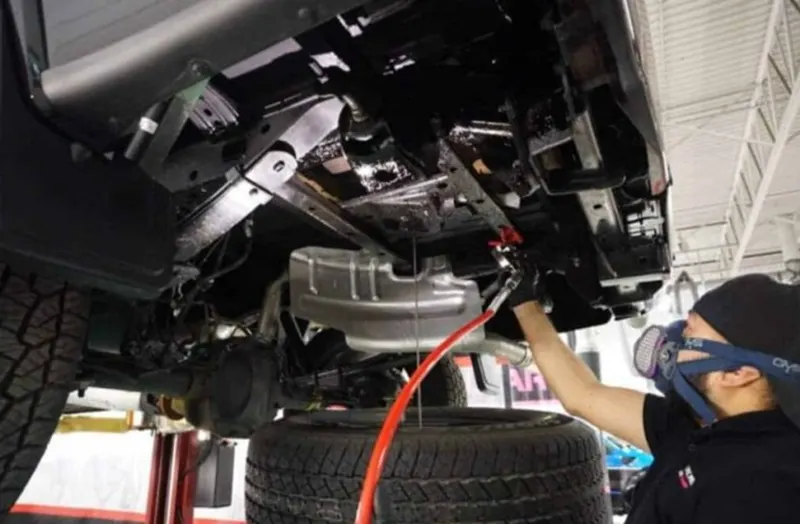
The materials used for underbody coating can be:
- Rubber Based Underbody coating:
Rubber based or rubberised underbody coating is thought to be one of the best underbody coating, it offers rust protection and prevents the undercarriage from scratches from the loose rocks on the road.
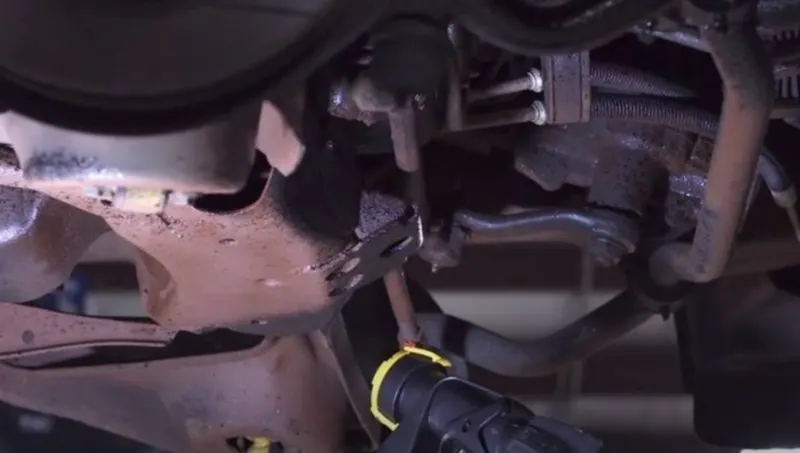
- Wax Based underbody coating:
Wax based underbody coating is the cheapest option for underbody coating, it prevents rusting the most compared to other materials used in underbody coating.
The con of wax based coating is that it will wear away the fastest, so in a few months, you will have to redo the coating.
- Asphalt based underbody coating:
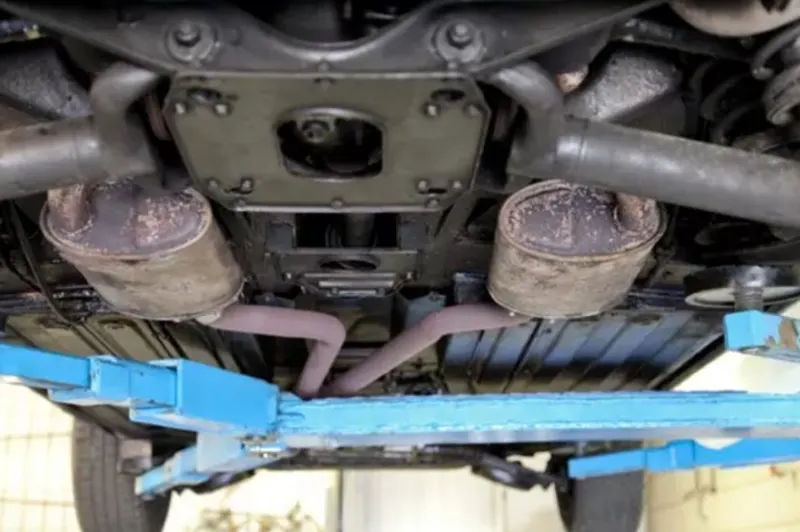
Asphalt based underbody coating is best suited to trucks and lorries, this provides much greater protection to the undercarriage compared to rubber based underbody coating, so it is more suited to vehicles which have to travers through bad road conditions, preventing the loose gravel, rocks and water on the road to do damage on the vehicle.
- Polyurethane Underbody coating:
This coating provides protection against rusting and it bonds to metal to close up small fractures and splits. Advantage of polyurethane coating is that you can paint over it.
Advantages of Underbody coating:
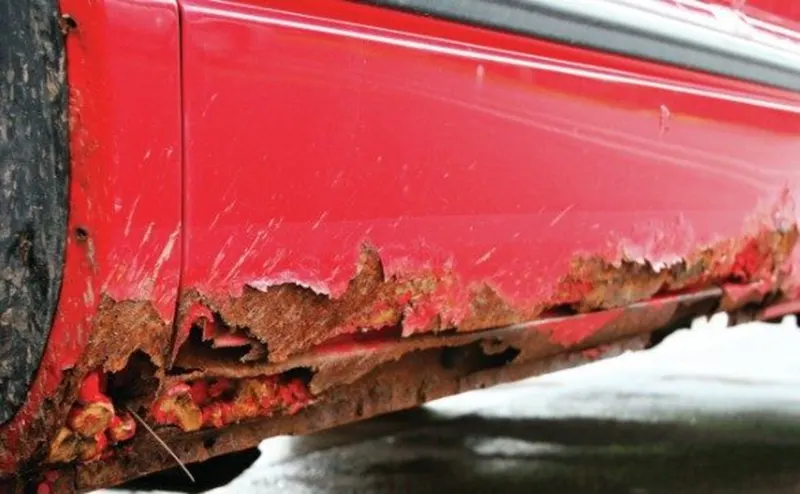
- Rust prevention: Underbody coating protects the metal in the undercarriage against the moisture in the environment hence preventing rust and corrosion.
- Reduction of Noise, vibration and harshness levels: Underbody coating provides a shielding between the road and the car, the gravel and loose rocks that are flung upwards from vehicle wheelsdo not hit directly on the metal undercarriage and make unwanted noises and vibrations, therefore the underbody coating smoothens the ride quality.
- Protection of vital components: Components that are on the underside of car are very important structurally and functionally. All components are protceted from rust and corrosion and components like engine and silencers and other are also protected from damage due to impact of loose gravel directly on metal.
Disadvantages of Underbody Coating:
The only drawbacks of underbody coating are that ti has to be done at regular intervals for prolonging the vehicle's life and therefore the regular cost associated with it can be counted as a disadvantage. But still, it is less than the cost that would be associated with replacing the damaged components.