Underbody Coating
Q:Write a one-pager about Under-Body Coating and its purpose, its types in detail, and its pros and cons.
ANS:
Under-Body Coating: Purpose, Types, Pros, and Cons
Introduction:
Under-Body Coating is a protective layer applied to the underside of vehicles to shield against rust, corrosion, and damage caused by road debris, moisture, and chemicals. This one-pager explores the purpose of under-body coating, its types, and the pros and cons associated with its application.
Purpose of Under-Body Coating: The primary purpose of under-body coating is to provide protection to the vulnerable underside of vehicles. It acts as a barrier, preventing the accumulation of dirt, grime, and moisture, which can lead to rust and corrosion. Under-body coating also shields critical components such as the chassis, suspension, exhaust system, fuel lines, and brake lines from damage caused by road hazards, chemicals, and environmental elements.
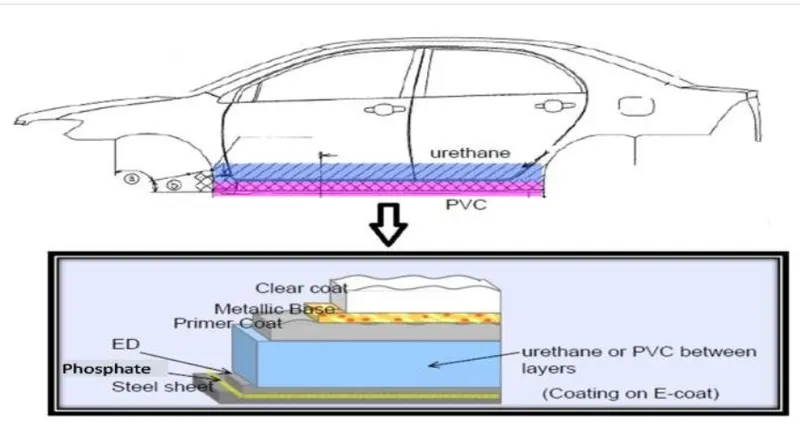
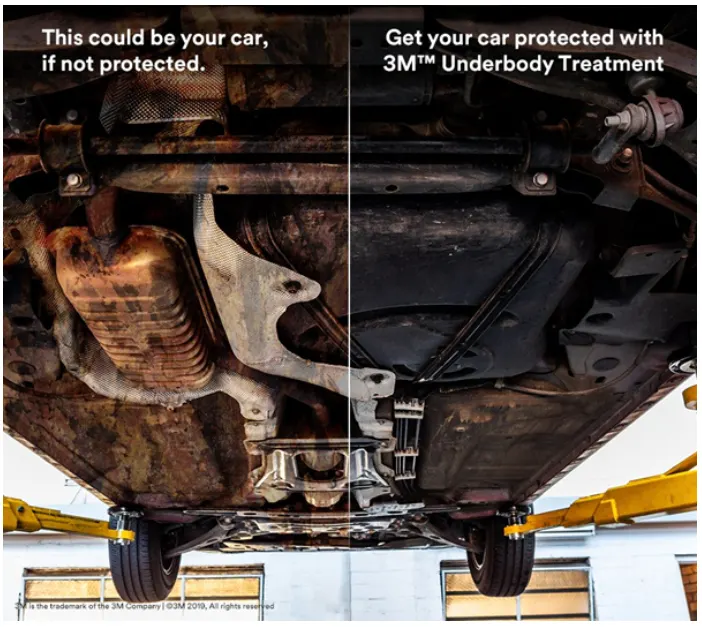
Types of Under-Body Coating:
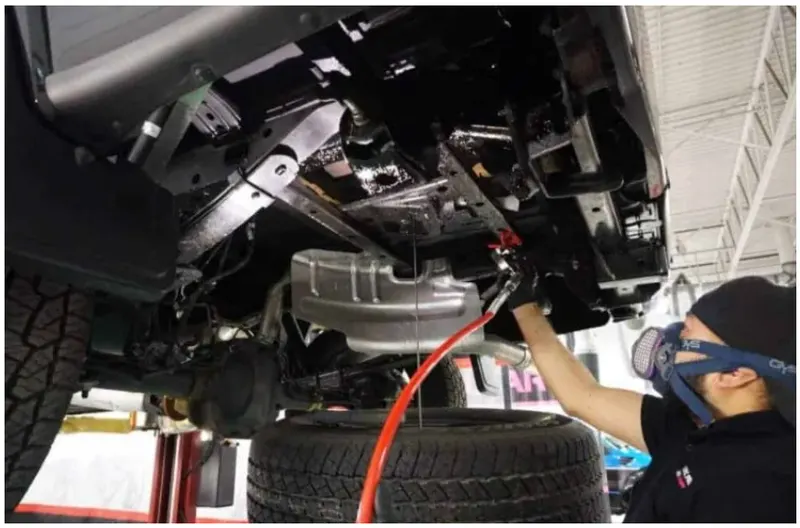
-
Rubberized Under-Body Coating:
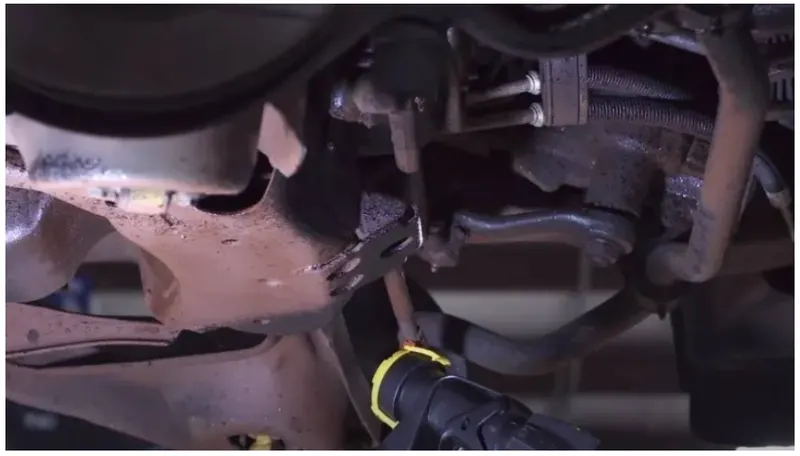
- Made of rubber or rubber-like substances, providing flexibility and durability.
- Offers excellent resistance to moisture, corrosion, and abrasion.
- Absorbs impacts, reducing noise and vibrations.
- Requires professional application for optimal results.
-
Bitumen-Based Under-Body Coating:
- Composed of bitumen, a viscous and waterproof material.
- Forms a thick, tar-like layer that adheres well to the metal surface.
- Provides effective protection against rust and corrosion.
- Offers sound dampening properties.
- Requires professional application due to its specialized nature.
-
Wax-Based Under-Body Coating:
- Consists of a thin, transparent layer of wax.
- Adheres to the metal surface, preventing moisture from causing corrosion.
- Easier to apply and maintain compared to rubberized and bitumen-based coatings.
- Provides moderate protection against road debris and chemicals.
Pros of Under-Body Coating:
- Rust and corrosion protection, extending the lifespan of the vehicle.
- Preservation of critical components, such as the chassis and fuel lines.
- Reduction of noise and vibrations, enhancing the overall driving experience.
- Improved resale value by maintaining the vehicle's condition.
- Enhanced safety by preventing structural degradation and component failure.
Cons of Under-Body Coating:
- Additional cost during vehicle purchase or maintenance.
- Professional expertise and specialized equipment required for proper application.
- Periodic reapplication may be necessary depending on environmental factors and wear and tear.
- Improper application or maintenance can lead to inefficiency or coating damage.
Conclusion:
Under-Body Coating serves as a crucial protective layer for vehicles, safeguarding against rust, corrosion, and damage. Rubberized, bitumen-based, and wax-based coatings offer varying levels of protection and application requirements. While under-body coating provides numerous benefits such as increased durability and protection, it is essential to consider the associated costs and maintenance requirements. Properly applied and maintained under-body coating can be a worthwhile investment to extend the life and preserve the condition of vehicles.