Underbody Coating
A car’s underbody is exposed to the most wear and tear caused by muddy water, potholed roads, stones and other obstacles on the road. Because it’s not in plain sight, we often do not see the damage. Underseal (often called undercoating in the U.S.) is a thick resilient coating applied to the underbody or chassis of an automobile.
Underbody coating protects principally against rust, stone-chipping, dirt and road salt.Road salt used during frost is a serious threat to the car’s underbody. Salt solutions corrode the underbody and cause holes to form. If the underbody coating has already become partially detached, salt damage is particularly common. It can be prevented by underbody coating car.
Historically a bitumen-based compound was used, but after approximately a decade this becomes brittle and water can become trapped between the underseal and body metal, counterproductively creating a more favourable environment for rust than if no underseal was applied at all. Wax-based underseals do not have this disadvantage but can be eroded and eventually washed off by enthusiastic use of a hot pressure washer. Rubber-based underseals are also sometimes used.
Vehicles for sale in some territories are not undersealed, because the climate is not sufficiently aggressive to warrant it. If such a vehicle is subsequently imported into a country with high rainfall, cold winters and where salting of the roads is common, application of underseal is strongly recommended to ensure the vehicle has a long life.
When concrete on streets, parking lots, or warehouse floors begins to degrade, there are a few methods of repair available. Concrete undersealing is a process by which hot asphalt is pumped underneath the concrete slab so it flows into patches that were hollow and eroded. After concrete undersealing, the concrete is more stable and can be overlaid with a thin layer of asphalt to repair cracks, saving the expense and time of replacing the entire surface.
Steps of underbody coating
The car is hoisted on a lift and the underbody is inspected for flaws
The under body is cleaned removing out the dirt and grease
Critical components like silencer are covered in a film to avoid the coating from sticking to it
Rest of the under body is spray painted evenly.
The silencer film is removed and zinc coating is sprayed on it
Final inspection is done to look out for flaws
Done , the car is ready to leave the workshop.
TYPES OF UNDER BODY COATING:-
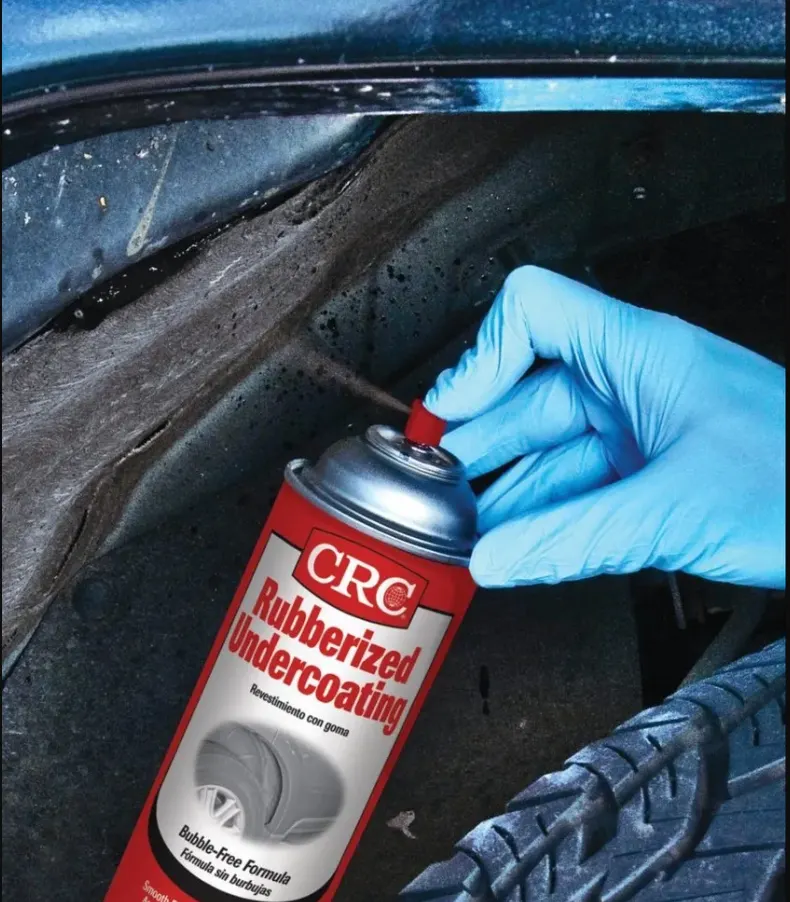
1)rubberized undercoating:- is easy to apply and offers sound-cushioning as well as protection from dust, moisture, and dings or dents.
2) polyurethane undercoating:-
This type of sealant works by seeping into all cracks and seams, displacing salt and moisture and oozing around rusty areas to bond with and protect unoxidized metal. It also sands quickly in case you'll need to perform bodywork and can be painted over.
On the flipside, this type of car undercoating generally requires a little bit more surface prep work before applying -- sanding and applying an etching primer to bare metals before using are generally recommended.
3)Wax or paraffin based underbody coating:-
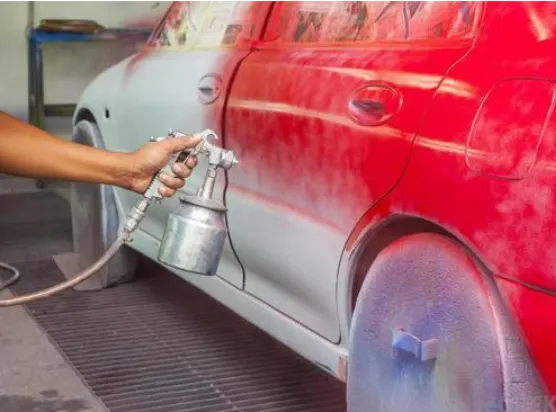
A paraffin-based undercoating will be the cheapest and quickest option available with which to protect the undercarriage of your vehicle. However, keep in mind that it will wear off quicker than other types of undercoating and will need to be stripped and reapplied at least once every year.
Wax-based undercoatings never truly harden. During application, they drip or flow into seams and cracks to provide protective properties. They are usually available in a spray gun canister or in an aerosol can and offer at least a base protection in moderately humid climates.
4)Asphalt based under coating:-
For standard vehicles, any of the aforementioned types of undercoating will provide sufficient protection. For large trucks and heavy machinery, asphalt-based undercoating provides a bit of extra durability against rocks, chips, and moisture.
Asphalt-based undercoating generally contains a little bit of rubberized material that sets up firmly and also helps soften noise. Generally sold in five gallon containers, this type of undercoating also needs more cure time than the other three, and is NOT paintable, making it best to use only for undercarriages.
pros and cons.
pros:-
- Minimizes Sound:- It minimizes the sound from underneath the car resulting a noiseless, smooth driving experience.
- Heat Insulation:- It insulates the interior of the car from extreme temperatures from beneath the vehicle providing a comfortable cabin experience.
- Anti-chipping property:- If any stone hits the coating it does not get chipped away hence protects the underbody from exposure to water.
cons:-
- Undercoating will work best on new vehicles that have not been exposed to road conditions. A used vehicle may already have residue on the bottom of the car or even have spots of rust and corrosion. Undercoating will not help you if corrosion already exists and the corrosion needs to be removed first before it can be applied, which can be expensive for you.
- It works best on new cars.