Underbody Coating
Challenge 2- Underbody Coating
What is UnderBody Coating?
Underbody coating is a protective layer that is applied to the underside of a vehicle. Its primary purpose is to protect the vehicle from damage caused by road debris, water, and salt. The underbody of a vehicle is particularly vulnerable to damage from these elements, which can cause rust and corrosion over time.
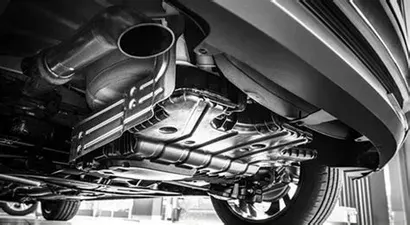
There are different types of underbody coating, including rubberized and wax-based coatings. Rubberized coatings are made from a blend of rubber and other materials, and they provide a thick layer of protection that can absorb impact and resist corrosion. Wax-based coatings are made from a blend of wax and other materials, and they provide a thin layer of protection that can resist moisture and prevent rust.
To apply underbody coating, the vehicle must first be thoroughly cleaned and dried. Any rust or corrosion must be removed, and the surface must be smoothed out to create an even surface. The underbody coating can then be applied using a spray gun or other specialized equipment.
In addition to protecting the vehicle from damage, underbody coating can also provide additional benefits, such as reducing road noise and improving fuel efficiency. By reducing drag caused by the rough underside of the vehicle, underbody coating can help the vehicle to move more smoothly through the air, which can improve fuel efficiency and reduce noise.
- Advantages of Underbody Coating:
1. Corrosion protection: Underbody coating protects the underside of the vehicle from corrosion, which is particularly important in areas with high levels of salt or other corrosive elements on the roads.
2. Rust prevention: Underbody coating can help prevent rust from forming on the underside of the vehicle, which can extend the lifespan of the vehicle and prevent costly repairs.
3. Sound insulation: Applying an underbody coating can reduce road noise, which can make for a quieter and more comfortable ride.
4. Improved fuel efficiency: A smoother underside can reduce drag and improve aerodynamics, which can increase fuel efficiency and save money on gas.
5. Aesthetic appeal: A clean, uniform underbody coating can enhance the look of a vehicle and make it appear well-maintained. - Disadvantages of Underbody Coating:
1. Cost: Underbody coating can be expensive, especially if it is done by a professional. Some people may opt to do it themselves, but this can be time-consuming and may not yield the same level of protection as a professional application.
2. Limited lifespan: Over time, underbody coating can wear off or become damaged, especially if it is exposed to harsh elements like salt or gravel. This means that it may need to be reapplied periodically to maintain its effectiveness.
3. Messy application: Applying underbody coating can be a messy process, and it may require special equipment or tools to get the job done properly. This can make it difficult for some people to do it themselves.
4. Potential damage to the environment: Some underbody coating products may contain harmful chemicals that can damage the environment if not disposed of properly. It is important to choose a product that is environmentally friendly and safe to use.
5. Potential interference with repairs: If repairs are needed on the underbody of the vehicle, the underbody coating may need to be removed first, which can be time-consuming and add to the cost of the repair.
Methods used for Under Coating:
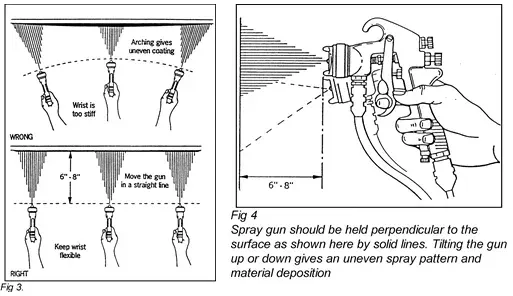
1. Spray gun application:
This is a common method used by professionals. A spray gun is used to apply the underbody coating to the underside of the vehicle. This method is quick and efficient, but it requires specialized equipment and training.
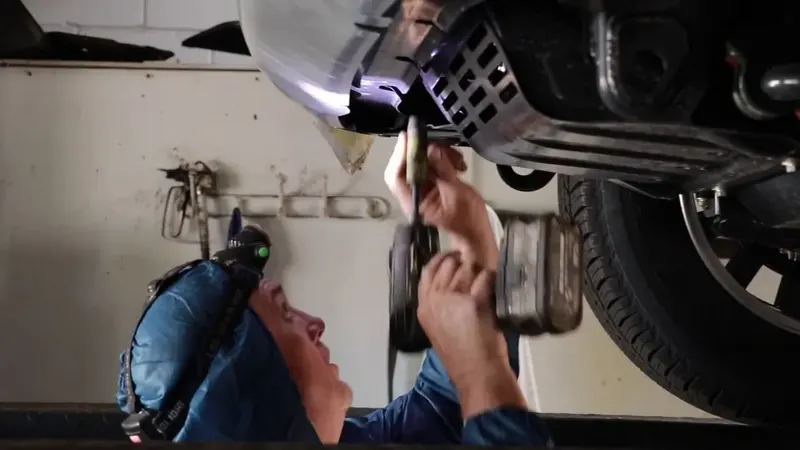
2. Brush application:
Brushing on the underbody coating is a method that can be done by anyone with the right materials. This method is time-consuming but can be effective if done properly.
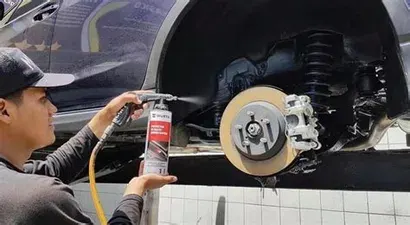
3. Aerosol application:
Some underbody coatings come in an aerosol can, which can be sprayed directly onto the underside of the vehicle. This method is convenient but may not be as effective as other methods.
4. Roller application:
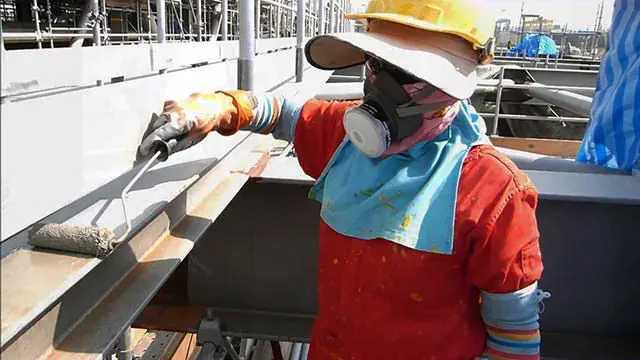
A paint roller can also be used to apply underbody coating to the underside of a vehicle. This method is similar to brush application but can be faster for larger areas.
5. Dipping method:
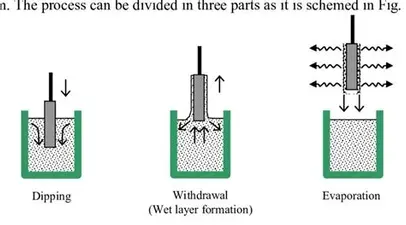
The dipping method involves submerging the entire underside of the vehicle in a tank filled with underbody coating. This method is typically used in manufacturing and is not practical for most individual vehicles.
Steps to be followed before Underbody Coating
1. Clean the underbody: The first step is to thoroughly clean the underside of the vehicle to remove any dirt, grease, or debris that may be present. This can be done using a pressure washer or a hose with a strong stream of water. A degreaser or other cleaning solution may also be used.
2. Dry the underbody: Once the underbody is clean, it should be allowed to dry completely before applying the underbody coating. This can be done by letting the vehicle sit in a dry, well-ventilated area, or by using a fan or other drying equipment.
3. Remove rust and corrosion: Any rust or corrosion on the underbody should be removed before applying underbody coating. This can be done using a wire brush or sandpaper, or by using a rust remover product.
4. Smooth out the surface: Any rough or uneven areas on the underbody should be smoothed out to create an even surface. This can be done using sandpaper or a metal file.
5. Mask off areas: Any areas that do not need to be coated, such as brake lines or wiring, should be masked off to protect them from the underbody coating.
6. Apply the underbody coating: Once the underbody is clean, dry, and smooth, the underbody coating can be applied using the chosen method. It's important to follow the manufacturer's instructions carefully to ensure that the coating is applied evenly and effectively.
Steps to be followed after Underbody Coating
1. Allow the coating to dry: Depending on the type of underbody coating used, it may need to dry for a certain amount of time before the vehicle can be driven. This can range from a few hours to several days, so it's important to follow the manufacturer's instructions carefully.
2. Inspect the coating: Once the underbody coating is dry, it should be inspected to ensure that it has been applied evenly and effectively. Any areas that were missed or appear thin should be touched up with additional coating.
3. Remove masking: Any masking that was applied to protect areas during the coating process should be removed carefully to avoid damaging the coating.
4. Clean up: Any excess coating or debris should be cleaned up from the work area to ensure that it does not interfere with the operation of the vehicle or cause damage to the environment.
5. Maintain the coating: To ensure that the underbody coating continues to provide effective protection, it should be inspected periodically and touched up as needed. Any damage or wear to the coating should be addressed promptly to prevent rust or corrosion from forming.
Conclusion:
In conclusion, underbody coating is an important protective layer that can help to protect a vehicle from damage caused by road debris, water, and salt. There are different types of underbody coating available, and it should only be applied by a trained professional to ensure proper application and maximum effectiveness.