Underbody Coating
UNDERBODY COATING:
Underbody coating is a process to protect the car’s underbody from the corrosion. It also protects parts like internal body panels, frame rails and other inner cavities that are not physically accessible but are prone to corrosion. 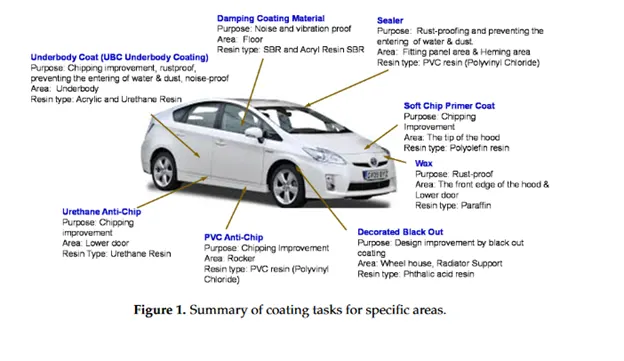
PURPOSE OF UNDERBODYCOATING:
- To protect against rust and corrosion
- Reduces NVH (Noise Vibrations Harshness) levels
- Prevent paint chipping
- Protects vital components
TYPES OF UNDERBODY COATING:
1. RUBBERIZED UNDERBODY COATING:
Rubberized undercoating’s do a great job of keeping existing rust all covered up and looking sharp, but it does absolutely nothing to slow down the spread of rust and corrosion sometimes the trapped air and moisture may even contribute to rust formation.
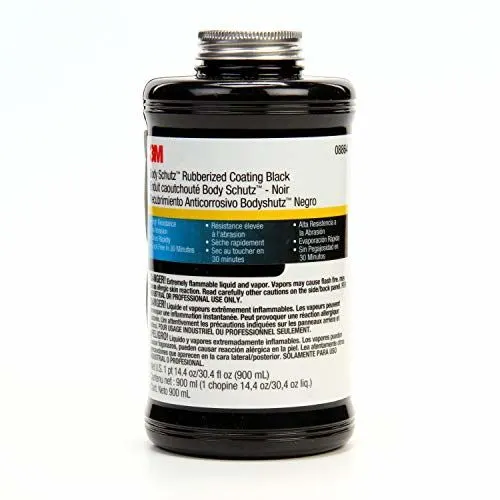
Uses:It is an easy-to-use black rubberized protective coating. It provides corrosion protection from water, salt and other chemicals. Its helps deaden sound and provides a barrier against rust on cars, trucks, trailers and other recreational vehicles.
PROS:
- Easy to apply
- Quickly applied with no fuss
- Undercoat can be painted for a neat finish
- Provides satisfactory protection
- The simplest way to undercoat your car
- Safe to apply
- Truly dries to a soft rubbery finish that prevents further rust, damage, or moisture seepage.
2. POLYURETHANE UNDERCOATING:
Polyurethane Undercoat may be top-coated with either acrylic or polyester urethane finishes and is especially formulated as an undercoat or sealer under AY&B Elite® Pro-Spray Linear Polyurethane and Elite® 321 Brushing Polyurethane finish coats.
PROS:
- It has a long lifespan and is resistant to wear and tear
- Easily and quickly applicable
- Trickles into cracks and rusty spots already present on the underbelly of your car and fills them, hence protecting the underlying metal
- Quick and simple to remove, as it sands easily
- Dislodges salt, moisture, and oozing around rusty areas to bond with and protect unoxidised metal
- Can be painted over
CONS:
- For better adherence, needs undercarriage preparation before application
- Requires time-consuming etching with primer to bare metals.
3.Petroleum Based Undercoating:
Petroleum-based undercoating is a heavy, viscous oil-based liquid product that provides an effective barrier against moisture and corrosion.The liquid dries and hardens to provide tough, durable, and long-lasting protection against moisture and corrosion. This product is typically applied to the undercarriage of automobiles, trucks, and other vehicles.Petroleum-based undercoating can be purchased from your professional vehicle servicing shops.
PROS:
- Has greater deflective abilities for road salts and grime
- Repels ice and water because of its petroleum base.
CONS:
- Requires annual replacement
4.ASPHALT BASED UNDERCOATING:
Asphalt Based Undercoating does provide some benefits over Waxed Based Undercoating. They both stick well to most any surfaces and do a great job sealing out moisture, road chemicals and oxygen. But mainly, Asphalt undercoating has the benefit of being less expensive.
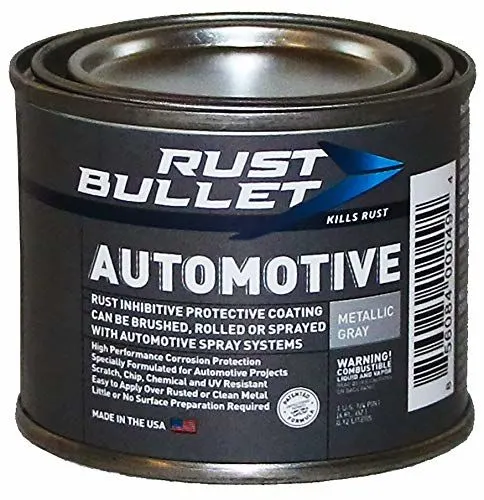
PROS:
- Formulated to protect from dirt, rust, and corrosion, it normally has a shelf life of up to two years. Sold in five-gallon containers
- Provides extra durability as it is the strongest and thickest undercoating available.
CONS:
- It takes time to harden and so requires more cure time than the other three types
- Unlike the other three, it is also, not paintable as such, not very aesthetically suitable for standard vehicles
- For best used only for the undercarriages of utility vehicles and trucks
- The only type of undercoating with a limited warranty
NEED OF UNDERCOATING:
- To maintain the thermal conductivity of the vehicle body.
- To hide the body works which did during manufacturing, increasing the aesthetic look ad appearance of vehicle.
- To improve vehicle acoustic performance, reducing road noise and structure-bome vibration noise, to provide a quieter ride for the both drivers and vehicle occupants.
- Making a durable anti-stone and anti-chip coating to vulnerable parts of the vehicle. Helping to enhance corrosion performance of pre-applied coatings.
- It has good resistance to abrasion and is over-paintable, making it a versatile option for many different areas on a vehicle.