Underbody Coating
UNDERBODY COATING
Underbody coating is a thick cladding( generally made of rubber) placed slightly to the auto's underpart. When the machine is fresh off the lot and pristine, it's typically scattered or painted on. But it's respectable if you apply the undercoating a couple of times. This is because it might cover the undercarriage from fresh detriment.
In old times coating was done by several layers of coating. After multiple shield layers were applied, vehicles were polished to produce candescent shells. Some manufacturers, including Ford in the model T line, employed a combination of brushing, dipping, & indeed pouring to cover and cover the colorful corridors of autos entirely. All of these coating ways were enforced manually, and it wasn't uncommon for the period from ht onset of the coating process to the end when the coating was dry, and the auto was ready to vend to take up to 40 days. Between the 1920s & 1940s, automotive transitioned to using spray outfits & 'stoving enamels' that were grounded on alkyd resins; these two advancements dropped operation and drying times to a week or lower. Because of the recently developed spray coating technologies, the face homestretches were more indeed & lower grinding was demanded. Automotive coatings continue to evolve as they either satisfy or are anticipated to meet client prospects & environmental regulations while also lowering manufacturing & power costs. One of these progressions is innovative coatings because they offer the eventuality to significantly ameliorate face continuity while adding new functionalities or parcels like self-healing,super-hydrophobicity, tone-stratifying, tone-seeing, soundproofing, & vibration damping. For illustration, an intelligent coating could respond to its terrain to enhance the coating life; an innovative coating with tone-mending parcels would be helpful in response to an abrasive, mechanical detector or to a sharp event in which the layer is self-healing as a result of UV, heat, or automatic activation. Self-healing can also be achieved by employing shape memory polymers that are touched off with temperature and moisture manipulations or UV radiation; tone-mending associated with the lump of particular tones similar to montmorillonite is also possible. Other innovative coatings include internal seeing capabilities that number the unresistant or active triggering of fluorescent motes or amount blotches. In the former, the visual system signals & activates changes in or form of the coating by transferring data to an external sensor; ultimately, the optical system would output the response signal.
Types of underbody coating
1.Rubberzied Undercoating
2. Wax Based Undercoating
3. Asphalt Based Undercoating
4. Polyurethane Undercoating
Rubberized Undercoating-This is extensively considered to be the stylish bottom coating for your auto. It protects the bottom from scrapes and keeps it duly. It's also not delicate to apply this to the undercarriage. This can be done at the sanctioned service center or by the original form shop at a reasonable price. Rubberized coating is ideal for keeping the road noise minimum and rust and erosion down.
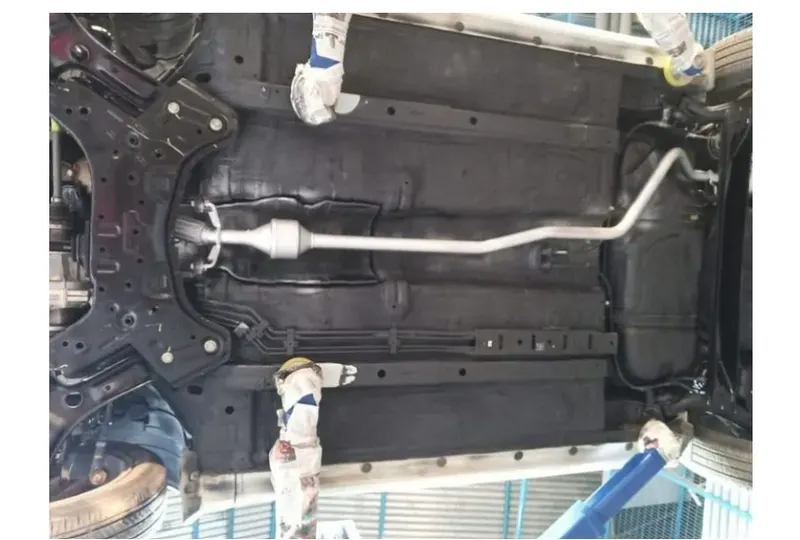
Wax-Based Undercoating-This temporary undercoating will, on the whole, fade down after many months. On the else side, wax-grounded undercoating is resistant to moistness. It's also the most cost-effective volition.
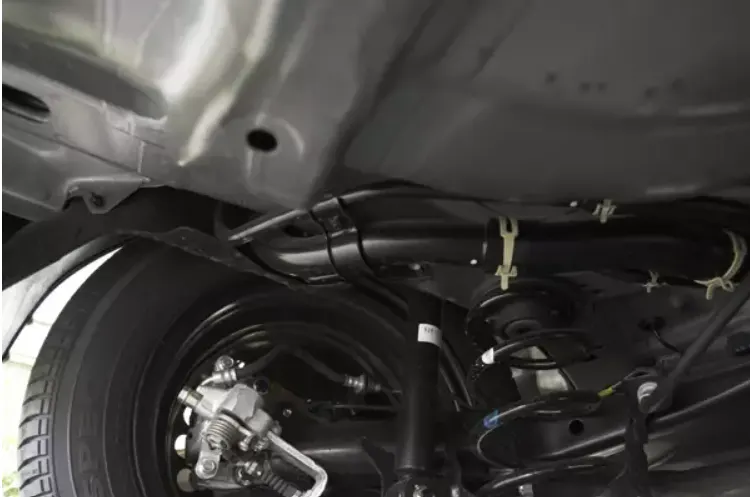
Asphalt-Based Undercoating- Suitable for lorries, exchanges, and other heavy vehicles. In comparison to rubber-grounded coatings, this gives an advanced position of protection. On the other hand, asphalt-grounded coatings incorporate a small volume of rubber for sound sequestration. The operation of this coating still takes some time.
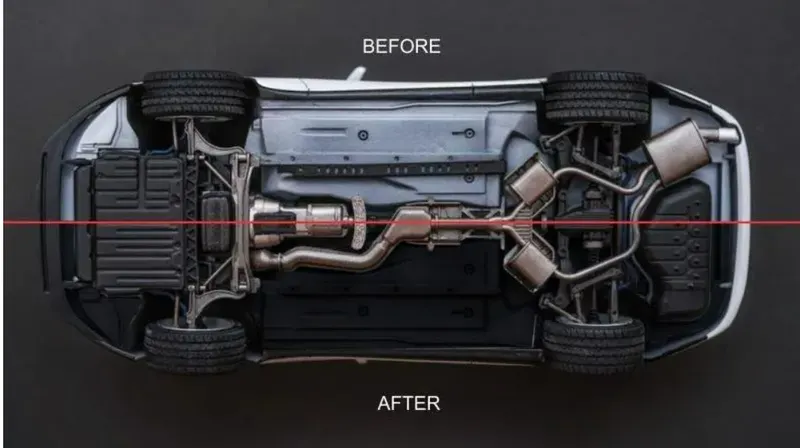
Polyurethane Undercoating -This covering seals breaks and fractures in the vehicle's bottom. It provides strong erosion resistance and also binds to the essence. Unlike an asphalt-grounded coating, the polyurethane coating may be painted over.
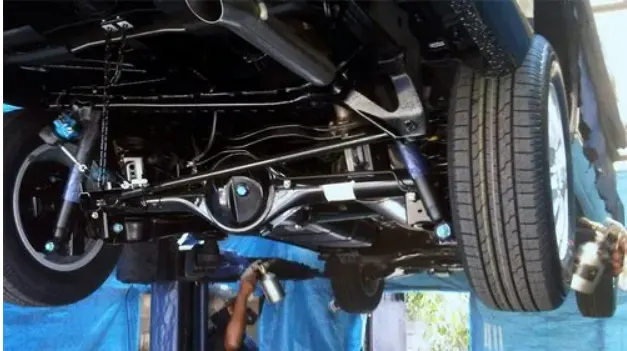
Advantages of Undercoating
Fights Rust
It has a pivotal function in precluding erosion. Underbody coating is beneficial if you live near the ocean, where inordinate moisture and rust are common. However, you should seriously consider undercoating, If you live near where it snows in the downtime. During the thunderstorm season, buses are at high threat of getting erosion. To extend your auto's life, you should get a bottom coating.
Absorbs Noise
Veritably strong undercoating, realize it or not, can devaluate noises that enter the cabin. The undercoating, which is constantly made of rubber, absorbs part of the discordances. The auto's inhabitants could avoid the road sounds — at least to some extent. So if you want a relative lift and pleasant experience, it's always a good idea to consider getting a bottom coating.
Reinforcement
Still, applying another bone on top of it'll not harm it, If your machine formerly has a bottom covering. It protects the bottom from water, road debris, clay, and bitsy monuments. The plant fleece would also have a lower threat of unloading down.
Prolong Car's Life
Good hair protects the bottom from erosion and the machine and gearbox! lower erosion combined with slower wear and tear and gash can extend the life of your auto by numerous times. There would be smaller dents, dings, and scrapes to worry about on the undercarriage.