Underbody Coating
UNDERBODY COATING
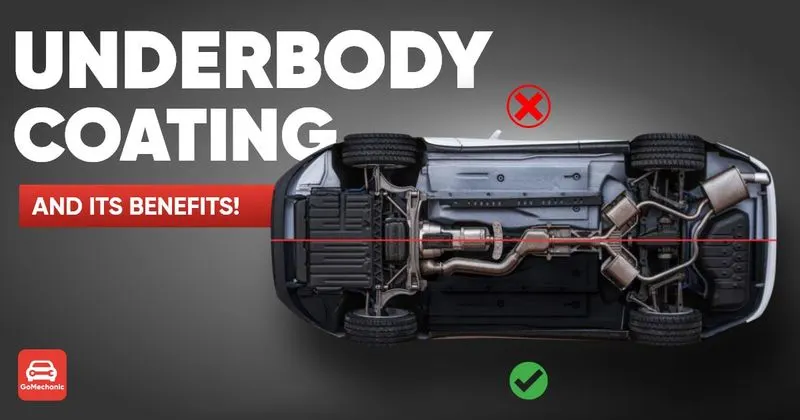
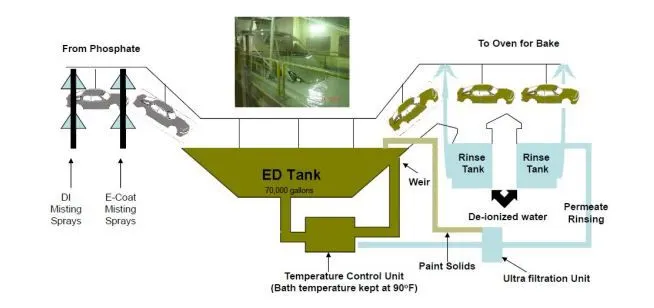
Underbody coating is usually a dense cladding (often based on rubber) applied uniformly to the undercarriage of the automobile. It is normally sprayed or painted on when the car is just out of the dealership and is clean. But even if you are getting the undercoating applied after a couple of years, it’s fine too. This is because it can prevent further damage to the undercarriage. The coating process which is done to underbody components between electrode deposition and primer coating processes is known as underbody coating.
Purpose: The main purpose of undercoating is to check rust especially in the body components like frame rails along with other exposed metal parts. Underbody coating can also reduce wear and tear. Getting a fresh coat can cost you up to ₹6,000.
Process:
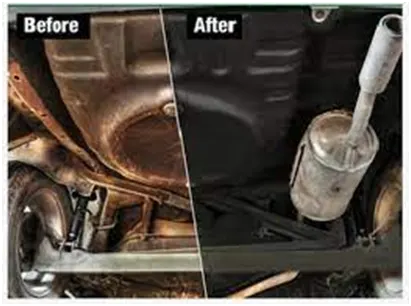
When it comes to updating your vehicle or using any sort of coating, remove the rust completely first and then proceed. Rust removal is easily achieved by sandblasting or sanding, depending on the area and the extent of the rust. Once you've removed the rust and prepped your undercarriage for coating, give it a quick rinse and let it dry to ensure you aren't further trapping any contaminants on your vehicle's underbelly. Using a degreaser to clean the metal first is also recommended. Most undercoating is generally applied with a spray gun. A disposable spray gun will work best; once the undercoating hardens, it becomes very difficult to clean the gun even with a lot of thinner. A Schultz disposable spray gun is the best option. No matter what type of vehicle undercoating you've selected, two coats will provide the optimum protection. Allow ample dry time between coats. Let the undercoating cure completely (usually overnight) before driving your vehicle on the road.
Modern procedure for Automotive coating process:
- Pre-Treatment: The excess material is removed and the surface is cleaned to make it suitable for the coating process. The dirt and welding residue is cleaned and removed during pre-treatment. The pre-treatment also consists of 4 stages [Hot Water, Degreaser, Surface Conditioner, and Phosphate] which are done before electrode deposition processes.
- Electrode position: The electrode deposition coat provides rust and corrosion protection. I is done over Body in White. The metal underbody and the frames are coated to prevent corrosion. While areas that are not coated are primed before applying the additional coating.
- Rustproof materials [Sealers/PVC]: The underbody coating has some specific advantages when compared to that of electrode deposition. The underbody coating has noise reduction, vibration reduction, and anti-chipping properties in addition to that of underbody coating.
- Primer: The primer is applied over the top body of a car to improve weather resistance, improve appearance, chipping resistance, improve adhesion between electrode position coat and topcoat, and reduce the volatile organic compounds that cause the atmospheric pollution.
- Topcoat: The topcoat has two stages, they are base coat and clear coat. The base coat has the primary colouring pigment, while the clear coat provides a protective coating against environmental effects, ultraviolet light degradation, unmatched colour retention and a smooth even finish.
Underbody Components:
Rear Floor Panel, Tunnel, Front Shock Tower Wheel House, Front Side Rail, Rear Shock Tower Wheel House, Rear Seat Panel, Dash Cross Member, Rear Back Panel, Rear Side Rail, Rear Floor Cross Member, Side Sill Inner, Front Floor Panel.
Types of Undercoating:
- Rubberized Underbody Coating: This is generally thought of as the best underbody coating for your car. It preserves the underbody well, protecting it from scratches. Applying this to the undercarriage is not much of a hassle either.
- Wax Based Underbody Coating: This – more or less – ephemeral undercoating will wear away in a few months’ time. On the upside, wax-based undercoating puts up a big fight against moisture. It is also the most affordable option out there.
- Asphalt Based Automotive Undercoating: Best suited for lorries, trucks and large vehicles this provides a greater degree of protection compared to rubber-based coatings. However, asphalt-based coatings contain little amounts of rubber for sound-insulation purposes. The process of applying this coating is a bit time-consuming though.
- Polyurethane Underbody Coating: This coating closes up splits and fractures on the underbody of the vehicle. It offers up good protection against corrosion and also bonds with the metal. Unlike in the case of asphalt-based coating, you can paint over the polyurethane coating.
Advantages of Undercoating:
- Fights Rust: It plays an important role in keeping corrosion at bay. Underbody coating can come in handy especially if you live near the sea, where there is too much humidity, and rusting is just one of those everyday things. You should also seriously consider undercoating if you reside in a place where it snows in winter
- Absorbs Noise: Believe it or not, very thick undercoating can soften the noises that reach the cabin. Since the undercoating is often made up of rubber it absorbs some of the rackets. The occupants of the car could spare themselves of the road noises – at least up to a certain extend.
- Reinforcement: If your car comes with stock underbody coating, using another coating on top of it, is not going to hurt. It will offer additional reinforcement, protecting the underbody from water, road debris, gravel and small pebbles. There would also be a lesser chance for the factory coat to flake away.
- Prolong Car’s Life: Good undercoating not only defends the underbody from corrosion but also protects the engine and transmission as well! Less rusting coupled with slower wear and tear can surely add years to the lifespan of your vehicle. There would be fewer dents, dings and scratches on the undercarriage for you to fret about.
- Warranty and Other Perks: You can get a warranty on many undercoatings. Underbody coatings can also make it easier for you to clean the car. Besides these, the coating provides a bit of thermal insulation making travelling by road easier even during summers.
Disadvantages of Undercoating:
- Applying underbody coating will not have any effect to the already corroded part.
- Undercoating is costly.
- Since the corrosion itself starts after few year, underbody coating is not preferable to owner who change their car after few year.
Conclusion:
Underbody coating is one of the hidden factors for prolonged life of the car. As it protects the car from dust, minor hit of small gravel, minor wear and tear and rust. It provides strength to the underbody. But the coating is not for very longterm, it removes or chipped out as time passes. In wet area, the coating damages faster as compared to dry area. So therefore, check-up is required over every 1 to 2 years.