Underbody Coating
UNDERBODY COATING
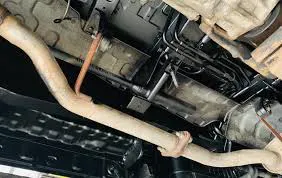
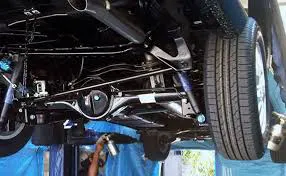
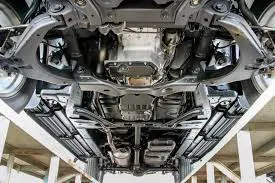
Underbody coating is usually a dense cladding (often based on rubber) applied uniformly to the undercarriage of the automobile. It is normally sprayed or painted on when the car is just out of the dealership and is clean. But even if you are getting the undercoating applied after a couple of years, it’s fine too. This is because it can prevent further damage to the undercarriage.
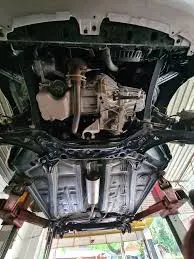
The main purpose of undercoating is to check rust especially in the body components like frame rails along with other exposed metal parts. Underbody coating can also reduce wear and tear.
Under body protective coating is used to protect the vehicle chassis from external environment, to ensure the integrity and safety of car. The use of underbody coating plays a very important role in the service life of the vehicle. In general, it is required to spray such a protective coating in the manufacturing of the new car. Due to the highly competitiveness of new car sales, car producers have pressure to reduce the manufacturing cost, so that they reduce or even completely eliminate the use of under body coating where it is not to be easily seem by car owners. As a consequence, our car service life will be greatly reduced.
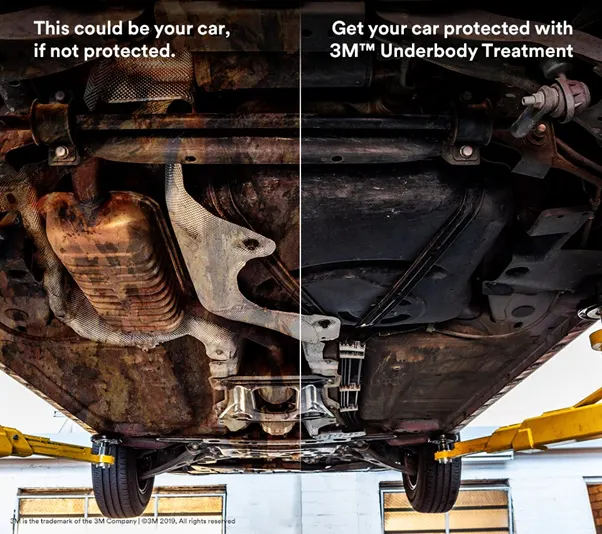
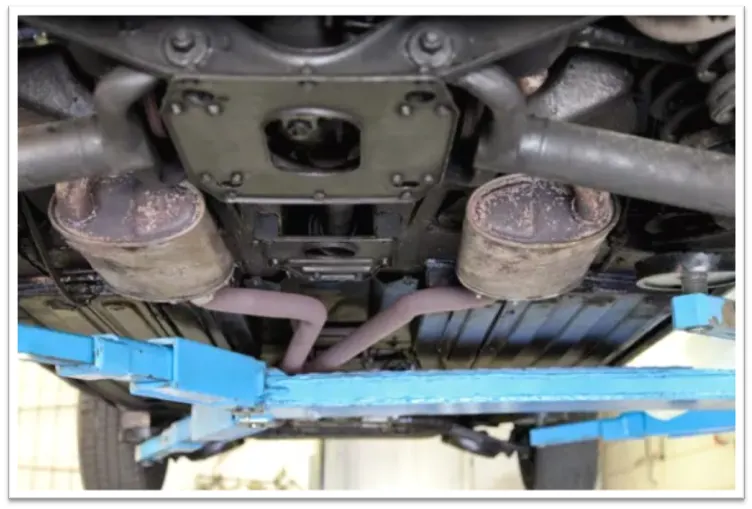
Many car owners know to regularly maintenance the vehicle by changing the engine oil and having the paint polished, but little attention has been paid to the bottom of the car. There are many cars whose surface looks glossy, while the under body’s already rusting.
PURPOSE:
•To protect against rust and corrosion
•Reduces NVH (Noise Vibrations Harshness) levels
•Prevent paint chipping
•Protects vital components
TYPES OF UNDERBODY COATING:
-Rubberized Undercoating
-Polyurethane Undercoating
-Wax or Paraffin-Based Undercoating
-Asphalt-Based Undercoating
1. Rubberized undercoating:
Rubberized undercoating’s do a great job of keeping existing rust all covered up and looking sharp, but it does absolutely nothing to slow down the spread of rust and corrosion sometimes the trapped air and moisture may even contribute to rust formation.
Uses: It is an easy-to-use black rubberized protective coating. It provides corrosion protection from water, salt and other chemicals. Its helps deaden sound and provides a barrier against rust on cars, trucks, trailers and other recreational vehicles.
2. polyurethene undercoating:
This coating closes up splits and fractures on the underbody of the vehicle. It offers up good protection against corrosion and also bonds with the metal. Unlike in the case of asphalt-based coating, you can paint over the polyurethane coating.
3. Wax or paraffin based undercoating:
This more or less ephemeral undercoating will wear away in a few months’ time. On the upside, wax-based undercoating puts up a big fight against moisture. It is also the most affordable option out there.
4. Asphalt based undercoating:
Best suited for lorries, trucks and large vehicles this provides a greater degree of protection compared to rubber-based coatings. However, asphalt-based coatings contain little amounts of rubber for sound-insulation purposes. The process of applying this coating is a bit time-consuming though.
ADVANTAGES OF UNDERBODY COATING :
FIGHTS RUST :
It plays an important role in keeping corrosion at bay. Underbody coating can come in handy especially if you live near the sea, where there is too much humidity, and rusting is just one of those everyday things. You should also seriously consider undercoating if you reside in a place where it snows in winter.
ABSORBS NOISE :
Believe it or not, very thick undercoating can soften the noises that reach the cabin. Since the undercoating is often made up of rubber it absorbs some of the rackets. The occupants of the car could spare themselves of the road noises – at least up to a certain extend.
REINFORCEMENT :
If your car comes with stock underbody coating, using another coating on top of it, is not going to hurt. It will offer additional reinforcement, protecting the underbody from water, road debris, gravel and small pebbles. There would also be a lesser chance for the factory coat to flake away.
PROLONG CAR'S LIFE :
Good undercoating not only defends the underbody from corrosion but also protects the engine and transmission as well! Less rusting coupled with slower wear and tear can surely add years to the lifespan of your vehicle. There would be fewer dents, dings and scratches on the undercarriage for you to fret about.
DOWNSIDES OF UNDERCOATING:
HIGH COST
Cost of underbody coating has come down, but is still expensive. This is because underbody coating offered by a car dealer is one way in which they make money off the customer.
Risk of damage
Care must be taken while applying underbody coating. This thick rubberized paint if not applied properly, can get into moving mechanical parts and cause premature failure-such as into the U-joint or CV joints in a cars propeller shaft or drive shafts. They can also hinder smooth movement of suspension components, if applied incorrectly. And there's also the risk of overspray on to the car's paint finish on the lower edges of the car.
UNDERBODY COATING PROCESS:
The modern automotive coating consists of five steps:
- Pre-treatment: removes and cleans excess metal and forms an appropriate surface structure enabling bonding of a corrosion protection layer.
- The next step is electrodeposition (ED) of the anti-corrosion or rust prevention layer.
- A sealer like Poly Vinyl Chloride (PVC) is applied for anti-corrosion, elimination of water leaks, and minimization of chipping and vibrational noise.
- A primer is then applied to promote adhesion between the surface and the basecoat; it also imparts a smoother surface for subsequent layers and has anti-chipping properties.
- Finally, the topcoats that include a basecoat and clear coat are applied; they provide surface properties that are sought after, including colour, appearance, gloss, smoothness, and weather resistance.