Hood design-Week 2
hood design
objective :
Design outer panel with the hem, develop the Inner Panel, develop all the necessary Reinforcements, Mirror and position the Hinge & Striker, provide Mastic Data, and provide the required Emboss definition.
about hood panel:
Hood is an important component of the front portion of the car which is used for many purposes. It is made aerodynamic in shape to reduce air drag. Generally, it is used to cover car engines, radiators, and many other components, the design must meet pedestrian's requirements and design should be satisfying serviceability and also design should be made in a way that when an accident occurs the energy absorption should no reach to passengers.
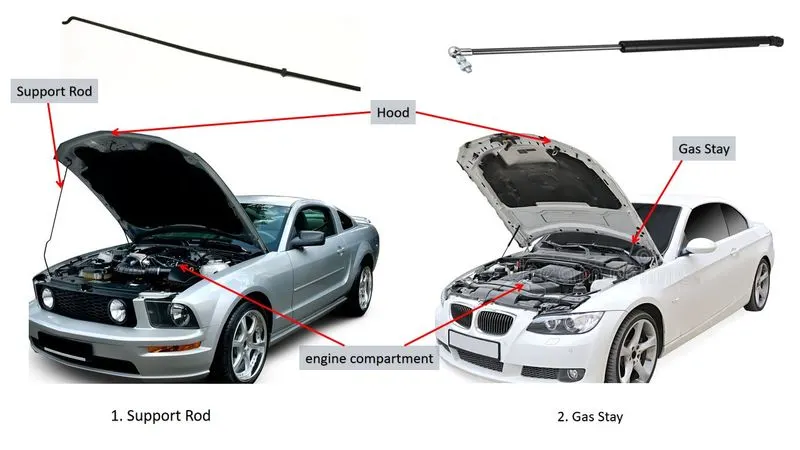
while access for repairs and maintenance Hood can fix by two methods
1. Support Rod
2. Gas Stay
following fig shows suppoprt rod and gas stay working
Hood Design Facilitates
- Hood Covers all engine components
- Easy access in engine compartment
- Frontal Crash impact forces absorption
- Reduce Engine Noise
- Aerodynamic Shape
- Safety of Pedestrain
- Good Aesthetic appearence.
given data for hood design:
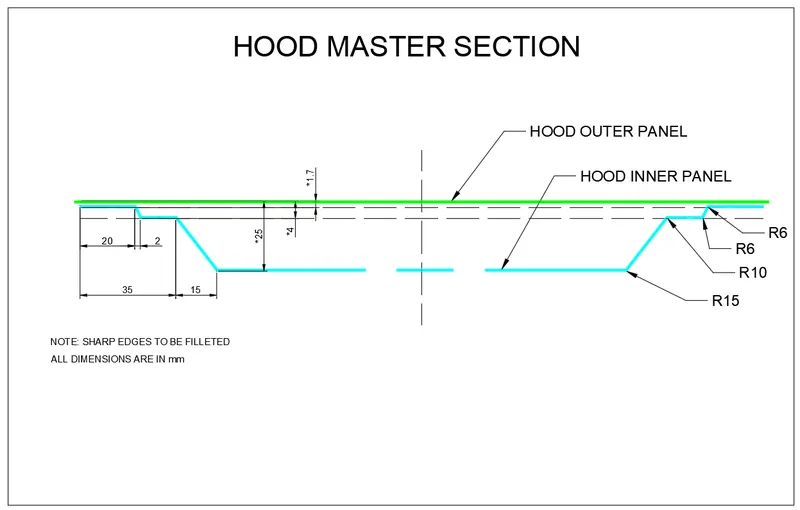
Master Section:
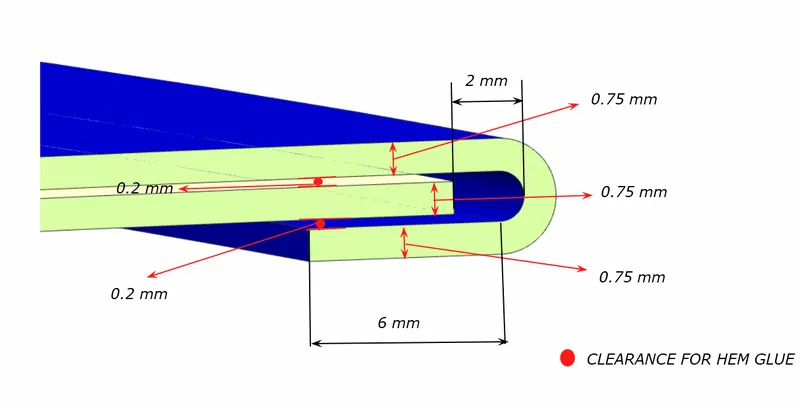
Hemming Data:
Relief rear section:
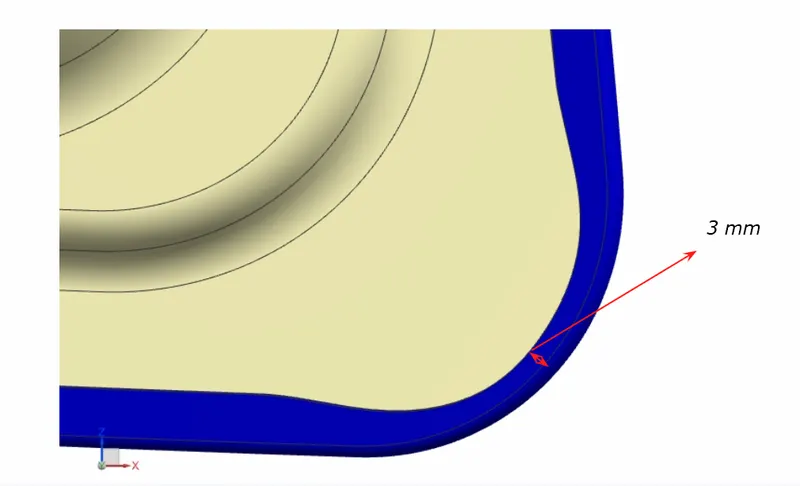
Front relief:
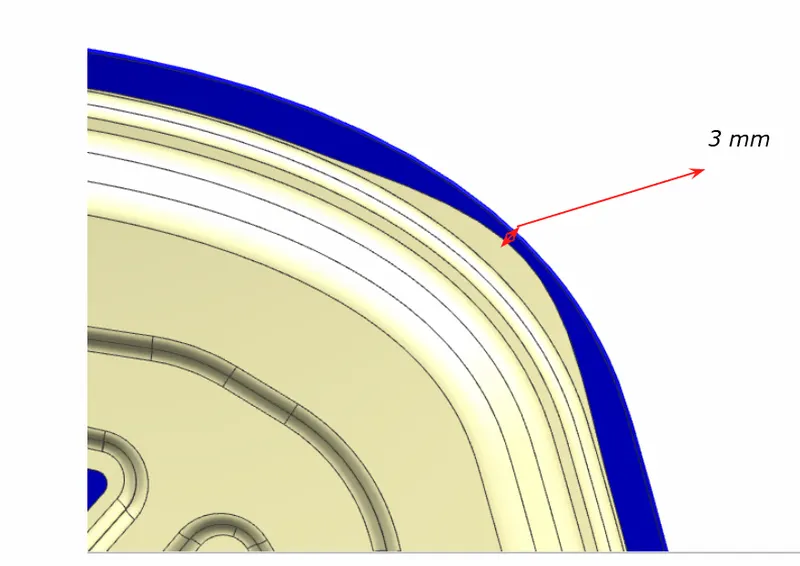
Hood Thickness Information
- Outer Panel Thickness = 0.75mm
- Inner Panel Thickness = 0.75mm
- Reinforcement Thickness = 1.5mm
Design Methodology:
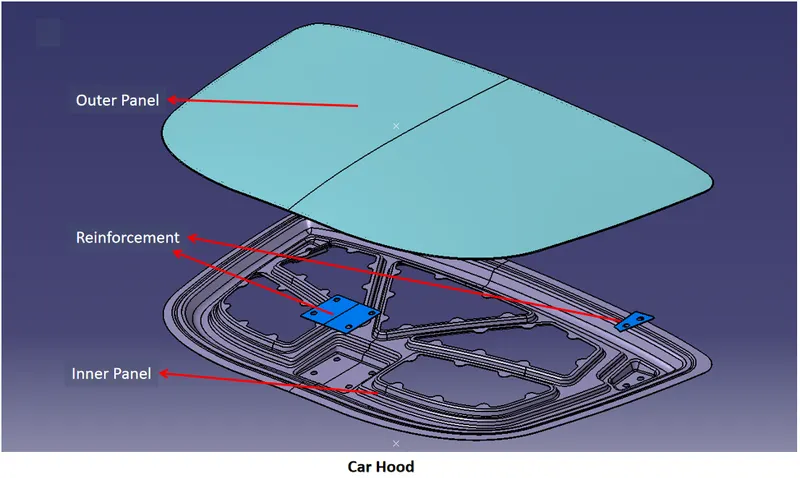
1. Develop the inner panel with
- Embossing
- Mastic Points
2. Develop the Outer Panel with
- Hemming
3. Positioning the reinforcements
- Hinges
- Striker for Latch
Hood Head zone for lock striker:
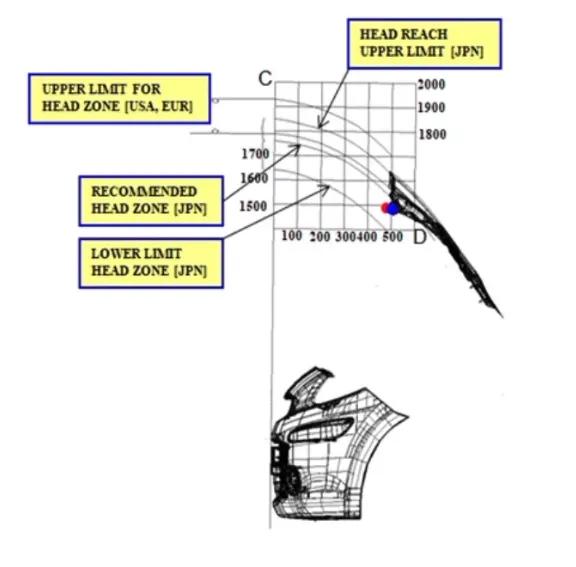
The opening angle of hood will give A, C, B And D with respect to the ground. those A, B, C & D are decided in the head zone. Opening angle varies from region to region depending on average human weight. Depending on the standards we are deciding the angle. So from the angle data, Support rod or Gas stay is designed.
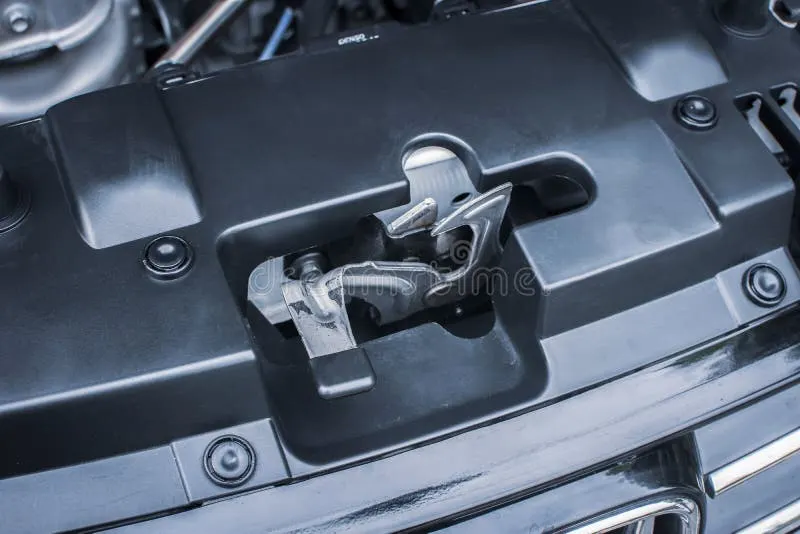
Adding latches and stiffener pad: Latches are added where and all the weight is added. On the inner panel we have Hinges and striker, which are attached to the inner panel so due to this attachment the strength of the inner panel is going weak. In order to strengthen the inner panel Latches will play a very important role. Stiffener pad is the sponge-like material place b/w Inner and outer panel to reduce vibrations.
. Mastic Seals: Mastic Seals place b/w Inner and outer panel to reduce Noise, vibration, and harshness. Every Mastic will have an effect of 80mm Dia locally. Inner and outer panel gap is 2 to 5mm
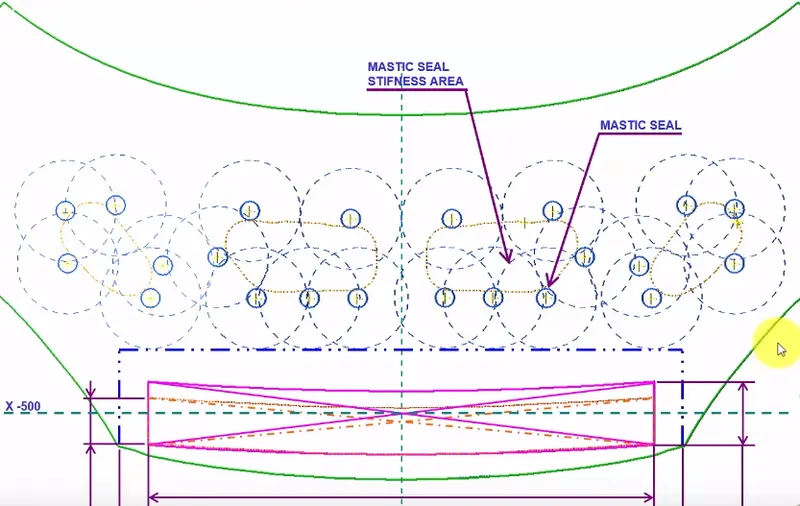
Mastic Seals
4. Emboss definition: Emboss are provided in the inner panel of the hood assembly. This helps in weight reduction of the hood and also to dissipate the force during collision.
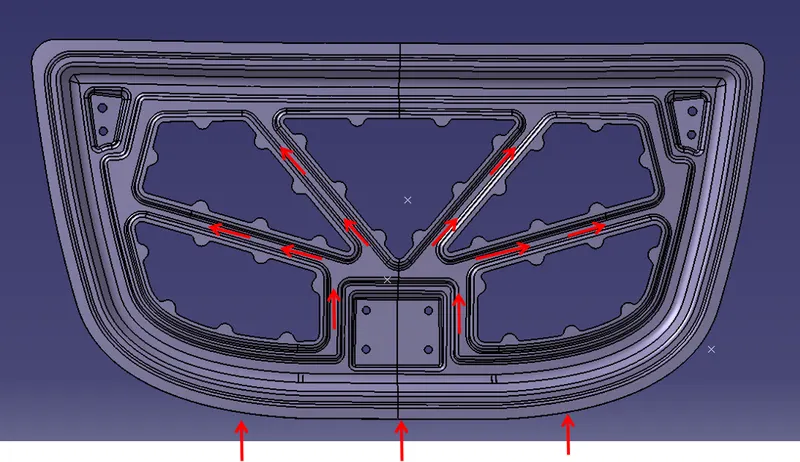
Force dissipate
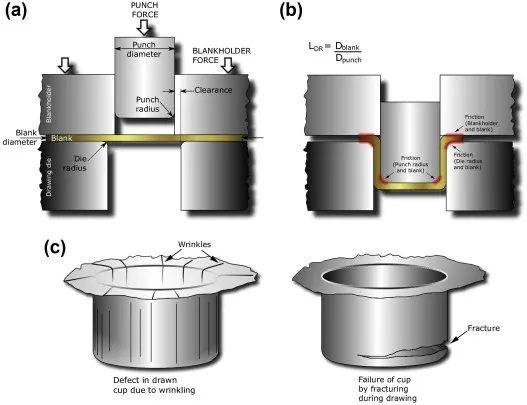
a. Deep Drawing: Deep drawing is a sheet metal forming process in which a sheet metal blank is radially drawn into a forming die by the mechanical action of a punch. It is thus a shape transformation process with material retention. The process is considered "deep" drawing when the depth of the drawn part exceeds its diameter.
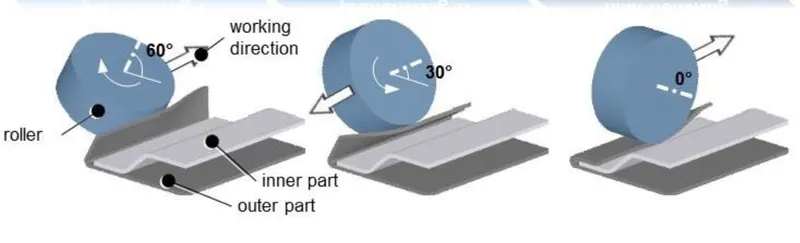
b. Hemming: Hemming is a forming operation in which the edges of the sheet are folded or folded over another part in order to achieve a tight fit. Normally hemming operations are used to connect parts together, to improve the appearance of a part and to reinforce part edges.
5. Hood For Better Pedistain Rating:
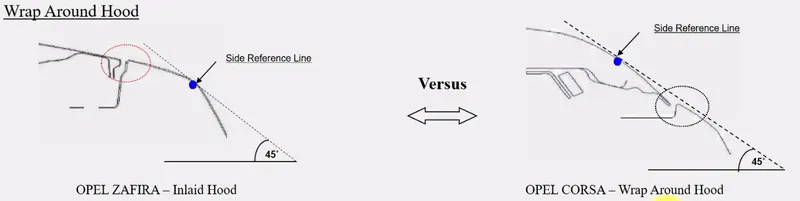
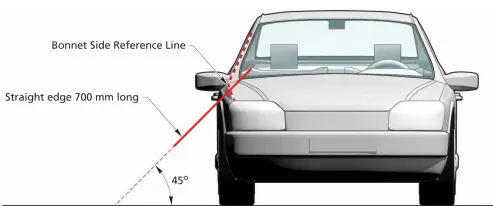
Inlaid Hood:The line which is drawn 45 deg. from ground to Side Reference of carand which is meeting point on fender is called Inlaid Hood.
Wrap Around Hood: The line which is drawn 45 deg. from ground to front surface of the Hood and which is the meeting point on the outer panel is called Inlaid Hood.
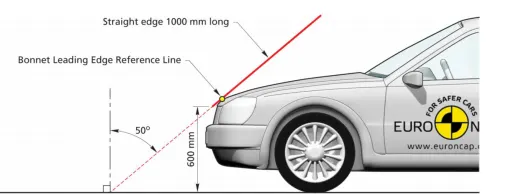
Depending on the Inlaid Hood & Wrap Around Hood we can design hood for head impact
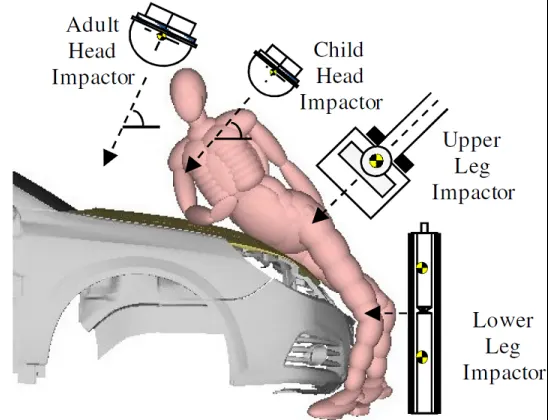
Position of head Impactor
So based on the position of head impactor we are providing emboss and cuts
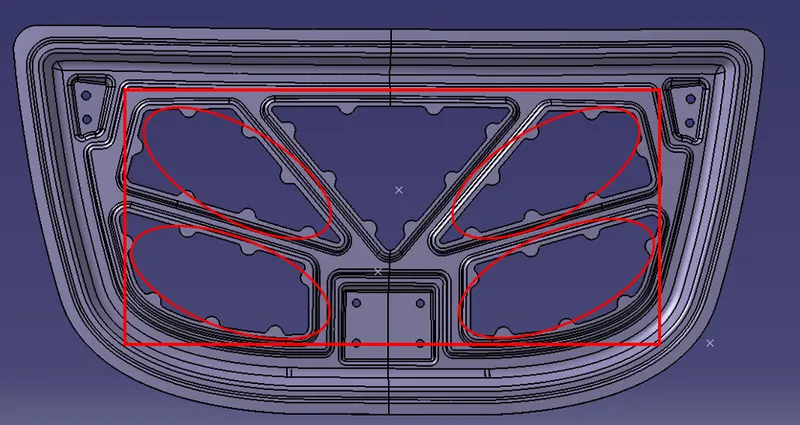
Emboss and Cuts
design procedure :
import files:
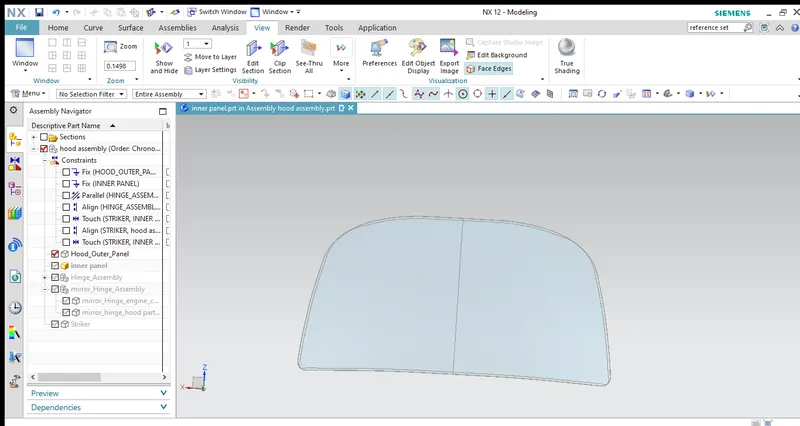
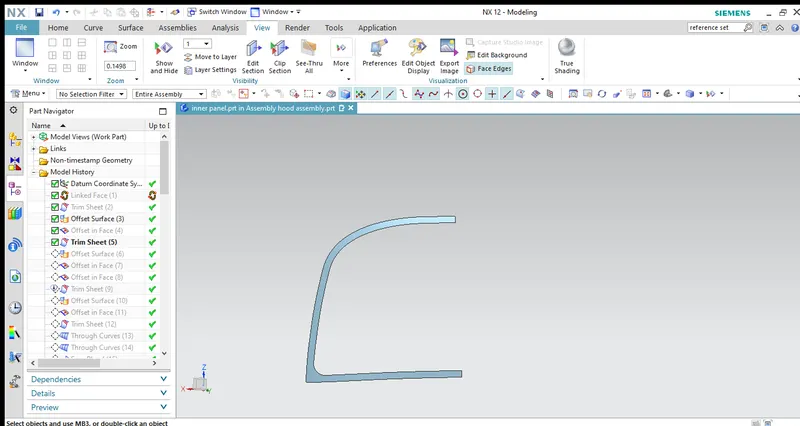
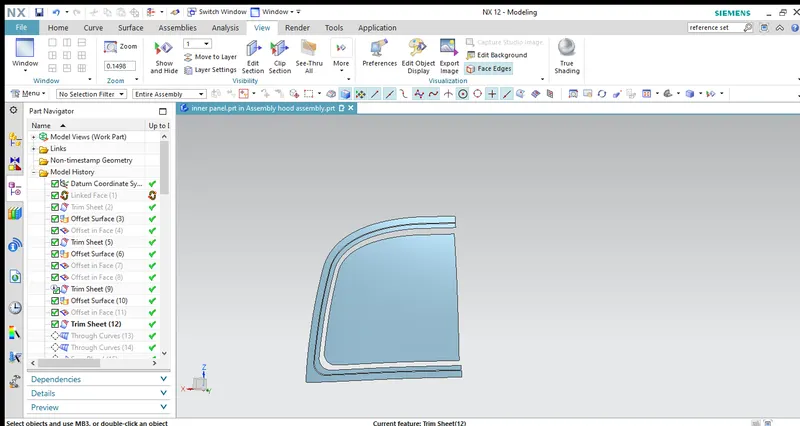
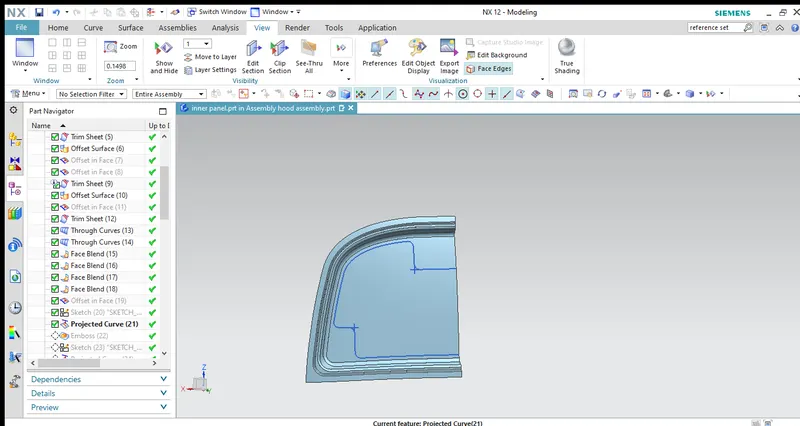
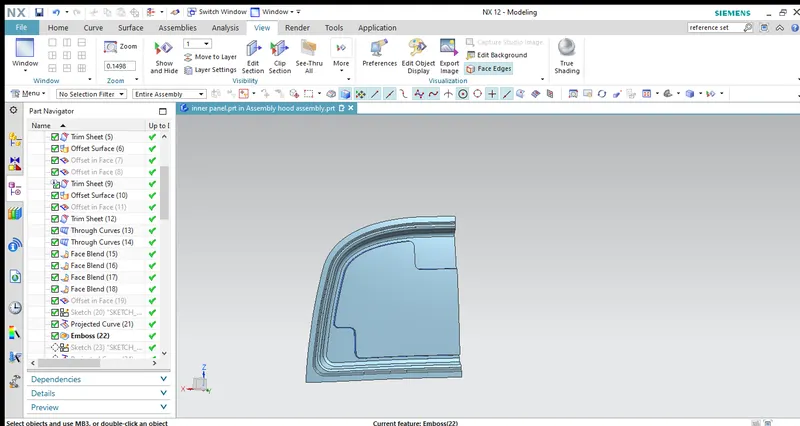
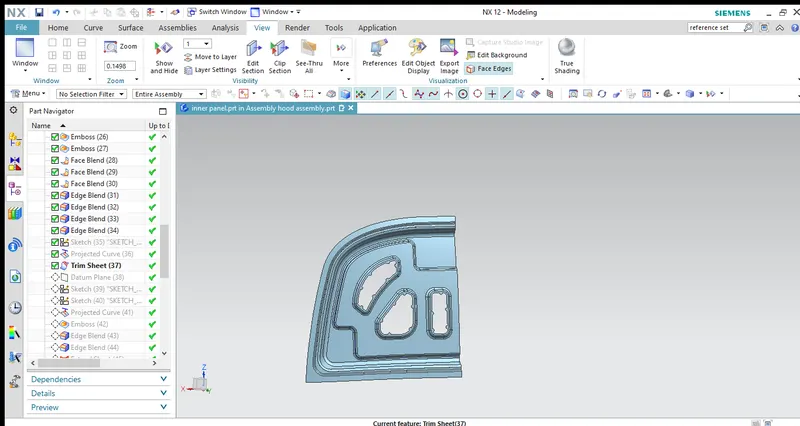
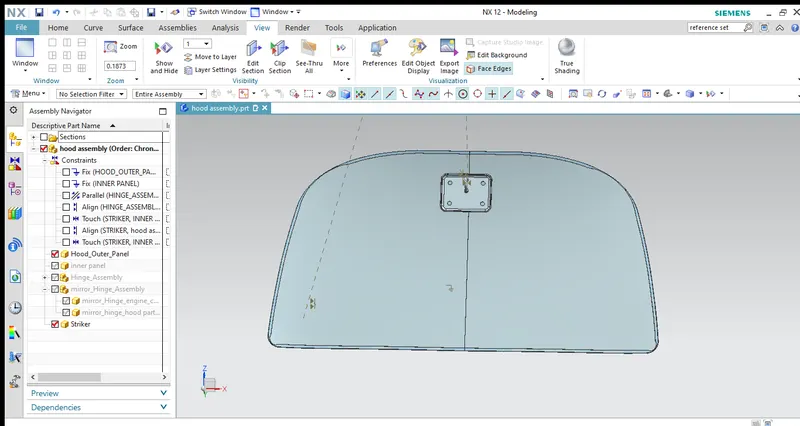
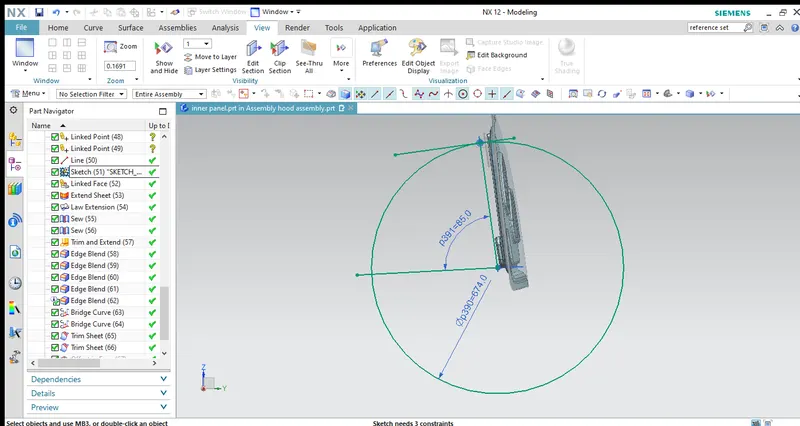
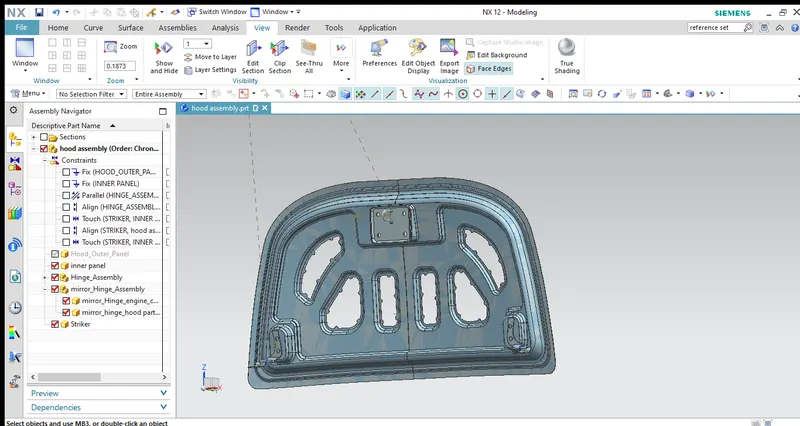
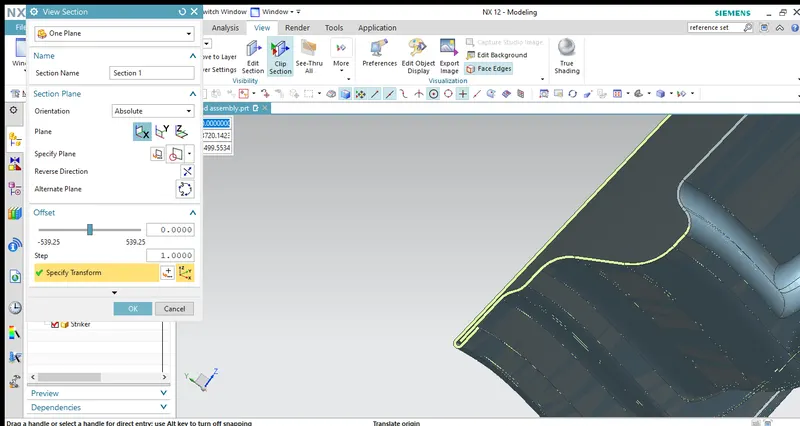
assembly hood compomnents:
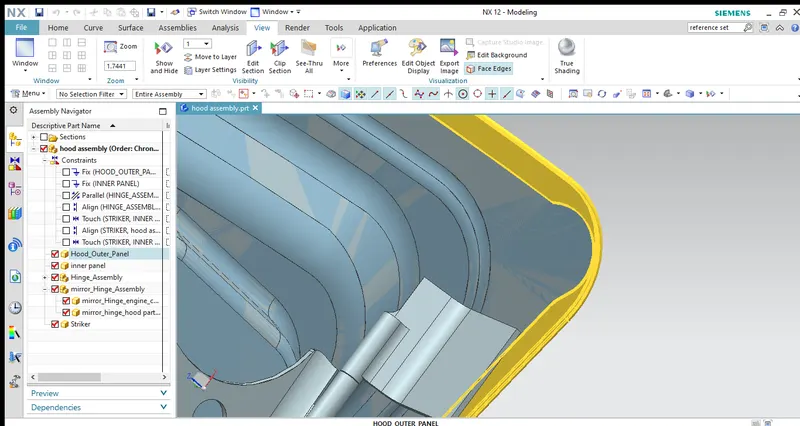
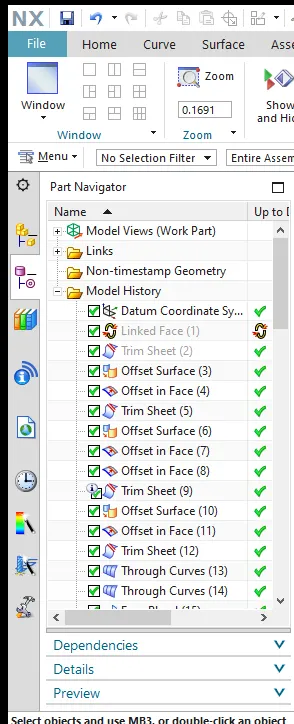
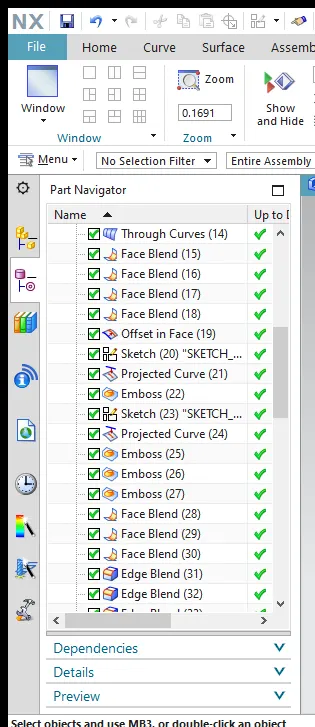
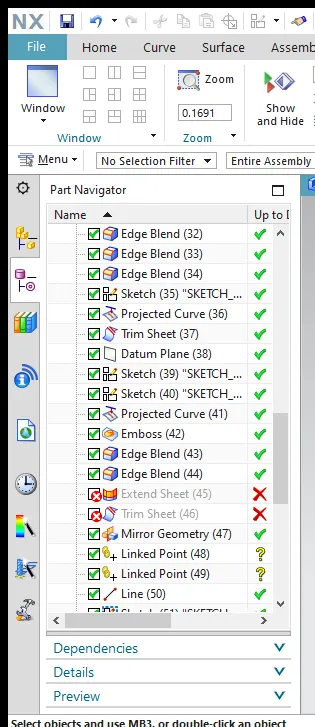
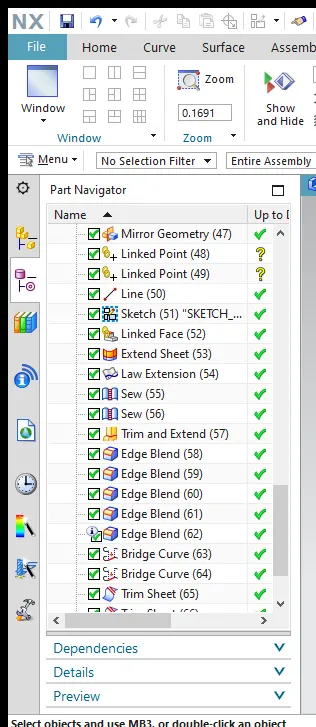
tree structures: