Underbody Coating
UNDER BODY COATING
AIM:
To create a report by explaining about Under Body Coating and also to explain about thier purpose and different types of Under Body Coatings.
OBJECTIVES:
- To Explain about Under Body Coating in detail.
- To Create a detailed report by explaining the purpose of Under Body Coating.
- To Explain in detail about different types.
- To Explain about Advantages and Disadvantages of Under Body Coatings.
INTRODUCTION:
UNDER BODY COATING:
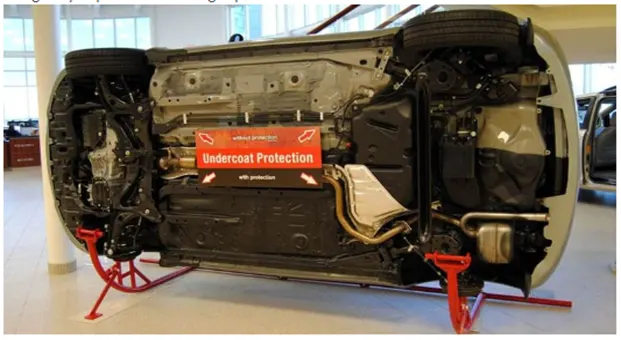
Underbody coating is a thick cladding (typically made of rubber) that is placed uniformly to the car’s underside. When the automobile is fresh off the lot and spotless, it is usually sprayed or painted on. But it’s acceptable if apply the undercoating after a couple of years. This is because it might protect the undercarriage from additional harm.
PURPOSE OF UNDER BODY COATING:
Underbody coating provides long term protection from corrosion to car's underbody. It also protects parts like internal body panels, frame rails and other inner cavities that are not physically accessible but are prone to corrosion.
Cars need to be given additional care especially during monsoon seasons and South India’s monsoon season just being around the corner, the car’s underbody should be given extra care. A car’s underbody is exposed the most to muddy terrains, potholes, debris and stones, and wet and even flooded roads that lead to corrosion of the underbody. Since the underbody is hard for us to inspect by ourselves, it is important to have an underbody coating in order to ensure your car is protected during these times.
A LIST OF REASONS WHY SHOULD GET UNDERBODY COATING:
(1). PROTECTION AGANIST CORROSION:
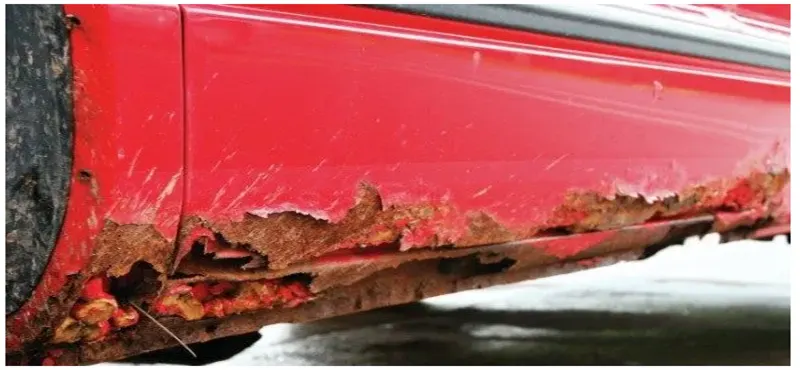
The main reason for getting an underbody coating is to prevent rusting and corrosion. This is not only required during the monsoon season but also in hot and humid climatic conditions. The coating is also a must if you tend to live in coastal regions where the humidity in these areas speeds up the process of corrosion.
(2). PROTECTION OF CAR COMPONENTS:
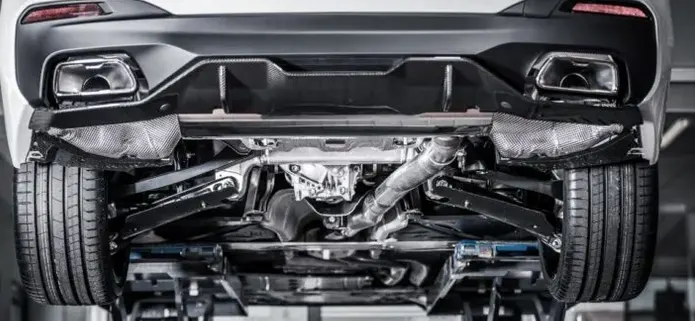
The car underneath holds vital components like the silencer, engine, and numerous other wires and small engine components for different purposes in the car. The car’s underneath cannot simply be led to corrosion and further damage due to the car being driven during any weather condition. To avoid further major issues, the antirust coating is a must for the underbody.
(3). REDUCES NVH (NOISE VIBRATION HARSHNESS) LEVELS:
All roads are not in smooth enough and are filled with potholes, stones, debris, and uneven road levelling, the underbody coating prevents and absorbs all noise created by the contact of the surface of the road and the car by minimising this.
(4). CAR UNDERBODY COATING PREVENTS PAINT FROM CHIPPING:
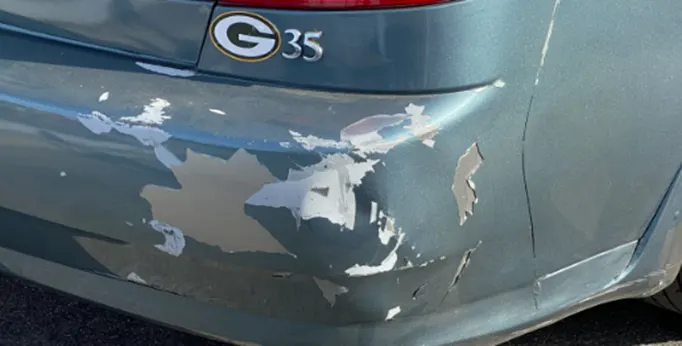
When car travels at high speed on a highway, the small stones and debris hit car’s underbody in this process and may lead to chipping of the underbody paint. Hence, it is advisable to have a thick layer of underbody coating to prevent paint from chipping.
TYPES OF UNDER BODY COATINGS:
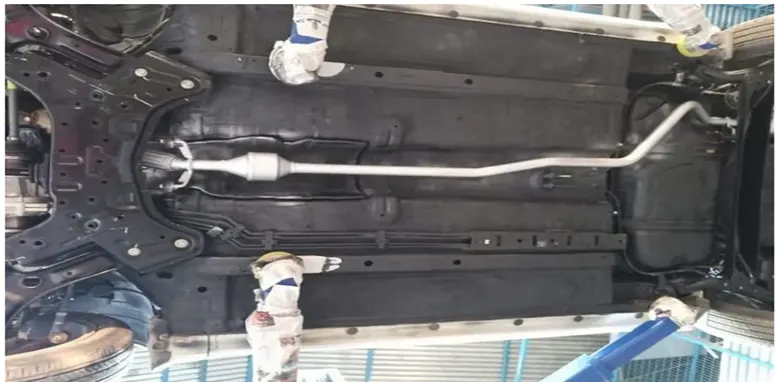
(1). RUBBERIZED UNDER BODY COATING:
This is widely considered to be the best underbody coating for car. It protects the underbody from scratches and keeps it properly. It’s also not difficult to apply this to the undercarriage. Rubberized coating is ideal if you want to keep the road noise to a minimum and rust and corrosion away.
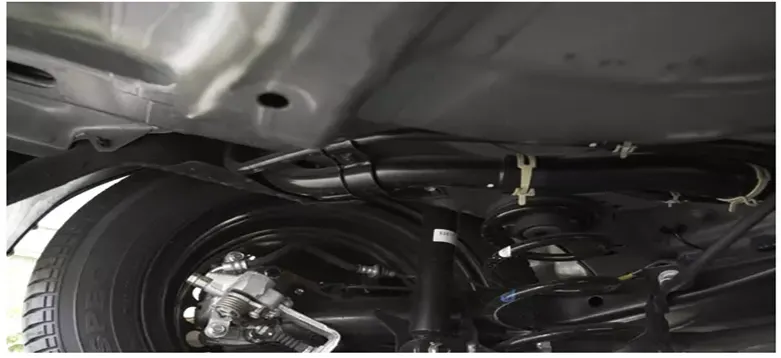
(2). WAX BASED UNDERBODY COATING:
This transitory undercoating will, on the whole, fade away after a few months. On the plus side, wax-based undercoating is resistant to dampness. It is also the most cost-effective alternative.
(3). ASPHALT BASED AUTOMOTIVE UNDERBODY COATING:
Asphalt-based coatings, on the other hand, incorporate a small quantity of rubber for sound insulation. The application of this coating, however, takes some time. Suitable for lorries, trucks, and other heavy vehicles. In comparison to rubber-based coatings, this gives a higher level of protection.
(4). POLYURETHANE UNDERBODY COATING:
This covering seals breaks and fractures in the vehicle’s underbody. It provides strong corrosion resistance and also binds to the metal. Unlike an asphalt-based coating, the polyurethane coating may be painted over.
ADVANTAGES OF UNDER BODY COATINGS:
- Absorbs Noise - Very strong undercoating, realize it or not, can attenuate noises that enter the cabin. The undercoating, which is frequently made of rubber, absorbs part of the rackets. The car’s occupants could avoid the road sounds — at least to some extent. So if you want a quite ride and pleasant experience it is always a good idea to consider getting an underbody coating.
- Reinforcements - If automobile already has an underbody covering, applying another one on top of it will not harm it. It will provide further protection for the underbody from water, road debris, gravel, and tiny stones. The factory coat would also have a lower risk of flaking away.
- Prolong Car Life - A good undercoat protects not just the underbody from corrosion, but also the engine and gearbox! Less corrosion combined with slower wear and tear can extend the life of your car by many years. On the undercarriage, there would be fewer dents, dings, and scratches to worry about.
- Fights Rust - It has a crucial function in preventing corrosion. Underbody coating is particularly useful, where there is excessive humidity and rust is a common occurrence. During the monsoon season, cars are at high risk of getting corrosion. If you want to extend your car’s life you should get an underbody coating.
DISADVANTAGES OF UNDERBODY COATINGS:
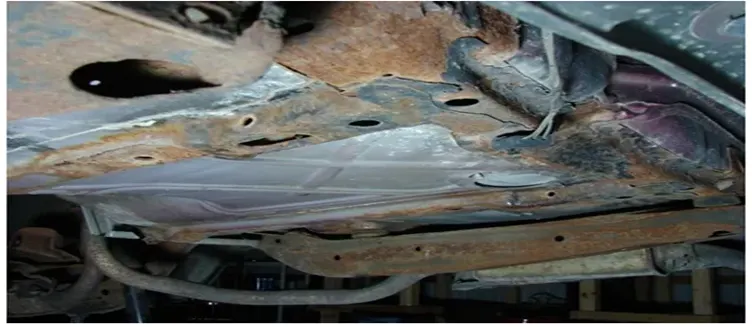
- Undercoating will work best on new vehicles that have not been exposed to road conditions. A used vehicle may already have residue on the bottom of the car or even have spots of rust and corrosion.
- Undercoating will not help you if corrosion already exists and the corrosion needs to be removed first before it can be applied, which can be expensive.
- Oil-based Rustproofing must be reapplied every year for the best results. The only way for an undercoating to provide ongoing protection for your vehicle is to have the service repeated frequently.
- The length of time undercoating remains effective is dependent on the environment it is exposed to and the use.
CONCLUSIONS:
- The Explaation about Under Body Coating are explained in detailed.
- The purpose of Under Body Coating are elaborated.
- The different types of underbody coatings are explained.
- The Advantages and Disadvantages of Under Body Coatings are explained in deatiled.