Underbody Coating
UNDER-BODY COATING:
A car's underbody is more susceptible to rust on Indian roads. The underbody of an automobile is long-term protected against corrosion by underbody coating. It also safeguards inaccessible yet vulnerable sections, including interior body panels, frame rails, and other inner cavities.
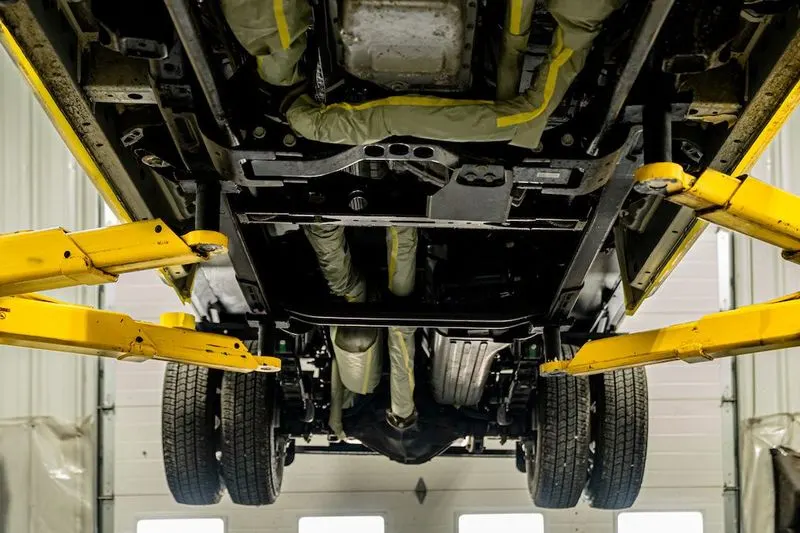
- Undercoating is typically a thick, dark liquid that is sprayed over the car's bottom or underbelly to guard the metal from corrosion and rust.
- Since it absorbs most of the moisture, dirt and other chemicals that motor vehicle comes into contact with on the road, it is most frequently utilised on vehicles that are operated in wet or salty locations.
Purpose of Underbody Coating:
Fights rust: The under body-coating treatment is designed to provide long-term protection from rust to the under chassis.
Minimizes Sound: It minimizes the sound from underneath the car resulting a noiseless, smooth driving experience.
Prolong car's life: The lifespan of your car can undoubtedly be extended by years if there is less rusting and slower wear and tear.
Heat Insulation: It protects the interior of the vehicle from incredibly hot or cold temperatures coming from underneath, giving passengers a comfortable ride.
Anti-chipping property: The covering prevents stone impact from chipping away and exposing the underbody to water.
Types of undercoating:
1.Wax or Paraffin based Underbody Coating:
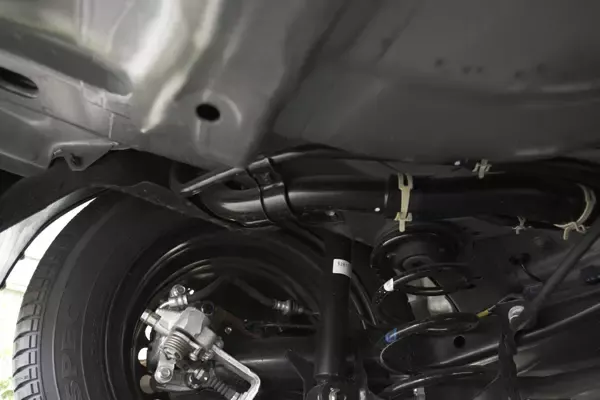
It is the undercarriage coating of choice for vehicles that frequently travel on highways and other public roadways. It offers enough defence for cars in moderately wet areas and is occasionally referred to as wax-based undercoating.
Pros:
- Readily flows into seams to guarantee any exposed and prone surfaces are protected.
- The most inexpensive undercoating option.
- Conveniently available in spray guy canisters or aerosol cans.
Cons:
- Wears off quicker in comparison to other types
- Unlike the rubberized type, it does not really dry
- Needs to be stripped and reapplied at least once a year as soon as signs of wear and tear start to show
2.Rubberized Underbody Coating:
This undercarriage coating involves applying a rubber agent to the underbelly to protect and cushion it against dents, dust, and moisture.Applying rubberized underbody coating is a convenient process.
Pros:
- Quickly applied with no fuss.
- Truly dries to a soft rubbery finish that prevents further rust, damage.
3.Polyurethane Underbody Coating:
Underbody covering made of polyurethane guards against fractures and cracks on the vehicle's lower surface. After applying a polyurethane-based underbody covering, paint can be applied immediately.
Pros:
- It has a long lifespan and is resistant to wear and tear
- Quick and simple to remove, as it sands easily
- Dislodges salt, moisture, and oozing around rusty areas to bond with and protect unoxidised metal
Cons:
- For better adherence, needs undercarriage preparation before application
- Requires time-consuming etching with primer to bare metals
4. Asphalt based Underbody Coating:
This type of undercoating is constructed of asphalt and typically also contains some rubberized material that sets up securely and assists in reducing engine noise, unlike the rubberized, wax/paraffin-based, and Polyutherane undercoatings. According to reports, it is the most damage-resistant. Asphalt-based undercoating will assist shield the car, truck, motorcycle, and heavy machinery from the weather even though it is perfect for trucks, military, and all-terrain vehicles.
Pros:
- To protect from dirt, rust, and corrosion, it normally has a shelf life of up to two years.
- Provides extra durability as it is the strongest and thickest undercoating available.
Cons:
- It takes time to harden and so requires more cure time than the other three types.
- For best used only for the undercarriages of utility vehicles and trucks.