Hood design-Week 2
Aim:
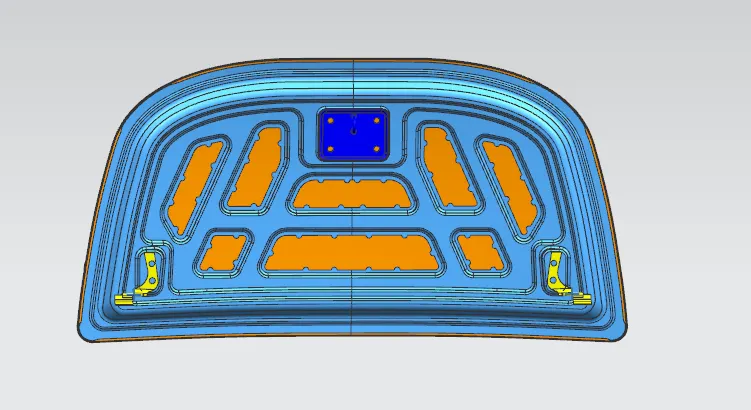
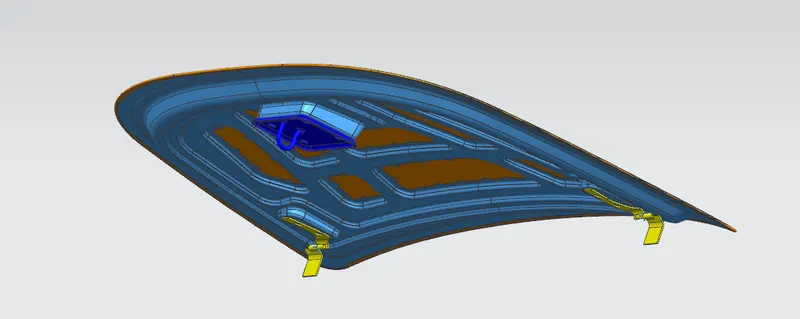
Our main objective of this challenge is to create and assemble the inner and outer panel of hood and fixed reinforcement of hood by following design rules and master section.
INTRODUCTION:
Hood:
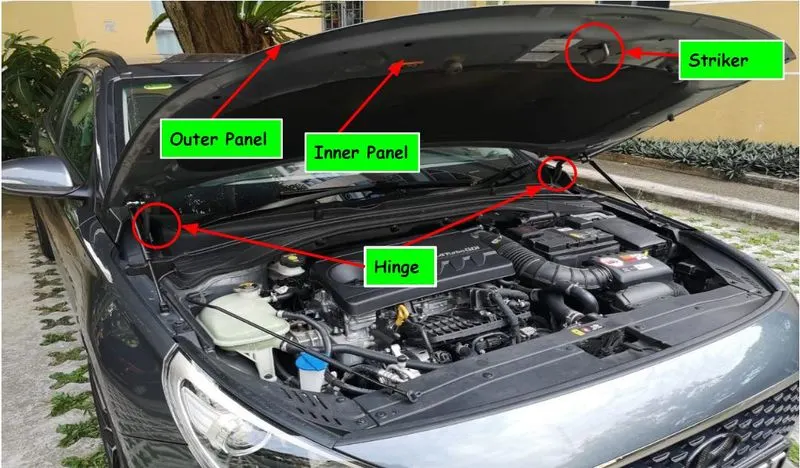
Hood is also called as bonnet. It is one of the BIW part of car. It consists of inner and outer panel. Hinge system and striker.The inner panel provides strength, while the outer panel is just a metal cover. The underside of the hood is often covered with a sound-absorbing material.
Hinge gives rotation to the hood. It is rotating in one axis. Two hinges fixed in two corner side of hood. Striker locks the hood with main body. Hood main purpose is which covert the engine component of car. It is designed by open and closing system because of maintaining the engine parts and services and other purpose.
Hoods are typically made out of the same material as the rest of the bodywork. This may include steel, aluminium, carbon fiber. However, some aftermarket companies produce replacements for steel hoods in fiberglass or carbon fiber to make the vehicle lighter.
Design considerations:
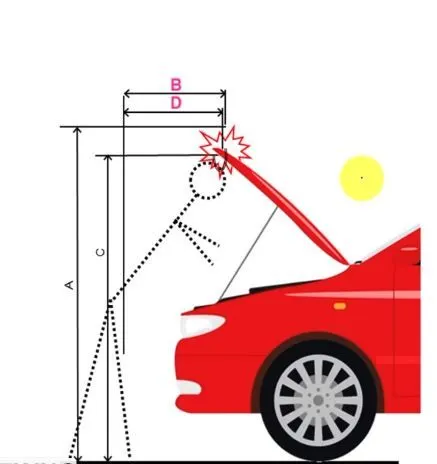
The human comfort factor for automobile design is first consideration. It is a method to safeguard and protect space for the human user and necessary components that make up the vehicle being designed. All safety regulations are ensured during this process. Ergonomical consideration consist of Hood clearance, Hood Opening angle and location of support rod or gas stay.
Hood opening angle is different for different regions or countries. It is decided by the average height of the human in that particular country.
PEDESTRAIN SAFETY :
Safety is most important criteria for designer to create the automobile parts who should concentrate on both occupant safety and pedestrian safety. Pedestrian safety is very important because of lot of traffic and accidents. Mostly there is head injury in accident because of hood and ground. So, this is necessary to develop new inner and outer panel with stiffer and more pedestrian friendly. So, head impact analysis is done by different location with adults and children hight. In hood design mostly focused and worked for this factor. Then hood design also compared with previous model and check stiffness and other factors. This stiffness also compared with global stiffness and finalized the new design of hood. And also, analysis the probability of impact in different parts of adults like lower leg and upper leg.
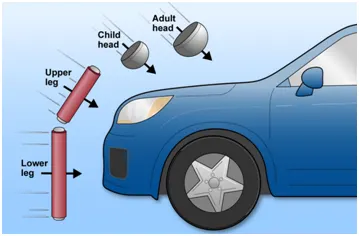
Evaluation of pedestrian safety for a bonnet must be carried out in the context of its surrounding elements like Vehicle styling, size (wrap around distance “WAD”) and under bonnet clearance to other elements (considered as hard points). Local bonnet stiffness is influenced by mounting point stiffness such as hinges, bump stops and latches. This is better understood by superimposing the kinematics of a dummy onto the test conditions.
Wrap Around Distance (WAD) :- It is the geometrically traced distance from the contact point with the Ground Reference Plane, vertically below the front face of the bumper, to any point on the vehicle front structure.
Side Reference line :- The geometric trace of the highest points of contact between a straight edge, held parallel to the lateral vertical plane of the vehicle and inclined 45 deg. is traversed down the side of the front structure, and the side of the front structure.
Child Head Impact Zone :- 1000 WAD to 1500 WAD
Adult Head Impact Zone :- 1500 WAD to 2100 WAD
COMPONENTS OF HOOD:
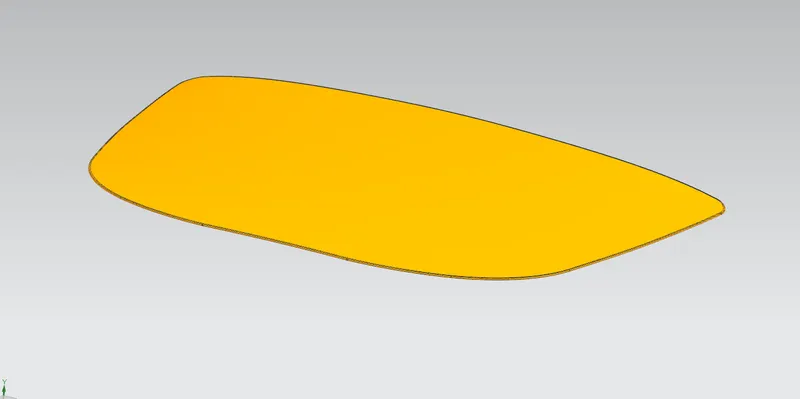
1. Hood Outer panel:
The outer panel is the part that is at the uppermost layer. The hood must be designed in such a way that it ensures the safety of pedestrians along with the person inside the cabin. It is actually called the skin of hood.
2. Hood inner panel:
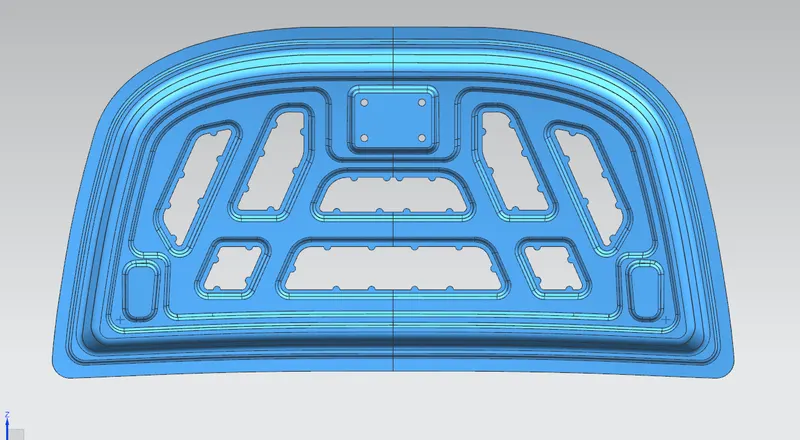
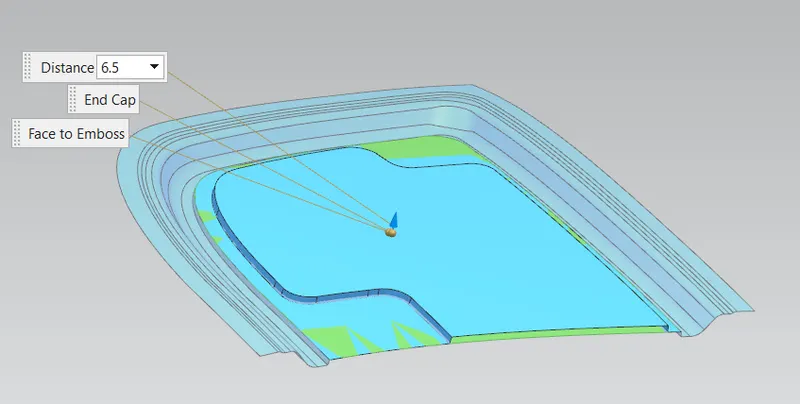
The inner panel gives rigidity and strength to the outer panel with its embossing shapes dissipates the force in different directions when the vehicle takes crashes to not to injure the men in the car .We provide spaces for mastic sealants as other joining techniques might spoil the look of the panel. We provide respective embosses for the striker and the hinge assembly.
3.Latch & Striker:
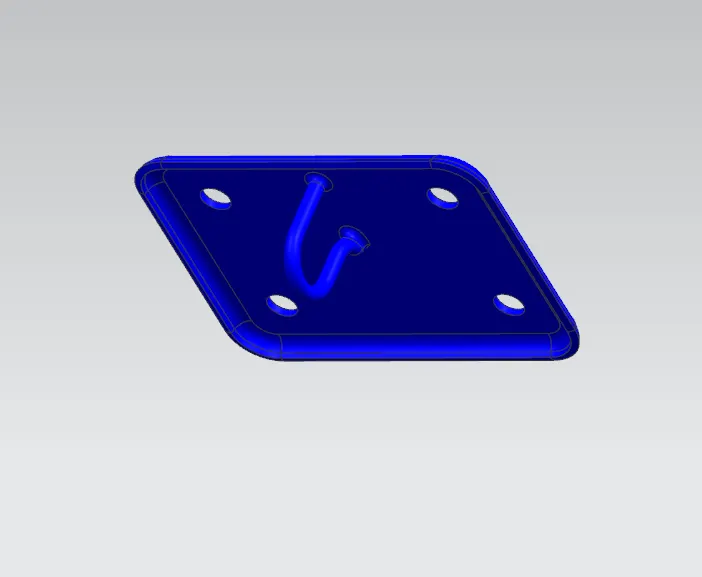
This system is the attachment of hood assembly and vehicle body. The hood latch system must be able to catch the striker of the hood upon closing and instantaneously, as well as automatically, lock. Once in the locked state, it must remain locked and only unlock upon the operator’s control.
4.Hinge assembly:
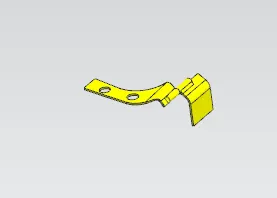
This hinge was placed on the hood inner panel to give rollover action to tilt up or tilt down the hood.
5.Support rod:
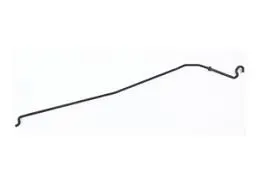
When the hood is open, it supports or retains the hood in position. The rod has one end that is fastened to an interior engine component assembly and one that is free. Take a support rod by hand and support the hood when it is opened. Not in a straight rod, though. To increase stiffness and strength, it contains some bends. Support rods are often mounted on the engine's opposite side to avoid disturbance while managing the battery.
6.Gas stay:
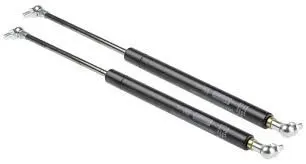
It is uses to ifting and supporting the hood.It has rod type of arrangement and It is mostly used in high weight bonnets. The price is high. So, this type of arrangement is mostly fixed in high budget cars.
Latch Trajectory :
A latch or catch (called sneck in Northern England and Scotland) is a type of mechanical fastener that joins two (or more) objects or surfaces while allowing for their regular separation. A latch typically engages another piece of hardware on the other mounting surface.
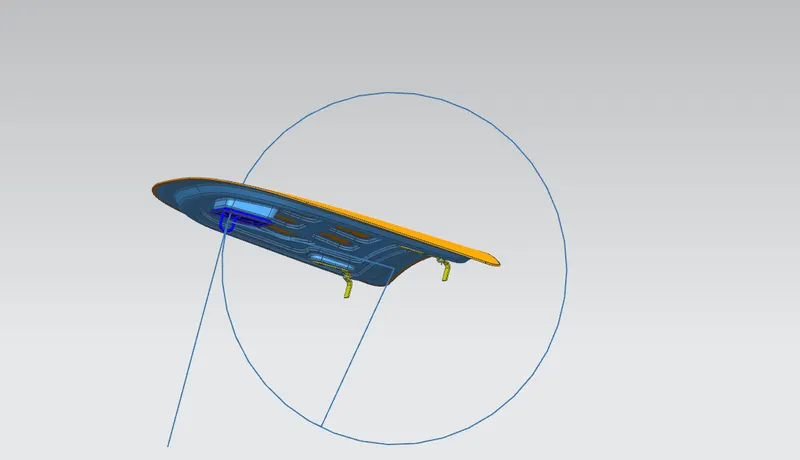
Latch trajectory is given by the circle drawn from the hinge axis point. Hinge axis point is the centre point of the hinge axis. First, we can fix either the latch or the hinge. If we have fixed the hinge position then we should plot the Trajectory circle for the latch. For proper mating condition the striker axis through the tip of the striker should be tangential to the latch trajectory.
HEMMING:
Hemming is a forming operation in which the edges of the sheet are folded or folded over another part in order to achieve a tight fit. Normally hemming operations are used to connect parts together, to improve the appearance of a part and to reinforce part edges.
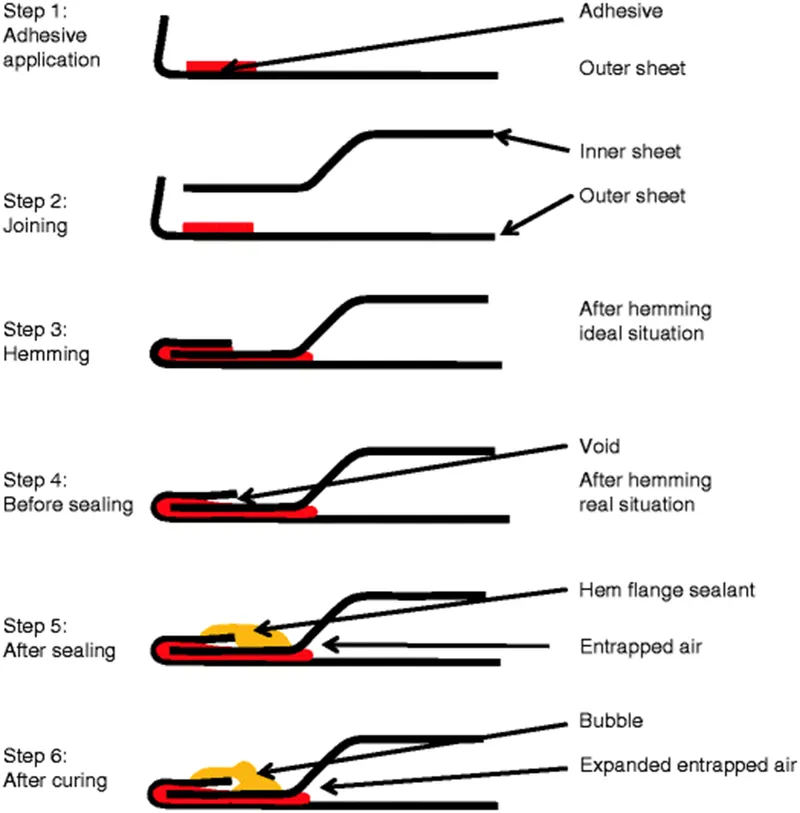
In car part production, hemming is used in assembly as a secondary operation after deep drawing, trimming and flanging operations to join two sheet metal parts (outer and inner) together.
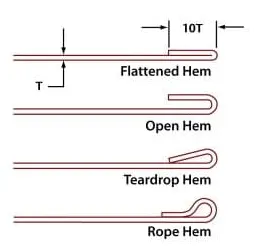
Types of hemming:
- Flattened/closed hemming
- Open hemming
- Tear drop hemming
- Rolled/rope hemming
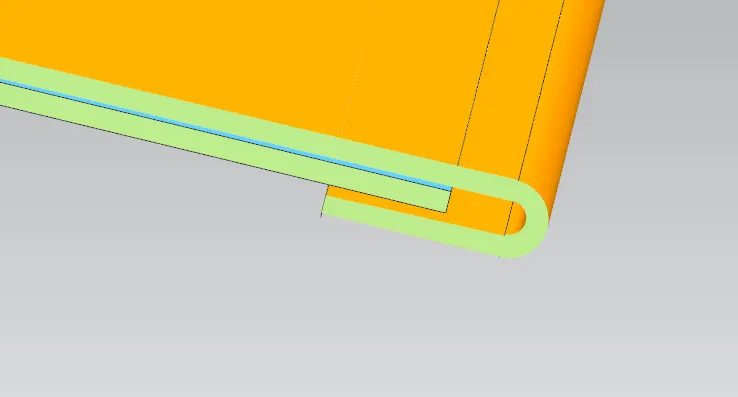
(Open Hemming)
Mastic Sealant Data :
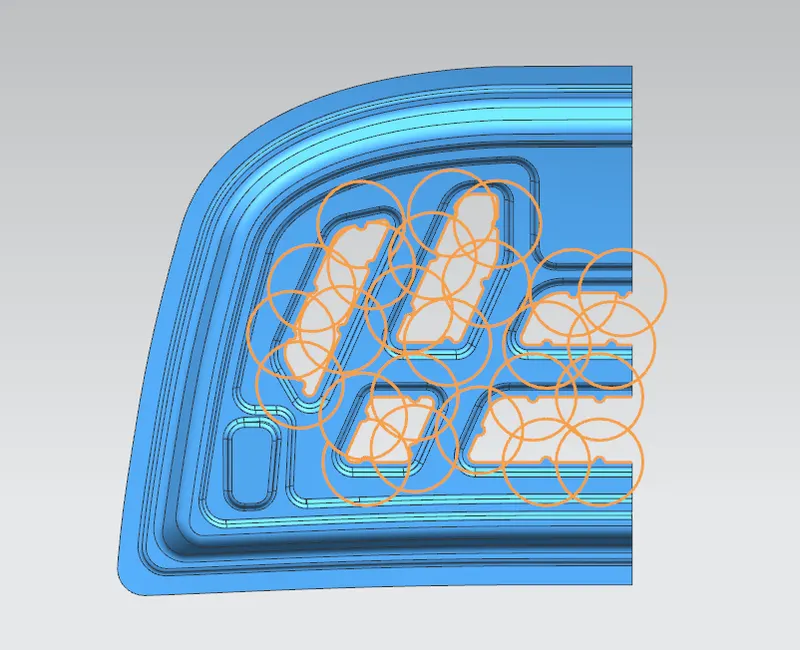
Hood commonly possess large surface area and hemming can only be provided through its boundary. We cannot use other joining techniques like welding, riveting etc because they leave marks on the outer panel which spoil its aesthetic appearance. So, mastic sealants are used to stick the inner surfaces of outer panel and inner panel. Mastic sealants are elastic compound that behave like rubber. It is applied between the inner and outer panels at specified spots. Each spot of mastic sealants has its effect around a circular region of 80mm diameter and inner panel & outer panel should have minimum 5mm gap between them.Thus, the mastic points are arranged in such a way that it covers the areas away from the hemming which are more vulnerable to vibrate.
Reinforcement:
Reinforcement are provided mainly in hinge and latch region. When hinge and latch assemblies are attached to inner panel, strength of that area reduces locally so we add some additional material to increase the strength of the area locally. Thickness of reinforcement material is provided according to the design requirements. In this project, 1.5mm thickness has been given to both latch and hinge reinforcement.
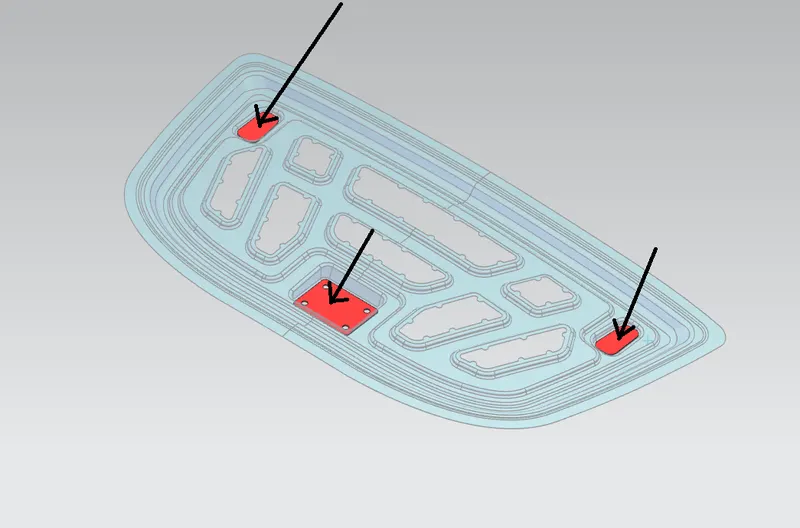
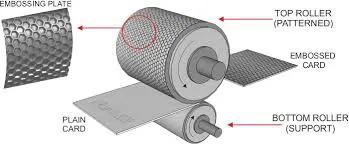
Embossing :
It is one of the forming processes which is used to form raised, sunken and relief design. In this process male and female rollers are passed on both sides and give desired patten. This design is fully depended on the dies of the male and female rollers. There is no thickness reducing in this process.
MANUFACTURING PROCESS:
Deep drawing method is widely used to sheet metal forming process.
DEEP DRAWING
It is one of the forming processes in which process combination of tensile and compressive pressure is given to change flat sheet into hollow body open on one side or a hollow body is formed into a hollow body with a smaller cross-section.
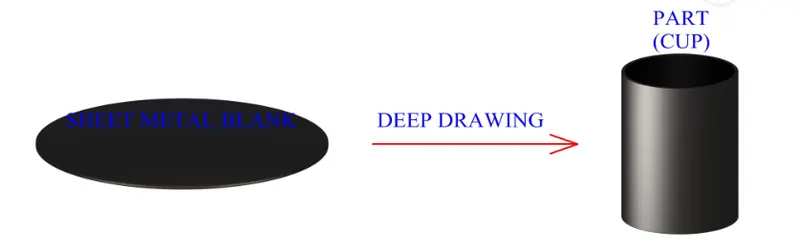
It is basically classified into three types depend on load application.
- Deep drawing with tools
- Deep drawing with active means
- Deep drawing with active energy
Process of deep drawing:
- With a punch and die, deep drawing of sheet metal is accomplished
- The punch is the desired shape of the base of the part, once drawn. The die cavity matches the punch and is a little wider to allow for its passage, as well as clearance.
- The sheet metal work piece, called a blank, is placed over the die opening. A blankholder, that surrounds the punch, applies pressure to the entire surface of the blank, (except the area under the punch), holding the sheet metal work flat against the die.
- The punch travels towards the blank. After contacting the work, the punch forces the sheet metal into the die cavity, forming its shape.
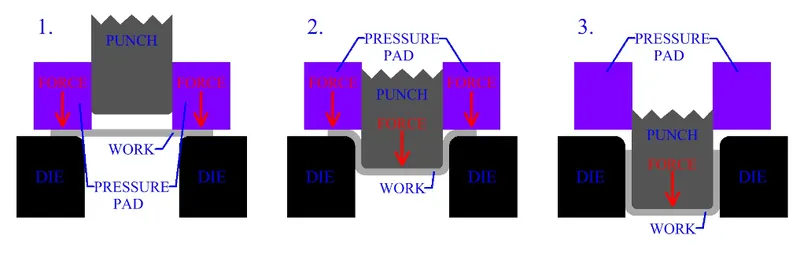
Force distribution
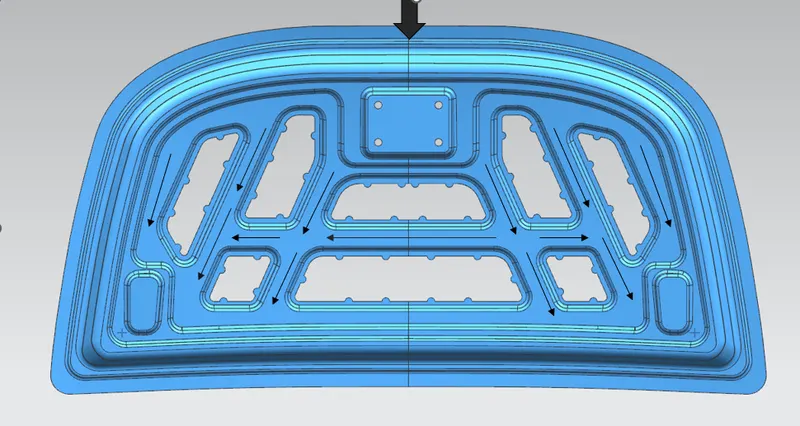
Final Assembly: