Underbody Coating
Underbody Coating:
Underbody coating is a thick resilient coating which will apply to the underbody of the automobile to protect from rusting and damage cause by different climate conditions, water, chemicals, potholed roads and small stones which are rapidly chip the metal away. Underbody coating is also called as Underseal. It will provide long term protection from corrosion to the underbody of the vehicle.
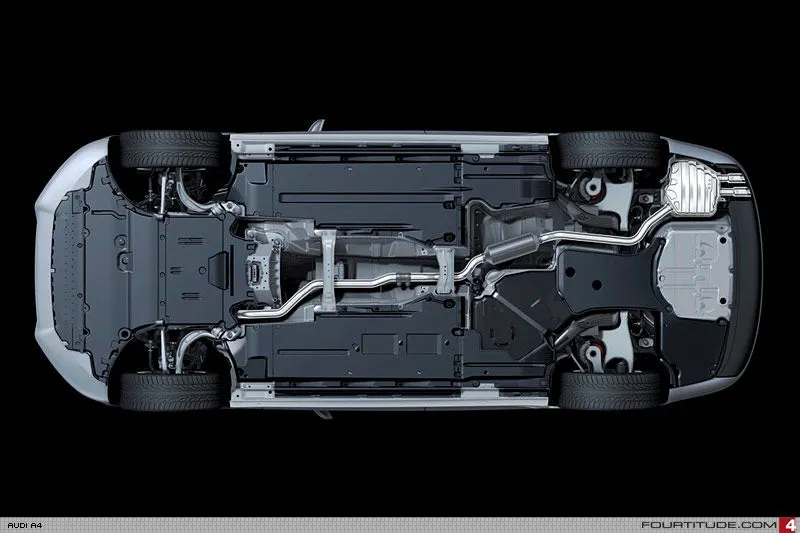
Underbody coating and rust protection often go hand-in-hand, but they are actually two different things, Rust proction generally goes inside the vehicle, while underbody coating is used for protection outside of the vehicle and there are a variety of coating available. Depending on the level of damage and how much protection needed for vehicle will determine which type of automotive underbody coating have to choose.
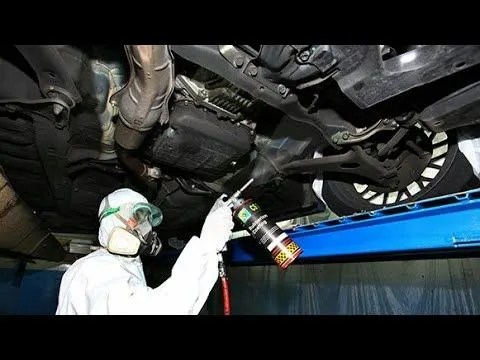
Different types of vehicle underbody coating:
- Rubberized Underbody coating: Rubberized underbody coating for vehicle is easy to apply and offers sound-cushioning as well as protection from dust, moisture and stones. It is also safe to use on wheel wells and quater panels and dries to a soft rubbery finish that prevents further rust, damage or moisture seeps. Generally rubberized underbody coating is the best option for protecting vehicle's underbody.
- Wax or Paraffin based Underbody coating: Paraffin based underbody coating will be the cheapest and quickest option available to protect the underbody of the vehicle. But it will wear off quickly than other types of undercoating and need to strippes and reapplied at least once every year. This type usually available in a spary gun canister or in an aerosol can that offers a base protection in moderately humid climates.
- Polyurethane Underbody coating: Polyurethane underbody coating will come in canister ready to preload into an application gun. This type of sealent works by seeping into all cracks and seams, displacing salt and moisture and oozing around rusty areas to bond with and protect unoxidized metal. This type of underbody coating is a little bit quicker and easier to apply.
- Asphalt based Underbody coating: Asphalt based underbody coating generally contains a little bit of rubberized material that sets up frimly and also helps soften noise. For large trucks and heavy vehicles, asphalt based underbody coating provides a bit more extra durability against rocks, chips and moisture. This type of underbody coating needs more cure time than other types and it is not paintable.
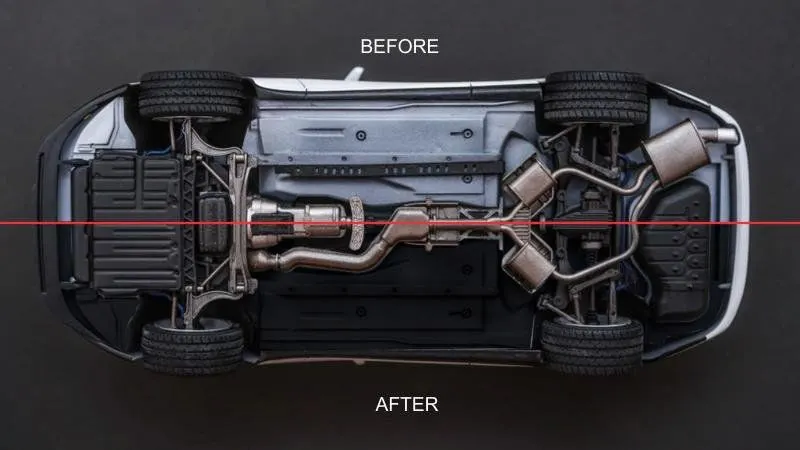
Pros of Underbody coating:
- It provides a layer of protection against rusting.
- It prevents the metal from being chipped away by stones.
- It will extend the life of vehicle.
- It helps to reduce noise.
- It insulates the interior of the vehicle from extreme temperature.
Cons of Underbody coating:
- It is less helpfull for already corroded area.
- It is costly.
- It adds weight to the vehicle.
- It must be reapplied every 3 to 5 years for better protection.