Underbody Coating
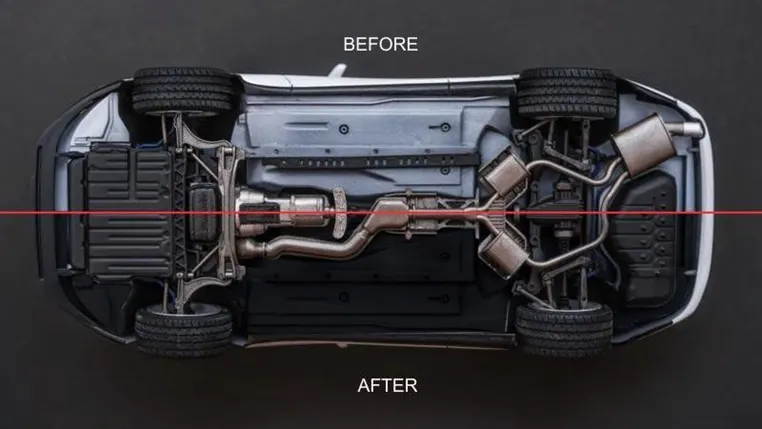
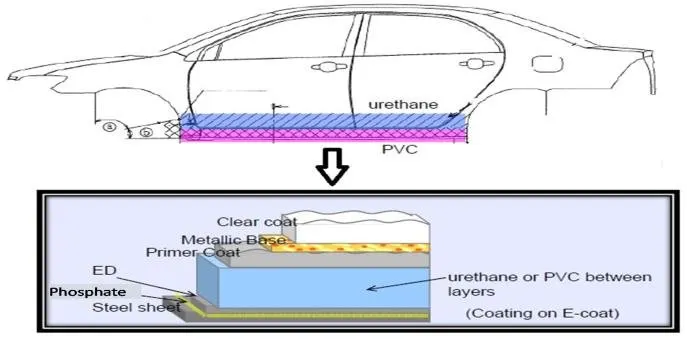
UNDERBODY COATING:
- Underbody coating is usually a dense cladding (often based on rubber) applied uniformly to the undercarriage of the automobile. It is normally sprayed or painted on when the car is just out of the dealership and is clean. But even if you are getting the undercoating applied after a couple of years, it’s fine too. This is because it can prevent further damage to the undercarriage.
- The main purpose of undercoating is to check rust especially in the body components like frame rails along with other exposed metal parts. Underbody coating can also reduce wear and tear.
- In Indian road conditions, a cars underbody is most prone to corrosion. Underbody coating provides long term protection from corrosion to car’s underbody. It also protects parts like internal body panels, frame rails and other inner cavities that are not physically accessible but are prone to corrosion.
TYPES OF COATING
-
Rubberized Underbody Coating
-
Wax Based Underbody Coating
-
Asphalt Based Automotive Undercoating
-
Polyurethane Underbody Coating
Advantages
• Minimizes Sound: It minimizes the sound from underneath the car resulting a noiseless, smooth driving experience.
• Heat Insulation: It insulates the interior of the car from extreme temperatures from beneath the vehicle providing a comfortable cabin experience.
• Anti-chipping property: If any stone hits the coating it does not get chipped away hence protects the underbody from exposure to water.
DISADVANTAGES
- A used vehicle may already have residue on the bottom of the car or even have spots of rust and corrosion, underbody corrosion not help
(REFERENCE: WWW.GOOGLE.COM)