Underbody Coating
UNDERCOATING |
Underbody coatings are those which are used to prevent car bodies against rust & corrosion. This underbody coating helps in protection from dust and moisture also some other factors such as poor road conditions, rocks getting thrown from tires and denting the metal and salt from water during monsoon which plays an important role in damaging the underbelly of a car.
Seals on the underbelly parts have gotten a lot tighter and more effective at keeping out dust and moisture, but there are other factors to consider. Poor roads, rocks getting thrown from the tires and denting the metal, and corrosion from road salt in the winter all play a huge part in the damage or decay of a vehicle's underbelly. Used vehicles especially will need a little underbelly protection -- while it's already been exposed to contaminants and rust, applying undercoating will prevent further damage.
Types of Undercoating |
Rubberized Underbody Coating
This is widely considered to be the best underbody coating for your car. It protects the underbody from scratches and keeps it properly. It’s also not difficult to apply this to the undercarriage. This can be done at the authorized service center or by the local repair shop at a reasonable price. Rubberized coating is ideal if you want to keep the road noise to a minimum and rust and corrosion away.
Wax Based Underbody Coating
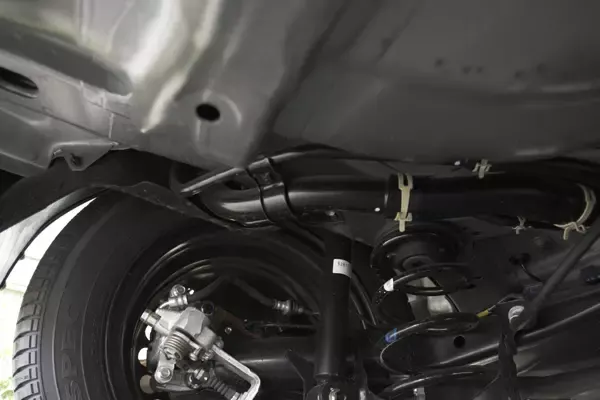
This transitory undercoating will, on the whole, fade away after a few months. On the plus side, wax-based undercoating is resistant to dampness. It is also the most cost-effective alternative.
Asphalt Based Automotive Undercoating
Suitable for lorries, trucks, and other heavy vehicles. In comparison to rubber-based coatings, this gives a higher level of protection. Asphalt-based coatings, on the other hand, incorporate a small quantity of rubber for sound insulation. The application of this coating, however, takes some time.
Polyurethane Underbody Coating
This covering seals breaks and fractures in the vehicle’s underbody. It provides strong corrosion resistance and also binds to the metal. Unlike an asphalt-based coating, the polyurethane coating may be painted over.
Advantages of Undercoating |
Fights Rust
It has a crucial function in preventing corrosion. Underbody coating is particularly useful if you live near the sea, where there is excessive humidity and rust is a common occurrence. If you live somewhere where it snows in the winter, you should seriously consider undercoating. During the monsoon season, cars are at high risk of getting corrosion. If you want to extend your car’s life you should get an underbody coating.
Absorbs Noise
Very strong undercoating, realize it or not, can attenuate noises that enter the cabin. The undercoating, which is frequently made of rubber, absorbs part of the rackets. The car’s occupants could avoid the road sounds — at least to some extent. So if you want a quite ride and pleasant experience it is always a good idea to consider getting an underbody coating
Reinforcement
If your automobile already has an underbody covering, applying another one on top of it will not harm it. It will provide further protection for the underbody from water, road debris, gravel, and tiny stones. The factory coat would also have a lower risk of flaking away.
Prolong Car’s Life
A good undercoat protects not just the underbody from corrosion, but also the engine and gearbox! Less corrosion combined with slower wear and tear can extend the life of your car by many years. On the undercarriage, there would be fewer dents, dings, and scratches to worry about.
So here you have it guys. What is underbody coating and what is everything you need to know about it? Did we miss anything? Let us know in the comment section below.
Disadvantages of Undercoating |
Nothing comes for free in this world. The same goes for undercoating. The undercoating or rustproofing spray is heavy in pockets. However, it is nothing when you compare it with the cost of replacing a vehicle after corrosion.