Underbody Coating
Underbody Coating:
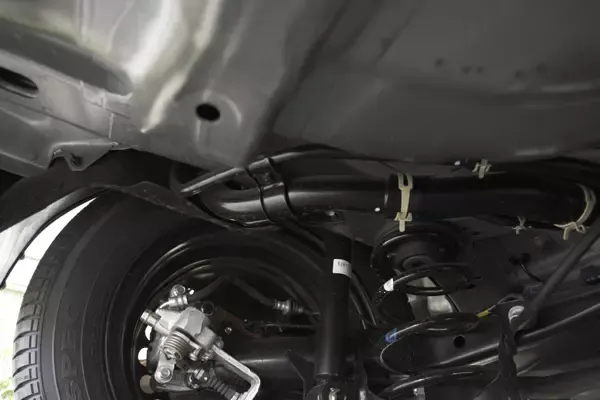
In Indian road conditions, a cars underbody is most prone to corrosion. Underbody coating provides long term protection from corrosion to car’s underbody. It also protects parts like internal body panels, frame rails and other inner cavities that are not physically accessible but are prone to corrosion.
Purpose:
Protection against corrosion
The main reason for getting an underbody coating is to prevent rusting and corrosion. This is not only required during the monsoon season but also in hot and humid climatic conditions. The coating is also a must if you tend to live in coastal regions where the humidity in these areas speeds up the process of corrosion. This can be eliminated by asking your car service professional to apply a rubberised anti-rusting coat on your car’s underbelly.
Protection of vital car components
The car underneath holds vital components like the silencer, engine, and numerous other wires and small engine components for different purposes in the car. The car’s underneath cannot simply be led to corrosion and further damage due to the car being driven during any weather condition. To avoid further major issues, the antirust coating is a must for the underbody. This is again extremely important if you’re living in an all-year monsoon season or moderately high rainy regions as underbody coating is highly necessary for these situations.
Car’s resale value might be affected if not taken care of
Just ensuring your car looks outside and inside is not enough. One must take great care of the underbody as well as the resale value would be greatly affected due to high corrosion. It should not be left uncared for which would lead to permanent damage and huge loss and might not be taken for resale. Therefore, regular inspection of the car’s underbody must be carried out in order to retain the car’s value.
Reduces NVH(Noise Vibration Harshness) levels
Being in a country where not all roads are smooth enough and are filled with potholes, stones, debris, and uneven road levelling, the underbody coating prevents and absorbs all noise created by the contact of the surface of the road and the car by minimising this.
Car underbody coating prevents paint from chipping
When your car travels at high speed on a highway, the small stones and debris hit your car’s underbody in this process and may lead to chipping of the underbody paint. Hence, it is advisable to have a thick layer of underbody coating to prevent paint from chipping.
Thus, you must get your car’s underbody coating done from time to time to ensure the above factors do not affect your car. Here at Pitstop, we offer underbody inspection and coating services hassle-free. We also highly recommend getting underbody coating not just for the monsoon season, but for any season throughout the year.
Types of Undercoating:
1) Rubberized Underbody Coating:
This is generally thought of as the best underbody coating for your car. It preserves the underbody well, protecting it from scratches. Applying this to the undercarriage is not much of a hassle either.
2) Wax Based Underbody Coating:
This – more or less – ephemeral undercoating will wear away in a few months’ time. On the upside, wax-based undercoating puts up a big fight against moisture. It is also the most affordable option out there.
3) Asphalt Based Automotive Undercoating:
Best suited for lorries, trucks and large vehicles this provides a greater degree of protection compared to rubber-based coatings. However, asphalt-based coatings contain little amounts of rubber for sound-insulation purposes. The process of applying this coating is a bit time-consuming though.
4) Polyurethane Underbody Coating:
This coating closes up splits and fractures on the underbody of the vehicle. It offers up good protection against corrosion and also bonds with the metal. Unlike in the case of asphalt-based coating, you can paint over the polyurethane coating.
Pros of undercoating:
- The obvious pros of undercoating are the protection it provides to the carriage of your vehicle.
- If you live in an area where salt and sand are used on the roadways in cold weather, these materials can be corrosive to your vehicle.
- Undercoating gives you an extra layer of protection against rust and corrosion, protecting your car.
- Undercoating will eventually wear out, but you can get years of protection from it.
- Even vehicles in warmer climates gain protection as debris is repelled and kept away from eating at the vehicle.
Cons of undercoating:
- Undercoating will work best on new vehicles that have not been exposed to road conditions.
- A used vehicle may already have residue on the bottom of the car or even have spots of rust and corrosion.
- Undercoating will not help you if corrosion already exists and the corrosion needs to be removed first before it can be applied, which can be expensive for you.
- Oil-based Rustproofing must be reapplied every year for the best results.