Underbody Coating
Under-Body Coating
Under-Body Coating is a process where a thick, dark liquid is sprayed over the car's bottom to shield the metal from corrosion and rust in general. Usually, his coating is done to prevent chipping damage of the automobile underbody and wheel well.The coating of the underbody and wheel wells of an automobile may peel off as a result of being stick by rocks and sand that are thrown up by the tires when the vehicle is driven, a phenomenon called chipping. The rocks and the sand striking the underbody also generate an impact sound, called splash noise.
Under-Body Coating is most typically applied to cars used in damp or salty locations since it absorbs most, dirt, salt, and other chemicals that are encountered on the road. Undercoating is normally applied as a liquid, sprayed or brushed on, and then left to dry. It protects the axle, engine, brake system, gearbox, exhaust and fuel systems, suspension components, gas tank, and floors. Undercoating may be applied to any car, truck, or SUV. The type of Under-Body Coating chosen is frequently decided by the amount of damage that a car has received and or the extent to which we have to preserve the car.
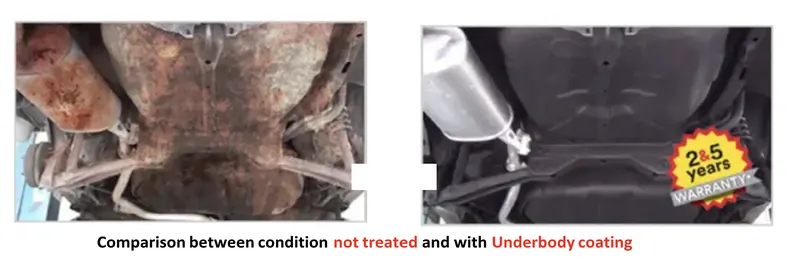
Purpose of applying Under-Body Coating
- Protects against rust and corrosion.
- Reduces NVH Levels
- Prevents paint chipping and scratches.
- Protects vital components - Works as Reinforcement
- Protecting its most exposed areas from moisture, dirt, salt and more.
- Working as insulation.
- Making your car smooth.
- It extends the lifespan of the car.
1. Wax or Paraffin-based Undercoating
It is the ideal undercarriage coating for automobiles that are driven on highways and regular roads. Wax-based undercoating offers enough protection for vehicles in slightly wet conditions.
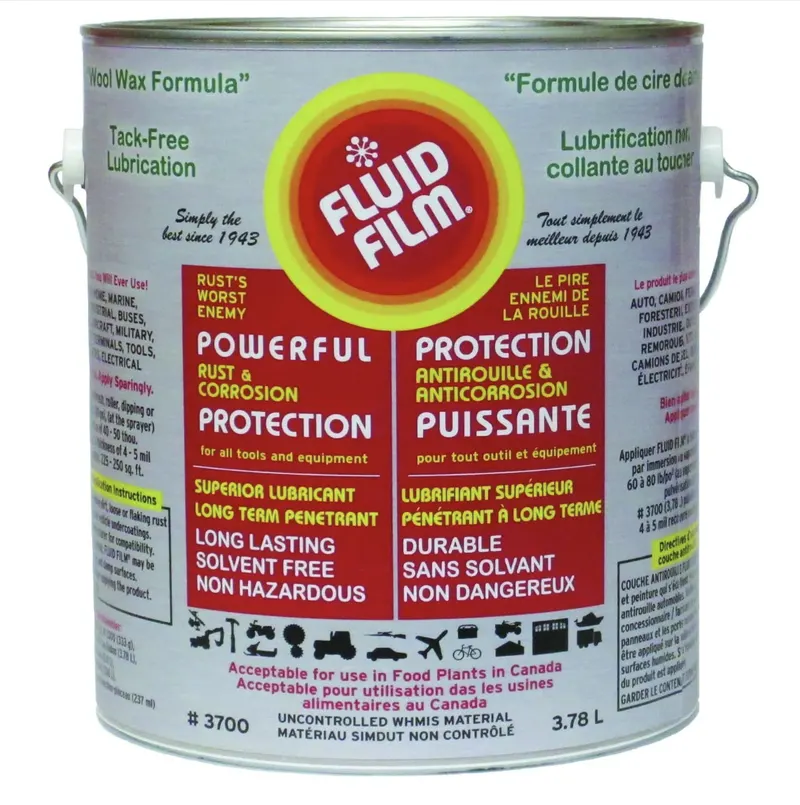
Pros:
- It easily flows through seams to protect any exposed or vulnerable areas.
- The most affordable undercoating option
- Spray canisters or aerosol cans are readily accessible.
Cons:
- Wears off faster than other varieties.
- It does not dry as quickly as the rubberized type.
- It should be stripped and reapplied at least once a year, or as soon as symptoms of wear and tear appear.
2. Rubberized Undercoating
As the name suggests, this undercarriage coating involves coating the underside with a rubber substance to protect and cushion it against dents, dust, and moisture, making it ideal for vehicles driven on challenging terrain.
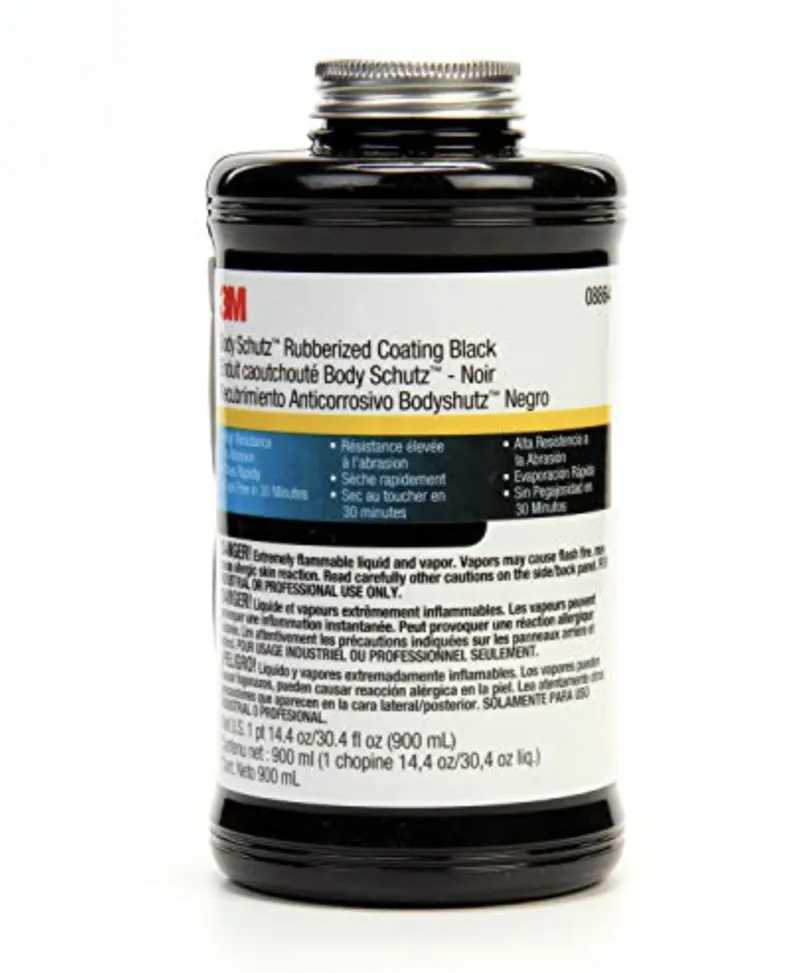
Pros:
- Easy to use
- quickly and painlessly applied
- To provide a clean finish, the undercoat can be painted.
- offers enough protection
- The quickest method for undercoating your automobile
- Safe to use
- A soft rubbery coating that truly dries to prevent further rust, damage, or moisture seepage is achieved.
Cons:
- Wax or rubberized undercoating should only be applied to a new rust-free surface.
3. Polyurethane Undercoating
Protect the underside of your automobile by using a polyurethane-based sealant that is available in canisters ready to be placed into a spray gun and sprayed. This product's polyurethane is made of a high-quality, long-lasting substance that works well in all conditions. It is perfect for regular cars.
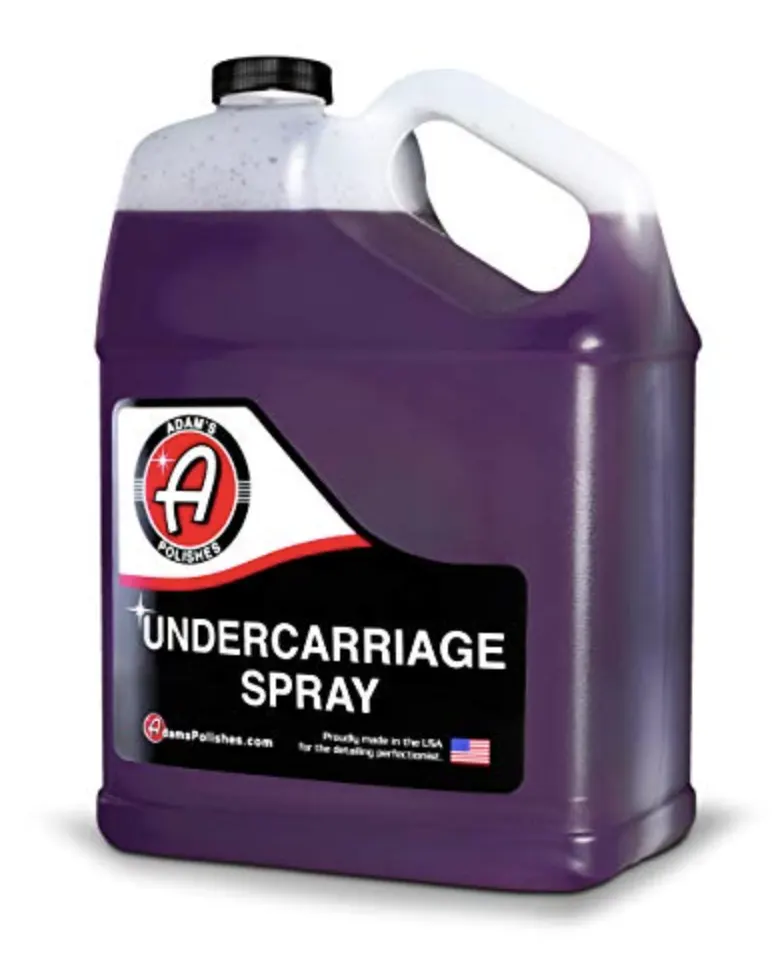
Pros:
- Advantages include a long lifespan and resistance to deterioration.
- Easy to use and effective
- Fills in fractures and rusted areas that are already present on your car's underneath, safeguarding the underlying metal.
- As it sands readily, removal is quick and uncomplicated.
- Removes salt, moisture, and leaking from rusty regions so that it can adhere to and shield unoxidized metal.
- being repaintable
Cons:
- Preparing the undercarriage before application is necessary for improved adhesion
- It takes time-consuming etching with primer to bare metals.
4. Asphalt-Based Undercoating
This type of undercoating is constructed of asphalt and typically also contains some rubberized material that sets up securely and aids in reducing engine noise, unlike the rubberized, wax/paraffin-based, and Polyurethane undercoatings. According to reports, it is the most damage-resistant. Asphalt-based undercoating will assist shield cars, trucks, motorbikes, and heavy machinery from the weather even though it is perfect for trucks, military, and all-terrain vehicles.
It is ideal for long-distance automobiles that must endure frequent road use and has a lengthy lifespan.
Pros:
- It typically has a shelf life of up to two years and is made to guard against corrosion, rust, and dirt. dispensed in five-gallon pails
- Since it is the toughest and thickest undercoating currently available, it offers increased durability.
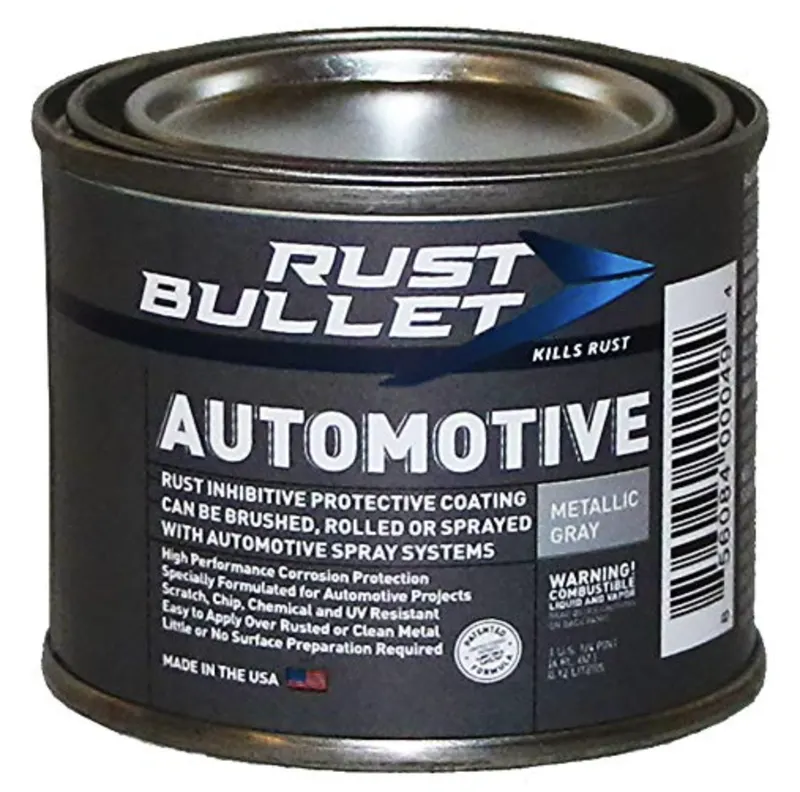
- Rust Bullet, an automobile inhibitor paint for rust prevention and protective coating, is an example of an asphalt-based undercoat. Along with the protective coating Skyco-Ospho.
Cons:
- It requires more cure time than the other three varieties since it takes time to solidify.
- It is also not paintable as such, making it less aesthetically pleasing and unsuitable for regular automobiles than the other three.
- only for utility vehicles' and trucks' undercarriages is it best used
- The sole undercoating material with a limited warranty
5. Water-based Undercoating
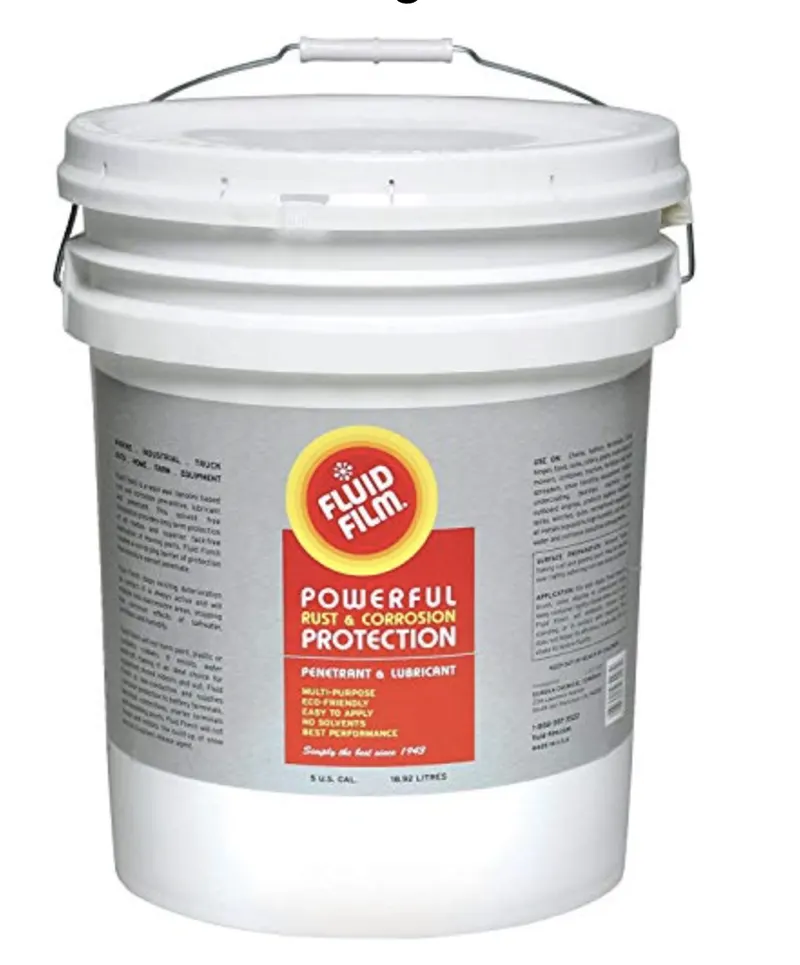
A layer of protection that protects a vehicle from bad weather is called water-based undercoating. It is made of a modern polymer that is non-toxic and safe for the environment. Any surface, including metal, plastic, rubber, and glass, can be treated with the product. It will shield the automobile against moisture, salt, and corrosion. This kind is the most often used in DIY (Do it Yourself) undercoating. It comes in an aerosol can and is available at most car dealerships. This product may be applied quickly and easily in a single day.
Pros:
- Thin-set, it takes a short time to dry
- Can be done at home
Cons:
- It requires frequent repetition as it’s not very durable
- It cannot repel ice and water like petroleum-based undercoating
6. Petroleum-Based Undercoating
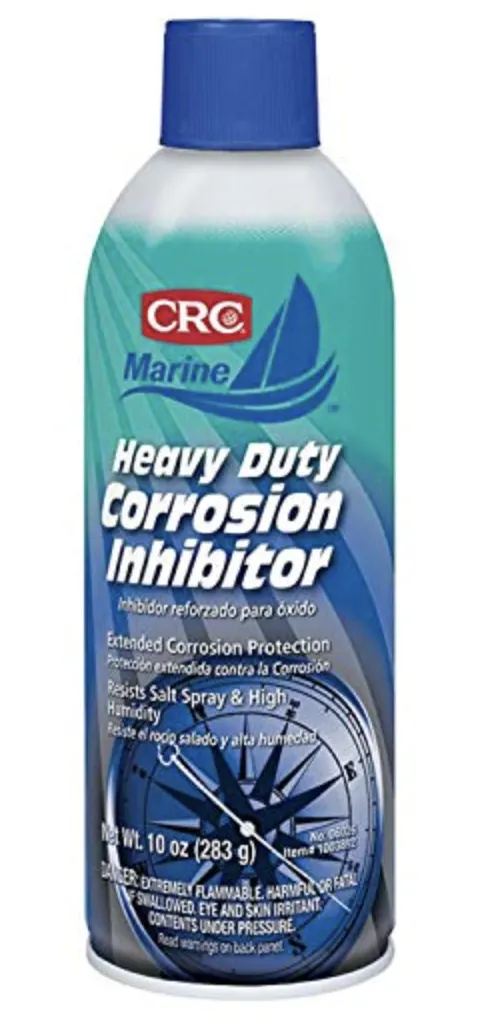
Petroleum undercoating is a thick, viscous liquid that serves as a dependable barrier against corrosion and moisture.The liquid dries and hardens to form a durable barrier against corrosion and moisture. Usually, the undercarriage of cars, trucks, and other vehicles will receive this substance.
Pros:
- has improved resistance to road salts and grime deflection
- Because of its petroleum foundation, it repels ice and water.
Cons:
- Requires annual replacement.