Underbody Coating
UNDERBOADY COATING
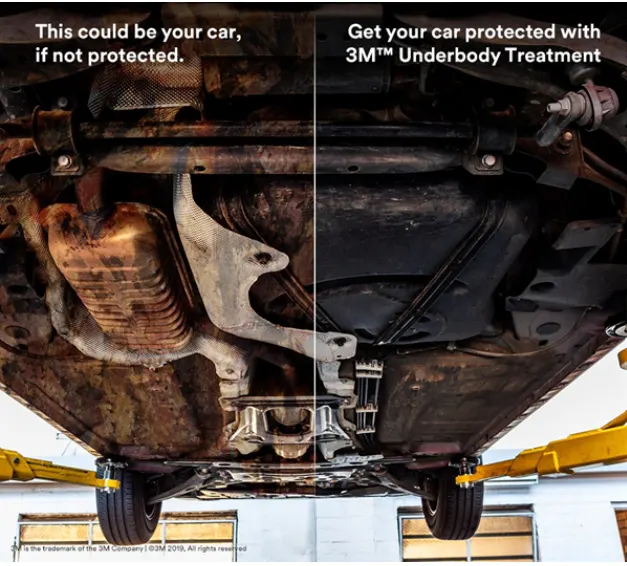
Underbody coating is usually a dense cladding applied uniformly to the undercarriage of the automobile. it is normally sprayed or painted. Undercoating mainly protects the vehicle's undersurface from corrosion. It provides the vehicle with a long term protection and also a lot of the internal components that might not be directly feasible but are prone to corrosion.
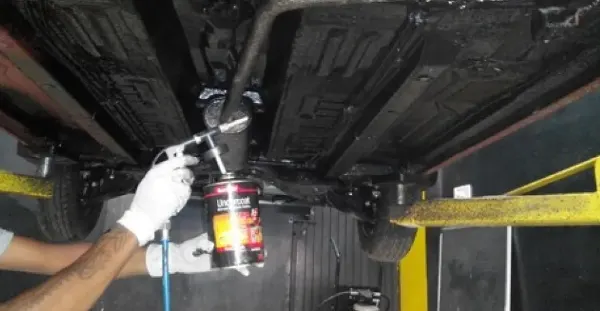
Underbody coating is not only required during the monsoon season but also in hot and humid climatic conditions. The coating is also a must if you tend to live in coastal regions where the humidity in these areas speeds up the process of corrosion.
Some countries have different standards for the process.For example, European countries defines the thickness of the underbody coating that needs to be present. Thus vehicles like Ford Figo has a large area of the underbelly that’s densely coated.
TYPES OF UNDERBODY COATING
(1) Rubberized underbody coating- This is generally thought of as the best underbody coating for your car. It preserves the underbody well, protecting it from scratches. Applying this to the undercarriage is not much of a hassle either. Aditionally, it can also be used on wheel wells and quarter panels, and dries to a soft rubbery finish that prevents further rust, damage, or moisture seeps.
(2) Wax based underbody coating- This – more or less – ephemeral undercoating will wear away in a few months’ time. On the upside, wax-based undercoating puts up a big fight against moisture. It is also the most affordable option out there.They are usually available in a spray gun canister or in an aerosol can and offer at least a base protection in moderately humid climates.
(3) Asphalt based automotive undercoating- Best suited for lorries, trucks and large vehicles this provides a greater degree of protection compared to rubber-based coatings. However, asphalt-based coatings contain little amounts of rubber for sound-insulation purposes. The process of applying this coating is a bit time-consuming though.
(4) Polyurethane underbody coating- This coating closes up splits and fractures on the underbody of the vehicle. It offers up good protection against corrosion and also bonds with the metal. Unlike in the case of asphalt-based coating, you can paint over the polyurethane coating.
PROS
- Fights rust
- Absorbs noise- thick undercoating absorbs noises reaching the drivers cabin.
- Reinforcement- If a car comes with stock underbody coating, one can use another coating on top of it. It will offer additional reinforcement, protecting the underbody from water, road debris, gravel and small pebbles. There would also be a lesser chance for the factory coat to flake away.
- Prolongs car life
- Protects against wear-Less rusting coupled with slower wear and tear can surely add years to the lifespan of the vehicle. There would be fewer dents, dings and scratches on the undercarriage too.
CONS
- It in not a cheap procedure. Its an additional cost to the vehicle.
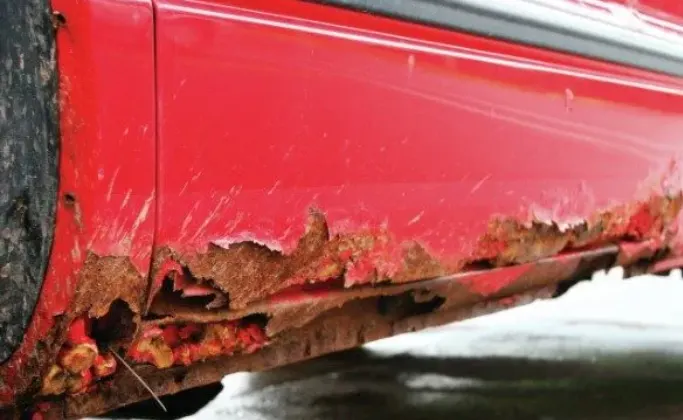
- Underbody coating will not repair the already corroded part. Yes, it will prevent any further moisture reaching the place, but will not repair the damage already caused.
- Since corrosion is a slow procedure and takes a few years to begin itself, it is not a necessary precaution for those who frequently change their cars. For such customers, especially living in regions that has mandatory laws for undercoating, this is just an additional unneccessary cost to bear.