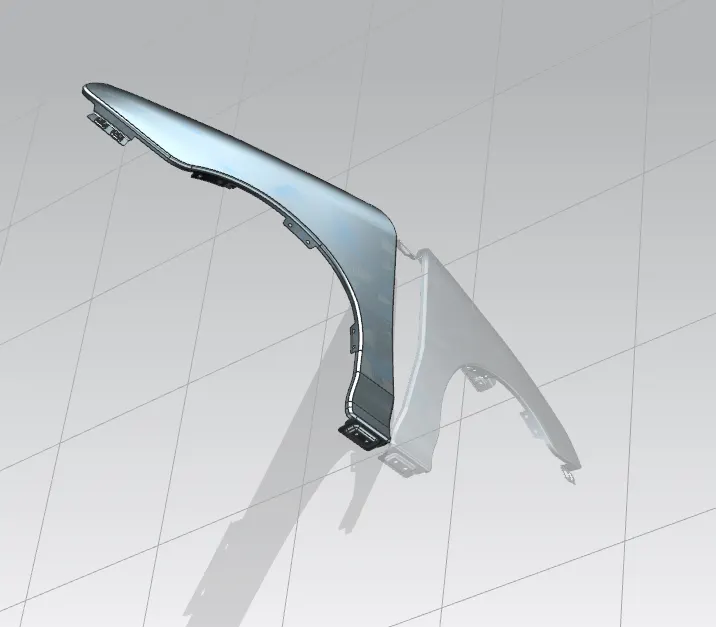
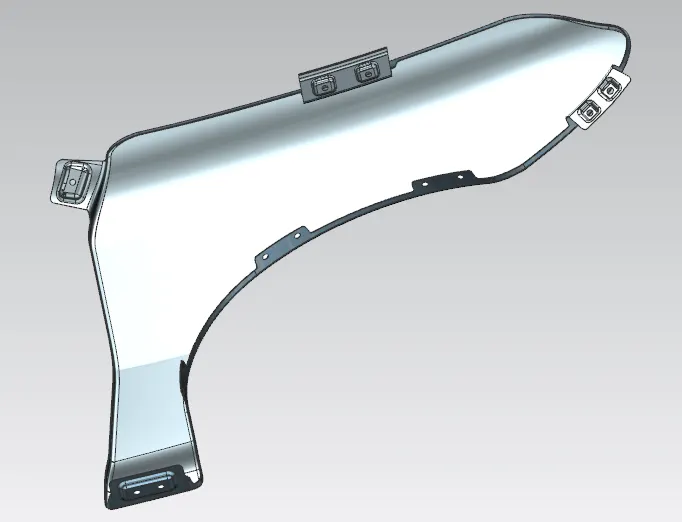
Fender Design
FENDER
For a vehicle moving forward, the top of the tire is rotating upward and forward, and can throw objects into the air at other vehicles or pedestrians in front of the vehicle. A metal or plastic enclosure over the wheels of an automobile or other vehicle to protect against splashing mud, stones or debris etc. Fender flares are often made of fiberglass or ABS plastic to ensure flexibility and light weight; however, some trucks and SUVs come with metal fender flares to ensure better durability.
TYPES OF FENDERS
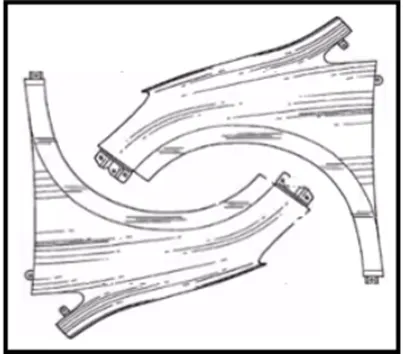
- FULL BUMPER TYPE FENDER- as the name suggests, a full bumper type fender cover extends up to the bumper covering all of the side portion of the vehicle. These were the initial fenders and thus one might see them today in the earlier versions of automobiles. The reason that these are not used anymore is that they take up quite a lot of the area of a sheet metal while they are being cut and thus are not cost effective.
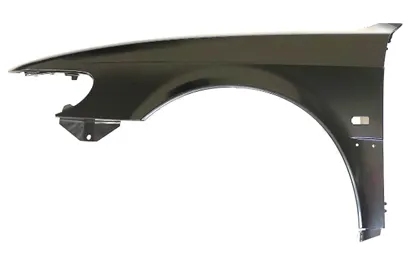
- HALF BUMPER TYPE FENDER-. As their name suggests these fenders cover half of the side of bumper area. 2 fenders can be produced using a single sheet of metal and thus these are the presently used fenders which are cost effective.
MOUNTINGS ON A FENDER
- BODY- these mountings connect the fender with the body of the vehicle
-
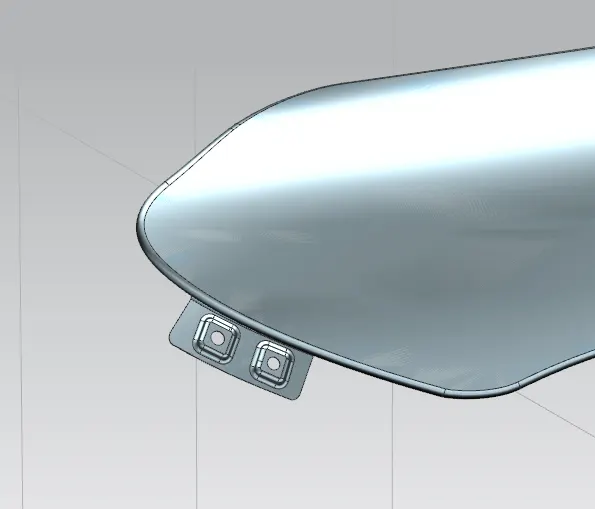
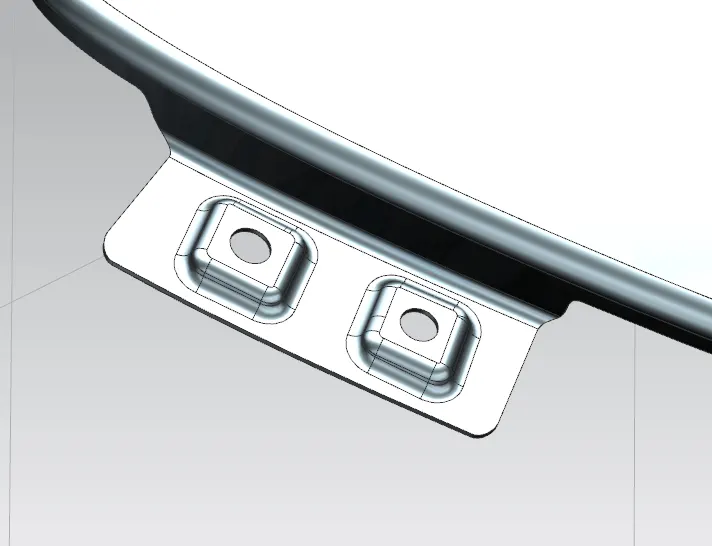
- A PILLAR- this is mounted on the A-pillar of the vehicle, as its name suggests.
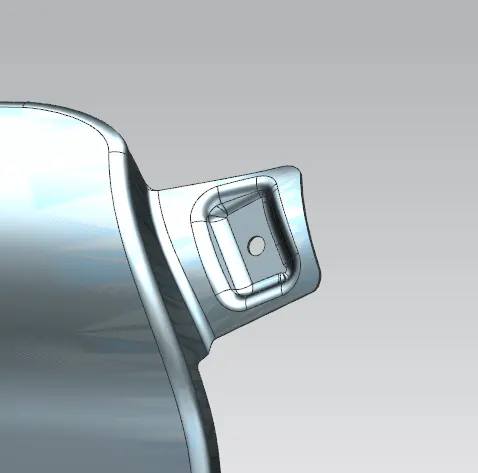
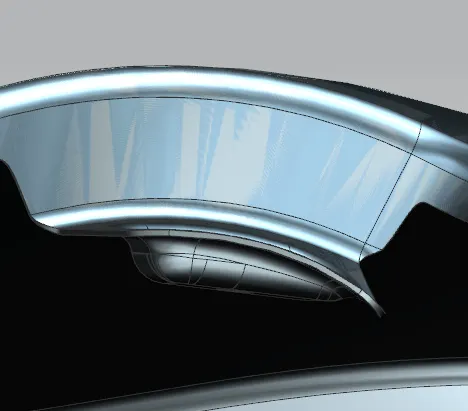
- SILL- the mounting that connects the fender to the lower of the body
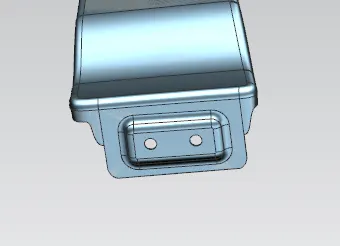
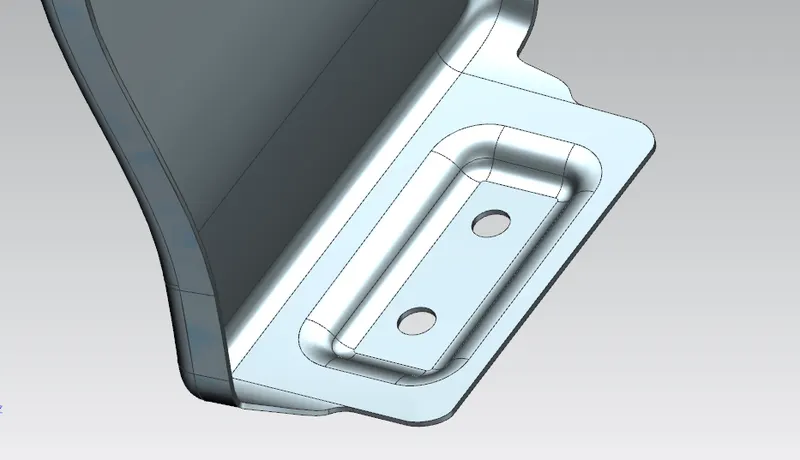
- COWL- cowl is a region where the wiper assembly is installed. One of the fender mountings connects the fender with the cowl.
- BAFFLE COVER MOUNTS- baffle is a material made of plastic that acts as a wheel cover and is attached to the fender using plastic clips.
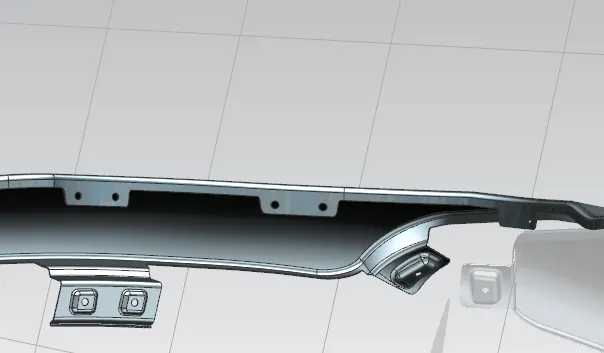
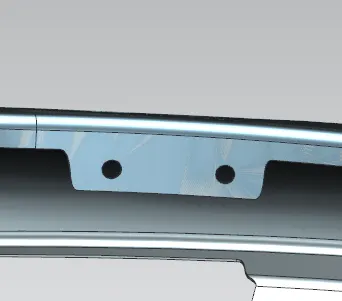
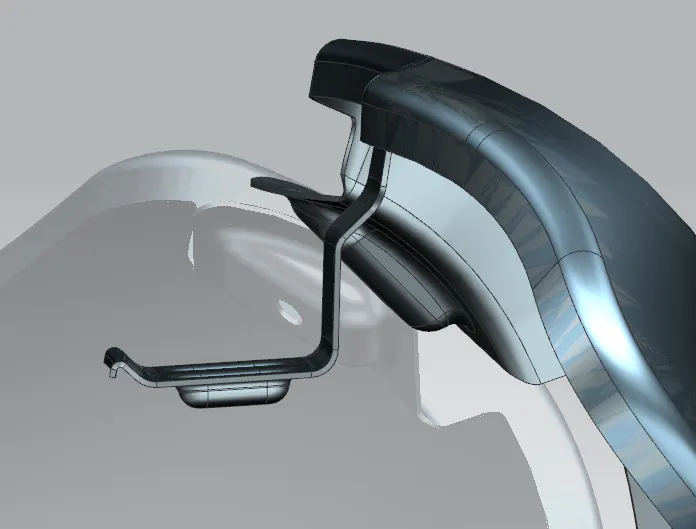
- DRIP- Drip mounting is the most complex mounting on fender which connects it to the engine compartment of the vehicle. With the help of the master section, the drip mounting region is designed as per the design considerations.
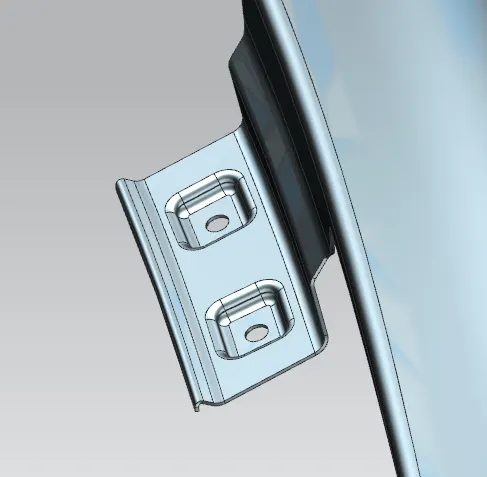
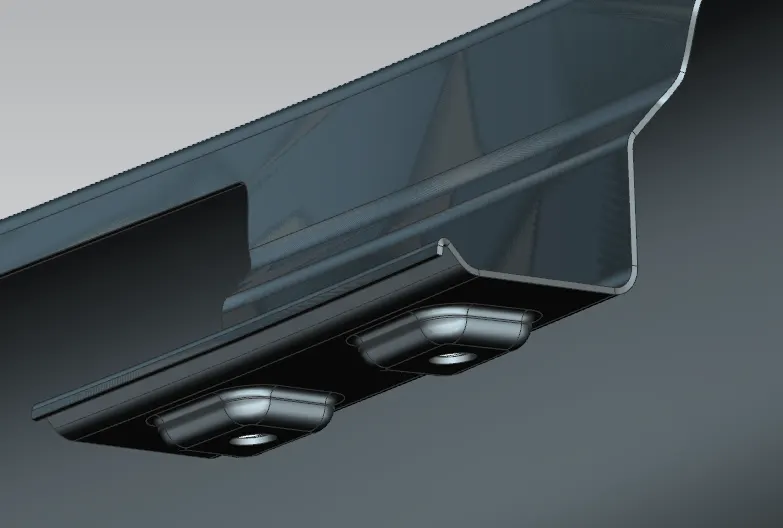
DESIGN CONSTRAINTS FOR THE DRIP MOUNTING REGION-
- There is no particular length given as such. The only dimensions we know are those from the two ends. It needs to be constrained within 150mm from the cowl region and 200mm from the headlight’s region. Thus, the length of the drip mounting might vary as per the length of the bumper.
- A minimum opening angle of 3 degrees is provided for the tool to work properly.
- Another angle of 3 degree is provided in order to hide the engine compartment to be visible with the naked eye.
- The fender drip area length is kept somewhere between 35mm to 40mm. this distance is kept as for the tool to come and work properly.
- The end side of the fender drip mounting is given a structure so as to strengthen it. The only constraint regarding this to be kept in mind is that it should be at a minimum 10mm distance from the engine room.
MANUFACTURING PROCESS
A car fender is made by a process called Reaction Injection Moulding (RIM), which basically consists of making a special polyurethane compound and introducing it into a large fender. RIM is a process that conserves raw materials and thus also reduces costs. It is similar to injection moulding except thermosetting polymer is used, which requires a curing reaction to occur within the mould. Some other common automotive item made from the same process are bumpers, air spoilers etc.
FENDER DESIGN