Underbody Coating
UNDERBODY COATING
INTRODUCTION
- What is underbody coating?
- What are they types?
- Advantages and disadvantages of UBC
- Conclusion
INTRODUCTION ON UNDERBODY COATING
Underbody coating is a thick resilient coating applied to the underbody or chassis of an automobile to protect against impact damage from small stones, salt water, rain which would rapidly chip ordinary paint, allowing rusting to begin.
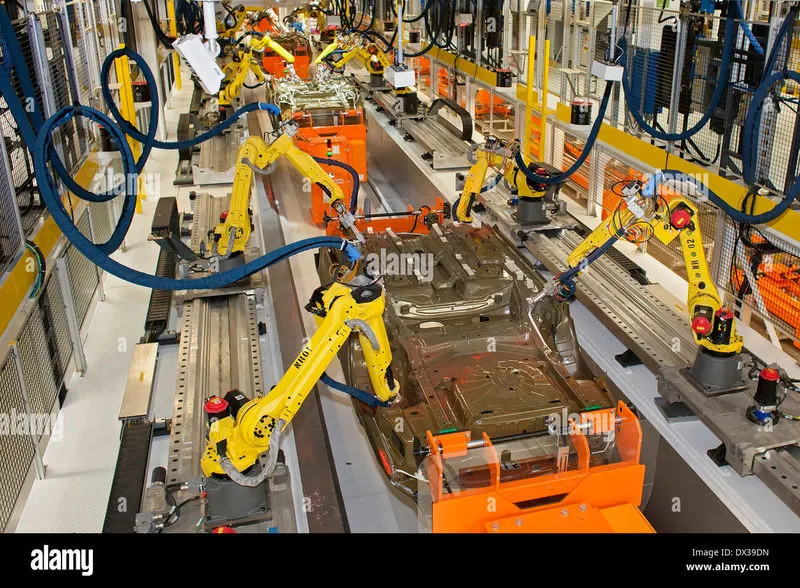
Underbody coating process
Underbody coating provides long term protection from corrosion to car’s underbody. It also protects parts like internal body panels, frame rails and other inner cavities that are not physically accessible but are prone to corrosion.
A car’s underbody is exposed to the most wear and tear caused by muddy water, potholed roads, stones and other obstacles on the road. Because it’s not in plain sight, we often do not see the damage.
TYPES OF UNDERBODY COATING
- Rubberized Underbody Coating
- Wax Based Underbody Coating
- Polyurethane Underbody Coating
- Asphalt Based Automotive Undercoating
i. Rubberized Underbody Coating
This is generally thought of as the best underbody coating for car. It preserves the underbody well, protecting it from scratches. Applying this to the undercarriage is not much of a hassle either.
Ideal for cars driven in rough terrain, as its name suggests, this undercarriage coating involves applying a rubber agent to the underbelly to protect and cushion it against dents, dust, and moisture.
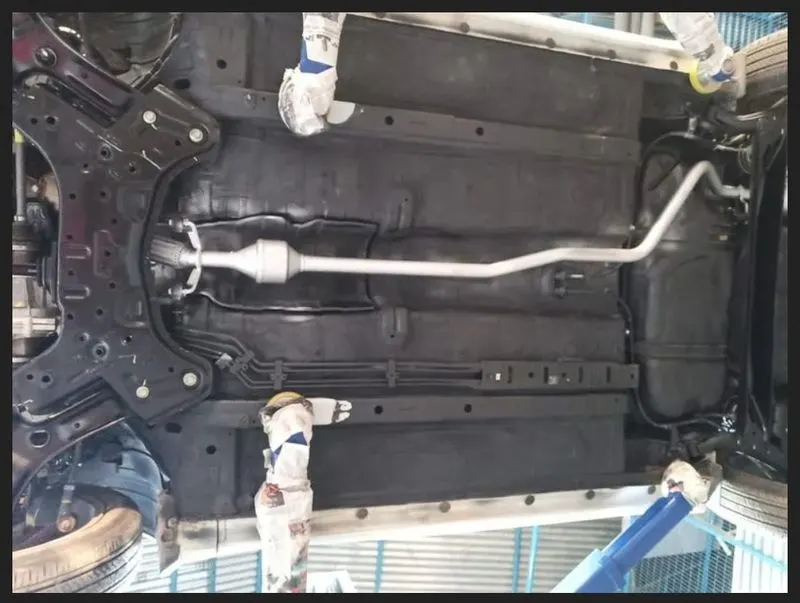
Rubberized underbody coating
It can also be applied around wheel wells and quarter panels. Considered the best option for standard vehicles when it comes to the different types of undercoating.
Some of the advantages in rubberized underbody coating
- Easy to apply
- Quickly applied with no fuss
- Undercoat can be painted for a neat finish
- Provides satisfactory protection
- The simplest way to undercoat your car
- Safe to apply
- Truly dries to a soft rubbery finish that prevents further rust, damage, or moisture
ii. Wax Based Underbody Coating
This – more or less – ephemeral undercoating will wear away in a few months’ time. On the upside, wax-based undercoating puts up a big fight against moisture. It is also the most affordable option out there.
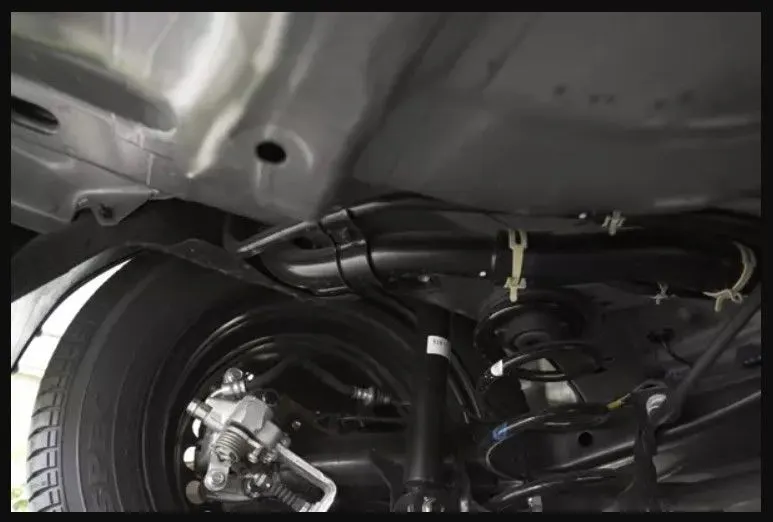
Wax based underbody coating
It is the preferred undercarriage coating for cars often driven on highways and normal roads. Sometimes referred to as wax-based undercoating, it provides sufficient guard for cars in fairly moist regions.
Some of the advantages in Wax Based Underbody Coating
- Readily flows into seams to guarantee any exposed and prone surfaces are protected
- The most inexpensive undercoating option
- Conveniently available in spray guy canisters or aerosol cans
Some of the disadvantages in Wax Based Underbody Coating
- Wears off quicker in comparison to other types
- Unlike the rubberized type, it does not really dry
- Needs to be stripped and reapplied at least once a year as soon as signs of wear and tear start to show
iii. Polyurethane Underbody Coating
This coating closes up splits and fractures on the underbody of the vehicle. It offers up good protection against corrosion and also bonds with the metal. Unlike in the case of asphalt-based coating, you can paint over the polyurethane coating.
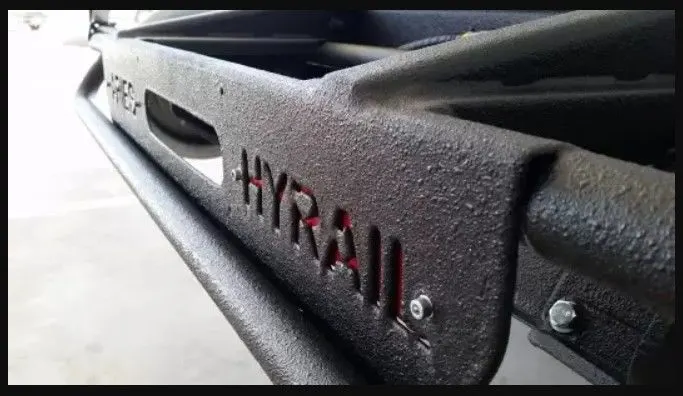
Polyurethane underbody coating
The polyurethane used in this product is a high-quality and durable material that is perfect for any weather condition. It is ideal for standard vehicles.
Some of the advantages in Polyurethane Underbody Coating
- It has a long lifespan and is resistant to wear and tear
- Easily and quickly applicable
- Trickles into cracks and rusty spots already present on the underbelly of your car and fills them, hence protecting the underlying metal
- Quick and simple to remove, as it stands easily
- Dislodges salt, moisture, and oozing around rusty areas to bond with and protect un oxidised metal
- Can be painted over
Some of the disadvantages in Polyurethane Underbody Coating
- For better adherence, needs undercarriage preparation before application
- Requires time-consuming etching with primer to bare metals
iv.Asphalt Based Automotive Undercoating
Unlike the rubberized, wax/paraffin-based, and Polyutherane undercoating, this type is made of asphalt and generally also contains some rubberized material that sets up firmly and helps soften noise from the engine.
It reportedly has the most damage-resistant properties. Although asphalt-based undercoating is ideal for trucks, military, and all-terrain vehicles, it will also help protect your car, truck, motorcycle, and heavy machinery from the elements.
It last long and is best for endurance vehicles that have to undergo heavy road use
When it comes to large trucks, heavy machinery, military, and all-terrain vehicles, asphalt-based undercoating provides added durability against rocks, chips, and moisture.
Some of the advantages in Asphalt Based Automotive Undercoating
- Formulated to protect from dirt, rust, and corrosion, it normally has a shelf life of up to two years.
- Provides extra durability as it is the strongest and thickest undercoating available
Some of the disadvantages in Asphalt Based Automotive Undercoating
- It takes time to harden and so requires more cure time than the other three types
- Unlike the other three, it is also, not paintable as such, not very aesthetically suitable for standard vehicles
- For best used only for the undercarriages of utility vehicles and trucks
- The only type of undercoating with a limited warranty
ADVANTAGES OF UNDERBODY COATING
- Protects Against Rust & Corrosion
The primary objective of getting underbody coating done is preventing metal components that are exposed on the bottom side of the car to damage from corrosion. You can shut out the adverse effects of corrosion on your car by simply applying a rubberised anti-rust coating all over the belly of your car.
- Reduces NVH (Noise Vibrations Harshness) Levels
Our country is filled with roads having uneven patches and potholes and while we manoeuvre our cars through such sections, the unpaved crumbs, and pebbles hit the car from underneath or get stuck in the wheel wells. The underbody coating’s consistency is so thick that the layer it creates absorbs all the unpleasant noises and vibrations and marginally improves the driving experience.
- Prevents Paint Chipping
Running on the highway or while pacing through a city road, you will often encounter sharp gravel or any other unattended object hitting the belly of your car with high momentum. This scrapes and chips off the metal from down below. A thick layer of underbody Coating definitely comes to aid and minimises the effects of such contacts on the body.
- Protects Vital Components
Underneath a car is somewhere a lot of indispensable parts of a car are left exposed like the Engine, silencer, etc. One simply can’t afford to let these parts go bad due to rusting and hence in order to save yourself from a hefty repair bill, a considerably less expensive Anti-Rust Coating is a must.
- It affects in car's resale value
All that damage due to corrosion, if left unattended could lead to some permanent damage, which will cost in terms of rapid depreciation in car’s resale value. This will make it almost impossible for car to pass a strict inspection when put it up for sale. Hence, regular checks of car’s underbody condition are the key to maintaining its value.
DISADVANTAGES OF UNDERBODY COATING
- It works best only on new cars.
- It is less helpful if corrosion is already present
- It must be reapplied every 3 to 5 years for the best results
- It adds weight to the vehicle
CONCLUSION
To conclude, advantages over weights the disadvantages of underbody coating, so this under body plays crucial part to maintain the vehicle in good condition and also helps to increase lifespan of vehicle, underbody coating is a must to make sure the underbody is given a layer of protection from all grime and grit and annual clean up and touch up is necessary.