Underbody Coating
Underbody Coating:-
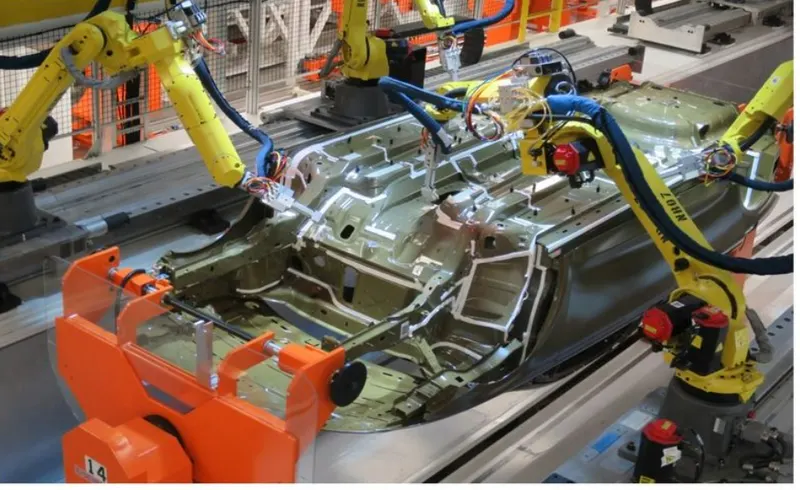
The automobile industry is the most growing industry and economical value is been improoving in INDIA with increase in population. Now a days many people are using car. When people buys a car it is advisable to take care of car through out its life.
In Indian road conditions, a car’s underbody is most prone to corrosion. Underbody coating provides long term protection from corrosion to the car's underbody. It also protects parts like internal body panels, frame rails and other inner cavities that are not physically accessible but are prone to corrosion.
Pro's:-
- Environmental conditions
- Impacts
- Dampens sound and vibration
- Insulates against cold and heat
- Protects against Corrosion
- Seals off seams
Minimizes sound :-sound from underneath the car resulting a noiseless, smooth driving experience.
Anti-chipping property :- If any stone hits the coating it does not get chipped away hence protects the underbody from exposure to water.
External influence :-External environment, such as the baking from the hot road in summer; anti-frozen gent in winter, raining water and the salty water in the atmosphere, will attach the under body of a car. Particular in coast areas, the wind from the sea will bring more salt to the air, which will accelerate the corrosion and reduce the service life of a car.
Con's :-
High cost :- The cost of underbody coating is very expensive
Risk of damage during application :- The thick rubberized paint if not applied properly can get into moving mechanical parts and may cause premature failures.
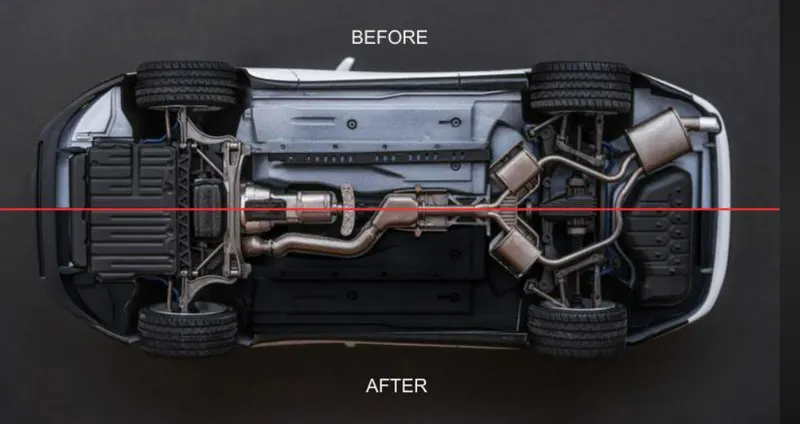
TYPES OF UNDERBODY COATING:-
Rubberized Undercoating:-
Rubberized vehicle undercoating is easy to apply and offers sound-cushioning as well as protection from dust, moisture, and dings or dents.In addition to your undercarriage, rubberized undercoating is also safe to use on wheel wells and quarter panels, and dries to a soft rubbery finish that prevents further rust, damage, or moisture seeps. The coating can be painted over and, if necessary for bodywork, can be easily removed with an undercoating removal spray.
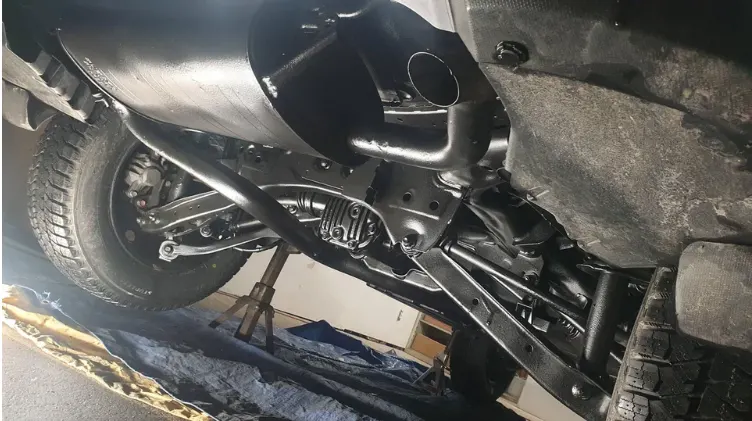
Polyurethane Undercoating:-
The other option for undercoating your vehicle is to use a polyurethane-based sealant. This type of vehicle undercoating is a little bit quicker and easier to apply.Oftentimes, polyurethane undercoating will come in canisters ready to preload into an application gun. This type of sealant works by seeping into all cracks and seams, displacing salt and moisture and oozing around rusty areas to bond with and protect unoxidized metal. It also sands quickly in case you'll need to perform bodywork and can be painted over.
Wax or Paraffin-Based Undercoatings:-
A paraffin-based undercoating will be the cheapest and quickest option available with which to protect the undercarriage of your vehicle. However, keep in mind that it will wear off quicker than other types of undercoating and will need to be stripped and reapplied at least once every year.Wax-based undercoatings never truly harden. During application, they drip or flow into seams and cracks to provide protective properties.
Asphalt-Based Undercoating:-
For standard vehicles, any of the aforementioned types of undercoating will provide sufficient protection. For large trucks and heavy machinery, asphalt-based undercoating provides a bit of extra durability against rocks, chips, and moisture.Asphalt-based undercoating generally contains a little bit of rubberized material that sets up firmly and also helps soften noise. Generally sold in five gallon containers, this type of undercoating also needs more cure time than the other three, and is NOT paintable, making it best to use only for undercarriages.
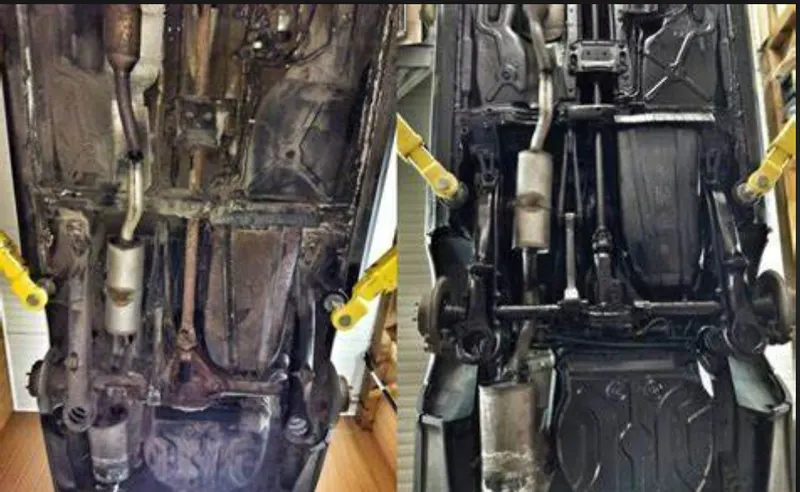
TYPES OF UNDERBODY PAINT:-
A car underbody coating can be factory-applied or aftermarket. Most commonly these coatings are one of the three types:
- Resin-based :- Polyurethanes and rubber coating are popular because their elastomeric properties provide long-term stone chip damage and corrosion protection as well as sound deadening effects. These also have the benefit of being suitable for a wide range of substrates and they can be painted over. Can be spray-applied, high build, and particularly good for areas of possible salt exposure.
- Wax-based :- An excellent anti rust coating suitable for all substrates. The wax is applied soft and cures hard, either by brush or spray, and can be layered thickly. It cannot be top coated.
- Bitumen-based :- These underbody paint systems provide hard-wearing protection against stone chip damage and corrosion. They also have sound-deadening properties. Suitable across many substrates, but cannot be painted over.
Applications:-
- Lift up the vehicle, remove the wheel, and plastic wheel covers.
- Completely perfect the underbody of the vehicle with high-pressure water.
- Impacting with compacted air could speed up the drying.
- Veil off the nearby zones and parts with paper were not permitted to splash, like debilitating line, slowing mechanism, motor, paint surface, and so forth
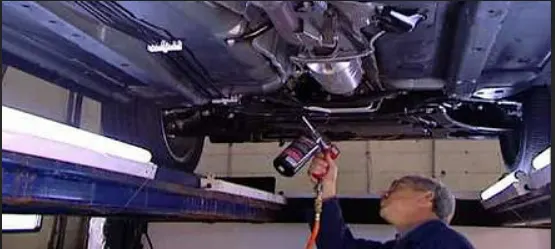
- Shake the can approx. multiple times before use, associate the can with a splash weapon.
- Shower at room temperature and from a distance of approx. 25 cm in an X movement to develop a ceaseless coat. Try not to shower on pieces of the brake, motor, or fumes framework.