Underbody Coating
Under Body Coating
What is Under Body Coating
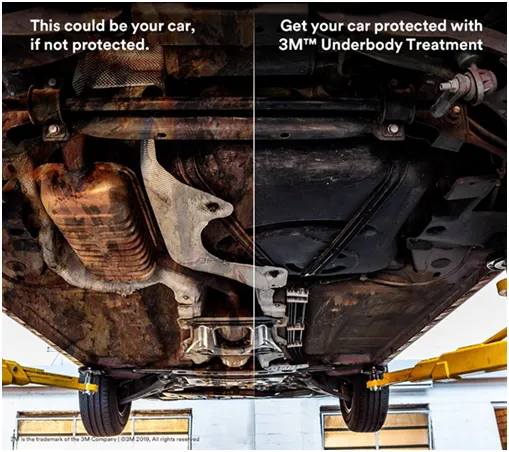
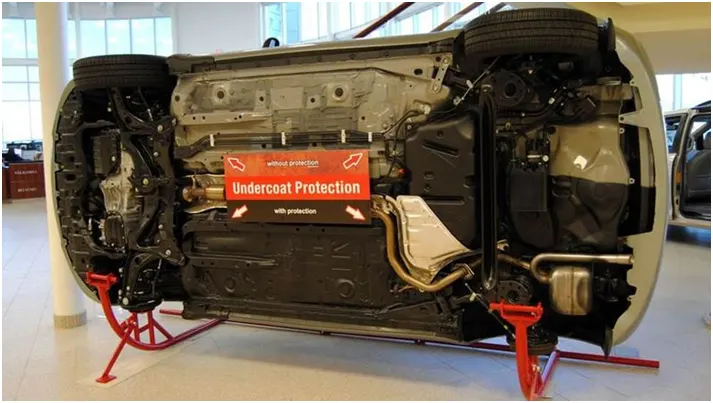
Under-body coating is usually a black, thick liquid that is sprayed on the underside or undercarriage of the car and is used to protect the metal from rust and corrosion, which would rapidly chip ordinary paint and cause damage. It is usually a dense cladding (often based on rubber) applied uniformly to the undercarriage of the automobile and normally sprayed or painted on when the car is just out of the dealership and is clean. But even if the undercoating is applied after a couple of years, it’s fine too. This is because it can prevent further damage to the undercarriage.
Purpose
Under-body coating provides long-term protection from corrosion to the car’s underbody. It also protects parts like internal body panels, frame rails, and other inner cavities that are not physically accessible but are prone to corrosion. A car’s underbody is exposed to the most wear and tear caused by muddy water, potholed roads, stones, and other obstacles on the road. Because it’s not in plain sight, the damage is often not seen.
In Indian road conditions, a car's underbody is most prone to corrosion. Underbody coating provides long-term protection from corrosion to the car’s underbody. It also protects parts like internal body panels, frame rails, and other inner cavities that are not physically accessible but are prone to corrosion.
It is done by Airless spraying with help of robots or humans in some cases. The materials used include PVC (Poly Vinyl Chloride), acryl/Urethane sealants, Teflon, Rubber based compounds etc. The thickness of this coating may vary from 0.1 to 10mm as per the model, market and manufacturer. For example, in a competitive price market like India the coatings are provided conservatively for budget models usually just enough to get through regulations, whereas premium class models where comfort is priority over budget no such limitations are practiced.
Types of Under Body Coating
- Wax or Paraffin Based coating
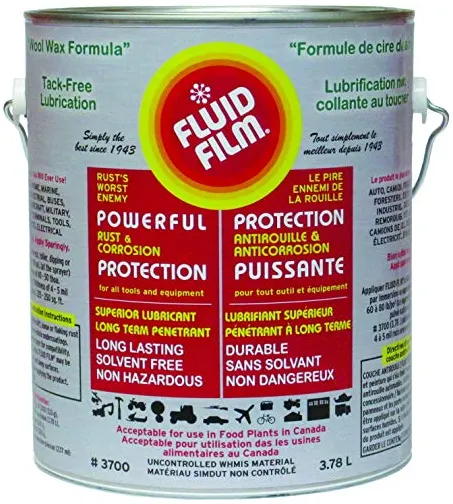
It is the preferred undercarriage coating for cars often driven on highways and normal roads. Sometimes referred to as wax-based undercoating, it provides sufficient guard for cars in fairly moist regions.
Advantages:
- Readily flows into seams to guarantee any exposed and prone surfaces are protected
- The most inexpensive undercoating option
- Conveniently available in spray guy canisters or aerosol cans
- An example of a Wax/ Paraffin Undercoat is Fluid Film 1, a rust inhibitor, anti-corrosion, and anti-rust undercoat.
Disadvantages:
- Wears off quicker in comparison to other types
- Unlike the rubberized type, it does not really dry
- Needs to be stripped and reapplied at least once a year as soon as signs of wear and tear start to show
- Rubberized coating
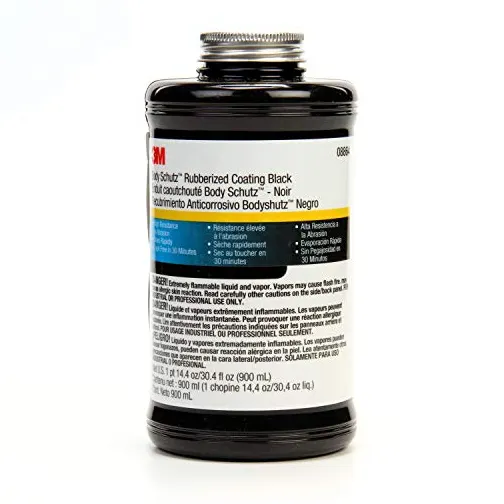
Ideal for cars driven in rough terrain, as its name suggests, this undercarriage coating involves applying a rubber agent to the underbelly to protect and cushion it against dents, dust, and moisture.
It can also be applied around wheels and quarter panels. Considered to be the best option for standard vehicles when it comes to the different types of undercoating.
Advantages:
- Easy to apply
- Quickly applied with no fuss
- Undercoat can be painted for a neat finish
- Provides satisfactory protection
- The simplest way to undercoat your car
- Safe to apply
- Truly dries to a soft rubbery finish that prevents further rust, damage, or moisture seepage
3. Polyurethane coating
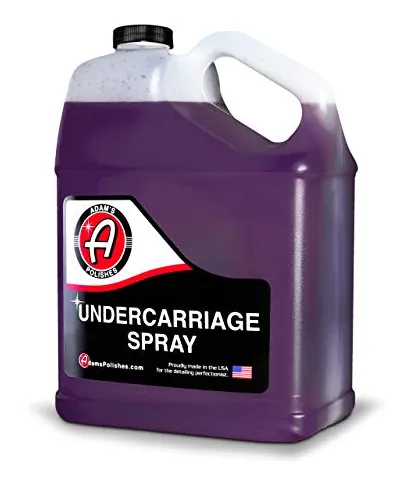
Uses a polyurethane-based sealant that comes in canisters ready to be loaded into a spray gun and sprayed to guard the undercarriage of your vehicle.
The polyurethane used in this product is a high-quality and durable material that is perfect for any weather condition. It is ideal for standard vehicles.
Advantages:
- It has a long lifespan and is resistant to wear and tear
- Easily and quickly applicable
- Trickles into cracks and rusty spots already present on the underbelly of your car and fills them, hence protecting the underlying metal
- Quick and simple to remove, as it sands easily
- Dislodges salt, moisture, and oozing around rusty areas to bond with and protect unoxidised metal
- Can be painted over
Disadvantages:
- For better adherence, needs undercarriage preparation before application
- Requires time-consuming etching with primer to bare metals
- Asphalt Based coating
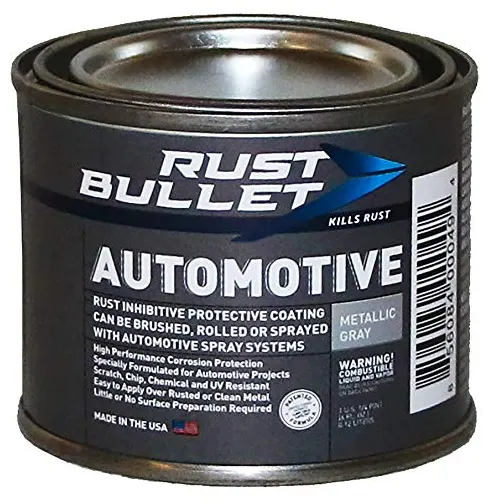
Unlike the rubberized, wax/paraffin-based, and Polyutherane under coatings, this type is made of asphalt and generally also contains some rubberized material that sets up firmly and helps soften noise from the engine.
It reportedly has the most damage-resistant properties. Although asphalt-based undercoating is ideal for trucks, military, and all-terrain vehicles, it will also help protect your car, truck, motorcycle, and heavy machinery from the elements.
It last long and is best for endurance vehicles that have to undergo heavy road use.
When it comes to large trucks, heavy machinery, military, and all-terrain vehicles, asphalt-based undercoating provides added durability against rocks, chips, and moisture. It’s usually available from professional service shops.
Advantages:
- Formulated to protect from dirt, rust, and corrosion, it normally has a shelf life of up to two years. Sold in five-gallon containers
- Provides extra durability as it is the strongest and thickest undercoating available
Disadvantages:
- It takes time to harden and so requires more cure time than the other three types
- Unlike the other three, it is also, not paintable as such, not very aesthetically suitable for standard vehicles
- For best used only for the undercarriages of utility vehicles and trucks
- The only type of undercoating with a limited warranty
- Water based coating
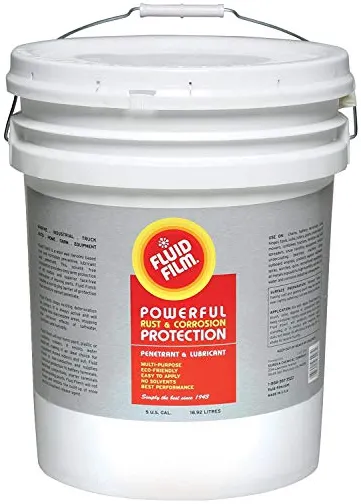
Water-based undercoating is a protective layer that helps your car stay protected from harsh weather conditions. It is made from an advanced polymer that is non-toxic and environmentally friendly.
The product can be applied to any surface, including metal, plastic, rubber, and glass. It will keep your car protected from rust, salt, and moisture. This undercoating provides a protective barrier that lasts for only a year-depending on where you drive your car.
When it comes to DIY (Do it Yourself) undercoating, this type is the most popular. Coming in an aerosol can, it can be purchased from most automotive shops. This product is easy to apply and can be done in a single day.
Advantages:
- Thin-set, it takes a short time to dry
- Can be done at home
Disadvantages:
- It requires frequent repetition as it’s not very durable
- It cannot repel ice and water like petroleum-based undercoating
- Petroleum based
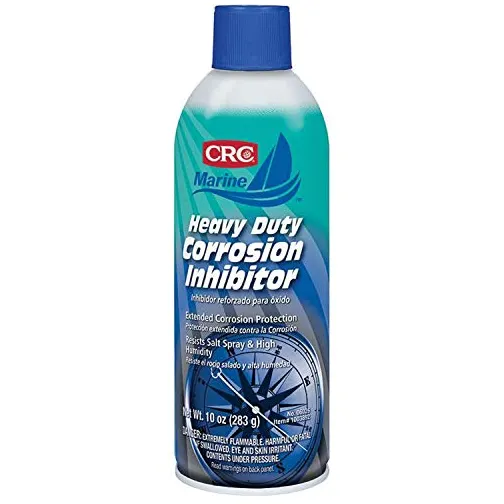
Petroleum-based undercoating is a heavy, viscous oil-based liquid product that provides an effective barrier against moisture and corrosion.
The liquid dries and hardens to provide tough, durable, and long-lasting protection against moisture and corrosion. This product is typically applied to the undercarriage of automobiles, trucks, and other vehicles.
Petroleum-based undercoating can be purchased from your professional vehicle servicing shops.
Advantages:
- Has greater deflective abilities for road salts and grime
- Repels ice and water because of its petroleum base
Disadvantages:
- Requires annual replacement
Pros of Under-body coating
- It provides a layer of protection against corrosion
- Reduces NVH(Noise Vibration Harshness) levels
- Protect the car's underbody from chipping of paint
- Long lifespan and is resistant to wear and tear
- It extends the life of your vehicle
Cons of Under-body coating
- Risk of damage during application
- If the underbody is already rusted, the process becomes too lengthy
- It must be reapplied every 3 to 5 years for best results
- It adds weight to the vehicle
- Too expensive
- A third-party undercoating service might void your vehicle's warranty