Benchmarking
Benchmarking
Aim
- To prepare a report explaining about benchmarking.
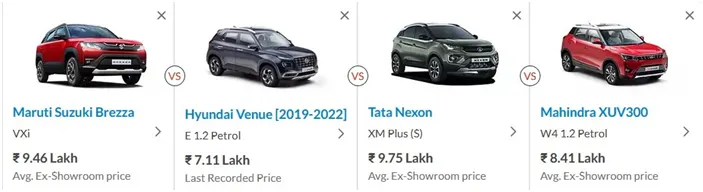
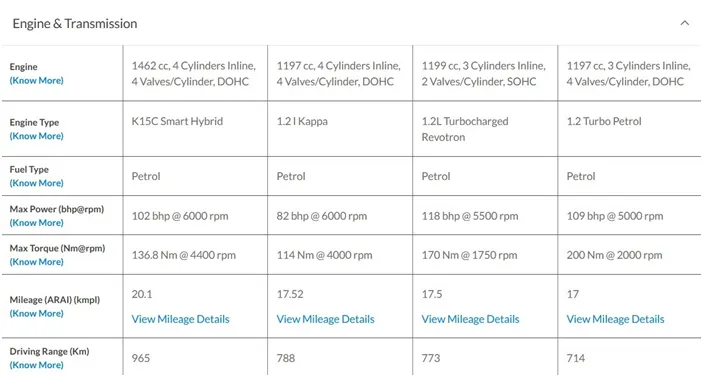
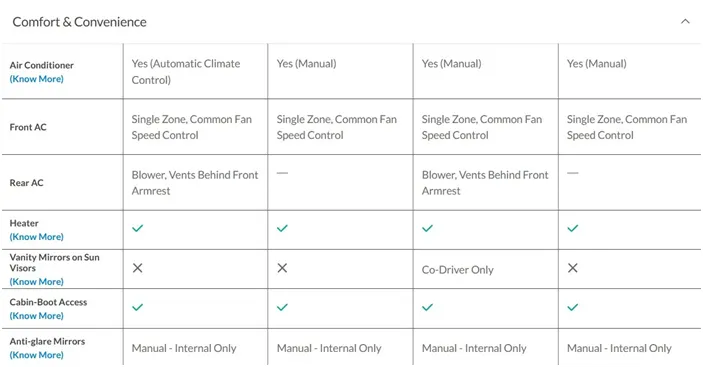
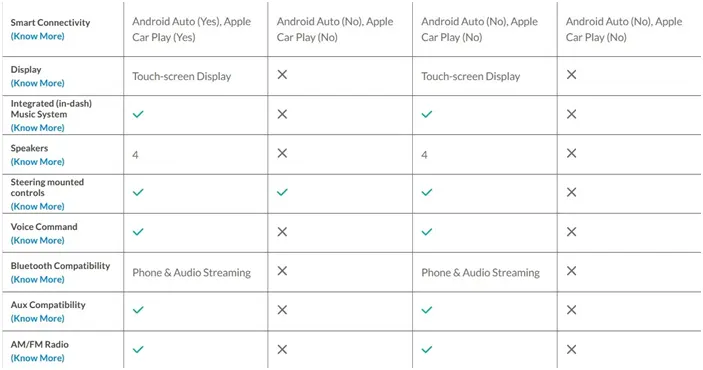
- To compare at least 4 vehicles and suggest a suitable vehicle among the comparison made.
Benchmarking:
Benchmarking is the practice of comparing business processes and performance metrics to industry bests and best practices from other companies. Dimensions typically measured are quality, time and cost. It is used to measure performance using a specific indicator (cost per unit of measure, productivity per unit of measure, cycle time of x per unit of measure or defects per unit of measure) resulting in a metric of performance that is then compared to others.
Also referred to as "best practice benchmarking" or "process benchmarking", this process is used in management in which organizations evaluate various aspects of their processes in relation to best-practice companies' processes, usually within a peer group defined for the purposes of comparison. This then allows organizations to develop plans on how to make improvements or adapt specific best practices, usually with the aim of increasing some aspect of performance. Benchmarking may be a one-off event, but is often treated as a continuous process in which organizations continually seek to improve their practices.
Process benchmarking can operate at several levels:
- Between similar processes in the same factory or service branch
- Between different factories or service branches
- Between different competing organizations
- Between different sectors using the same process
Types of Benchmarking:
Benchmarking can be internal (comparing performance between different groups or teams within an organization) or external (comparing performance with companies in a specific industry or across industries).Within these broader categories, there are three specific types of benchmarking:
- Process benchmarking
- Performance benchmarking
- Strategic benchmarking
These can be further categorized in detail as follows:
- Process benchmarking
- Financial benchmarking
- Benchmarking from an investor perspective
- Benchmarking in the public sector
- Performance benchmarking
- Product benchmarking
- Strategic benchmarking
- Functional benchmarking
- Best-in-class benchmarking
- Operational benchmarking
- Energy benchmarking
Broadly there are two types of benchmarking on which focus will be more:
Benchmarking I
It involves product level comparison and analysis of vehicle safety, comfort, engine efficiency and its performance.
Benchmarking II
It involves part level comparison focusing on specific BIW components like fender, hood, pillar, roof etc and analyzing various properties such as material type, thickness, total number of parts and overall weight.
Case Study:
Mr. D.S. Pughazhyendhii is a married man who lives in Bangalore which is a highly crowded city. His Family comprises of five members including his wife, five-year-old boy, his father, and his mother. He visits his native place Madurai which is 500kms away from Bangalore once in a month. Also, he will be using his car to commute to his office. His budget falls between 8 to 10 lakhs on road. Please suggest him with options so that he will buy a good car for his family.
Note: Pughazhyendhii is fond of big cars
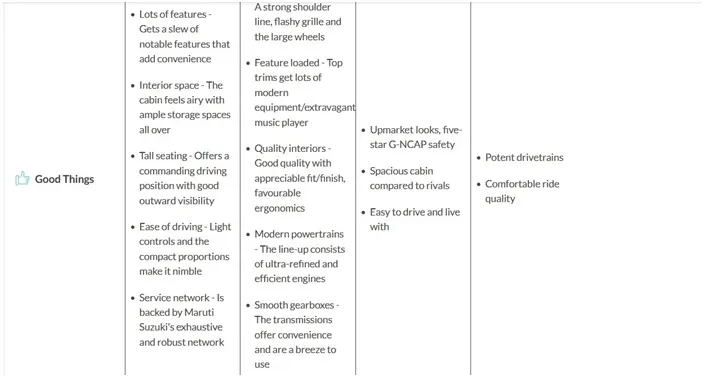
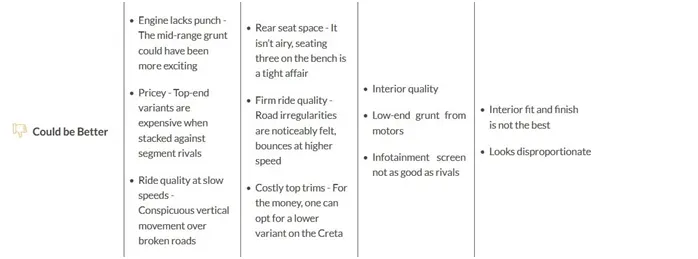
CONCLUSION:
- If Mr.Pughazhyendhii focuses on mileage efficiency, it would be better to move with Maruti Suzuki Brezza
- If he goes with the industrial safety standards. then Tata Nexon will be the best option as it has 5 star NCAP rating.
- In my opinion, for 4 adults and 1 child, with NCAP safety rating of 4, spacious cabin and leg room, Tata Nexon will be my first priority to suggest.