Underbody Coating
Underbody Coating
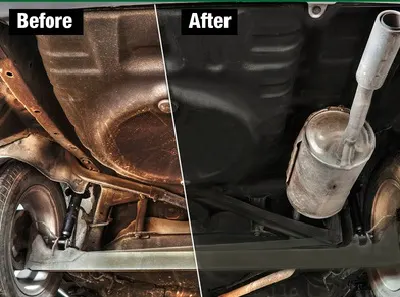
Automotive underbody coating protects a vehicle from everything the road can throw at it and more, they provide a layer of protection between a vehicle’s more vulnerable underside and damaging forces such as corrosion and moisture ingress. Underbody coating and how it protects our car underbody coating is usually a dense cladding (often based on rubber) applied uniformly to the undercarriage of the automobile. It is normally sprayed or painted on when the car is just out of the dealership and is clean.
Types of Undercoating:
Automotive underbody coating can be factory-applied or an aftermarket product. Most commonly these coatings are bitumen, resin, and wax based. The most suitable coating type is dependent on the required degree of protection, and the elements the car underside is likely to be exposed to.
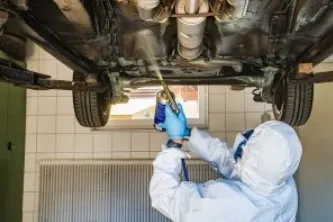
Applying automotive underbody coating to protect the car underside.
- Wax-based: An excellent anti rust coating suitable for all substrates. The wax is applied soft and cures hard, either by brush or spray, and can be layered thickly. It cannot be top coated.
- Bitumen-based: These car underbody coatings provide hard-wearing protection against stone chip damage and corrosion. They also have sound-deadening properties. Suitable across many substrates, but cannot be painted over. Can be applied by brush or spray, high build, and good for very tough conditions such as off-road.
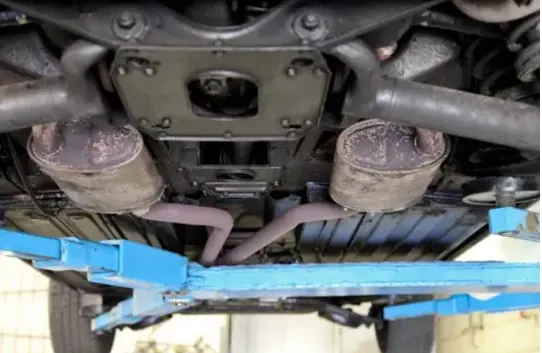
- Resin-based: Polyurethanes and rubber coating are popular because their elastomeric properties provide long-term stone chip damage and corrosion protection as well as sound deadening effects. These also have the benefit of being suitable for a wide range of substrates and they can be painted over. Can be spray-applied, high build, and particularly good for salted roads.
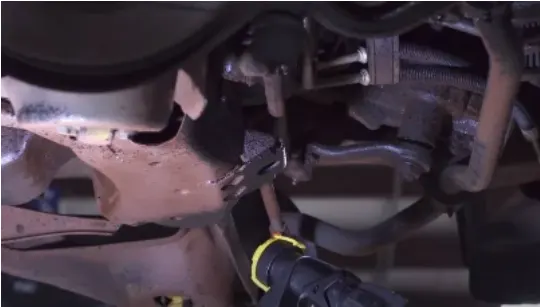
Undercoating Methods:
We have a few options to select from while considering an undercoating for our vehicle.
- Spray
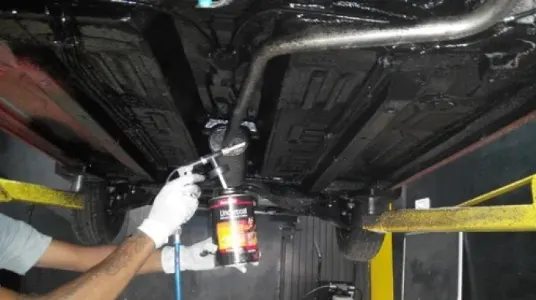
The spray is the most common method used by dealers. The spray consists of a tar-like substance that is applied to the undercarriage. It functions as a barrier for salt, moisture, and oxygen, which causes corrosion.
- Electronic
Removing the electrical current capacity of items underneath the vehicles is another method for applying to undercoat. A weak electric current circulates through the material, reducing the chances of rusting.
- Drip Oil Spray
If we want to do it by ourself, then drip oil spray is the best option. This can be messy but incredibly effective at protecting the undercarriage. It covers every nook and corner of the chassis, forming a robust layer of protection.
Time is the factor where you have to show patience in this method. It takes a long time to dry. In some cases, it drips around 48 hours to a week.
- Dripless Oil Spray
Coming to the last option, the dripless oil spray. This waxy substance is applied to the body and undercarriage, forming a strong protective layer. It doesn’t take much time to dry; however, the layer can easily wear and tear than the other counter methods.
Advantages
- Prevents stone chip damage – A car underbody coating provides a durable elastic over the underbody and wheel arches which protects the substrate from stones, gravel, salt, and other debris which is thrown up by the road.
- Protects from corrosion – The automotive coating process consists of at least five layers of protective and decorative paint. However, the underbody only receives the first two layers – the layers that provide the corrosion protection. But if that is the case why would another layer of coating be needed to protect from corrosion? The initial two layers provide corrosion protection, but are not very durable. Stone chip damage may expose the metal itself, leading inevitably to corrosion.
- Prevents water ingress – By covering cracks in the paintwork or joints in the undercarriage of a vehicle, moisture or water from humid or wet environments is prevented from creeping into the underbody and causing corrosion.
- Minimises sound – The noise of debris hitting a vehicle, or vibrations from the road can be dampened by the application of a car underbody coating. They prevent vibrations and because they are elastic, they make far less noise when struck than the metal underneath.
- Is easy to maintain – Giving the undercarriage of a vehicle a uniform appearance means cleaning it down is simpler and so is identifying possible problems.
Disadvantage
- High cost - Cost of underbody coating has come down, but is still expensive. This is because underbody coating offered by a car dealer is one way in which they make money off the customer.
- Risk of damage during application - Care must be taken while applying underbody coating. This thick rubberized paint if not applied properly, can get into moving mechanical parts and cause premature failure – such as into the U-joint or CV joints in a car, propeller shaft or drive shafts. They can also hinder smooth movement of suspension components, if applied incorrectly. And there’s also the risk of overspray on to the car’s paint finish on the lower edges of the car.
Conclusion
- This costly, eventhuogh it will protect the body from various problems.