Benchmarking
Benchmarking
- What is Benchmarking?
Benchmarking is defined as the process of measuring products, services, and processes against those of organizations known to be leaders in one or more aspects of their operations.
The Benefits of Benchmarking:
- Competitive Analysis - By identifying areas we wish to improve on in our business and benchmarking our existing performance against competitors, our business can strive to enhance our execution tenfold. Using benchmarking this way has allowed businesses to gain strategic advantages over competitors and grow industry averages.
- Monitor Performance - Benchmarking involves looking at current trends in data and projecting future trends depending on what we aim to achieve. In order to be successful; benchmarking needs to be a continuous process. Monitoring performance is an inherent characteristic of it.
- Continuous Improvement - As well as monitor performance, continuous improvement is an essential attribute of benchmarking. This is because the aim of benchmarking is to improve a certain element of a business. This improvement should not merely be something that improves once and is forgotten, but something that improves over time and is continuous.
- Planning and Goal Setting - Once benchmarking has been carried out, goals and performance metrics are set in order to improve performance. These goals are new, more competitive targets for a company but they must be achievable. If goals are unrealistic to achieve teams become demotivated and goals are destined to remain unfulfilled.
- Encourage Ownership - When companies look at their processes and metrics, they need to ask hard questions to get all the answers they need. This includes talking to everyone in the business and understanding their roles. By asking these questions and gaining a better understanding of everyone’s role, ownership for processes and performance is encouraged. This means that employees will take pride in their job and work they do. This pride leads to better performance and higher-quality end results.
- Understand Our Companies Advantages - Benchmarking identifies where our company is right now compared to where you want it to go. If you are looking at improving any process in our business, benchmarking is a way of looking at how we can excel and become more successful through outlining the steps needed to achieve our goal.
Benchmarking Process:
- Planning - The first stage of benchmarking is the most important in the process. Planning includes highlighting what we want to improve, who we will benchmark ourself against, and how we envisage success. Only once this step has been completed, we will be able to move onto the next step as the results of planning will focus on the information we need to collect and what success will look like.
- Collection of Information - After planning, benchmarking is about collecting information on our processes and how competitors do them. If we are looking to improve our customer service satisfaction rating, we should understand the processes involved in the department, how calls and communication are dealt with, and also how it differs from your competition. Maybe we can talk to someone in another call centre, or call the centre directly to gain first-hand knowledge of their processes. At this point, it is important to gather as much information as possible.
- Analysis of Data - Once we feel we have all the information we can gather, we can start to plot it and begin to understand the shortcomings we may have. It is important to remember at this point in the process that no business is perfect and we must have an open mind to be able to analyse information objectively. Once findings start to be uncovered, we can draft a report and start discussing the next steps to achieve better performance in this area.
- Action - Presenting findings to a department is never an easy thing, especially when we are proposing changes. Gathering and analysing information is only worthwhile when we can implement changes and better the company in the process. Gaining buy-in from a department can involve concessions so, make sure the MVP we present is accepted and will likely equate to the success highlighted in the planning stage.
- Monitoring - No plan is ever complete without monitoring results to determine how successful the plan has been. The implementation phase will have highlighted metrics and goals for success within a time frame so monitoring these is the only way of knowing the efficacy of the changes. Monitoring can be over a short or long period of time depending on the desired outcomes.
Benchmarking Examples:
- Process Benchmarking: This type of benchmarking helps us to better understand how our processes compare to others in our industry. By looking at other companies in the industry we can improve our processes to make them more efficient and cost-effective.
- Strategic Benchmarking: Strategic benchmarking, similar to process benchmarking, is all about improving parts of our company through looking at others in the industry. Strategic benchmarking relates to strategy and how to create a strategy that will allow us to be more competitive in our area.
- Performance Benchmarking: Performance benchmarking is the hardest process to improve as it involves learning about competitor performance metrics and procedures, and also making changes to processes within our business on the lower levels. Introducing new processes is a challenging action in any business as it requires buy-in from many different levels in the company. Performance benchmarking can uncover findings that might not be possible to implement in the business without creating a long-term change plan. These can be also the most effective and successful changes for a company.
Benchmarking Problem and Solution:
To compare the features of different cars of different companies and arrive at a decision of a car with best features within the budget. This analysis is done with the help of values provided by companies like the mileage, cost, power, torque, engine type and so on. This includes other features as well like the exterior, interior, space, etc.
Affordable Manual Transmission Car – INDIA
Price and Specifications
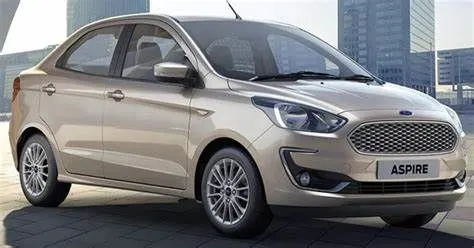
Aspire
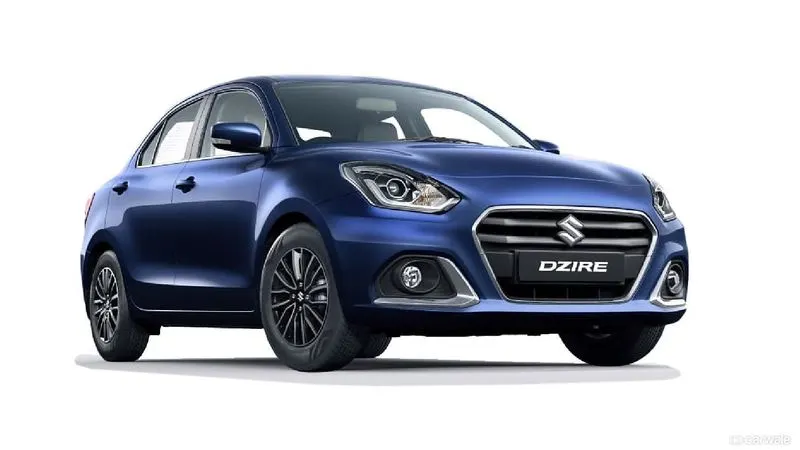
Dzire
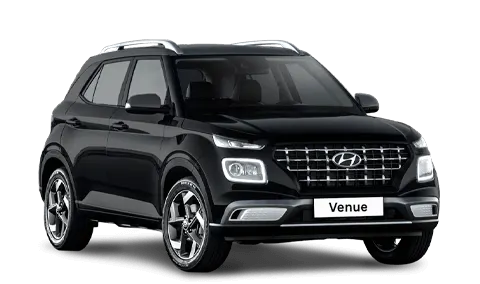
Venue
Amaze
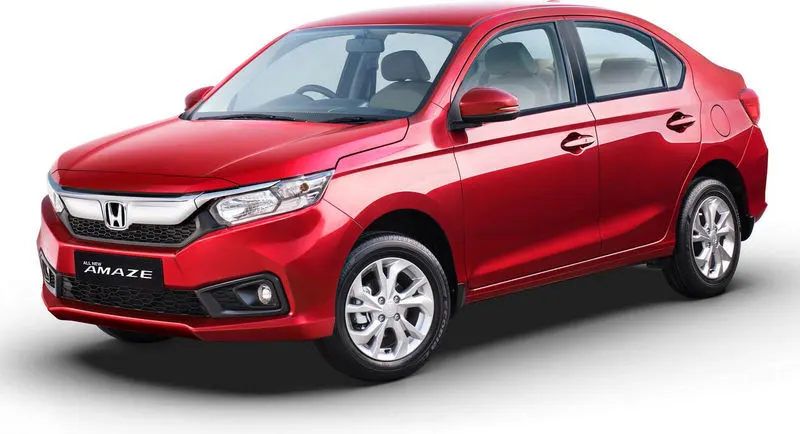
Recommended: Honda Amaze
Ford Aspire
Ford India launched the Aspire sub-four metre sedan in India back in 2018. The model is available with two powertrain options and five colours. The latter includes White Gold, Ruby Red, Moondust Silver, Smoke Grey, and Diamond White.
The on-road price of Aspire starts at ₹ 7.28 Lakh and goes up to ₹ 9.96 Lakh.
The Ford Aspire mileage is 18.5 to 24.4 kmpl. The Manual Diesel variant has a mileage of 24.4 kmpl. The Manual Petrol variant has a mileage of 18.5 kmpl.
Under the hood, the Ford Aspire is powered by a 1.2-litre petrol engine and a 1.5-litre diesel engine. The former is capable of producing 95bhp and 119Nm of torque while the latter produces 99bhp and 215Nm of torque. A five-speed manual unit is the sole transmission offered with the model.
Exterior highlights of the Ford Aspire include halogen lighting, C-shaped fog light clusters, and 15-inch multi-spoke alloy wheels. The model is available in two variants that include Titanium and Titanium+.
The Ford Aspire is a feature-packed compact sedan that offers an amazing balance between ride and handling. It gets a new petrol engine that is refined and fuel-efficient, also gets an optional CNG variant.
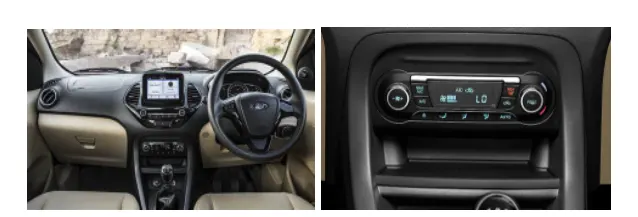
Features:
Safety
Aspire comes loaded with ABS (Anti-lock Braking System), Central Locking.
Interior
Aspire have Power Steering and also has Adjustable steering, power windows, rear armrest, driver's seat height adjusts, start / stop button.
Body
Aspire has 4 doors and 5 seats. With 359 Litres boot space, 42 Litres fuel tank capacity and a ground clearance of 174 mm. It is 1704 mm wide, 1525 mm high and 3995 mm long. It has 1044 Kg kerb weight and 2490 mm wheel base.
Brakes, Suspensions and Tyres
Aspire has Mc Pherson Strut suspension and Disc brakes. It has a 195/55 R15 front tyre size. It has Drum brakes in rear wheels.
Pros:
- The Ford Aspire starts with an affordable range of 7.28 lakh rupees.
- The Aspire gets auto head lamps, auto-dimming IRVM, rain-sensing wipers.
- Ford Pass connected car tech, and push-button start/stop.
- Ford Aspire Safety: Ford has equipped it with up to six airbags, ABS with EBD, and rear parking sensors.
- With the latest 1.2l Ti-VCT petrol BSVI compliant engine delivers superior power at 96PS (70.79kW) with an impressive fuel economy of 20.4 km/l.
Cons:
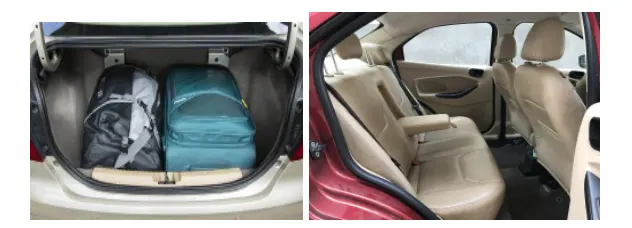
- Not the most spacious – headroom and boot space.
- Overall fit and finish are not that great.
- No rear-door pockets
Maruti Suzuki Dzire
The redesigned Maruri Suzuki Dzire includes a front bumper, new hexagon shaped grille with two slats and a chrome border and new fog lamp housings with chrome inserts. The Dzire is a well-rounded package that is hard to fault. And with the last update, Maruti has also provided a styling update in the form of a revised fascia. Otherwise, the Dzire continues to be a car with a strong motor, is extremely efficient, has sorted dynamics and is spacious and comfortable overall.
Maruti Suzuki Dzire ex-showroom price starts at ₹ 5.94 Lakh and goes upto ₹ 8.9 Lakh. The top variant Maruti Suzuki Dzire on road price is ₹ 9.91 Lakh*. Maruti Suzuki offers Dzire in 7 variants The Maruti Suzuki Dzire was first manufactured in the year 2008 for the Indian market.
The Maruti Dzire mileage is 23.26 kmpl to 31.12 km/kg. The Automatic Petrol variant has a mileage of 24.12 kmpl. The Manual Petrol variant has a mileage of 23.26 kmpl. The Manual CNG variant has a mileage of 31.12 km/kg.
The Maruti Suzuki Dzire facelift could be powered by a 1.2-litre K12C Dual Jet petrol engine. The outgoing engine produces 82bhp and 113Nm of torque in its current state of tune. The 1.3-litre diesel motor will be discontinued due to the BS6 emission norms.
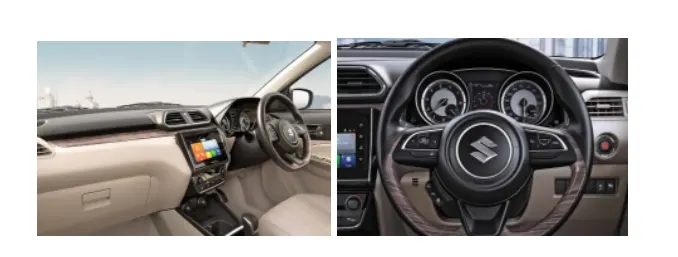
Features:
Safety
Dzire has ABS (Anti-lock Braking System), EBA (Electronic Brake Assist), EBD (Electronic Brake-force Distribution), ISOFIX (Child-Seat Mount).
Interior
Dzire has Power Steering. Maruti Suzuki Dzire also has Multifunction Display.
Body
Dzire is a Sedan with 4 doors and 5 seats, 37 Litres fuel tank capacity, 378 Litres boot space, 170 mm ground clearance. It has 1515 mm height, 3995 mm length, 1735 mm width, and 880-915Kg kerb weight.
Brakes, Suspensions and Tyres
Maruti Suzuki Dzire has Mc Pherson Strut suspension and Disc brakes in 165/80 R14 sized front wheels. It has Drum brakes in rear wheels.
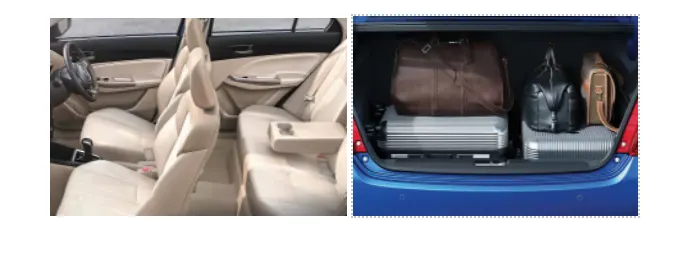
Pros:
- Proportionate compact sedan stance
- Refined petrol engine
- High claimed efficiency
- Comfortable ride quality
- Loaded with features
Cons:
- Fit and finish is not segment-leading
- Not involving to drive
- No diesel engine option
Hyundai Venue
Hyundai entered the sub-four metre SUV segment with the debut of the Venue back in May 2019. The model is currently available with three engine options across seven variants that include E, S, S(O), S+, SX, EX(O) Exe, and SX (O).
Hyundai Venue price starts at ₹ 6.99 Lakh and goes up to ₹ 11.88 Lakh (Avg. ex-showroom). Venue comes in 18 variants. The price of Venue petrol top version is ₹ 11.88 Lakh. The price of Venue diesel base version is ₹ 9.56 Lakh. Whereas the price of Venue automatic version starts from ₹ 9.13 Lakh.
The Hyundai Venue mileage is 17.52 to 23.7 kmpl. The Manual Diesel variant has a mileage of 23.7 kmpl. The Manual Petrol variant has a mileage of 18.27 kmpl.
The Hyundai Venue is available with three engine options that include a 1.2-litre NA petrol motor, 1.5-litre diesel, and a 1.0-litre turbo-petrol motor. The 1.2-litre NA version, which produces 82bhp and 114Nm of torque, is offered only with a five-speed manual transmission. The 1.5-litre diesel mill produces 99bhp and 240Nm of torque, and is paired to a six-speed manual unit or a six-speed automatic unit. The 1.0-litre TGDi engine produces 118bhp and 172Nm of torque, and comes mated to an iMT unit or a seven-speed DCT unit.
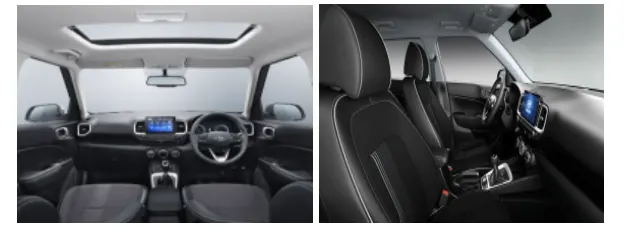
The Hyundai Venue is an accomplished compact family SUV. It is powered by refined engine options, has a comfortable cabin that’s well stocked with features and is also reasonably dynamic.
Features:
Safety
Venue comes loaded with ABS (Anti-lock Braking System), Auto-Dimming Rear-View Mirror, Central Locking, EBD (Electronic Brake-force Distribution), ISOFIX (Child-Seat Mount).
Comfort
Hyundai Venue has features like Adjustable Headrests, Android Auto, Apple CarPlay, Automatic Headlamps, Glove Box Cooling, Infotainment Screen, Keyless Entry, 12v Power Outlet, Voice Recognition.
Exterior
Exterior highlights of the Hyundai Venue include a split headlamp design, projector headlamps with LED DRLs, projector fog lights, LED tail lights, 16-inch dual-tone alloy wheels, a shark fin antenna, roof rails, and silver skid plates.
Interior
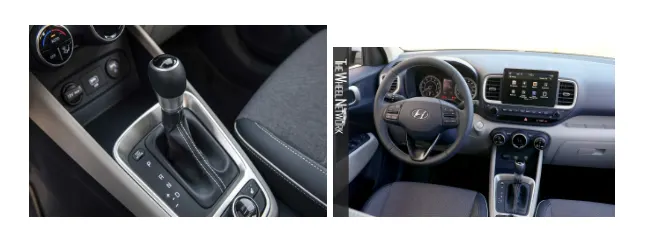
Inside, the Hyundai Venue receives features such as an electric sunroof, an eight-inch touchscreen infotainment system with Apple CarPlay and Android Auto, automatic climate control, flat-bottom steering wheel, height-adjustable driver seat, Hyundai Blue Link connectivity, wireless charging, cruise control, rear AC vents, and a sliding front arm rest.
Body
Venue has 5 doors and 5 seats. It is an SUV with 350 Litres boot space, 45 Litres fuel tank capacity and a ground clearance of 190 mm. It is 1770 mm wide, 1605 mm high and 3995 mm long. It has 1168 Kg kerb weight and 2500 mm wheel base.
Brakes, Suspensions and Tyres
Venue has Disc brakes, Mc Pherson Strut with Coil Spring suspension with Coupled Torsion Beam Axle with Coil Spring suspension and Drum brakes in rear wheels. It has a 195/65 R15 front tyre size.
Pros:
- Features list
- Quality interiors
- Lots of powertrain options
- Internet Connectivity
Cons:
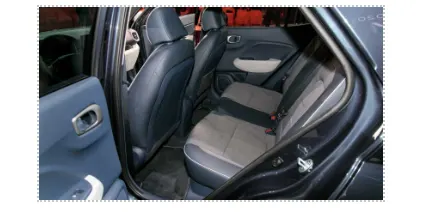
- Cabin space isn’t generous
- Top-spec variants are costly
- Engine options should be available across all trims
- Less Legroom Space for taller Person
Honda Amaze
Honda Cars India has launched the facelifted Amaze in the country. The model is available in three variants including E, S, and VX, across five colour options such as Platinum White Pearl, Lunar Silver Metallic, Golden Brown Metallic, Radiant Red, and a new Meteroid Grey Metallic colour.
Honda Amaze price starts at ₹ 6.46 Lakh and goes up to ₹ 11.29 Lakh (Avg. ex-showroom). Amaze comes in 9 variants. The price of Amaze petrol top version is ₹ 9.19 Lakh. The price of Amaze diesel base version is ₹ 8.80 Lakh. Whereas the price of Amaze automatic version starts from ₹ 8.20 Lakh.
The Honda Amaze mileage is 18.6 to 24.7 kmpl. The Manual Diesel variant has a mileage of 24.7 kmpl. The Automatic Diesel variant has a mileage of 24.7 kmpl.
Honda Amaze, comes with a 4 cylinder, 1199 cc, 1.2 Litres i-VTEC petrol engine. Petrol engine which can generate 90 PS @ 6000 rpm power and 110 Nm @ 4800 rpm torque.
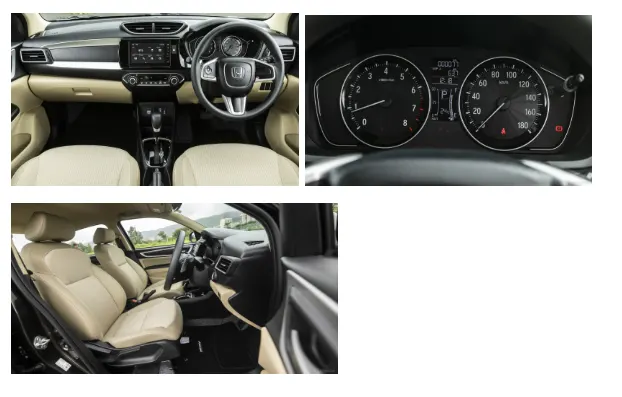
The 2021 Honda Amaze is essentially a facelifted version of the outgoing model. Armed with a mild makeover and a longer list of features, this sedan makes sense to those who are looking for a premium, safe, comfortable and spacious compact sedan that's fuel-efficient too.
Features:
Safety
Amaze has ABS (Anti-lock Braking System), Auto-Dimming Rear-View Mirror, EBD (Electronic Brake-force Distribution), ISOFIX (Child-Seat Mount).
Comfort
Honda Amaze, has Adjustable Headrests, Android Auto, Apple CarPlay, Glove Box Cooling, 12v Power Outlet.
Interior
Amaze have Steering Wheel, Power Steering, Power Windows, Driver's seat height adjusts. Honda Amaze also has Multifunction Display, Rear Armrest.
Exterior
New Honda Amaze facelift include a new front grille with chrome inserts, LED projector headlamps with integrated LED DRLs, LED fog lights, chrome inserts for the front bumper, C-shaped LED tail lights, chrome inserts on the rear bumper and boot-lid, chrome door handles, and 15-inch dual-tone alloy wheels.
Body
Amaze is a Sedan with 4 doors and 5 seats, 35 Litres fuel tank capacity, 420 Litres boot space, 165 mm ground clearance. It has 1498 mm height, 3995 mm length, 1695 mm width, and 934 Kg kerb weight.
Brakes, Suspensions and Tyres
Honda Amaze has Mc Pherson Strut and Coil Spring suspension and Disc brakes in 175/65 R14 sized front wheels. It has Drum brakes in rear wheels.
Pros:
- Spacious cabin, big boot
- Fuel-efficient engines
- Ease of driving
- Diesel-CVT Combination
Cons:
- Fit and finish in lower areas of the cabin
- Rear headroom tight for tall occupants
- Boxy Looks
Basic Difference Between Aspire, Dzire, Venue, and, Amaze
Overview:
|
Ford Aspire |
Maruti Suzuki Dzire |
Hyundai Venue |
Honda Amaze |
|
|
Variant |
1.2l Petrol Titanium+ MT |
1.2 Petrol ZXI+ MT |
1.2 Kappa MT S+ |
1.2L Petrol VX MT |
|
On Road Price |
₹ 8.57 Lakh |
₹ 9.65 Lakh |
₹ 9.70 Lakh |
₹ 9.27 Lakh |
|
Fuel Type |
Petrol |
Petrol |
Petrol |
Petrol |
|
Engine Displacement |
1194 |
1197 |
1197 |
1199 |
|
Body Type |
Sedan |
Sedan |
SUV |
Sedan |
|
Max. Power |
94.93 bhp @ 6500 rpm |
89.7 PS @ 6000 rpm |
82.36 PS @ 6000 rpm |
90 PS @ 6000 rpm |
|
Mileage (ARAI) |
18.5 km/l |
23.26 km/l |
17.52 km/l |
18.6 km/l |
|
Boot Space in (litres) |
359 Litres |
378 Litres |
350 Litres |
420 Litres |
|
Fuel Tank capacity |
42 Litres |
37 Litres |
45 Litres |
35 Litres |
|
Seating |
5 |
5 |
5 |
5 |
|
Transmission |
Manual |
Manual |
Manual |
Manual |
Safety:
|
Ford Aspire |
Maruti Suzuki Dzire |
Hyundai Venue |
Honda Amaze |
|
|
ABS (Anti-lock Braking System) |
Yes |
Yes |
Yes |
Yes |
|
ASR / Traction Control |
- |
No |
No |
- |
|
Auto-Dimming Rear-View Mirror |
- |
No |
No |
Yes |
|
Central Locking |
Yes |
No |
Yes |
No |
|
EBA (Electronic Brake Assist) |
- |
Yes |
No |
- |
|
EBD (Electronic Brake-force Distribution) |
- |
Yes |
Yes |
Yes |
|
ESP (Electronic Stability Program) |
- |
No |
No |
- |
|
Hill Assist |
- |
N |
No |
- |
|
ISOFIX (Child-Seat Mount) |
- |
Yes |
Yes |
Yes |
|
Lane Watch Camera/ Side Mirror Camera |
- |
No |
No |
No |
|
Number of Airbags |
2 |
2 |
2 |
2 |
Interiors:
|
Ford Aspire |
Maruti Suzuki Dzire |
Hyundai Venue |
Honda Amaze |
|
|
Adjustable Steering |
Yes |
Yes, Rake |
Yes, Rake |
Yes, Tilt Steering |
|
Instrument Console |
- |
Analogue + Digital |
Yes Analogue + Digital |
- |
|
Multifunctional Display |
- |
Yes |
Yes |
Yes |
|
Multifunctional Steering |
- |
No |
No |
Yes |
|
Power Steering |
Yes |
Yes |
Yes |
Yes |
|
Powered Seats |
- |
No |
No |
- |
|
Powered Windows |
Yes |
Yes, Front only |
Yes |
Yes |
|
Rear Armrest |
Yes |
No |
No |
Yes |
|
Driver’s Seat Height Adjust |
Yes |
No |
No |
Yes |
|
Start/Stop Button |
Yes |
No |
No |
No |
Engine:
|
Ford Aspire |
Maruti Suzuki Dzire |
Hyundai Venue |
Honda Amaze |
|
|
ARAI Certified Economy |
18.5 |
23.26 |
17.52 |
18.6 |
|
Battery Capacity |
.54 |
.6 |
.42 |
.42 |
|
Battery Type |
- |
- |
- |
- |
|
Compression Ratio |
- |
- |
- |
- |
|
No of Cylinders |
3 |
4 |
4 |
4 |
|
Cylinder Configuration |
- |
In-Line - DOHC |
In-Line |
SOCH |
|
Engine Capacity |
1194 |
1197 |
1197 |
1199 |
|
Engine Type |
1.2l Petrol Titanium+ MT |
1.2 Petrol ZXI+ MT |
1.2 Kappa MT S+ |
1.2L Petrol VX MT |
|
Fuel Type |
Petrol |
Petrol |
Petrol |
Petrol |
|
Power |
94.93 bhp @ 6500 rpm |
89.7 PS @ 6000 rpm |
82.36 PS @ 6000 rpm |
90 PS @ 6000 rpm |
|
Torque |
119 Nm @ 4250 rpm |
113 Nm @ 4400 rpm |
114 Nm @ 4000 rpm |
110 Nm @ 4800 rpm |
|
No of Valves per Cylinder |
4 |
4 |
4 |
4 |
Instrumentation:
|
Ford Aspire |
Maruti Suzuki Dzire |
Hyundai Venue |
Honda Amaze |
|
|
Avg. Speed Display |
- |
- |
- |
- |
|
Distance to Empty Display |
- |
No |
Yes |
Yes |
|
Drive Mode |
- |
No |
No |
2 |
|
Fuel Level Gauge |
Yes, Analogue |
Yes, Analogue |
Yes, Analogue |
Yes, Analogue |
|
Odometer |
Yes |
Yes, Digital |
Yes |
- |
|
Speedometer |
Yes |
Yes |
Yes |
Ye |
|
Tachometer |
Yes |
N |
Yes |
No |
|
Tyre Pressure Monitoring System |
- |
No |
No |
- |
Warranty:
|
Ford Aspire |
Maruti Suzuki Dzire |
Hyundai Venue |
Honda Amaze |
|
|
Basic Warranty |
- |
2 Years / 40000 kms |
3 Years/ Unlimited Kms |
10 Years |
|
Extended Warranty |
- |
No |
No |
- |
Body:
|
Ford Aspire |
Maruti Suzuki Dzire |
Hyundai Venue |
Honda Amaze |
|
|
Body Type |
Sedan |
Sedan |
SUV |
Sedan |
|
No of Door |
4 |
4 |
5 |
4 |
|
No of Seats |
5 |
5 |
5 |
5 |
|
Sunroof |
No |
No |
No |
No |
Dimensions And Weights:
|
Ford Aspire |
Maruti Suzuki Dzire |
Hyundai Venue |
Honda Amaze |
|
|
Boot Space |
359 Litres |
378 Litres |
350 Litres |
420 Litres |
|
Fuel Tank Capacity |
42 Litres |
37 Litres |
45 Litres |
35 Litres |
|
Ground Clearance |
174mm |
163mm |
190 mm |
165 mm |
|
Height |
1525mm |
1515mm |
1605 mm |
1498 mm |
|
Kerb Weight |
1044 |
880-951kg |
1168 Kg |
934 Kg |
|
Length |
3995mm |
3995mm |
3995mm |
3995mm |
|
Turning Radius |
4.9m |
4.8m |
5.4m |
4.7m |
|
Wheel Base |
2490mm |
2450mm |
2500mm |
2470mm |
|
Width |
1704mm |
1735mm |
1770mm |
1695mm |
Transmission:
|
Ford Aspire |
Maruti Suzuki Dzire |
Hyundai Venue |
Honda Amaze |
|
|
Drivetrain |
FWD (front wheel drive) |
FWD (front wheel drive) |
FWD (front wheel drive) |
FWD (front wheel drive) |
|
Gears |
5speed |
5speed |
5speed |
6speed |
|
Types |
Manual |
Manual |
Manual |
Manual |
Breaks and Suspension:
|
Ford Aspire |
Maruti Suzuki Dzire |
Hyundai Venue |
Honda Amaze |
|
|
Breaks - Front |
Yes |
Disc |
Ventilated Disc |
Disc |
|
Suspension - Front |
Yes |
Mc Pherson Strut |
Mc Pherson Strut with Coil Spring |
Mc Pherson Strut with Coil Spring |
|
Breaks - Rear |
Yes |
Drum |
Drum |
Drum |
|
Suspension - Rear |
Yes |
Torsion Beam |
Coupled Torsion beam Axle with Coil Spring |
Torsion Bar and Coil Spring |
|
Wheels Size |
R15 |
R14 |
R15 |
R14 |