Underbody Coating
What is underbody coating.
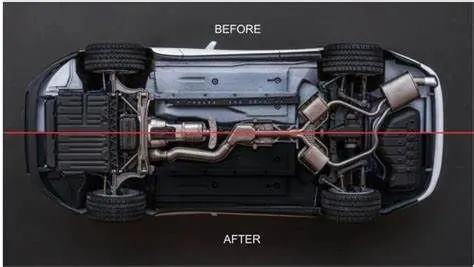
Underbody coating is a layer of rubber & oil based paint that uniformally applied to the under carriage of the automobile. It is normally painted or sprayed when the car is just out of production line, because that's the time when there is no rust or lint beneath the car body. The underbody coating protects the frame rails & other exposed metal parts from rust for a couple of years.
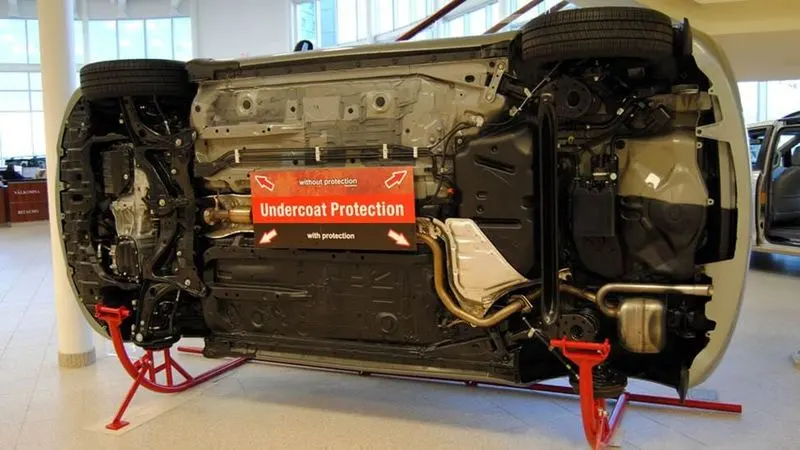
Purpose of Uderbody Coating.
- Underbody Coating is applied to protect the bottom surface of the car from rusting, oxidation, road noises, etc.
- It reduces the chances of wear & tear. When vehicle is being driven on roads some stones & pot holes dameges the bottom rails & caarriage of the car, by undercoating the surface remains in good condition for a couple of years.
- It could helps reduce the noise from outside.
- Applying the layer of underbody coating creates a barrier against the sound.
- Good quality undercoating will extend the life & value of our vehicles.
Types of undercoating.
Mainly there are 4 types of undercoating process carried out by the manufacturers or automotive garage.
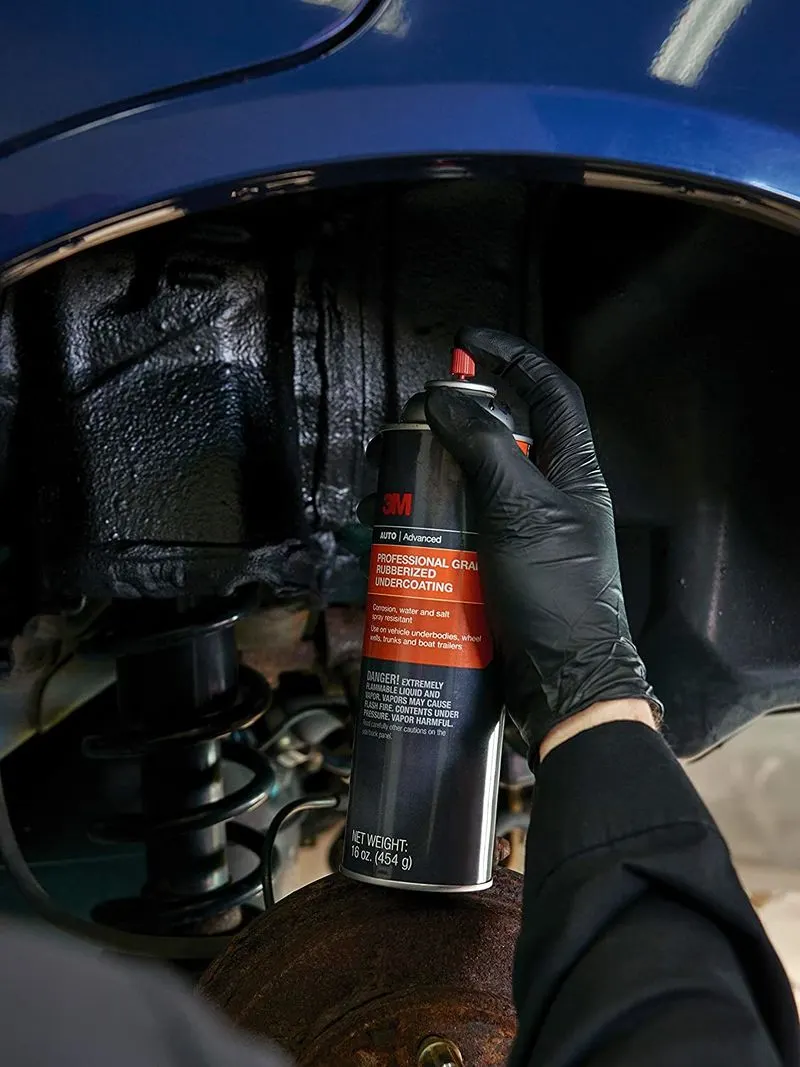
- Rubberized undercoating:
Rubberized undercoating is easy to apply & offers sound cushioning as well as protection from dust, rust, stones & dents, etc. In addition to your undercarriage, rubberized undercoating is also safe to use on wheels & quarter pannels, & dries to a soft rubbery finish that prevents further rust, damage or moisture. The coating can be painted over & if necessary for bodywork can be easily removed with an underbody removal spray.
Rubberized coating is generally the best option for protecting your vehicle's undercarriage, as it provides the simplest & best protective measur against rust & moisture.
- Polyurethene undercoating:
The other option for undercoating your vehicle is to use polyurethene based sealent. This method of undercoating is bit quicker & easier to apply.
Polyurethane undercoating comes in canisters ready to preload into an application gun. This type of sealant works by seeping into all seams & cracks. It also sands quickly in case you need to perform body work & can be painted over. On the flipside this type of car undercoating generally requires a little bit more surface prep work before applying.
It is generally recomended to perform sanding & etching bare metals & primer before applying polyurethane undercoating.
- Wax based undercoating:
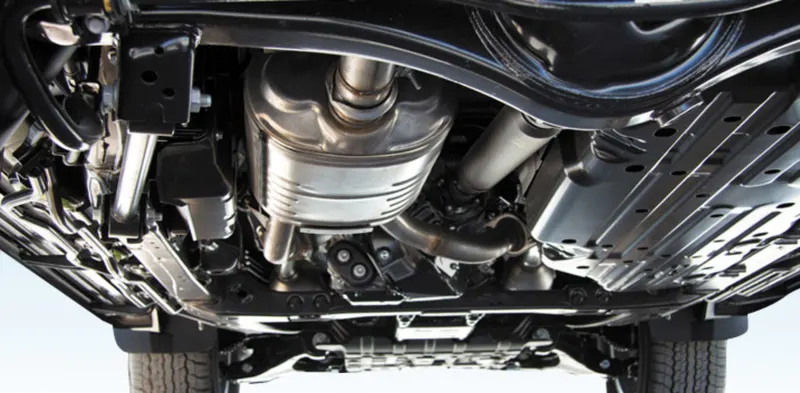
Wax based undercoating is the quickest & cheapest way to protect the vehicle's undercarriage. However keep in mind it rips off easily than other types of undercoating & will need to reapplied once in a year.
Wax based undercoating neve truly hard, during the process of applying it drips off into the seams & cracks to provide protective properties. They are usually available in a spray gun cans & offers at least a base protection at moderatly humid climates.
- Asphalt based undercoating:
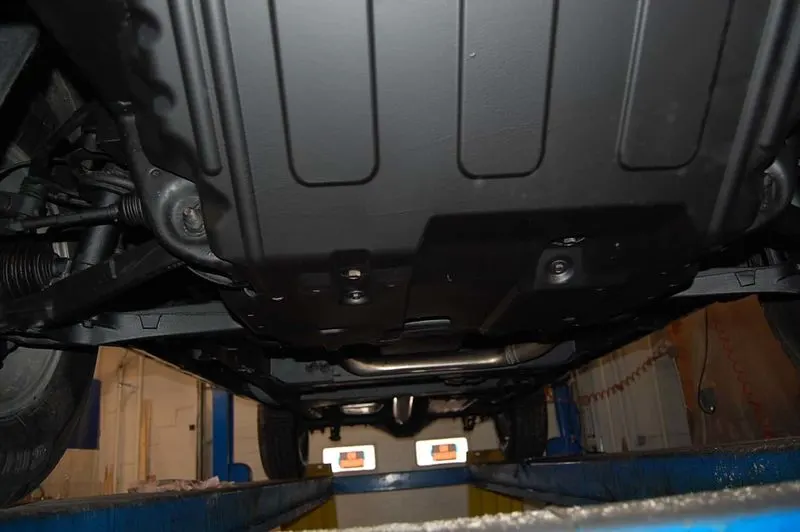
Asphalt based undercoating is use in heavy vehicles like trucks & off road vehicles to prevent from chipping, moisture, etc. Asphalt based undercoating is a bit durable undercoating form the aforementioned types.
Asphalt based undercoating contains little bit of rubberized material that sets up firmly & also helps soften noise. This type of undercoating needs more time to cure than the other three. It is not paintable, making it best to use only for undercarriages.
Pros of underbody coating-
- Absorbs noise:
A good layer of underbody coating creates a barrier between driver & road noises. Underbody coating (especially rubberized) absorbs most of the road noises while driving the vehicle. It serves as an extra insulation against the vibrations form the parts. It acts like a padding.
- Reinforcement:
All vehicles have an underbody coating, if you apply an additional layer to that existing underbody coating it will not harm your vehicle, instead of that it provides more protection form gravels, pot holes, debris, etc.
- Prolong car's life:
As underbody coating protects car's undercarriage form rusting, oxidation, etc. From that it adds ups the amount of time to the car's life. A good underbody coat not only provides protection to the undercarriage but also to the engine & transmission.
- Protection against corrosion:
When an undercoating is applied to a vehicle then you will be providing an underbelly with a layer of protection against rust & corrosion. Instead of contacting the metal parts directly the debris encounters the undercoating & protects the metal body.
- Self-applicable:
Perfection comes by professionals, rust proofing works best when done by trained workers. If there is a budget problem it can be done by ourself too. If one has the basic car maintenance skills the job can be done by itself too.
If this service applied by the dealership, it may costly, depending upon the make & model of the car. If it is done by ourself it doesn’t cost us much.
Just prepare yourself that DIY & professionalism has different outcomes.
Cons of underbody coating-
- Corrosive surface:
Underbody coating works well on new cars that are rust free & non-corrosive. The coating doesn't stick to the corrosive surface.
If you applied the coating on rusted surface, it may looks good but the oxidation/rusting will break through the coated surface & later damage the underbelly of the vehicle.
The surface should not be rusted/corrosive/oxidised on which underbody coating should be applied.
- High cost:
The underbody coating is bit costly rather than applied by ourself. As this is not a permanent solution against the rust. The coating starts to lose their accountability after some time due to affected by the gravels, moisture, rust, etc.
It needs to be done in every 3-5 years. The type of coating could be done depending upon the make & model of the car or depending upon where the environment is moist & where the vehicle is driven.
- Not impervious to damage:
Undercoating doesn't mean permanent or fixed against the damage. It depends where your vehicle is being driven.
If you drive your vehicle on gravelled road or doing off-roading often than the lifetime to the coating will not remain for so long as compared to normal coated vehicle.
- Works well on new vehicles:
Undercoating works well on new vehicles as it has no rust or oxidised area. It's always better to apply undercoating on a new vehicle as it offers premium quality & works well, compared to old or used vehicles.
If one bought an used or old vehicle, undercoating isn't the good option to go for it as it cost more than the value of the vehicle. Because it is necessary to remove all residue or oxidation/rust from the underbelly of the car.