Underbody Coating
Underbody coating provides long term protection from corrosion to car's underbody. It also protects parts like internal body panels, frame rails and other inner cavities that are not physically accessible but are prone to corrosion.
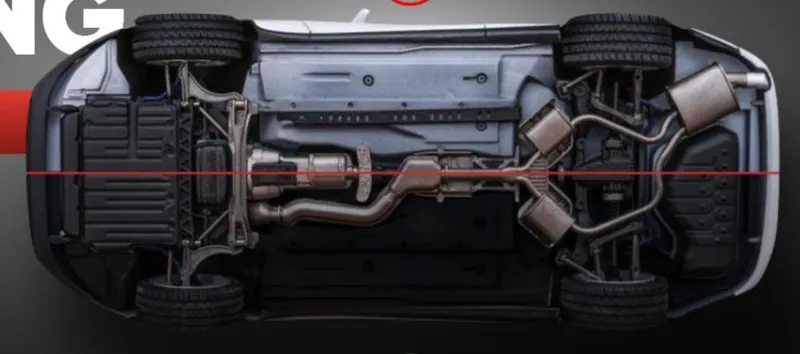
- Purpose of underbody coating:
Undercoating is designed to help lengthen the life of a car by preventing rust and other corrosion issues. An undercoating is great, especially in an environment that is not always dry, such as in Seattle. Moisture can get trapped in and around components of vehicles, resulting in rust.
DIFFERENT TYPES OF UNDERBODY COATING:
Underbody coatings are categorised into various types based on the type of material used.
Wax or paraffin-based underbody coating
This – more or less – ephemeral undercoating will wear away in a few months’ time. On the upside, wax-based undercoating puts up a big fight against moisture. It is also the most affordable option out there.
Polyurethane underbody coating
This type of undercoating is a lit a bit quicker and easy to apply. This type of undercoating often comes in a canister ready to preload into application gun. This type of undercoating always requires surface preparations before applying.
Rubberized underbody coating
These coatings are easy to apply and offer sound-cushioning as well as protection from dust, moisture and dents. The coatings are safe even to use on wheel wells and quarter panels and when it is dried forms a soft rubbery finish that prevents further rust and moisture seep.
Asphalt Based Automotive Undercoating
The above-mentioned undercoating is mainly used for light commercial vehicles. For vehicles such as trucks, buses, vans etc. asphalt-based undercoating is used for sufficient protection against rock chips and moisture. These asphalt-based undercoatings have a little bit of rubberised material that set up firmly and also helps in reduction in noise.
Some of the advantages to underbody coating:
Easy maintenance
A uniform black underbody coating gives a car a clean look. It also makes the car easier to maintain by just hosing the underside down. You can be confident that slush build up won’t lead to rusting easily.
Rust Prevention
Ideally any additional underbody coating should be applied when the car is brand new and clean. Car manufacturers use thick paints and sealants for the underbody, but adding an underbody coat especially in coastal cities is useful. Salt water tends to corrode cars really badly.
Absorbs Noise
Thick undercoating can soften the noises that reach the cabin. Since the undercoating is often made up of rubber it absorbs some of the rackets. The occupants of the car could spare themselves of the road noises – at least up to a certain extend.
Reinforcement
If your car comes with stock underbody coating, using another coating on top of it, is not going to hurt. It will offer additional reinforcement, protecting the underbody from water, road debris, gravel and small pebbles. There would also be a lesser chance for the factory coat to flake away.
Prolong car's life
Good undercoating not only defends the underbody from corrosion but also protects the engine and transmission as well! Less rusting coupled with slower wear and tear can surely add years to the lifespan of your vehicle. There would be fewer dents, dings and scratches on the undercarriage for you to fret about.
Some of the disadvantages to underbody coating:
Risk of damage during application
Care must be taken while applying underbody coating. This thick rubberized paint if not applied properly, can get into moving mechanical parts and cause premature failure – such as into the U-joint or CV joints in a cars propeller shaft or drive shafts. They can also hinder smooth movement of suspension components, if applied incorrectly. And there’s also the risk of overspray on to the car’s paint finish on the lower edges of the car.
High cost
Cost of underbody coating has come down, but is still expensive. This is because underbody coating offered by a car dealer is one way in which they make money off the customer.
It is less helpful if corrosion is already present.