Underbody Coating
1. Under-Body Coating:
In Indian road conditions, a car's underbody is most prone to corrosion. A coating composition that adheres to the underbody of an automobile and protects the underbody from the environment. It also protects parts like internal body panels, frame rails, and other inner cavities that are not physically accessible but are prone to corrosion.
It protects the underbody from
- Surrounding environment
- The impact caused by stones
- Resist the body from cold and heat
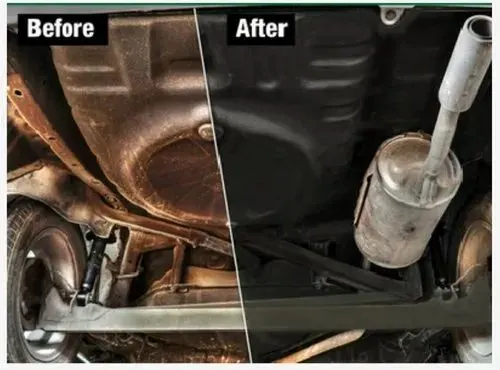
Types of Undercoating
1. Rubberized Underbody Coating:
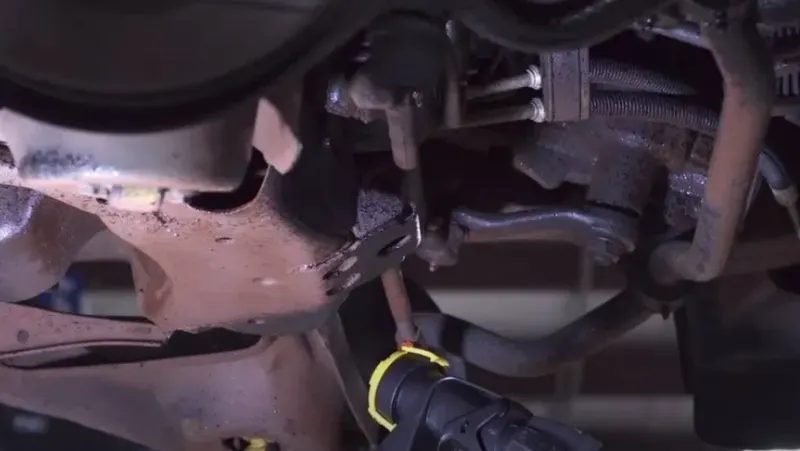
It preserves the underbody well, protecting it from scratches. Applying this to the undercarriage is not much of a hassle either.
This is generally thought of as the best underbody coating for your car.
2. Wax-based Underbody Coating:
This – more or less – ephemeral undercoating will wear away in a few months’ time. On the upside, wax-based undercoating puts up a big fight against moisture. It is also the most affordable option out there.
3. Aspalt-based Underbody Coating
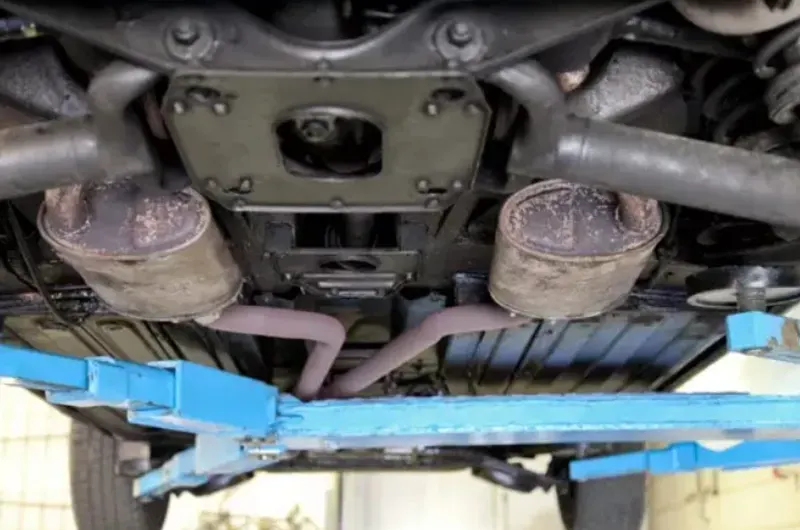
Best suited for lorries, trucks, and large vehicles this provides a greater degree of protection compared to rubber-based coatings. However, asphalt-based coatings contain little amount of rubber for sound-insulation purposes. The process of applying this coating is a bit time-consuming though.
4. Polyurethane Underbody Coating
This coating closes up splits and fractures on the underbody of the vehicle. It offers up good protection against corrosion and also bonds with the metal. Unlike in the case of asphalt-based coating, you can paint over the polyurethane coating.
Automotive Coating Process:
- Pretreatment: removes and cleans excess metal and forms an appropriate surface structure enabling bonding of a corrosion protection layer.
- The next step is electrodeposition (ED) of the anti-corrosion or rust prevention layer.
- A sealer like Poly Vinyl Chloride (PVC) is applied for anti-corrosion,
- elimination of water leaks, and minimization of chipping and vibrational noise.
- A primer is then applied to promote adhesion between the surface and the basecoat; it also imparts a smoother surface for subsequent layers and has anti-chipping properties.
- Finally, the topcoats that include a basecoat and clearcoat are applied: they provide surface properties that are sought after, including color, appearance, gloss, smoothness, and weather resistance.
Pros:
- It minimizes the sound from underneath the car resulting in a noiseless, smooth driving experience.
- It insulates the interior of the car from extreme temperatures from beneath the vehicle providing a comfortable cabin experience.
- If any stone hits the coating it does not get chipped away hence protecting the underbody from exposure to water.
Cons:
- Undercoating will not help you if corrosion already exists the corrosion needs to be removed first before it can be applied, which can be expensive for you.
- It must be reapplied every 3 to 5 years for the best results