To Generate seismic loading based on IS code and to run the analysis using TSD
WEEK 9 CHALLENGE
1Q. Generate seismic loading based on IS codal provinsions and zone II. Any other data you can assume and input accordingly.
Answer:
Code IS 1893-2016(Part-1) is the set of criteria for designing earthquake-resistant structures that is used to generate seismic loading.
We must take into account certain fundamental data and prerequisites for the building's earthquake responses while calculating the load of the seismic force.
It could include:
1. The kind of building
2. Soil type
3. The building's geographic zone
4. Kind of analysis technique employed
5. Inconsistencies in the Plan
6. Inconsistencies in Elevation
7. The building's number of stories
8. Structure's importance
9. The seismic force resisting system
Steps:
1. Add load cases for seismic loading
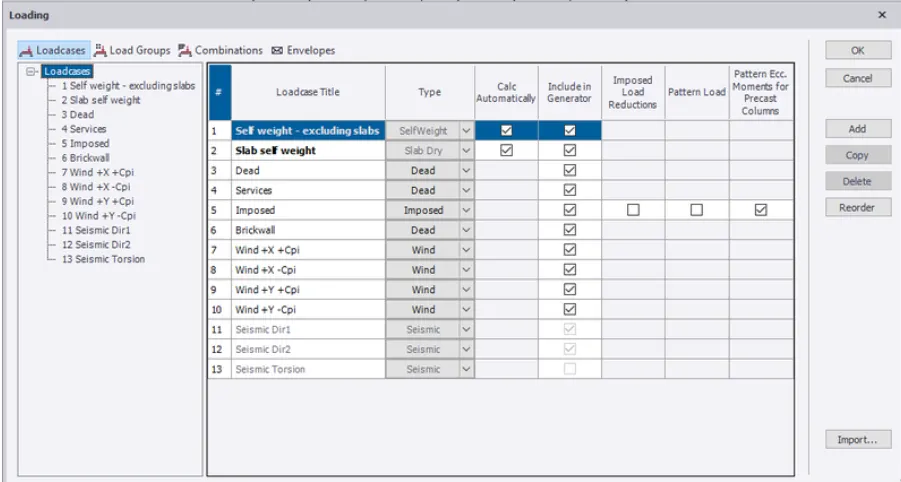
2. Go to load -> seismic load wizard
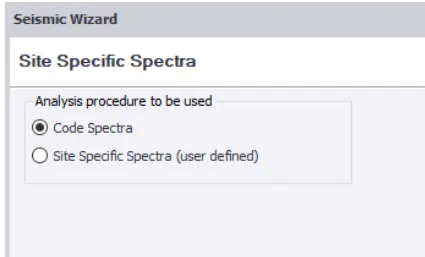
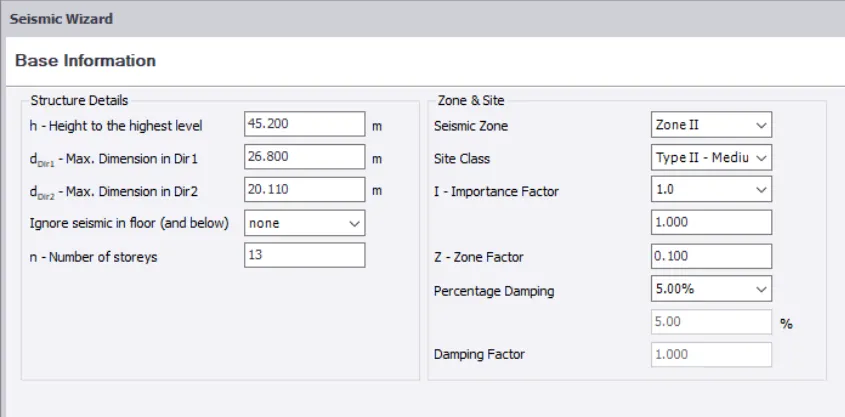
3. Enter the basic info -> Sesimic Zone as II
4. Importance factor = 1.2 from clause 7.2 of IS 1893
5. Zone factor as 0.1 from table 2 of IS 1893
6. Damping Percentage = 5% from clause 7.8 table-3 of IS 1893
7. Plan and Elevation Irregularities, clause 7.1 IS 1893
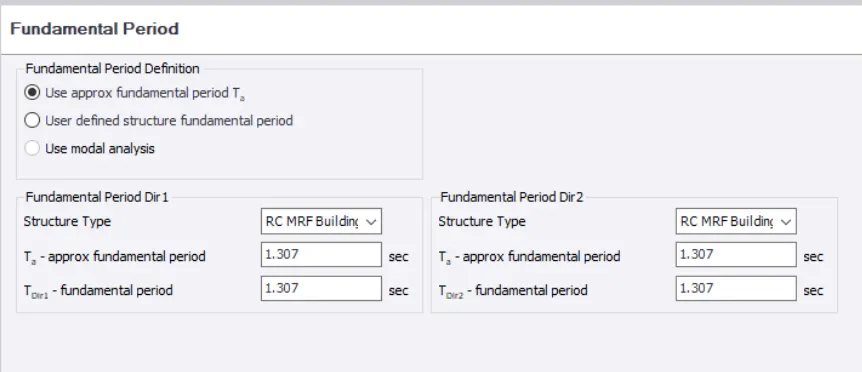
8. The method of Equivalent Lateral Force is selected.
IS 1893, Fundamental Period Clause 7.6
9. Complete the seismic load application by selecting the seismic force resisting system.
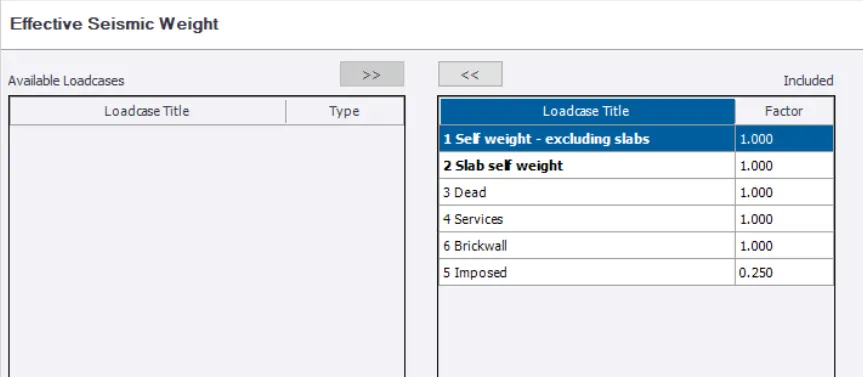
7. Add load cases
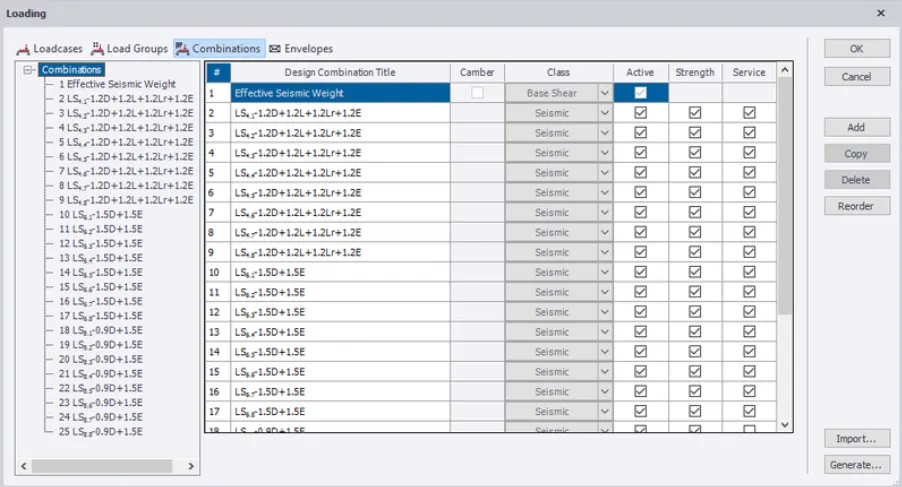
8. Generate load combination
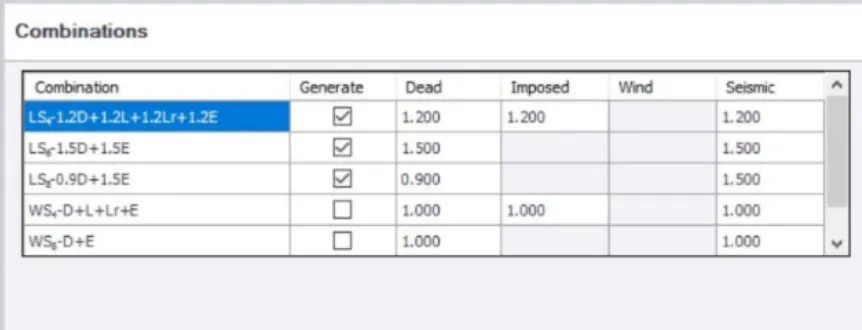
9. Examine the structure now using the combinations provided.
10. Access Analyze>Decide which load combinations to use.
11. Run the analysis now.
13. Perform a first-order linear analysis on the framework.
14. Examine the outcomes.
2Q. Run the analysis. Summarize your understanding of the analysis results.
Answer:
Check the Result mode for the results after the analysis.
Look for a moment in the main axis.
Check the minor axis for moment
Verify the primary axis for shear.
Verify the minor axis for shear.
Examine the axial forces.
Check the X, Y, and Z directions for deflection values.
For the structure to succeed and for every member to pass, the values must be inside bounds.
It is necessary to verify all of the aforementioned values for various load combinations involving various member types for floors and frames.
Regarding Frame 7= Face A
Put seismic pressure in direction 1.
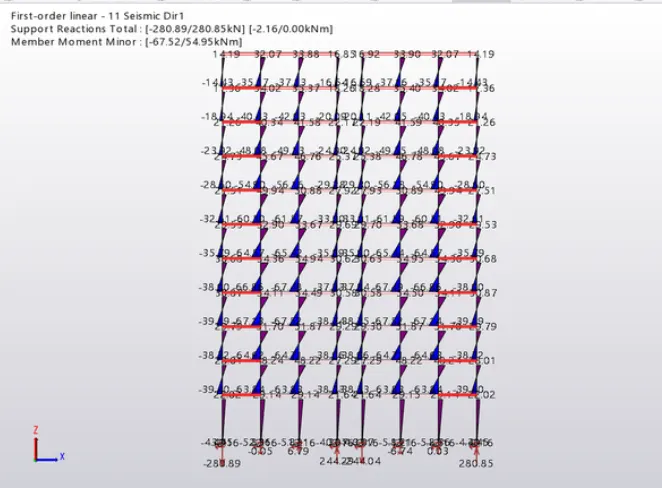
Verify the Major Axis Moment
Moment Minor:
Shear Minor:
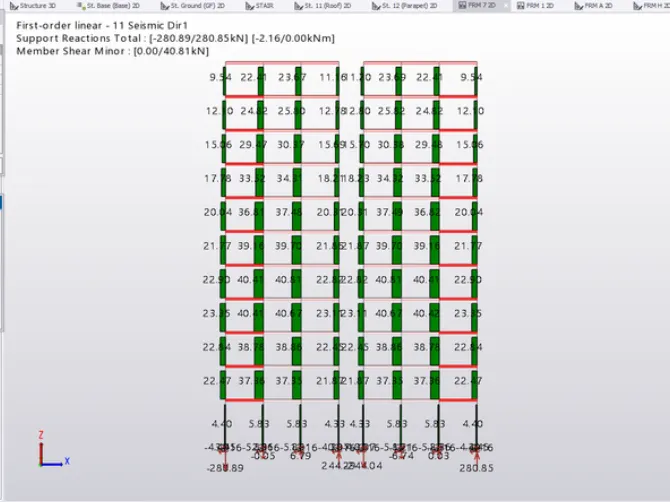
Regarding Frame 7= Face A
Put some seismic force in that direction. 1 Examine the major axis for shear.
Regarding Frame 7= Face A
Put some seismic force in that direction. 1 Verify the Z direction deflection values.
These are the deflections that can be reduced by raising the column's concrete grade.
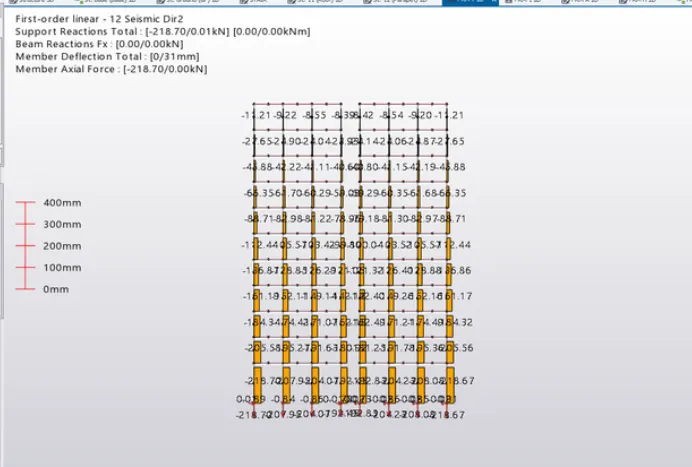
Frame 7: Apply seismic force in the direction of Face A 1 Examine the Axial Forces and Deflection
Axial forces are accurate since they decrease as height increases.