Section Modulus calculation and optimization
Section modulus is a geometric property for a given cross-section used in the design of beams or flexural members, relationship between these properties is highly dependent on the shape,
There are two types of section moduli
1) The elastic section modulus
2)The plastic section modulus
The elastic section modulus
the elastic section modulus is used, applicable up to the yield point for most metals and other common materials
The elastic section modulus is defined as S = I / y, where I is the second moment of the area, y is the distance from the neutral axis to any given material, and The moment of inertia is nothing but resistance against moment bending or twisting if we applied any external load on the body, the higher the value of the moment of inertia, have high resistance to deform under a certain load, hence we can say that moment of inertia is directly proportional to the strength of the material and the strength of the material can be calculated with the help of section modulus
The plastic section modulus
The plastic section modulus is used for materials where elastic yielding is acceptable and plastic behavior is assumed to be an acceptable limit, The plastic section modulus depends on the location of the plastic neutral axis, The plastic section modulus is the sum of the areas of the cross-section on each side of the PNA (which may or may not be equal) multiplied by the distance from the local centroids of the two areas to the PNA

The plastic section modulus is used to calculate the plastic moment, Mp, or full capacity of a cross-section. The two terms are related by the yield strength of the material in question, Fy, by Mp = Fy ⋅ Z. Plastic section modulus and elastic section modulus are related by a shape factor which can be denoted by k, used for an indication of capacity beyond the elastic limit of the material
This could be shown mathematically with the formula

The moment of inertia calculations
Here we use only The elastic section modulus because The elastic section modulus assumes the section remains elastic. The plastic section modulus assumes the entire section yields, Elastic modulus is the steel modulus based on the stress-strain curve before yielding. The plastic modulus after yielding.
S = I / y
S = Section Modulus
I = Moment of Inertia
y = distance between the neutral axis and the extreme end of the object
This is how we calculate the Section Modulus calculation and optimization the design with it using the nx, first, the section is taken in the two natural axis x and z
x-axis section Modulus calculation
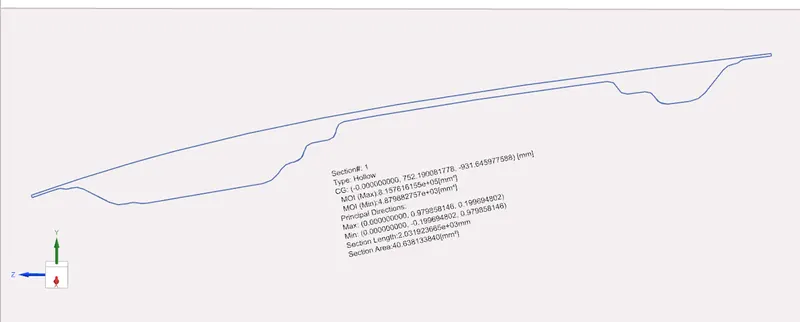
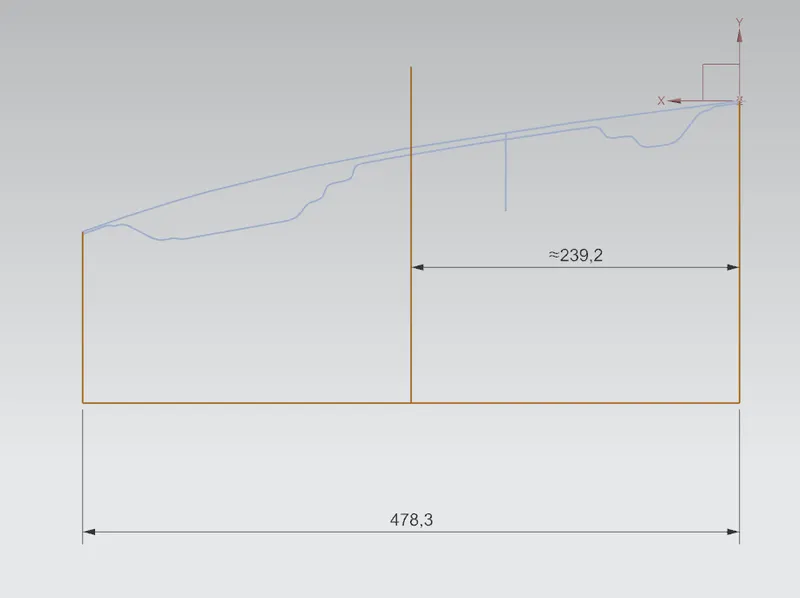
I=Min Moment of Inertia of the x-axis =4.879*10^03(mm^4)
y=239.2 mm
s=(4.879*10^03(mm^4))/(239.2 mm)
x-axis section Modulus =20.41mm^3
z-axis section Modulus calculation
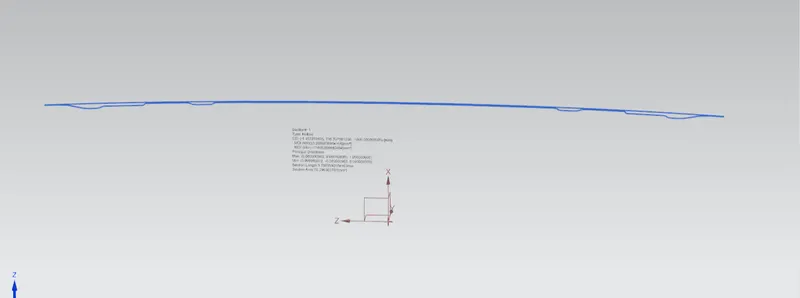
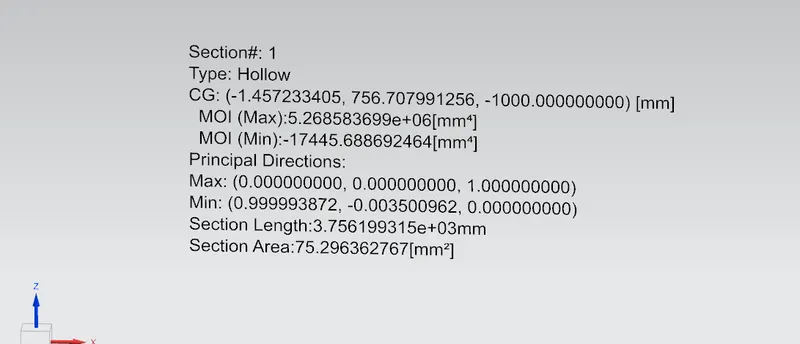
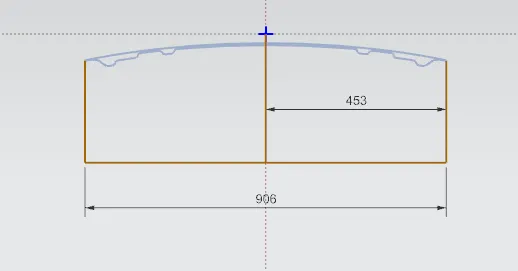
I=Min Moment of Inertia of the z-axis =17445(mm^4)
y=453 mm
s=(17445(mm^4))/(453 mm)
z-axis section Modulus =38.51mm^3
Section Modulus optimization
the section Modulus optimization is done based on the two values we received in the 1) x-axis section Modulus =20.41mm^3
2) z-axis section Modulus =38.51mm^3
conclusion
As the value of the section modulus is increasing with the value of the moment of inertia, so moment of inertia is directly proportional to the section modulus.