Section Modulus calculation and optimization
Introduction
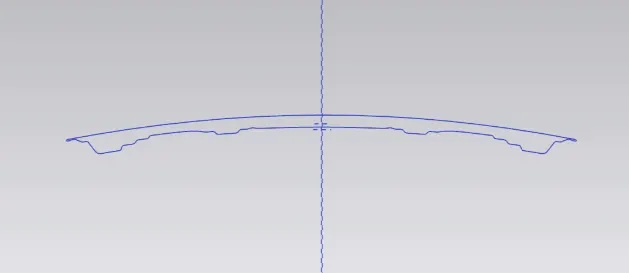
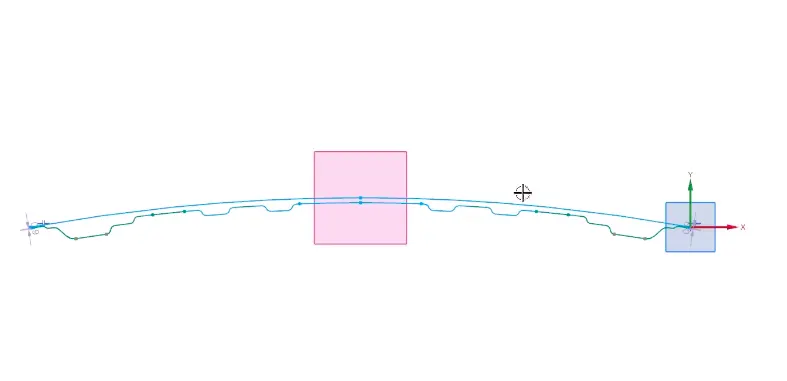
The section modulus is a critical parameter in structural engineering, representing the strength of a cross-sectional shape of a structural member, here we are using hood design as our structure. It is essential for assessing the load-bearing capacity of beams, columns, and other structural elements.
Understanding Section Modulus
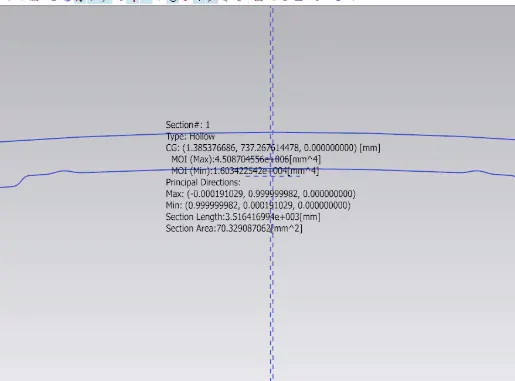
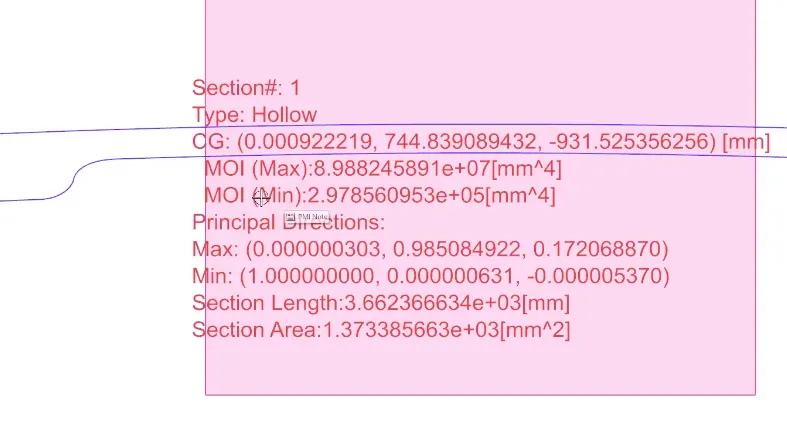
The section modulus (S) is a geometric property that measures the distribution of a cross-section's area about its centroidal axis. It plays a vital role in determining the flexural strength of a structural member. The section modulus is given by:
𝑆 = 𝐼/𝑦
Where:
I is the moment of inertia of the cross-section about the neutral axis.
y is the distance from the neutral axis to the furthest point in the cross-section.
The unit of section modulus is typically cubic length (e.g., cm³, in³).
Optimization of Section Modulus
Optimizing the section modulus involves adjusting the shape and dimensions of a cross-section to achieve maximum structural efficiency while minimizing material use and weight. The optimization process can be approached through:
- Material Selection: Choosing materials with high strength-to-weight ratios can enhance the section modulus without significantly increasing weight.
- Cross-Section Shape: Utilizing shapes like I-beams, T-beams, and hollow sections can provide higher section moduli compared to solid rectangular or circular sections. These shapes distribute material further from the neutral axis, increasing the moment of inertia.
- Dimensional Adjustments: Modifying the dimensions of a cross-section, such as increasing the height of a beam while maintaining the same weight, can significantly boost the section modulus.
- Advanced Computational Techniques: Employing finite element analysis (FEA) and optimization algorithms helps in designing cross-sections that meet specific performance criteria while adhering to constraints like weight and cost.
Applications
- Beam Design: Ensures beams can carry the required loads without excessive bending.
- Material Optimization: Helps in selecting the most efficient cross-sectional shape to minimize material use while maximizing strength.
- Safety Assessment: Evaluates the load-bearing capacity of structural elements to ensure safety and compliance with design standards.
Conclusion of this project report: The section modulus is a fundamental aspect of structural engineering that influences the strength and stability of structural members. Accurate calculation and thoughtful optimization of the section modulus can lead to more efficient and cost-effective designs. By considering factors like material selection, cross-section shape, and advanced computational methods, engineers can enhance the performance and safety of structures while minimizing resource use. This optimization not only improves structural integrity but also contributes to sustainable engineering practices.
What I learned ?
Its is very essential to check for the section modulus since, it give us the strength of the materials and the structural analysis for the beam, column and structure. So it is very important to do these analysis before going for production.