Section Modulus calculation and optimization
Section Modulus
Section Modulus is the geometric property of the given cross-section of any shaft or beam structures. It is the direct measure of the strength of the shaft section or the beam section. The higher the section modulus of a structure, the more resistant it becomes to bending.
OR
Section modulus is defined as the ratio of the polar moment of inertia to the radius of the shaft or the distance from the neutral axis to the outer fibres.
The common way of calculating Section Modulus for a shaft requires its diameter even if it is a solid or hollow shaft. If it is a beam (Square/rectangle in shape) then it will require the moment of inertia and the distance of the outer fibres from its neutral axes.
Following is the formula to calculate the section modulus for the solid shaft
S=π/16 * d^3
Where d is the diameter of the shaft.
If it is the hollow shaft then
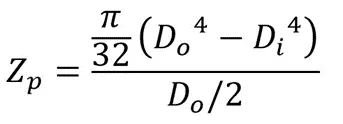
On the other hand, there are two types of section moduli, The Elastic Section Modulus, and the Plastic Section Modulus.
The Elastic Section Modulus has the same definition as the above-mentioned formula where it should be used for the materials which behave elastically under loading.
whereas the Plastic Section Modulus is used for the materials which have plastic behaviour as a dominant character.
The formula for the plastic section modulus is defined as the sum of the product of the area of the cross-section on each side of the plastic neutral axis and the distance from the local centroids of the areas to the plastic neutral axis.
SECTION MODULUS STUDY.
CASE1: WITH EXISTING HOOD DESIGN
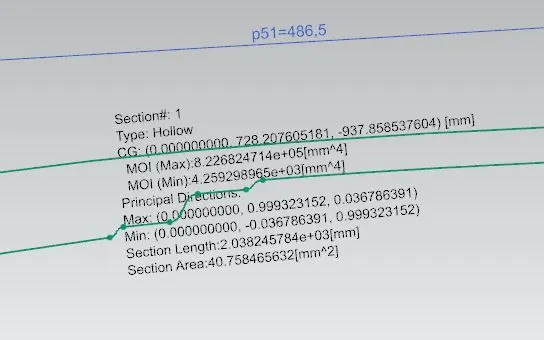

CASE 2: WITH OFFSETTING THE LOWER SIDE CURVE 5 MM
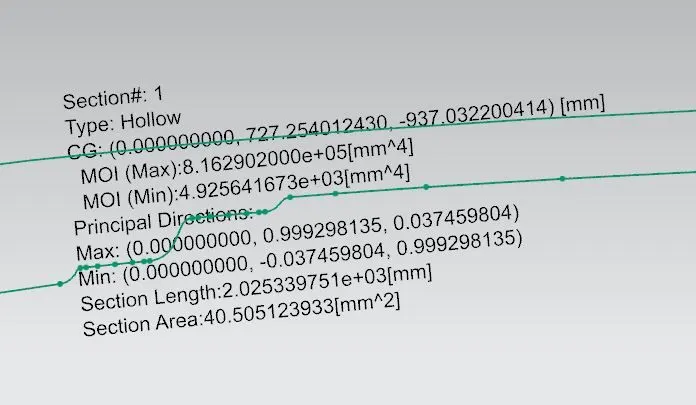

CASE 3: WITH MODIFYING THE CURVE AND ADDING ONE NEW JOGGLE IN THE EXISTING CURVE.
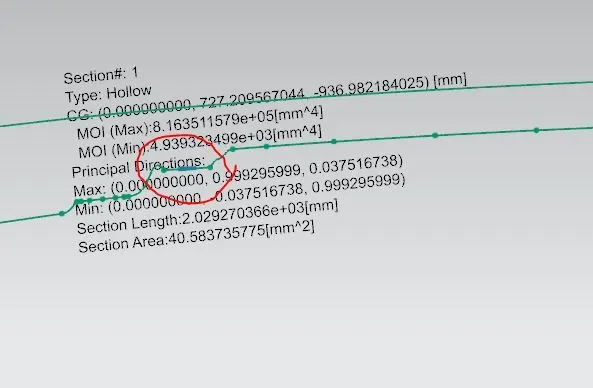

conclusion: in case 3 by adding extra joggle in the marked area the section modulus increases which results in better strength of the structure.