Roof Design
1. Introduction
The purpose of this report is to document the process of designing a roof using NX CAD software. The roof design is a crucial aspect of architectural projects, impacting both aesthetics and functionality.
2. Design Requirements
Before starting the design process, it's essential to establish the design requirements. These could include factors such as architectural style, load-bearing capacity, environmental considerations, and client preferences.
3. Initial Sketch and Conceptualization
Begin by creating a rough sketch of the roof design. This will help visualize the basic shape and layout of the roof. Import the sketch into NX CAD and use it as a reference while creating the 3D model.
4. Creating 3D Model
Start by creating the basic roof structure using appropriate tools such as extrusion, lofting, or sweeping. Pay attention to details like slopes, angles, and intersections. Utilize NX CAD's parametric modeling capabilities to make adjustments easily.
5. Applying Materials and Textures
To enhance the realism of the design, apply materials and textures to the roof surfaces. NX CAD allows for the integration of various material libraries. Choose materials that align with the project's requirements and style
6. Fine-Tuning the Design
Review the 3D model and make necessary adjustments. This could involve refining angles, adjusting proportions, and ensuring that the design aligns with the initial requirements. Collaborate with stakeholders to gather feedback and incorporate changes.
7. Finalizing the Design
Once the design is refined, perform a final review. Ensure that all elements are accurately modeled, materials are correctly applied, and the design meets the established requirements. Conduct thorough quality checks to avoid any errors.
8. Conclusion
Designing a roof using NX CAD involves a systematic process of conceptualization, modeling, refinement, and finalization. By following this process and utilizing the software's capabilities, an architect or designer can create a roof design that combines both functionality and aesthetics.
9. References
Include any references to resources, materials, or guidelines used during the design process.
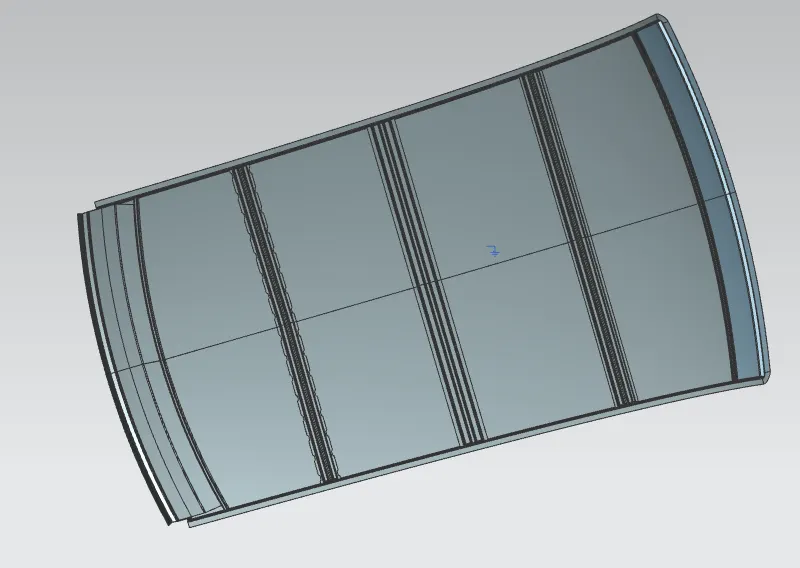
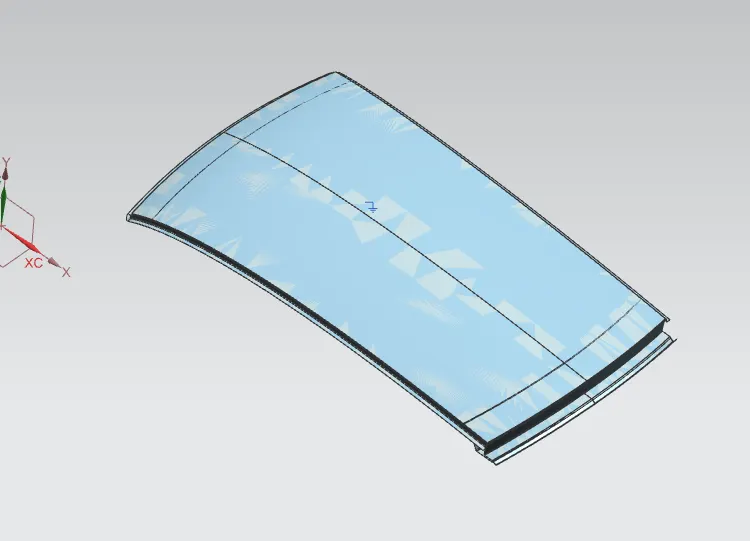
Prepare a report which includes the curvature study on the roof based on the Bow roof prediction calculation as well as the manufacturing techniques.
1. Introduction
The Bow roof design is an innovative architectural concept that combines elegance with practicality. This report delves into the curvature study, which involves predicting the curvature of the roof, and outlines key manufacturing techniques required for its successful realization.
2. Curvature Study
Bow Roof Prediction Calculation
The curvature of the Bow roof is a critical factor that influences both its visual appeal and structural stability. A predictive calculation method is employed to determine the optimal curvature parameters. Finite Element Analysis (FEA) tools are utilized to simulate various load scenarios and assess how the curvature affects stress distribution.
Structural Integrity Analysis
A detailed structural analysis is conducted to evaluate the curvature's impact on load-bearing capabilities. This analysis ensures that the Bow roof design can withstand external forces such as snow, wind, and its own weight while maintaining stability and safety.
Aesthetic Considerations
The curvature study extends beyond structural aspects. Aesthetic considerations involve fine-tuning the curvature to achieve a visually pleasing and harmonious design. Iterative modeling and visualization help refine the curvature to align with architectural goals.
3. Manufacturing Techniques
Material Selection
Choosing appropriate materials is fundamental to realizing the Bow roof design. Lightweight yet durable materials like engineered timber or steel are considered, taking into account factors such as strength, flexibility, and compatibility with the desired curvature.
Frame Fabrication
Manufacturing the roof's supporting frame requires precision and expertise. Computer Numerical Control (CNC) machining is employed for accurate shaping of frame components. Advanced welding techniques ensure strong and seamless joints.
Curvature Implementation
The determined curvature is translated into the manufactured components. CNC technologies are used to accurately reproduce the calculated curvature in the frame elements, maintaining design integrity and load distribution.
Roof Covering
The choice of roofing material depends on factors like weather resistance and aesthetics. Techniques such as membrane roofing or shingle application are used to cover the curved surface while accommodating the curvature's unique geometry.
4. Conclusion
The curvature study and manufacturing techniques presented in this report underscore the intricate relationship between design, engineering, and construction. The predictive curvature calculation ensures both structural soundness and visual appeal, while the manufacturing techniques bring the Bow roof design to life in a practical and efficient manner.