Fender Design - Wheel Arch Challenge
1. Introduction:
Fenders play a vital role in vehicle safety by absorbing impact energy during collisions, preventing damage to other vehicles or pedestrians. To maintain a high level of safety and standardization, regulatory bodies have developed regulations for fenders. Compliance with these regulations is essential for manufacturers to ensure the safety and marketability of their vehicles.
2. Fender Regulations Overview:
Fender regulations typically cover aspects such as material requirements, design specifications, structural integrity, impact resistance, and compatibility with other vehicle components. These regulations aim to minimize the risk of injury to vehicle occupants and pedestrians during accidents.
3. International Regulations:
3.1 United States:
The United States has established fender regulations under the Federal Motor Vehicle Safety Standards (FMVSS). FMVSS 215 sets requirements for passenger car fenders, while FMVSS 223 focuses on truck and bus fenders. These standards address aspects like energy absorption, material strength, and compatibility with other vehicle components.
3.2 European Union:
In the European Union, fender regulations fall under the framework of the European Whole Vehicle Type Approval (EWVTA). The EU Regulation No. 661/2009 specifies safety requirements for various vehicle components, including fenders. It covers areas such as energy absorption, structural integrity, pedestrian protection, and material durability.
3.3 Japan:
In Japan, fender regulations are governed by the Ministry of Land, Infrastructure, Transport and Tourism (MLIT). The Japanese Industrial Standard (JIS) sets guidelines for fender safety, including impact resistance, material strength, and compatibility with other vehicle parts. These standards ensure the safety and performance of vehicles in the Japanese market.
3.4 Other Countries:
Several other countries have their own regulations for vehicle fenders. Examples include Australia (ADR 42/04), Canada (CMVSS 215), and China (GB 15084). These regulations often align with international standards or adapt them to suit local market conditions.
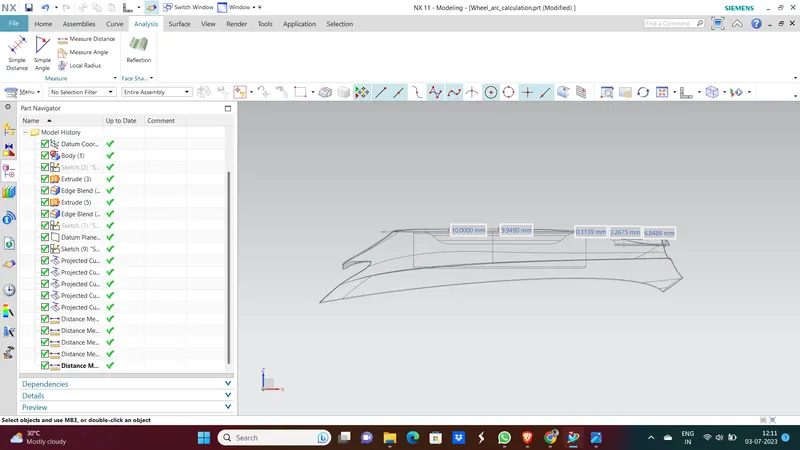
| SA | 9.9mm |
| SB | 10mm |
| SC | 0.1mm |
| SD | 3.2mm |
| SE | 6.3mm |
Fender design refers to the specific characteristics, shape, and structure of the fenders of a vehicle. The fenders, also known as wheel arches, are the panels that cover and protect the wheel wells, housing the tires and wheels. They play a crucial role in both the aesthetics and functionality of a vehicle.
The design of fenders can vary significantly between different vehicles and manufacturers, as it is influenced by various factors such as the vehicle type, style, intended use, and engineering requirements. Here are some key aspects that define fender design:
1. Shape and Contour: Fenders can have different shapes and contours, ranging from simple and flat designs to more sculpted and curved forms. The shape of the fender often complements the overall design language of the vehicle and contributes to its visual appeal.
2. Integration with Body Panels: Fenders are integrated with other body panels, such as the front or rear bumpers, doors, and hood. The design aims for smooth transitions and cohesive lines between these components to create a harmonious overall appearance.
3. Wheel Arch Size: The size of the wheel arches determines the amount of space available for the tires and wheels. Fender design should provide adequate clearance for tire rotation and suspension movement, preventing interference and ensuring proper functionality.
4. Material and Construction: Fenders can be made of various materials, including steel, aluminum, fiberglass, or composites. The choice of material affects the fender's weight, strength, and durability. The design also considers the attachment methods and structural integrity to withstand impacts and vibrations.
5. Functional Elements: Fender design may incorporate functional elements such as vents, air intakes, or flares. These features can serve multiple purposes, including improving aerodynamics, cooling brakes or engines, or enhancing the vehicle's sporty appearance.
6. Protective Function: Fenders provide protection against road debris, water splashes, and other external elements that could damage the vehicle's body or affect its performance. The design aims to minimize the risk of damage to the fenders and ensure their ability to withstand impacts.
Overall, fender design is a careful balance between aesthetics, functionality, and engineering considerations. It combines elements of style, safety, and practicality to create an integral part of a vehicle's overall design.
the Wheel Arch gap is not at required points and the car does not passes the European standard .