Roof Design
ROOF DESIGN by (Pramod Mamillapalli)
Introduction:
Certainly! The car roof is the uppermost part of a vehicle that covers the passenger compartment. It serves multiple purposes, including:
-
Protection: The car roof provides protection from external elements such as rain, snow, sunlight, and debris. It helps keep the passengers and interior of the vehicle dry and shields them from direct exposure to the sun.
-
Structural Support: The roof plays a crucial role in maintaining the structural integrity of the car. It contributes to the overall rigidity and strength of the vehicle's body, enhancing safety in the event of a collision or rollover.
-
Aerodynamics: The design of the car roof affects the vehicle's aerodynamics, influencing factors like drag, stability, and fuel efficiency. Automakers often consider aerodynamic principles to optimize the shape and contours of the roof for improved performance.
-
Space and Comfort: The roof provides headroom for the occupants, allowing them to sit comfortably inside the vehicle. Some cars may have additional features like a sunroof or panoramic roof, which can be opened or have glass panels to provide natural light and a sense of openness.
Car roofs are typically constructed using steel or aluminum for strength and durability. However, modern car designs also incorporate lightweight materials such as carbon fiber or composite materials to reduce weight and enhance fuel efficiency.
It's important to note that different car models may have variations in roof styles, including sedans, hatchbacks, SUVs, convertibles, or even specialty vehicles like vans or trucks, each with their own unique roof configurations.
Aim: Designing of a car roof from the given skin data and master sections for roof rails, also need to calculate the curvature study and draft analysis.
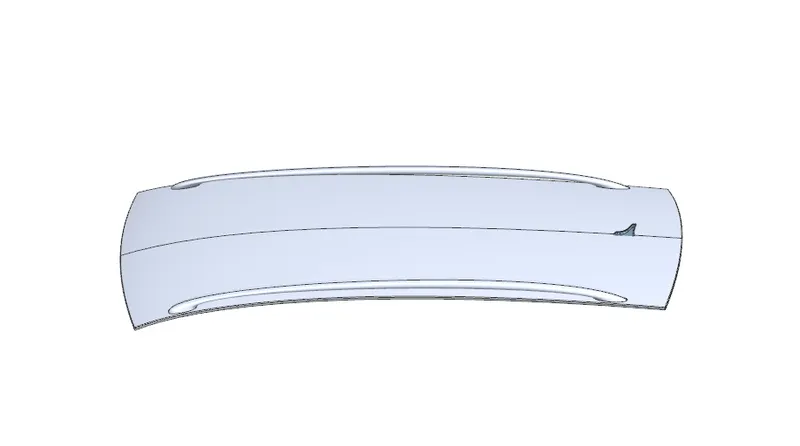
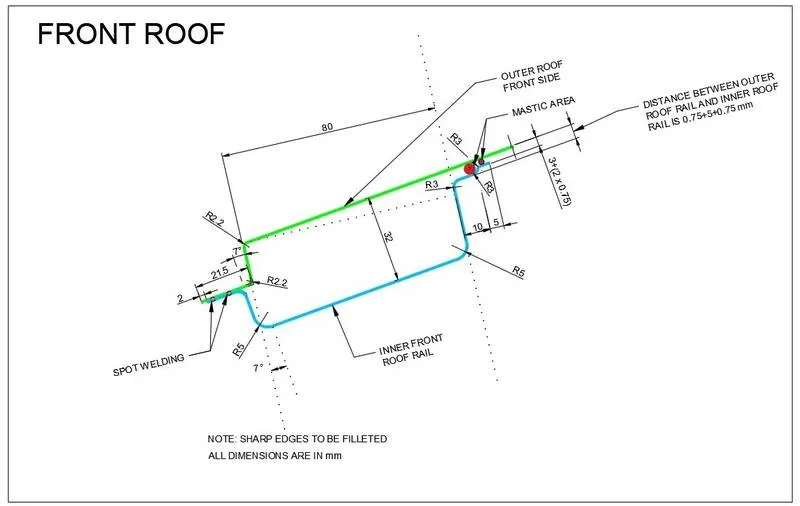
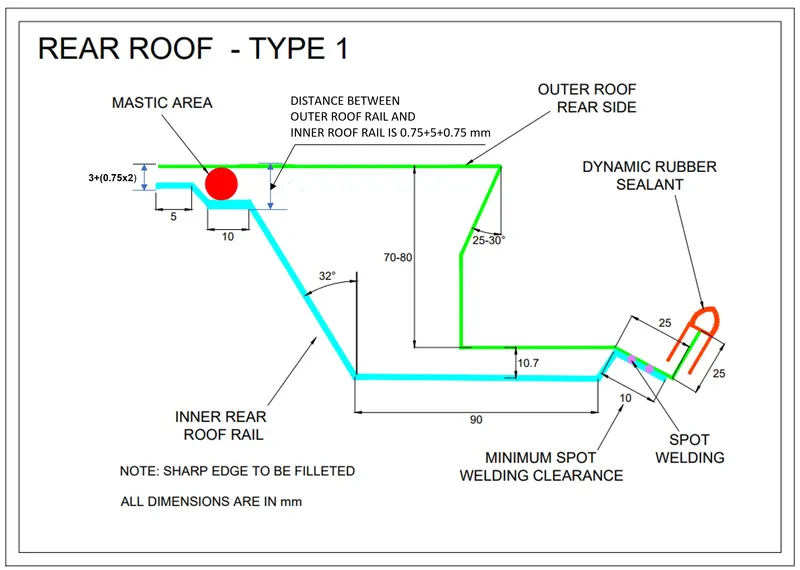
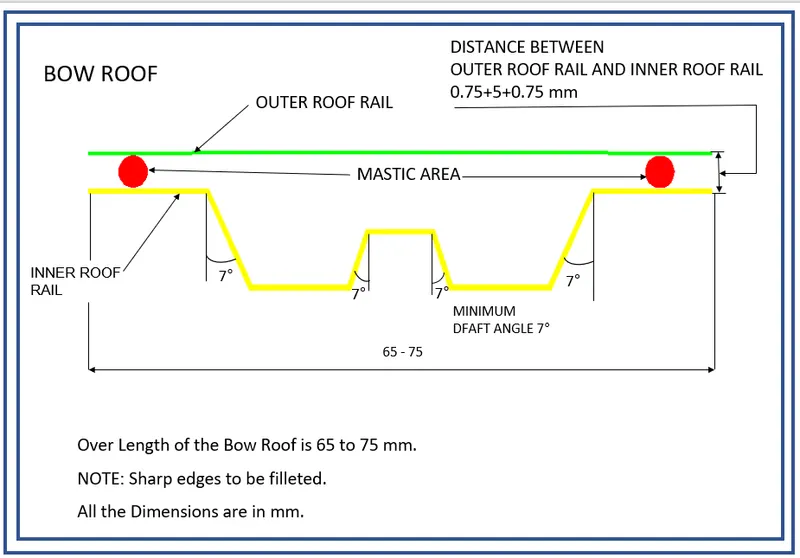
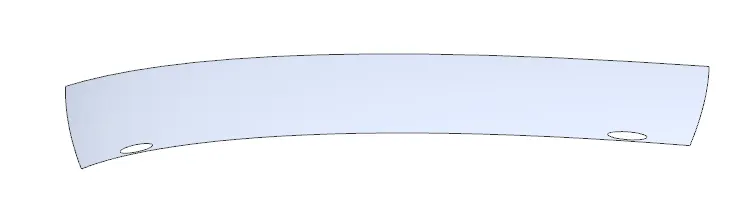
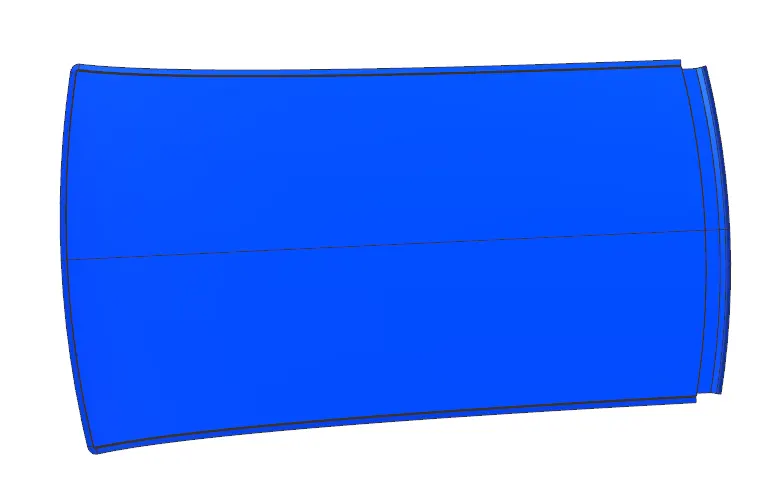
Here im decided to design a rood for a car which do not have sunroof. So firstly we have to take the roof model and extract the roof lower face and the we have to untrim which will get the outer roof panel then trim it to half. Use untrim option to remove thr rail holes.
Brief approach for roof design:
Designing a car roof using NX CAD is a complex process that involves various considerations, such as aerodynamics, structural integrity, manufacturing feasibility, and aesthetic appeal.
Define Design Requirements: Begin by gathering the design requirements for the car roof, such as the vehicle type (sedan, SUV, etc.), desired headroom, intended manufacturing processes, regulatory standards, and aesthetic preferences. These requirements will guide your design process.
-
Create a 3D Model: Launch NX CAD and start a new design project. Begin by creating a new 3D model representing the car body. This model should include all necessary reference geometry, such as the vehicle's floor, pillars, windows, and other components that interface with the roof.
-
Set Design Constraints: Apply necessary design constraints to ensure that the roof aligns with the rest of the car body and meets the specified requirements. These constraints may include minimum and maximum height, width, slope, curvature, and any other relevant parameters.
-
Sketch the Roof Profile: Create a 2D sketch representing the roof's cross-section using the Sketching tools in NX CAD. Consider factors such as aerodynamics, styling, and structural support while sketching the profile. Experiment with different shapes and curves to achieve the desired aesthetic and functional qualities.
-
Convert Sketch to 3D: Extrude or revolve the 2D roof profile sketch to convert it into a 3D solid. Use appropriate commands and features in NX CAD to generate the desired roof shape based on the sketch.
-
Refine the Roof Design: Apply additional modifications and features to the 3D roof model to fine-tune its appearance and functionality. This may involve adjusting curvature, adding creases or character lines, incorporating design elements such as sunroofs or roof racks, and ensuring proper integration with other components.
-
Assess Aerodynamic Performance: Evaluate the aerodynamic performance of the roof design using simulation tools available in NX CAD. Analyze factors like drag, lift, and airflow patterns to optimize the design for improved fuel efficiency and stability.
-
Verify Structural Integrity: Perform structural analysis and simulation to ensure that the roof design meets safety standards and can withstand various loads and forces. This step is crucial for validating the structural integrity of the roof and ensuring occupant protection in case of accidents or rollovers.
-
Validate Manufacturing Feasibility: Assess the manufacturability of the roof design by reviewing production processes and constraints. Consider factors like tooling, material selection, assembly requirements, and cost-effectiveness. Make necessary adjustments to the design to optimize it for the manufacturing process.
-
Add Finishing Touches: Complete the roof design by incorporating additional details and features. This may include integrating roof trims, seals, weather stripping, antennas, or other functional and aesthetic elements. Pay attention to the overall fit and finish of the design.
-
Review and Iterate: Conduct design reviews with stakeholders, including engineers, designers, and management, to gather feedback and iterate on the design as needed. Use their input to refine the roof design further, ensuring it meets all requirements and aligns with the overall vision of the vehicle.
-
Documentation and Communication: Create detailed engineering drawings, specifications, and documentation for the finalized roof design. Communicate the design intent, dimensions, materials, and manufacturing requirements clearly to the production team for seamless implementation.
Please note that this is a simplified overview of the car roof design process using NX CAD. The actual process can vary depending on the specific requirements, constraints, and complexity of the design. Experienced design engineers with expertise in NX CAD can provide more detailed insights and guidance throughout the process.
By using the above approach we have to design the roof with the given dimensions precisely as shown below, first of all we have to design the roof and the front and back reinforcements along with the flanges.
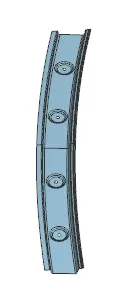
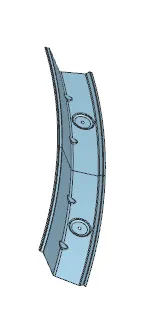
now we have to design for bow roofs atleast two as required but for more roof strength we did three as shown.
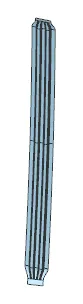
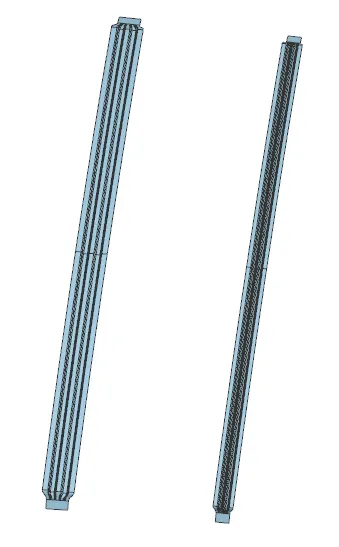
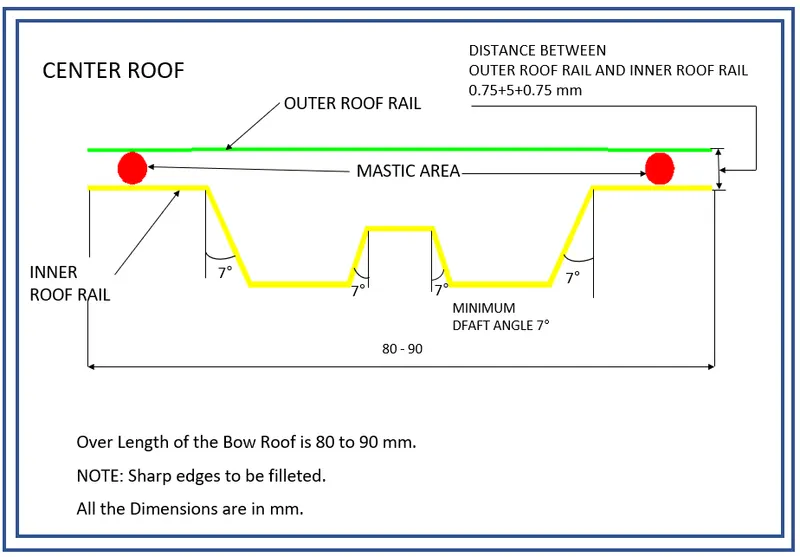
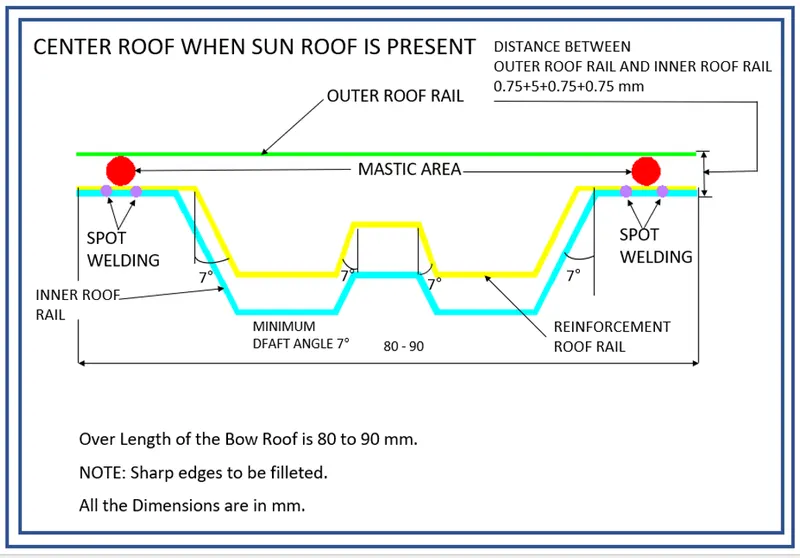
now its time for the most imortant one which is center roof rail or center bow roof.
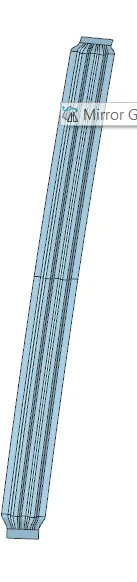
after all this it looks like the shown designs
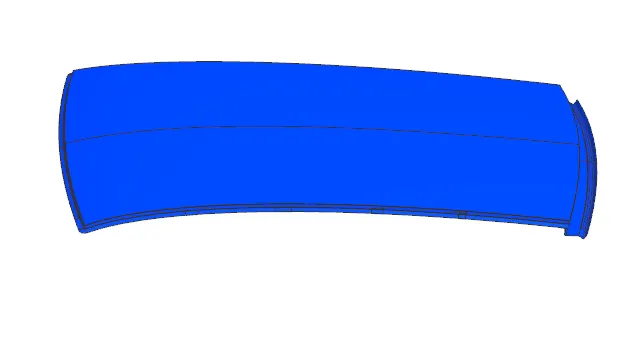
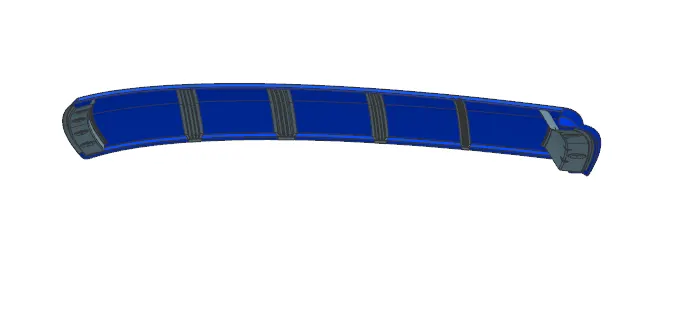
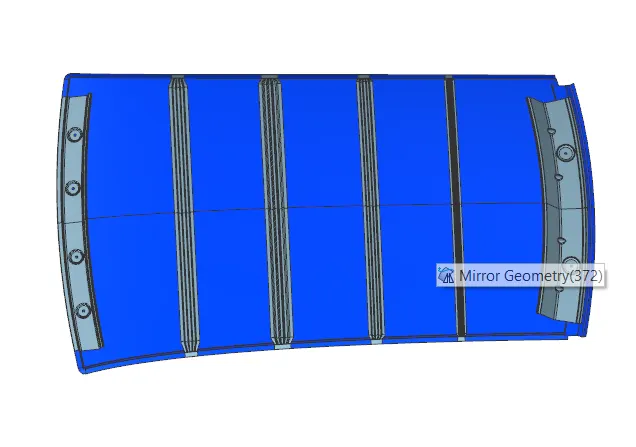
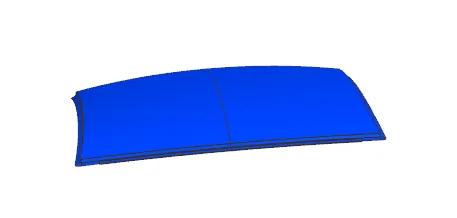
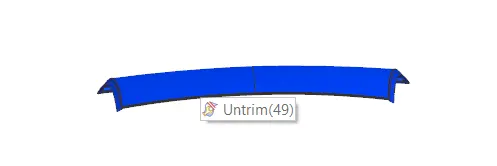
(Note: Thickness will the 0.75mm outer panel thicken towards downwards and other bow roofs amd reinforcements follows upwards.)
Roof types:
There are several different types of car roofs commonly found in vehicles. The specific roof type depends on the vehicle's design, purpose, and desired features. Here are some of the most common types:
-
Hardtop Roof: A hardtop roof is a fixed, non-removable roof made of solid material, typically steel or aluminum. It provides a sturdy and permanent roof structure that contributes to the overall vehicle's strength and safety.
-
Sedan Roof: Sedans usually have a fixed roof that extends from the windshield to the rear window, providing a closed passenger compartment. The roof design can vary in terms of curvature and slope, giving each sedan model its distinctive look.
-
Hatchback Roof: Hatchbacks feature a roof that extends all the way to the rear end of the vehicle, including the rear window and tailgate. The roof design allows for a larger cargo space accessible through the rear hatch, making it convenient for loading and unloading items.
-
Convertible Roof: Convertibles have roofs that can be folded or retracted, allowing for an open-air driving experience. Common convertible roof types include soft tops, which are made of fabric, and hard tops, which are typically made of metal panels.
-
Sunroof: Sunroofs are retractable panels installed in the roof of a vehicle, providing a large opening to allow sunlight and fresh air into the cabin. They come in various types, including pop-up sunroofs, sliding sunroofs, and panoramic sunroofs that extend over a larger area of the roof.
-
Targa Roof: Targa roofs are removable roof sections commonly found in sports cars. They typically consist of a solid panel above the driver and front passenger seats, while the rear portion of the roof remains open. Targa roofs often provide a unique and sporty aesthetic.
-
Panoramic Roof: Panoramic roofs are large glass panels that cover a significant portion of the car's roof. They provide an expansive view of the sky for both front and rear passengers, creating a sense of openness and spaciousness in the cabin.
-
Roof Rack: While not a traditional roof type, roof racks are functional additions to a vehicle's roof. They allow for the attachment of storage containers, bike racks, ski racks, or other accessories, increasing the vehicle's cargo-carrying capacity.
It's important to note that not all car models will have all these roof types available. The roof type depends on the vehicle's design, purpose, and manufacturer's specifications.
Advantages:
Car roofs offer several advantages that contribute to the overall functionality, comfort, and safety of a vehicle. Some of the key advantages of car roofs include:
-
Protection from Weather: Car roofs provide shelter and protection from various weather conditions such as rain, snow, hail, and intense sunlight. They help keep the passengers and the interior of the vehicle dry and shield them from direct exposure to the elements.
-
Safety and Structural Integrity: The roof structure of a car adds rigidity and strength to the overall vehicle body, enhancing safety in the event of a collision or rollover. A well-designed and robust roof structure can provide additional protection to the occupants by preventing the collapse or intrusion of the roof during accidents.
-
Noise Reduction: Car roofs help minimize external noise from traffic, wind, and other sources, creating a quieter and more comfortable environment inside the vehicle. This contributes to a better driving experience and reduces driver fatigue.
-
Privacy and Security: The roof provides an enclosed space for passengers, offering privacy and security during travel. It prevents unauthorized access to the vehicle and safeguards personal belongings.
-
Aerodynamics and Fuel Efficiency: The design of the car roof can impact the vehicle's aerodynamics. A well-designed roof shape and contours can reduce drag and improve airflow around the vehicle, thereby enhancing fuel efficiency and overall performance.
-
Headroom and Interior Space: Car roofs provide ample headroom for passengers, allowing them to sit comfortably inside the vehicle. The roof design is optimized to maximize interior space, ensuring that occupants have sufficient headspace and freedom of movement.
-
Integration of Features: Car roofs can integrate various features and accessories to enhance functionality and convenience. These include sunroofs or panoramic roofs that provide natural light and a sense of openness, roof racks for carrying additional cargo, and antennas for better connectivity.
-
Aesthetics and Styling: The design of the car roof contributes to the overall aesthetic appeal of the vehicle. It plays a significant role in defining the vehicle's silhouette and can be customized to reflect the desired style and brand identity.
It's important to note that the specific advantages of a car roof may vary depending on the vehicle type, design, and individual preferences. Different roof types and features offer distinct benefits, catering to the diverse needs and preferences of drivers and passengers.
Disadvantages:
While car roofs offer numerous advantages, there are also some disadvantages associated with them. Here are a few potential drawbacks of car roofs:
-
Reduced Open-Air Experience: Unlike convertible cars or vehicles with removable roofs, fixed car roofs limit the open-air experience while driving. This can be a disadvantage for individuals who prefer the feeling of wind and open sky while on the road.
-
Restricted Vertical Space: Car roofs contribute to the overall height of the vehicle, which can be a disadvantage in situations where height clearance is limited. It may pose challenges when entering low-clearance structures such as parking garages or drive-throughs.
-
Weight and Fuel Efficiency: Car roofs add weight to the vehicle, which can negatively impact fuel efficiency. The additional weight increases the energy required for acceleration and overall fuel consumption, especially in smaller or more fuel-conscious vehicles.
-
Limited Visibility: The design and structure of car roofs can sometimes create blind spots or hinder visibility, especially in certain seating positions or when parking or maneuvering in tight spaces. This limitation can affect the driver's situational awareness and increase the risk of accidents.
-
Noise and Wind Resistance: While car roofs provide protection from external noise, they can also contribute to wind noise, particularly at higher speeds. The roof design, seals, and fitment can impact the level of noise and wind resistance experienced by the passengers.
-
Cost of Repair: In the event of damage to the car roof, repair costs can be relatively high. Depending on the severity of the damage and the materials used in the roof construction, repair or replacement may require specialized expertise and parts.
-
Aesthetics and Design Limitations: The design of a car roof is often determined by factors such as vehicle type, structural requirements, and manufacturing constraints. This can limit the aesthetic options available to vehicle designers and result in a less visually appealing or distinctive roof design.
-
Heat Accumulation: Car roofs, especially those made of metal, can accumulate heat when exposed to direct sunlight for extended periods. This can make the interior of the vehicle hotter and uncomfortable, requiring additional air conditioning to maintain a comfortable temperature.
It's worth noting that the significance of these disadvantages can vary depending on individual preferences, vehicle usage, and specific circumstances. Automakers continuously work to mitigate these drawbacks through advancements in design, materials, and technology to enhance the overall experience and address potential limitations associated with car roofs.
Draft analysis:
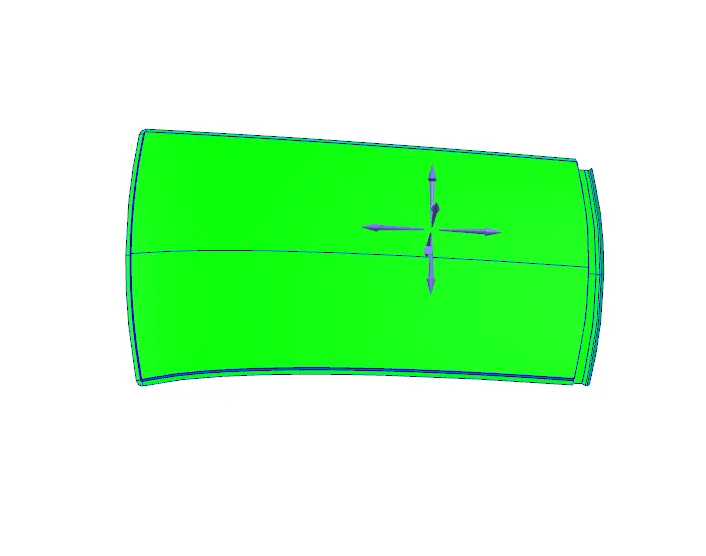
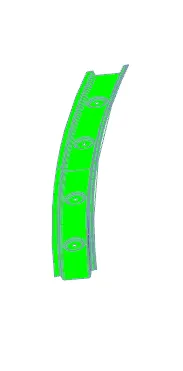
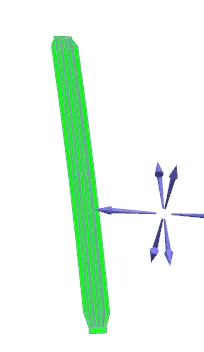
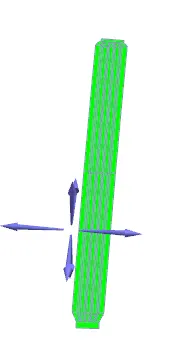
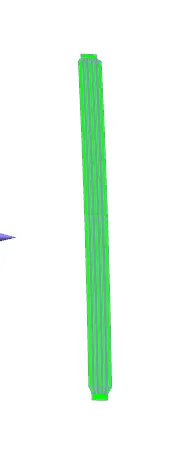
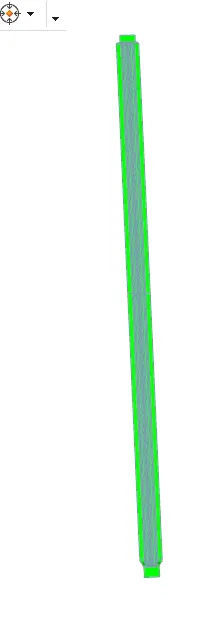
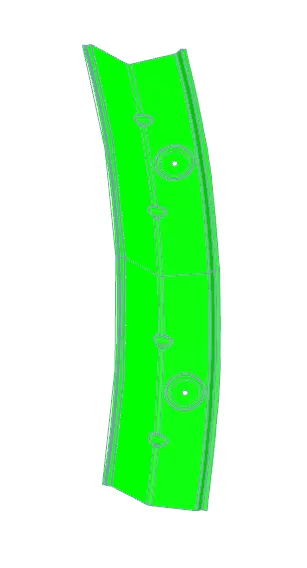
The Draft Analysis command enables you to detect if the part you drafted will be easily removed. This type of analysis is performed based on color ranges identifying zones on the analyzed element where the deviation from the draft direction, at any point, corresponds to specified values.
Minimum draft angle of 70 is considered for analysis. Green color infer on the parts that all face along the tooling direction has positive draft angle greater than 70 and passed in analysis
For outer roof, fron roof rail, bow roof 1, center roof rail, bow roof 2 and 3, and rear roof rail.
Curvature study:
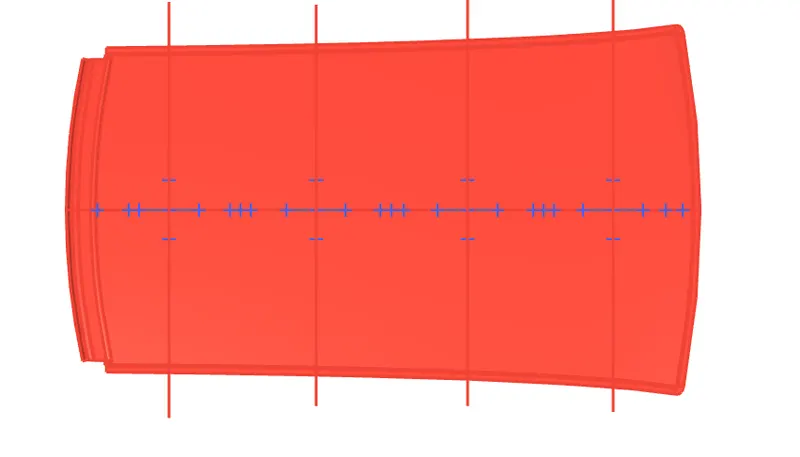
Here we are going to study the stiffness and saftey for our designed roof. This is done in two different methods.
1. Bow roof prediction
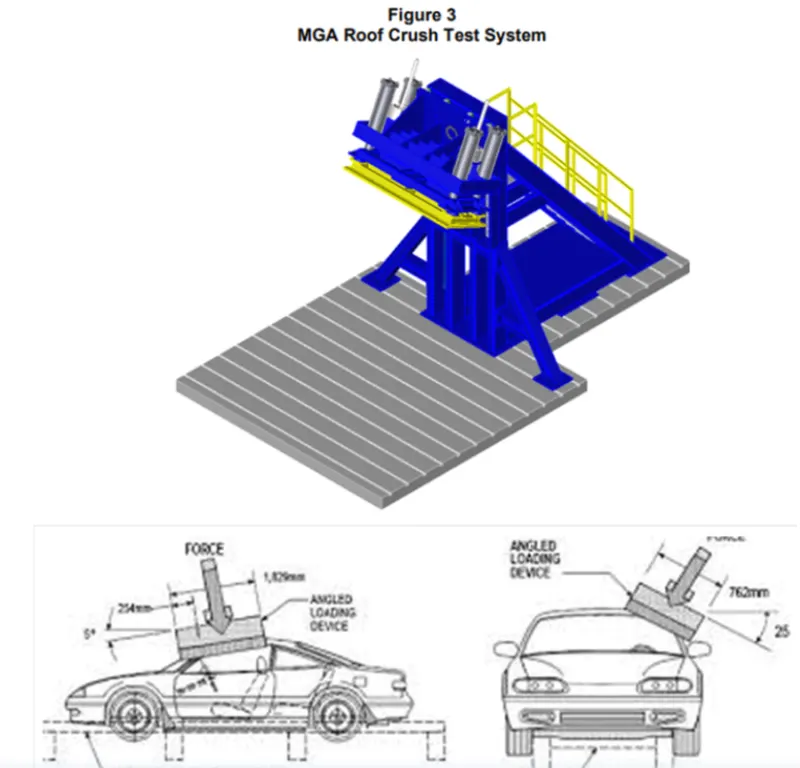
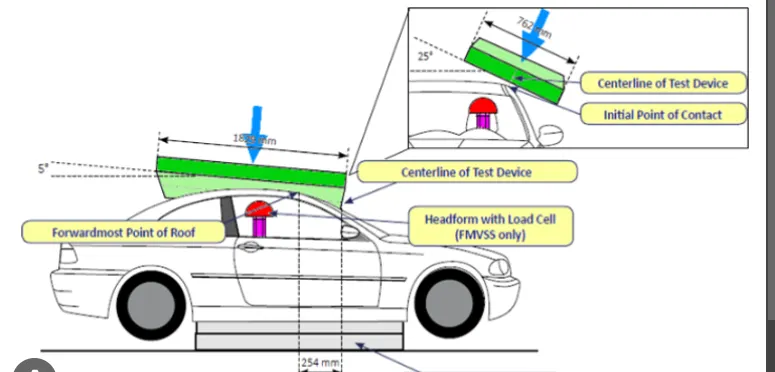
2. Snow load prediction
CALCULATIONS:
For our study, we are considering the following conditions for testing the roof.
Heat Distortion Criteria:
The heat distortion study plays a major role in sheet metal usage. Heat distortion temperature is a temperature limit above which the material cannot be used for the structural applications. This study is used to predict the heat distortion temperature at where the material starts to soften when exposed to a fixed load at elevated temperature. In order to avoid bending or damages on the roof, based on the heat distortion temperature, this study will predict the bow roof position which helps to strengthen the roof.
Bow – roof prediction Formula
W = [1.73 x 10^(-3) x L] + [1.85 x 10^(-8) x (R^2)/t] + [ 1.10x10^(-3) x l] - 2.68
Where
L = Roof Length in X-Direction[mm](Roof dimension in 0-Y)
R = Roof curvature
R = 2(Rx*Ry)/(Rx+Ry)
Rx = X curvature
Ry = Y curvature
t = Roof plate thickness [mm]
l = Bow Roof Span [mm]
Judgement Condition : OK< 2.7
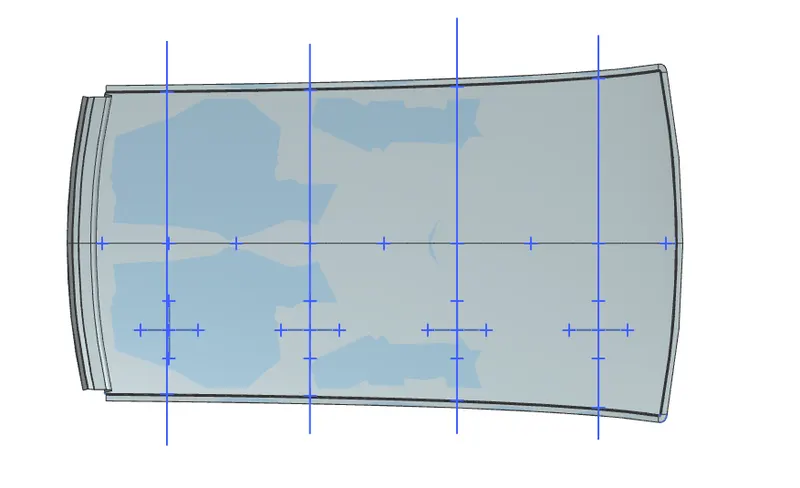
For the above, we can find can record and calculate as shown below:

From the above table, we can conclude that the positions at which the bow roofs are placed satisfy the heat distortion condition and is good to go for manufacturing.
Snow load Criteria:
This test is done to know how is the roof behaving when there is a snow over. Normally due to the snow weight the dent will happen. But the roof should be designed in such a way that when the snow is removal, the roof should go it its original position . This is the basic requirements for snow load criteria.
Qr = [Iy x t2] / [α x s x [(Rx + Ry)/2]2 x 10-8]
Where
α = My x Lx2 x 10-12 , My = Y(Ly-Y)
Judgement condition = Qr ≥ 3.1
250 ≤ s ≤ 380
t = Roof plate thickness [mm]
Ly = Distance between the front and rear roof Rails on the Vehicle along with 0Y[mm]
Length of Roof panel with the center point between Roof rail Front /Rear as the reference point of the front and the rear.
Lx = Distance between the Left and Right end of the roof on the Roof BOW [mm]
Width of the roof panel exposed on the surface.
Y = Distance front Front Roof Rail to Roof BOW[mm]
s = Distance for which Roof BOW bears divided load [mm]
s = L1/2 + L2/2
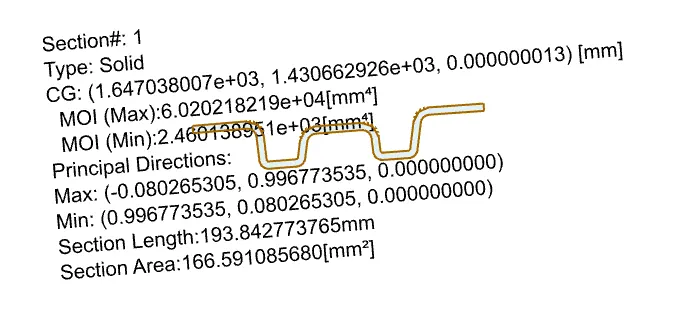
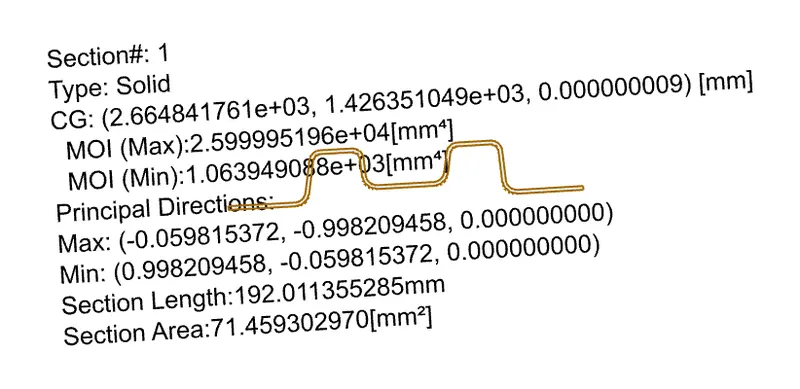
Iy = Geometrical moment of inertia of Roof BOW (Y cross-section )[mm4]
Rx = Lateral direction curvature radius of roof panel Y cross-section on Roof BOW [mm]
Roof panel curvature Radius of the Length Lx in Front view
Ry = Longitudinal Direction curvature radius of the Roof panel X cross-section on Roof BOW [mm]
Section analysis:
Bow roof 1:
Bow roof 2:
Center roof:
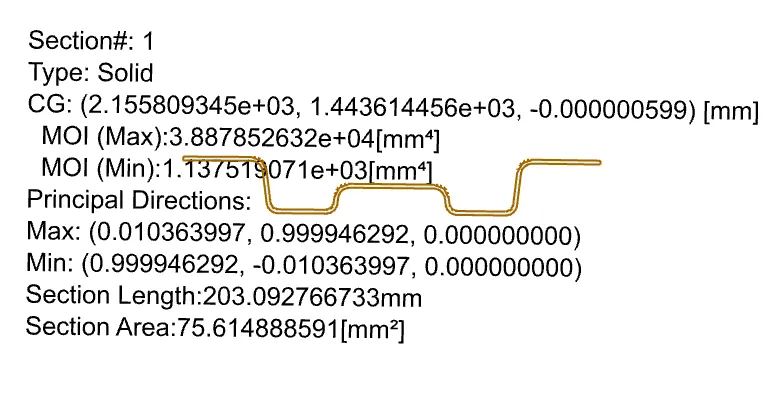
For the above, we can find can record and calculate as shown below:

From the above table, we can conclude that the positions at which the bow roofs are placed satisfy the snow criteria, except the bow roof 2. Thus, to improve, we can add embosses to the roof to increase the strength of the roof.
concluison:
Therefore we completed designing the rood outer, bow roofs, front and rear roof rails as shown above. Hence we can conclude that our roof design is satisfied with the criteria for saftey regulations. and it is totally ready for the manufacturing stage.