Roof Design
Roof Design
An automobile top or car roof is the portion that is placed above the passenger, for protecting the vehicle occupants from sun, wind, rain, and other external elements.
It is made of metal or other sturdy materials.
The roof also provides structural strength to the car and helps to keep the passenger safe in an accident.
The roof impact the aerodynamics of the car, fuel efficiency, affecting its speed, and handling.
A solid roof can help to reduce noise levels inside the car, creating a quieter environment for passengers.
It is also provides security from thieft.
Types of Roof in Cars:
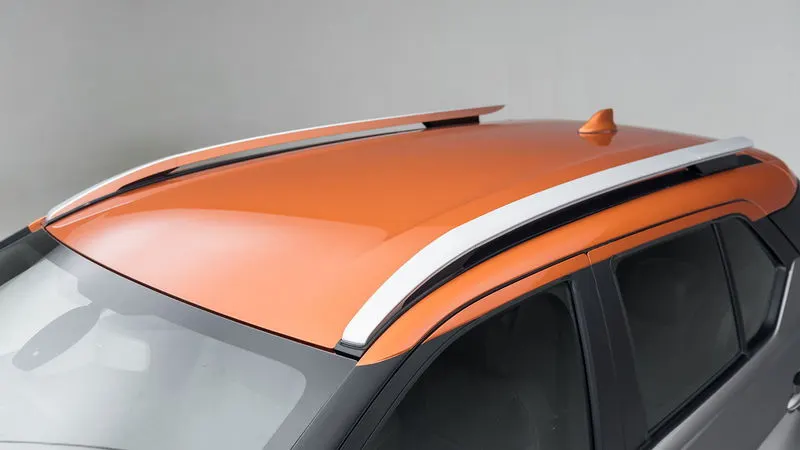
- Hardtop roof
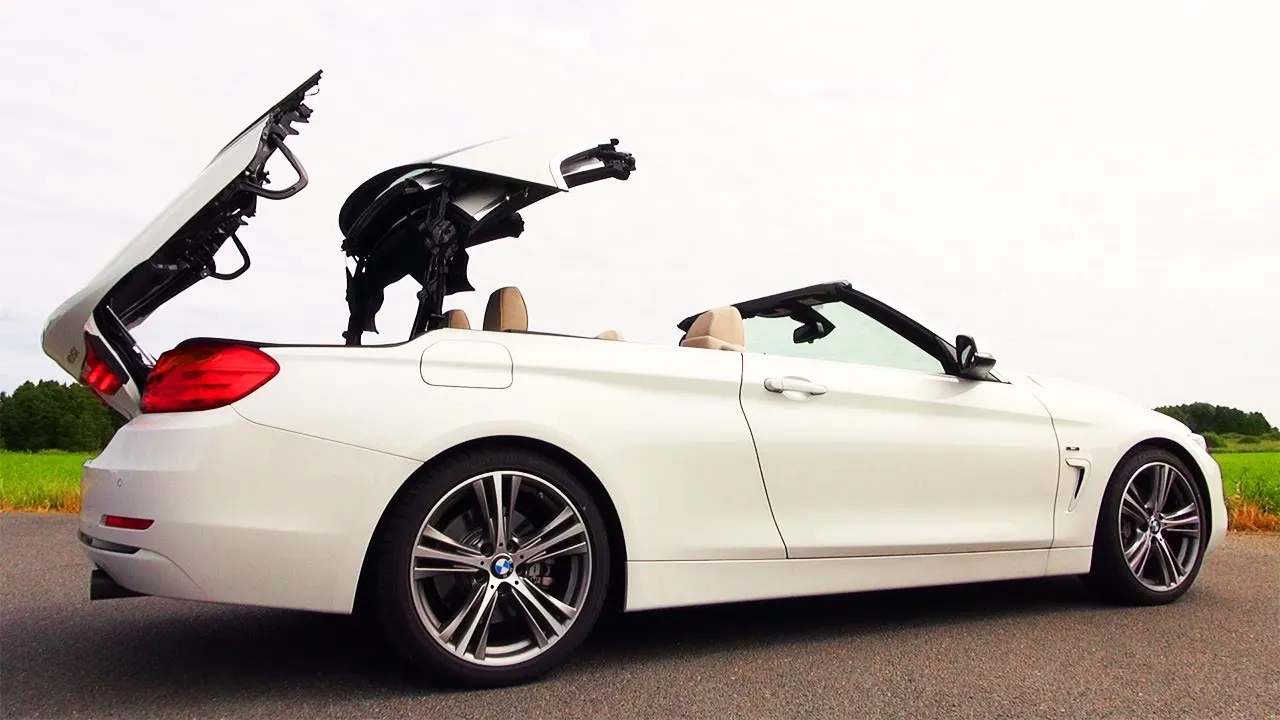
- Convertible roof
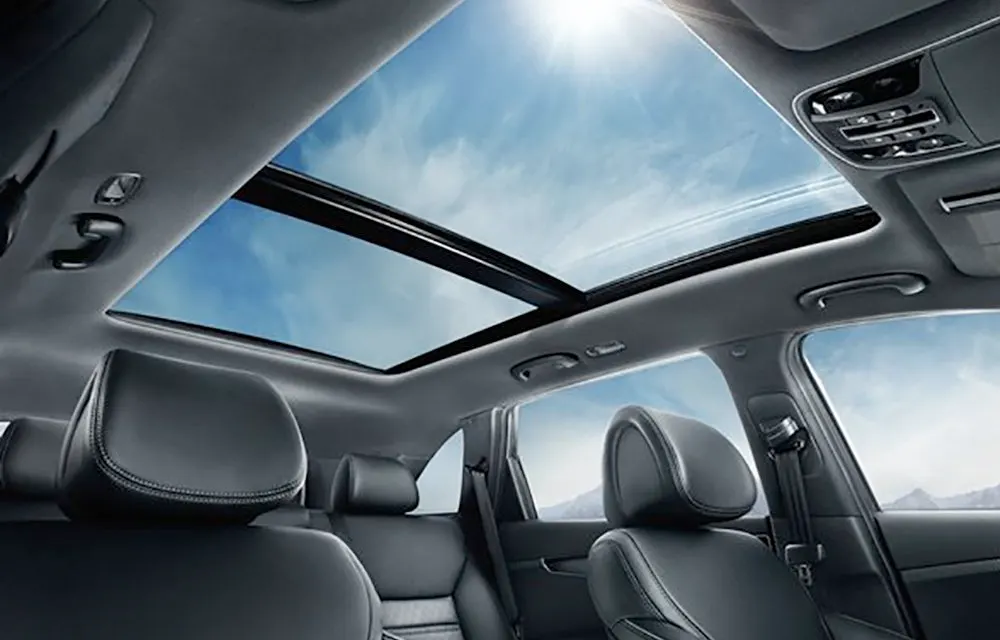
- Sunroof
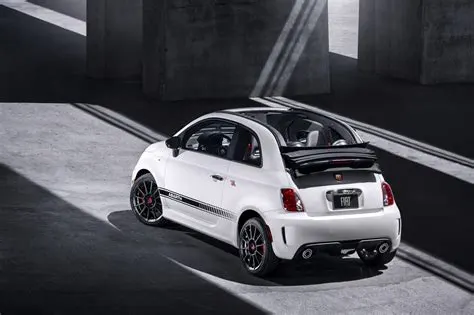
- T-top roof
- Panoramic roof
- Cabrio coach roof
Components of Roof
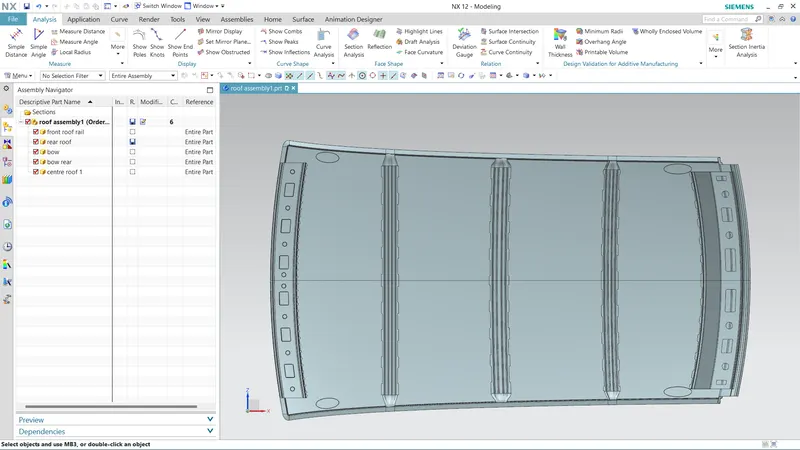
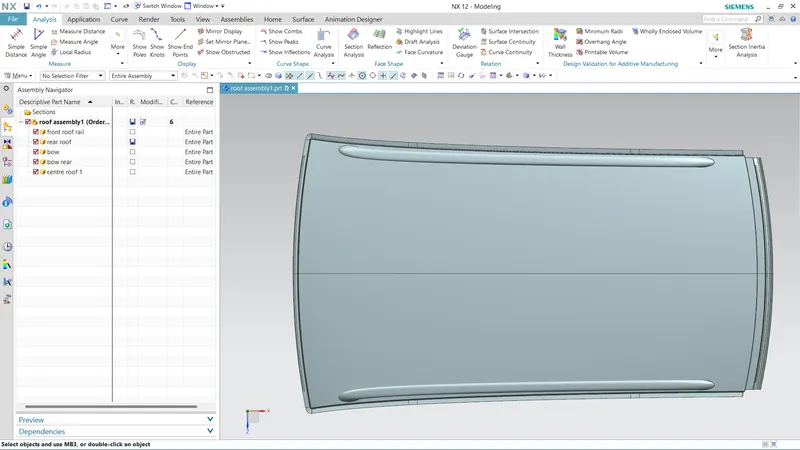
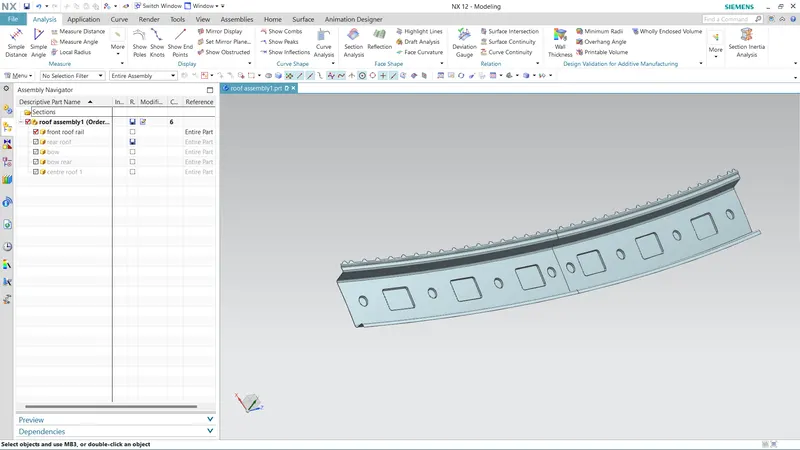
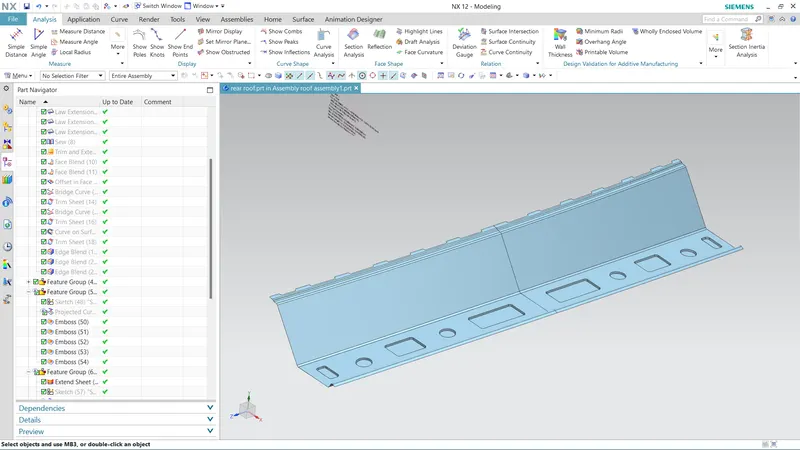
The front roof rail is on the front of the roof where the wind shield joins the roof. The visibility criteria and the head room clearance of the passenger are taken into consideration for the bottom flange. One end of the rail is joined using spot welding while the other end is joined with the roof using mastic sealants for increased strength.
Bow roof is an additional siffening member for the roof to increase the strength and so that it can satisfy the norms. Both the ends are joined together using mastic sealants to increase strenght and also since this would not affect the styling of the roof.
Bow roof 1
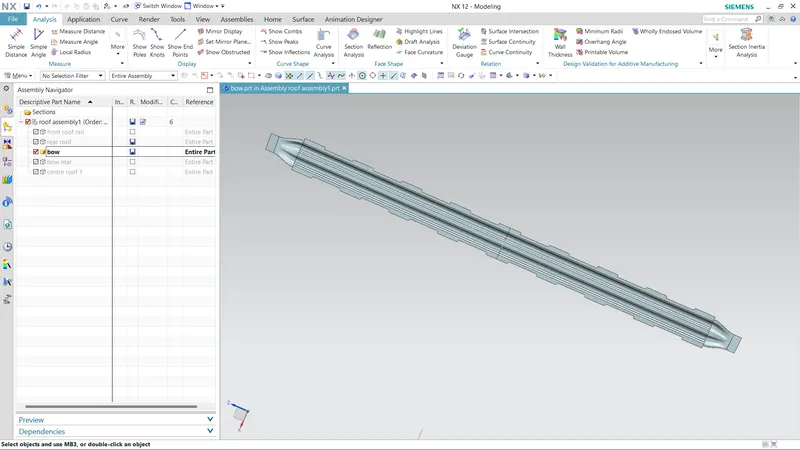
Bow roof 2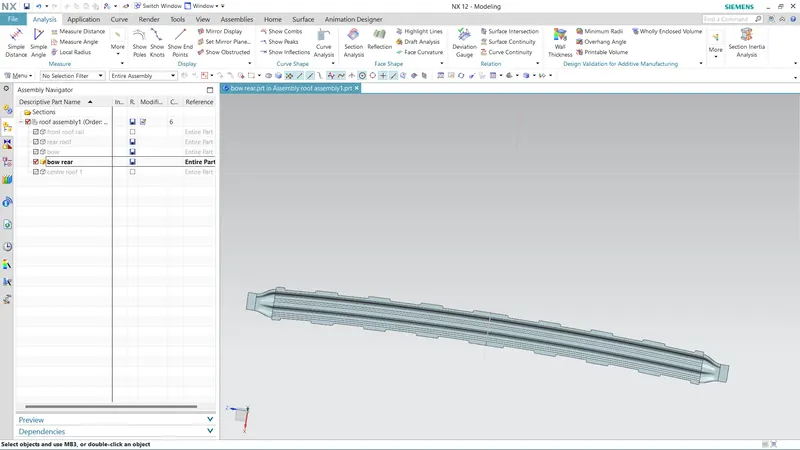
Centre Roof rail or the reinforcement centre is located at the centre of the roof . The cross section of this is more since it needs to provide more strength to the roof. Here both are ends are joined together using mastic sealants.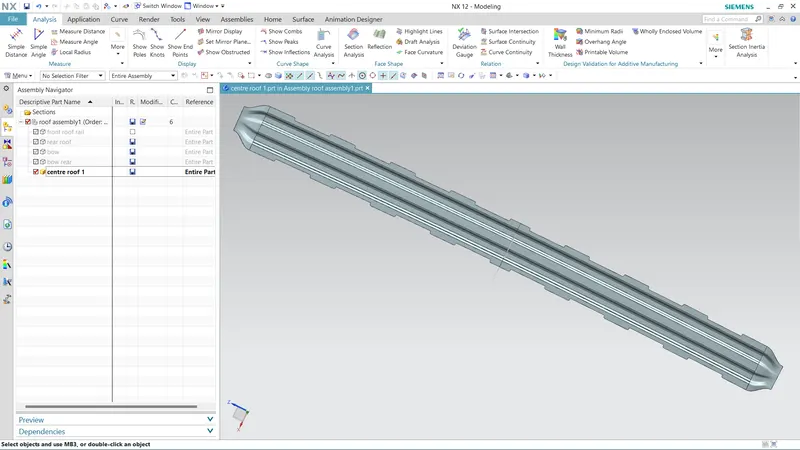
This roof rail joins with the back door and the roof. Inputs from the backdoor are taken into consideration for designing this roof rail.
Here one end is joined using spot welding while the other end is joined using mastic sealants.
Heat Distortion
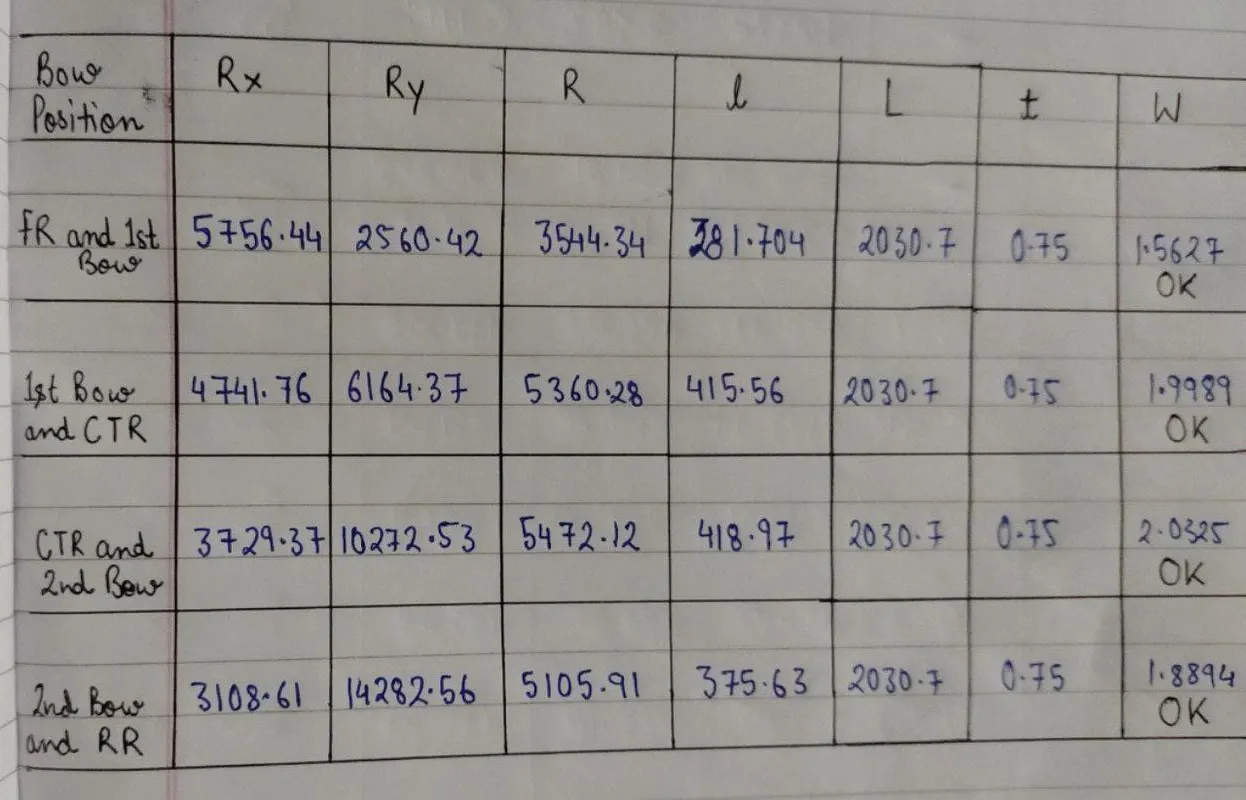
Bow–Roof Prediction Formula
W = [1.73 x 10^(-3) x L] + [1.85 x 10^(-8) x (R^2)/t] + [ 1.10x10^(-3) x l] - 2.68
Where,
L = Roof Length in X-Direction[mm](Roof dimension in 0-Y)
R = Roof curvature
R = 2(Rx*Ry)/(Rx+Ry)
Rx = X curvature
Ry = Y curvature
t = Roof plate thickness [mm]
l = Bow Roof Span [mm]
Judgment Condition
OK< 2.7
Snow Load Prediction Formula
Qr = [Iy x t2] / [α x s x [(Rx + Ry)/2]2 x 10-8]
Note: The Qr value given over here is correct. There was a typo error in the formula given in the video.
Where,
α = My x Lx2 x 10-12 , My = Y(Ly-Y)
t = Roof plate thickness [mm]
Ly = Distance between the front and rear roof Rails on the Vehicle along with 0Y[mm]
Length of Roof panel with the center point between Roof rail Front /Rear as the front and rear reference point.
Lx = Distance between the Left and Right end of the roof on the Roof BOW [mm]
The width of the roof panel is exposed on the surface.
Y = Distance front Front Roof Rail to Roof BOW[mm]
s = Distance for which Roof BOW bears divided load [mm]
s = L1/2 + L2/2
Iy = Geometrical moment of inertia of Roof BOW (Y cross-section )[mm4]
Rx = Lateral direction curvature radius of roof panel Y cross-section on Roof BOW [mm]
Roof panel curvature Radius of the Length Lx in Front view
Ry = Longitudinal Direction curvature radius of the Roof panel X cross-section on Roof BOW [mm]
Roof panel X curvature radius of length s in Side view
Judgment condition
Qr ≥ 3.1
250 ≤ s ≤ 380
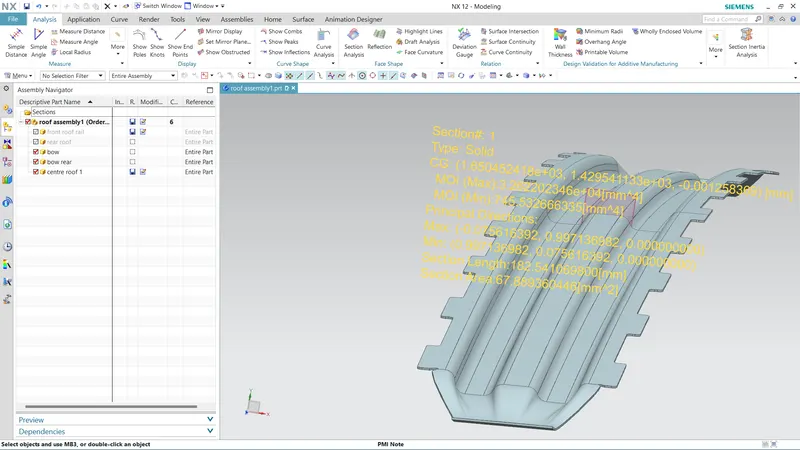
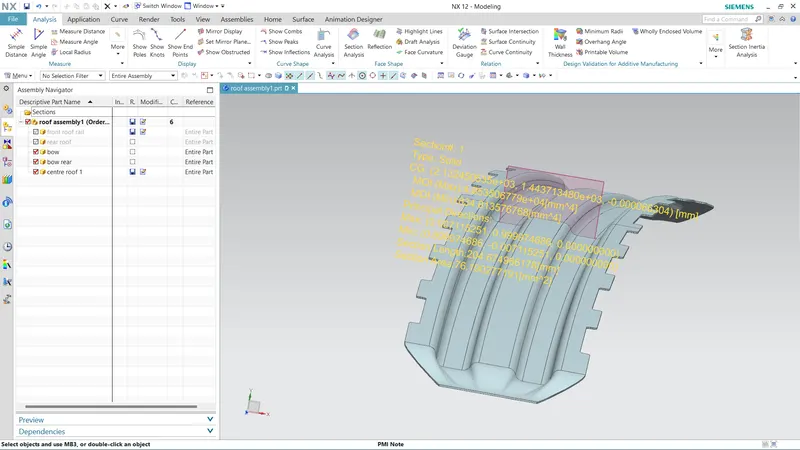
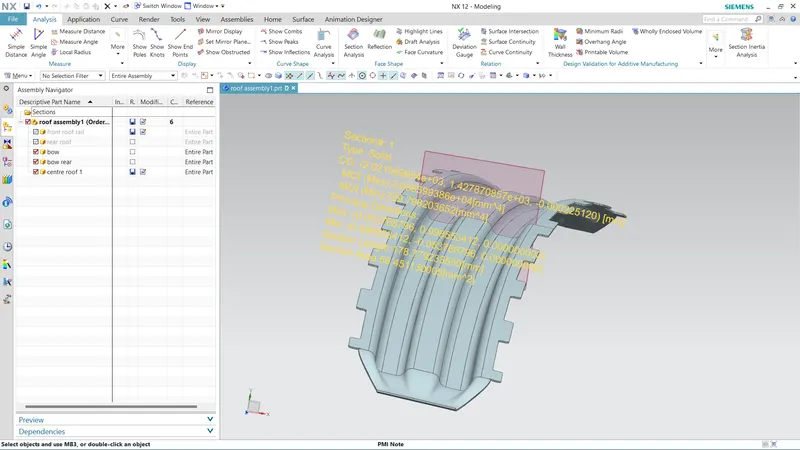
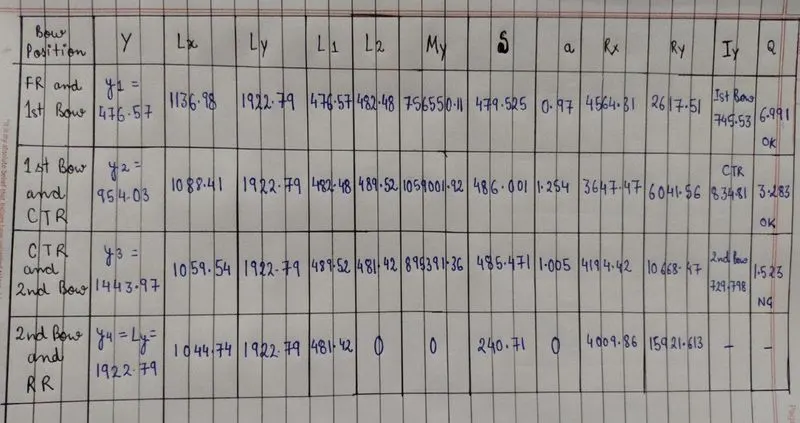
Now since we these values for the snow load values it does not satisfy the condition.
So to make the roof stronger we create embossses on the roof to strengthen the roof.
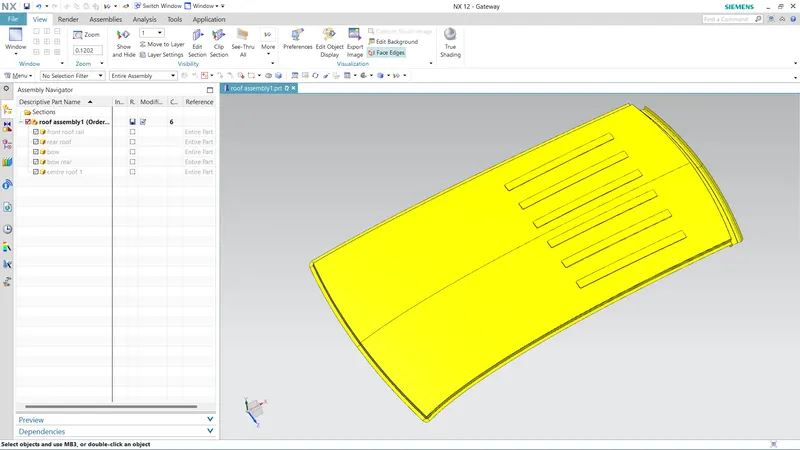
Draft analysis
front rail
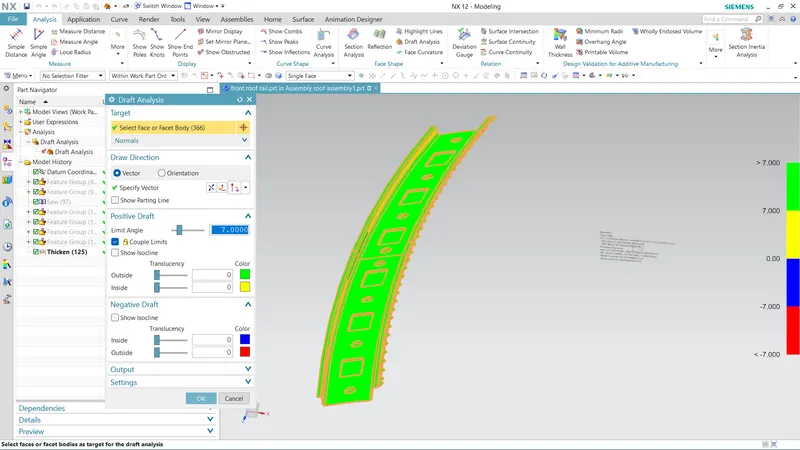
1st bow rail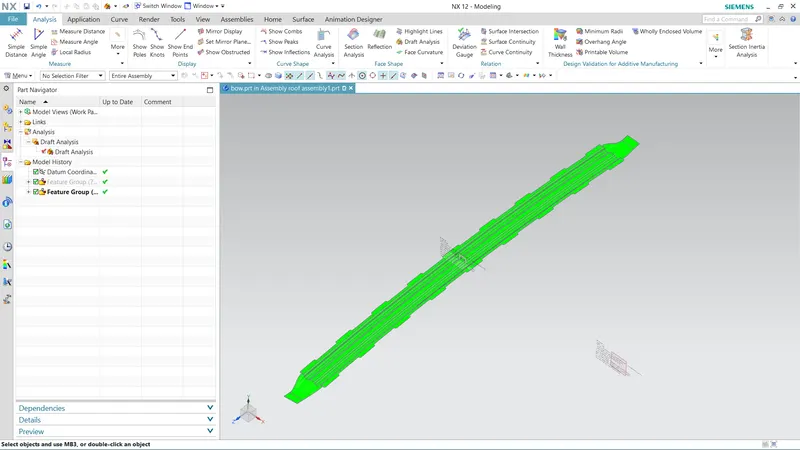
centre roof rail
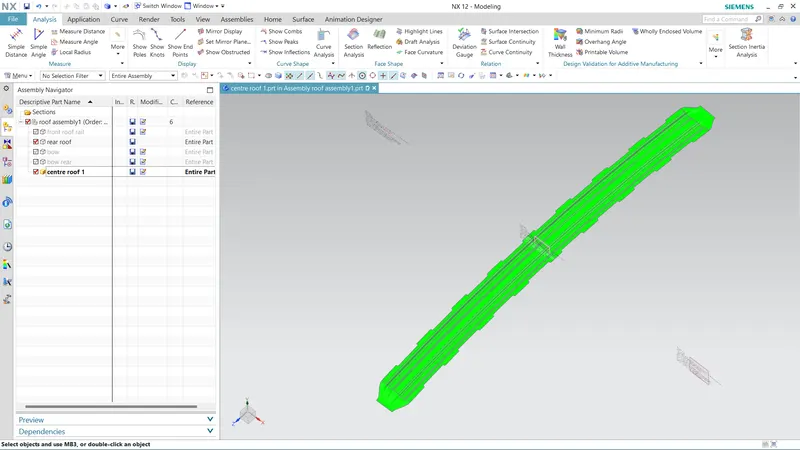
2nd bow rail
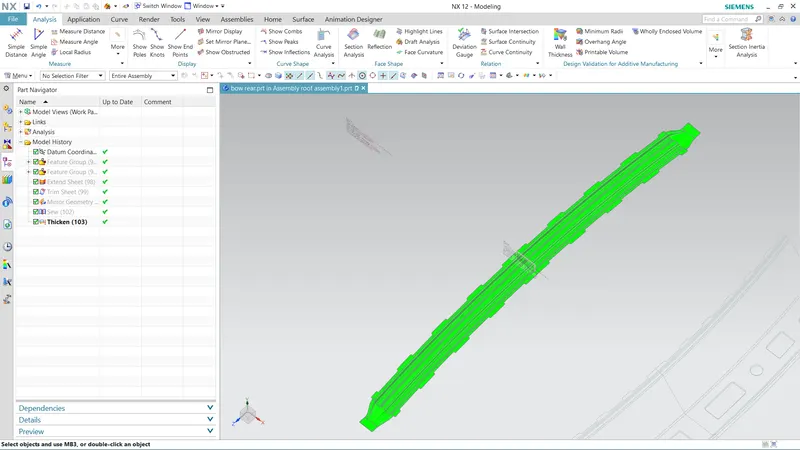
Rear roof rail
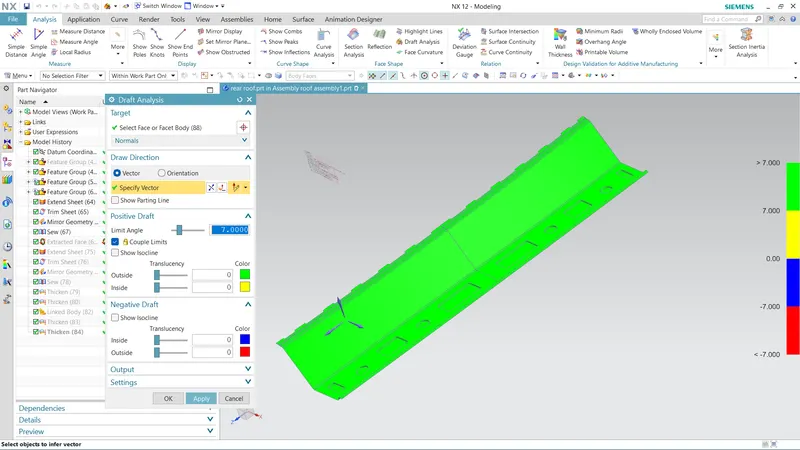
roof
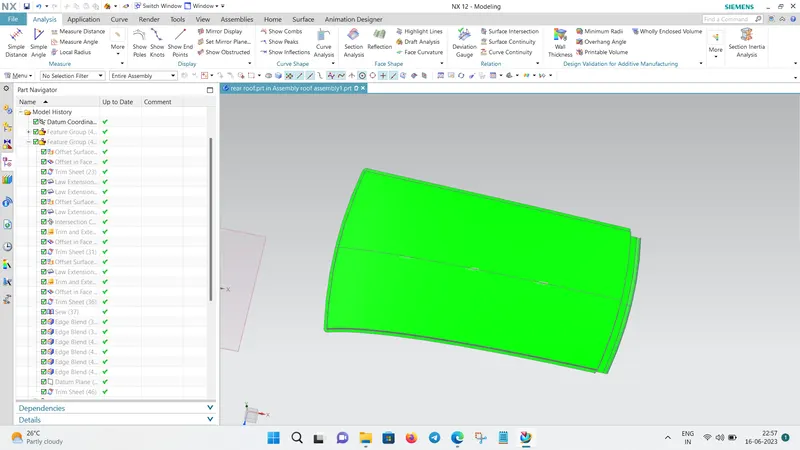
Test results of the Roof Design in the Heat Distortion and Snow load criteria is performed and it passes the Heat Distortion in all conditions and fails in 1 part of the Snow load conditions . In response emboss are provided in the outer roof pannels to provide the additional strength to it. The Emboss are provided in the Flat surface of the Front and Rear roof rails for the additional support.