Roof Design
TITLE :- ROOF DESIGN & CALCULATION
What is car's roof called ?
A car's roof is the uppermost part of the car's body that provides a covering over the passenger compartment. It is typically made of metal or composite materials and is designed to protect the passengers and the interior of the car from the elements, such as rain, snow, and direct sunlight. The roof of a car can be fixed or retractable, depending on the design of the vehicle.
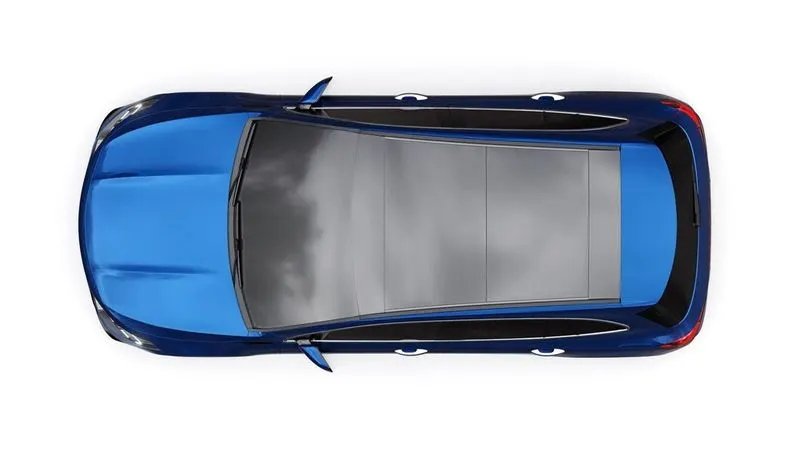
Types of car's roof :-
-
Hardtop Roof: This is a fixed roof made of metal or composite materials that does not open or retract.
-
Soft-top Roof: This is a fabric roof that can be lowered or raised manually or automatically. Soft-top roofs are commonly found on convertible cars.
-
Sunroof: This is a panel in the roof that can be opened to let in fresh air and sunlight. Sunroofs can be either manual or automatic and come in several different types, including pop-up, sliding, and panoramic.
-
Moonroof: This is a type of sunroof that includes a tinted glass panel, allowing for sunlight to enter the car without the direct heat.
-
Retractable Hardtop: This is a roof that is made of metal or composite materials and can be automatically retracted into the trunk of the car.
- T-top: This is a type of roof that has removable panels over the driver and passenger seats, providing a semi-convertible experience.
Design Consideration of roof:
-
Aerodynamics: The roof shape and height can affect the car's aerodynamics, which can impact fuel efficiency, stability, and wind noise.
-
Headroom: The roof should provide enough headroom for the driver and passengers to sit comfortably.
-
Visibility: The roof design should not obstruct the driver's view of the road or impede the effectiveness of the car's mirrors.
-
Structural Integrity: The roof must be strong enough to support the weight of the car and protect the passengers in the event of a rollover or impact.
-
Material and Weight: The choice of materials for the roof can affect the car's weight, which in turn can impact fuel efficiency and performance.
-
Style: The roof design should fit the overall style and aesthetics of the car.
-
Functionality: The roof design should serve its intended purpose, whether that is to provide protection from the elements, provide an open-air driving experience, or meet other specific requirements.
Roll Over Test On Roof :-
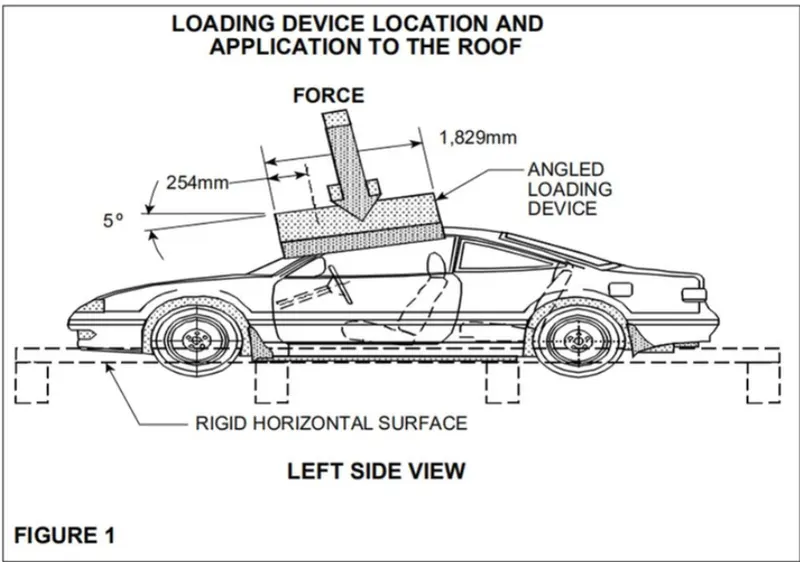
A rollover test is a safety test that is conducted on a car to evaluate its ability to protect occupants in the event of a rollover. The test is designed to simulate a situation where a car loses control and rolls over onto its roof. During the test, the car is accelerated to a predetermined speed, and then it is tripped, causing it to roll over.
The roll-over test evaluates the car's roof strength and structural integrity to ensure that it can support the weight of the car in the event of a rollover. It also tests the effectiveness of the car's seat belts and airbags in protecting occupants from injury.
The results of a rollover test are typically expressed as a rating, with higher ratings indicating better performance in protecting occupants during a rollover. In the United States, the National Highway Traffic Safety Administration (NHTSA) conducts rollover tests on cars and publishes the results, which can be used by consumers to evaluate the safety of different car models.
Joining process :
-
Spot Welding: This is a process in which metal components are joined together using a high-powered electrical current. It is commonly used to join metal panels of the roof.
-
Mechanical Fastening: This involves the use of mechanical fasteners, such as screws or bolts, to join the roof components together.
-
Riveting: This involves the use of a special tool to drive a rivet through the components to be joined. The rivet creates a strong, permanent bond between the components.
Manufacturing techniques:-
-
Cutting: Sheet metal can be cut using a variety of methods, including laser cutting, water jet cutting, plasma cutting, and mechanical cutting (such as using shears or a saw).
-
Bending: Sheet metal can be bent using press brakes, rollers, or folding machines. This allows the sheet metal to be formed into various shapes.
-
Punching: Punching is a process that involves creating holes in the sheet metal using a punch and die set. This is often used to create holes for fasteners or to create decorative patterns.
-
Forming: Sheet metal can be formed using a variety of techniques, including hydroforming, roll forming, and stretch forming. These techniques allow the sheet metal to be shaped into complex curves and contours.
- Stamping is a process in which a flat sheet of metal is punched or stamped into a specific shape using a press and a die. This process can be used to create parts with complex shapes, including those with bends, curves, and holes
- Hemming is a process used to join two or more pieces of sheet metal together by folding one edge over the other. This creates a double thickness of metal, which can provide additional strength and stiffness to the joint. Hemming is often used in automotive and aerospace applications to join sheet metal panels together.
- Deep drawing is a specific type of stamping process in which a sheet metal blank is drawn into a die to create a three-dimensional shape, such as a cup or a bowl. The process involves stretching the metal to form the shape, and can be used to create parts with a high depth-to-diameter ratio.
Roof Outter Pannel :-
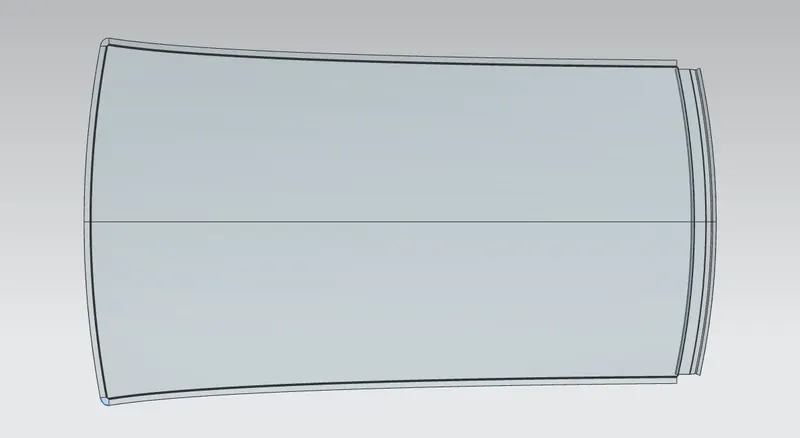
The roof outer panel is the visible exterior sheet metal component of a car's roof. It is typically made of a lightweight and durable material, such as aluminum, steel, or composite materials. The roof outer panel serves both a functional and aesthetic purpose in car design. It helps to protect the interior of the car from the elements, while also contributing to the car's overall look and style.
Draft analyis :-
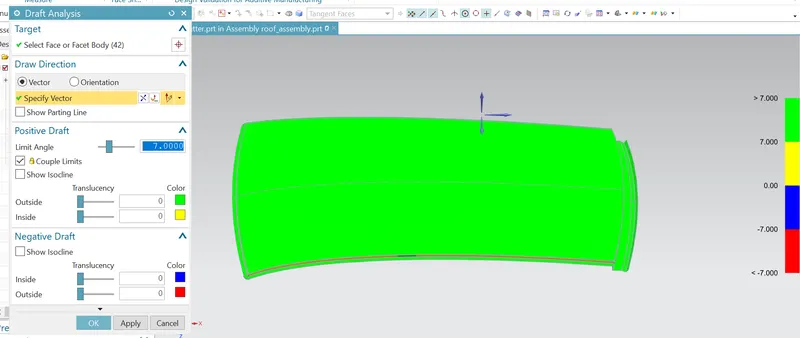
Rear roof rail:
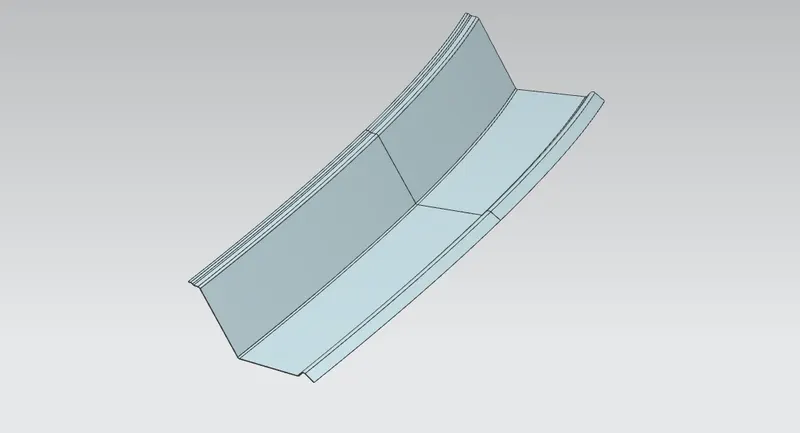
The rear roof rail is a structural component of a car's roof system that is typically located at the rear of the car, running parallel to the side of the vehicle. It is designed to provide additional support and strength to the car's roof structure, particularly in the event of a rollover or impact
.
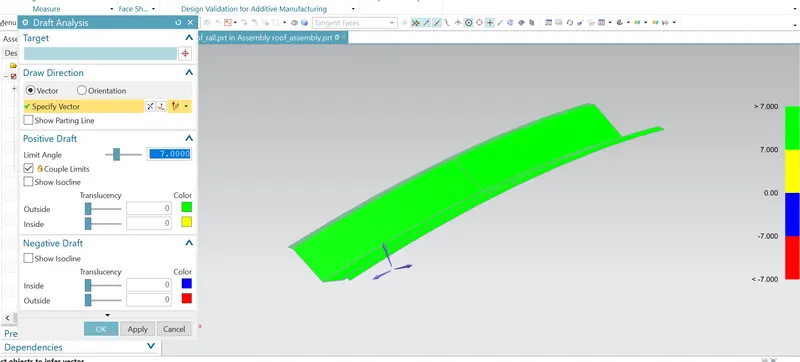
Draft analyis:
Centre roof rail :-
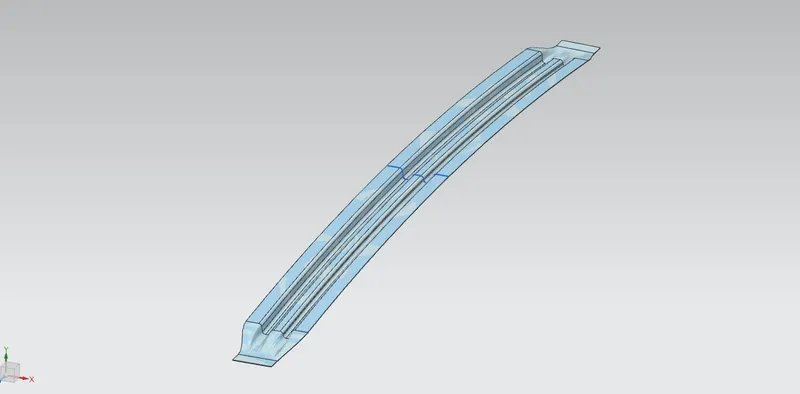
The center roof rail in a car's roof is a structural component that runs along the center of the roof between the front and rear pillars. It is designed to provide additional support and stability to the car's roof, as well as to protect the occupants in the event of a rollover accident.
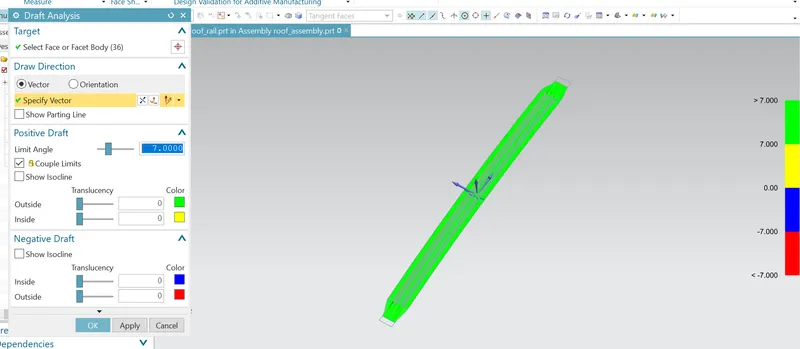
Draft analyis:-
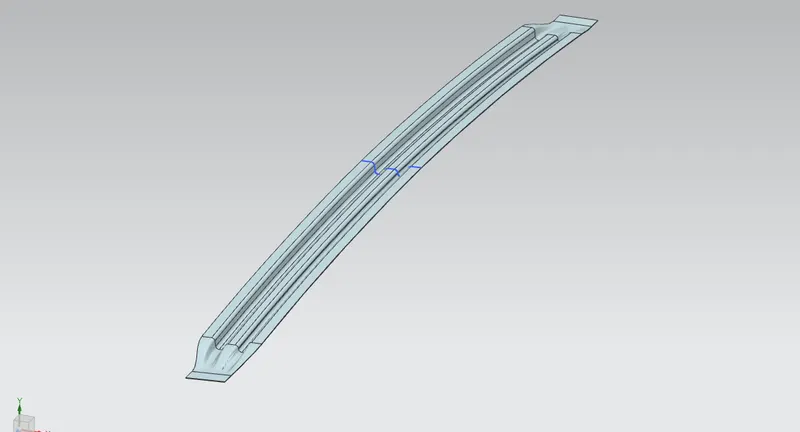
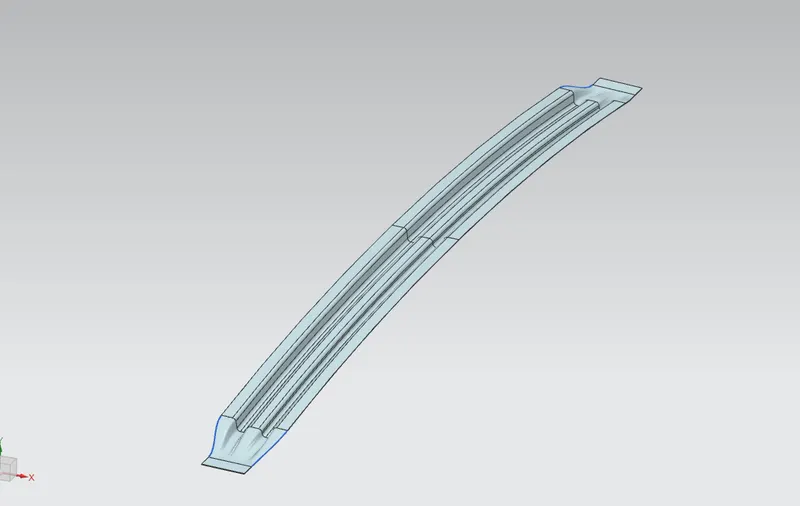
Bow roof :- A bow roof, also known as a barrel roof or a curved roof, is a type of roofing design that features a long, curved surface that is shaped like a half cylinder. The roof is supported by a series of evenly spaced arches or ribs, which give it its distinctive curved shape.
| BOW ROOF 1 |
BOW ROOF 2
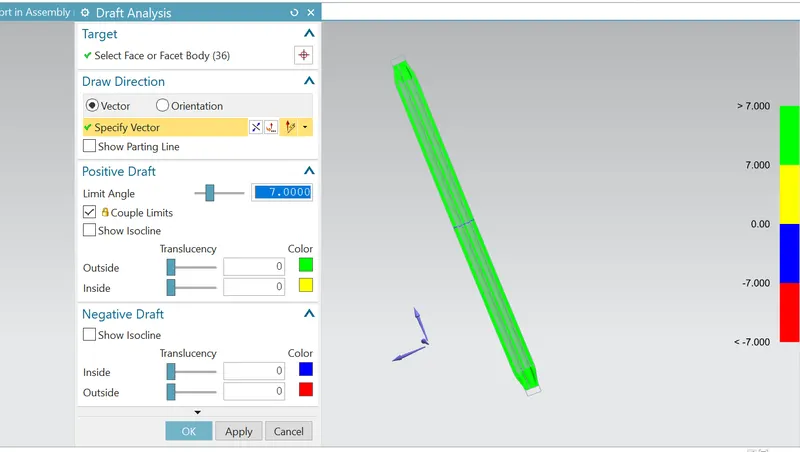
Draft analyis:-
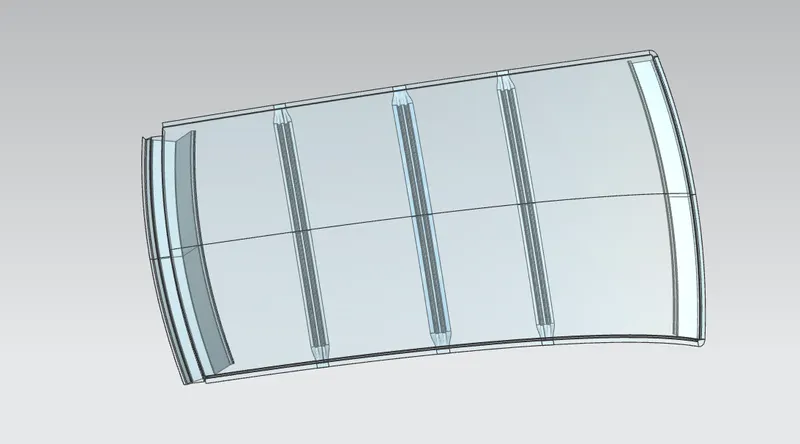
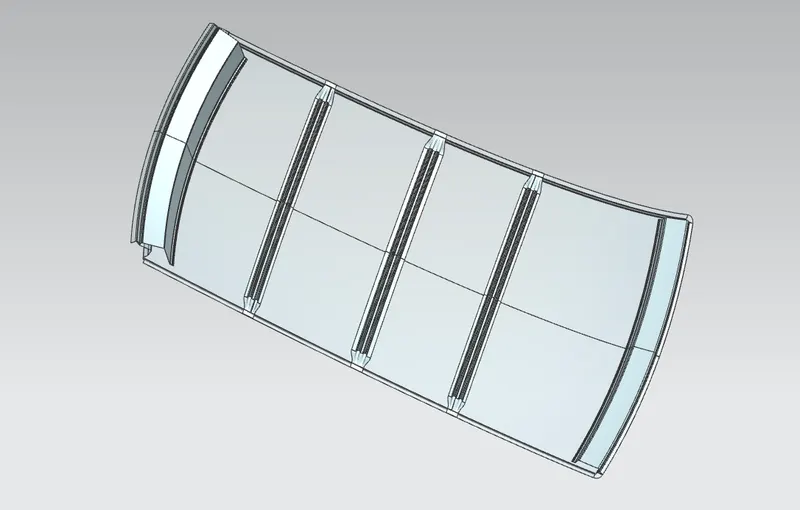
Screen shot of Different Views of Complete Roof Design:
Heated Distortion study on the roof:
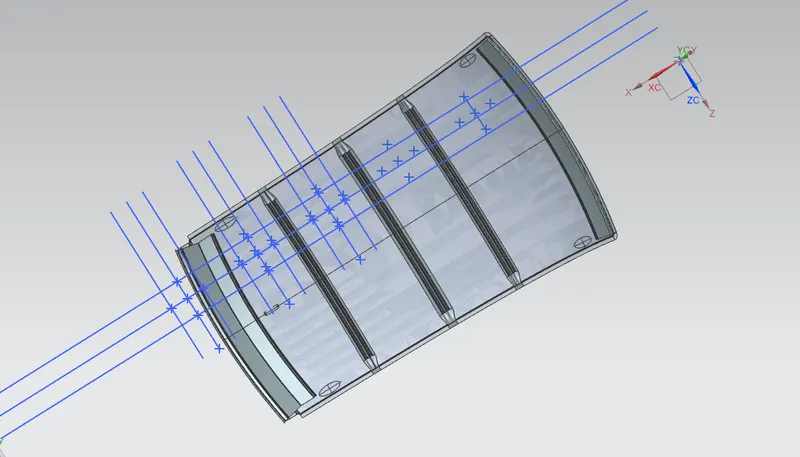
Heated distortion study on the roof is a type of analysis that is conducted to evaluate the potential effects of high temperatures on the structural integrity of a building's roof. This type of study is often performed on roofs that are exposed to high levels of heat or sunlight, such as those on industrial or commercial buildings.
During a heated distortion study, engineers will typically use advanced computer modeling software to simulate the effects of different levels of heat on the roof structure. This may involve analyzing factors such as the type of roofing materials used, the thickness of the roof, and the amount of insulation present.
W= [1.73x10 ^ (-3) x L] + [1.85 x 10^ (-8) x (R^2)/t] + [1.10 x 10^ (-3) x1] – 2.68
Where’
L = Roof strength in X- Direction [mm] (Roof dimension in 0 – Y)
R = Roof curvature
R = 2 (Rx*Ry) / (Rx + Ry)
Rx = X Curvature
Ry = Y curvature
t = Roof plate thickness [mm]
I = Bow Roof span [mm]
Judgement Condition: OK < 2.7 > 3.1
HEAT DISTORTION TABLE:-

SNOW LOAD CALCULATION:-
Snow load calculation is the process of determining the weight of snow and ice that a building's roof is designed to support. Snow load calculations are important because excessive snow accumulation can cause a roof to collapse or otherwise fail, leading to damage, injury, or even loss of life.
| Rx | Ry | Y | Ly | L1 | L2 | Lx | t | Iy | Ly-Y | My | alpha | S | Iy*t^2 | (Rx+Ry/2)^2 | alpha*S*P | Qr | RESULT | |
| FRR TO BR1 | 4262.55 | 3041.31 | 604.1005 | 1964.4902 | 604.1005 | 407.6159 | 1138.5874 | 0.75 | 1877 | 1360.3897 | 821812.098 | 1.065381809 | 505.8582 | 1055.8125 | 13336592.72 | 71.87518248 | 14.68952792 | OK |
| BRR1 TO CRR | 3817.27 | 6878.49 | 1011.7165 | 1964.4902 | 407.6159 | 468.7638 | 1091.6173 | 0.75 | 2137 | 952.7737 | 963936.8731 | 1.148654486 | 438.1899 | 1202.0625 | 28599820.49 | 143.9511152 | 8.350491053 | OK |
| CRR TO BR2 | 4288.23 | 11228.1 | 1480.4803 | 1964.4902 | 468.7638 | 484.0099 | 1068.54 | 0.75 | 1866 | 484.0099 | 716567.122 | 0.818160383 | 476.3869 | 1049.625 | 60189124.17 | 234.5936406 | 4.474226145 | OK |