Roof Design
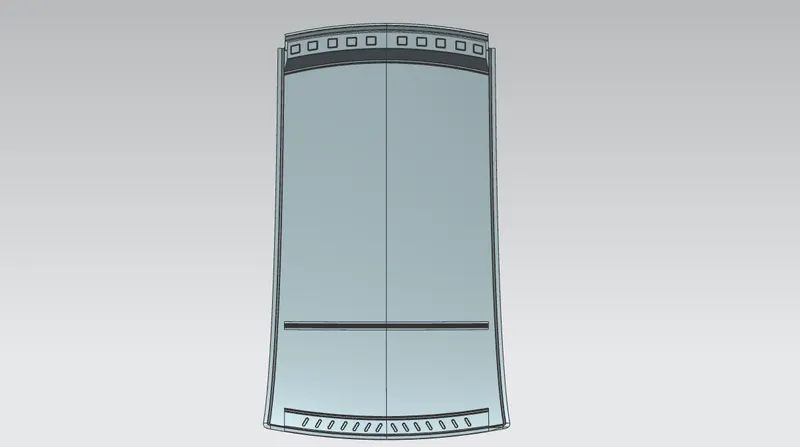
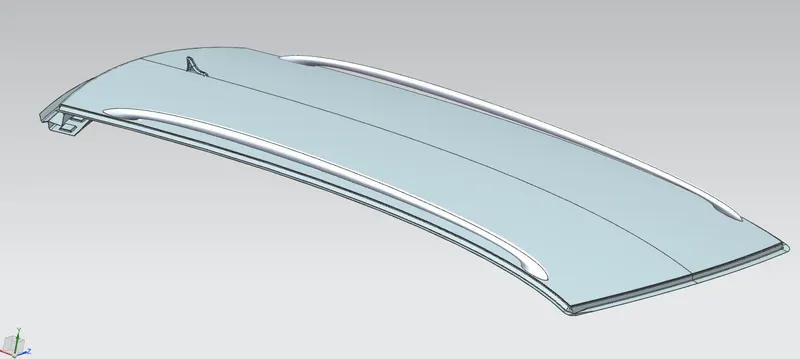
Aim: Design of the front roof rail, rear roof rail, and bow roof for the roof of the vehicles with the help of the given skin data of the roof according to snow load condition and hear distortion criteria.
Objective:
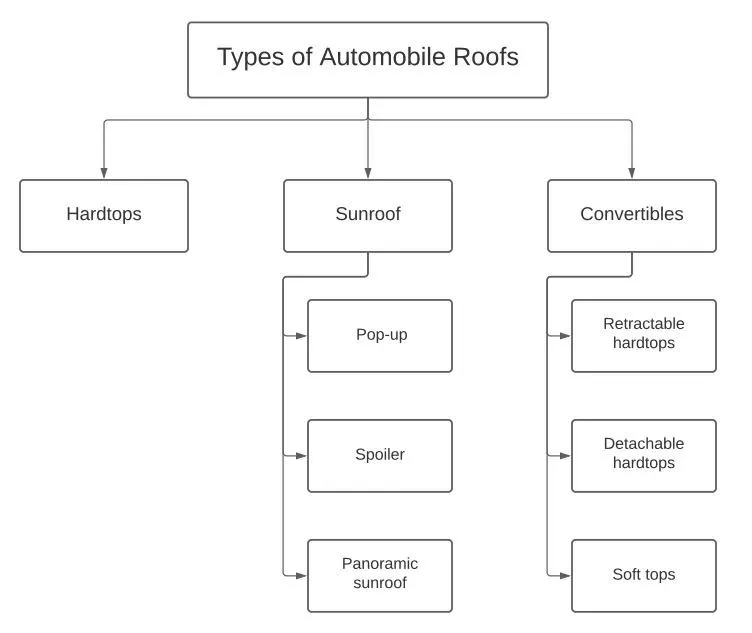
- Study different type of the roof available in the market.
- Study about the heat distortion criteria to adjust the position of bows and center roof rail.
- Study about snow load conditions to check the strength of the roof according to bows positions.
Theory:
Roof: An automobile roof or car top is the portion of an automobile that sits above the passenger compartment, protecting the vehicle occupants from sun, wind, rain, and other external elements.
WHY REINFORCEMENTS :
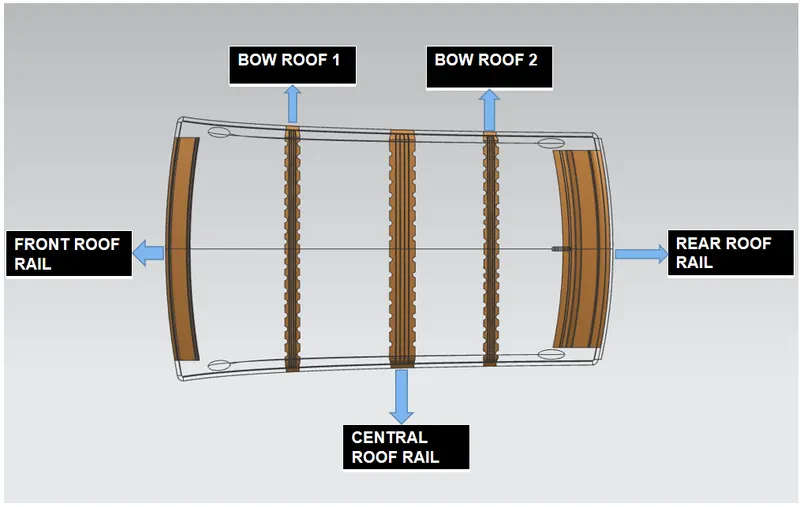
If the roof is flat it is very weak and cannot able to with stand the forces like snow , so in order to increase the strength of the roof these reinforcements like front roof rail, central roof rail, rear roof rail and the bow roofs are introduced and joined to the flat surface of the roof with the different joining process
Different types of reinforcements that the car has are :
- Front roof rail
- Bow roofs
- Central roof rail and
- Rear roof rail
-
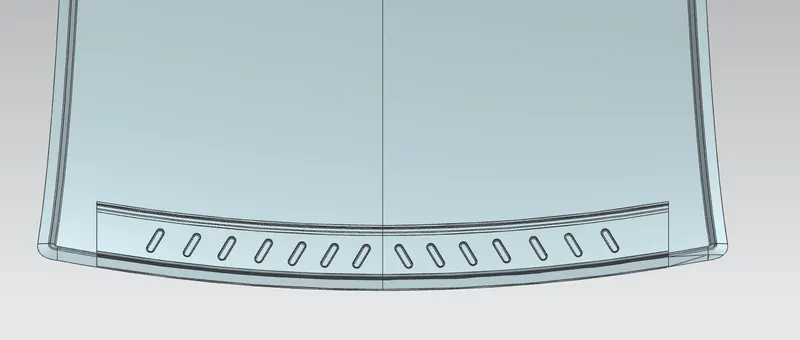
FRONT ROOF RAIL :
Front roof rail is the one which joins the wind shield glass , body side outer and the inner panel also. Here the front roof rail is designed based up on the master saection given
-
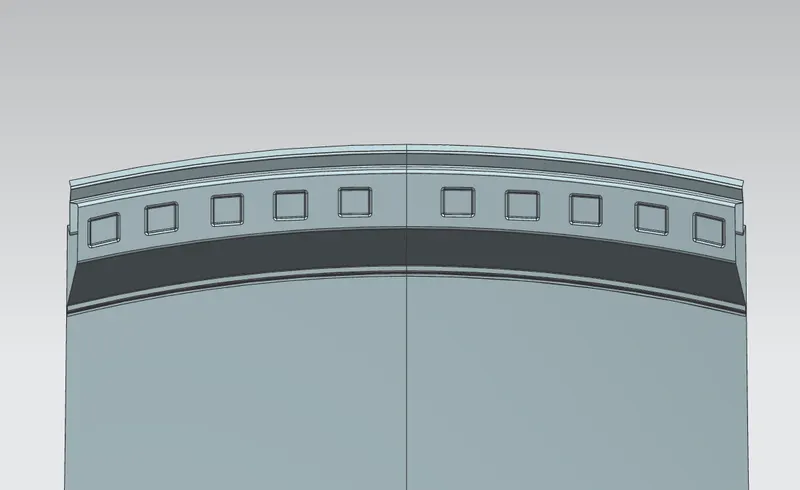
REAR ROOF RAIL :
Rear roof rail is the one which joins the back door and the body side outer
-
CENTRAL ROOF RAIL :
central roof rail helps in providing effectively support to the flat area of the roof as it is more susceptible to failure under the action of load . generally central roof rail is placed at the center of the roof which is connected to the B-pillar support structure . This central roof rail helps in adding the strength to the roof during the rool- over test. The thickness of the central roof rail is 1.25 mm .
-
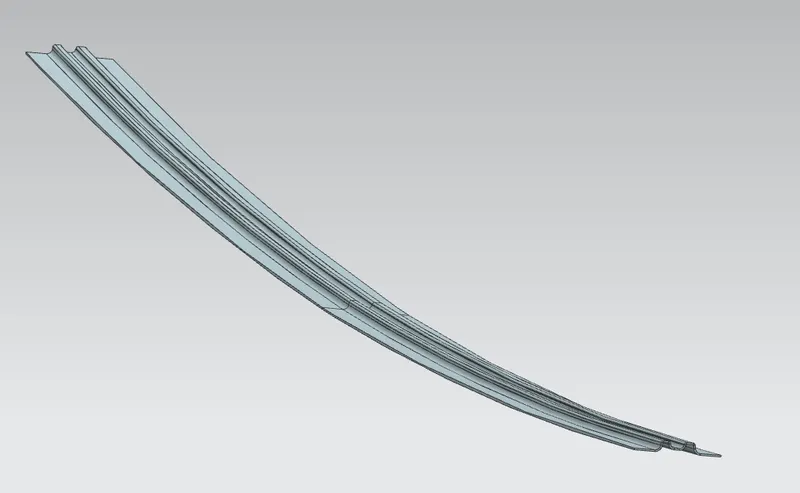
BOW ROOFS :
The bow roofs are give to improve the torsional stiffness and load bearing capacity of the roof structure . The number of bow roof present is depends on the overall size of the roof . Presently in this project two bow roofs are added.
Type of roofs:
JOINING PROCESS :
Mastics are introduced between the roof outer panel and the reinforcements for joining, where ever the mastic are introduced, there is remarkable improve of the strength
Spot welding is also introduced to join the reinforcements and the outer panel
DESIGN CONSIDERATIONS FOR A ROOF :
- Visibility criteria
- Head clearance
- Curvature study
- Heat distortion and snow load criteria
- Draft analysis
DRAFT ANALYSIS :
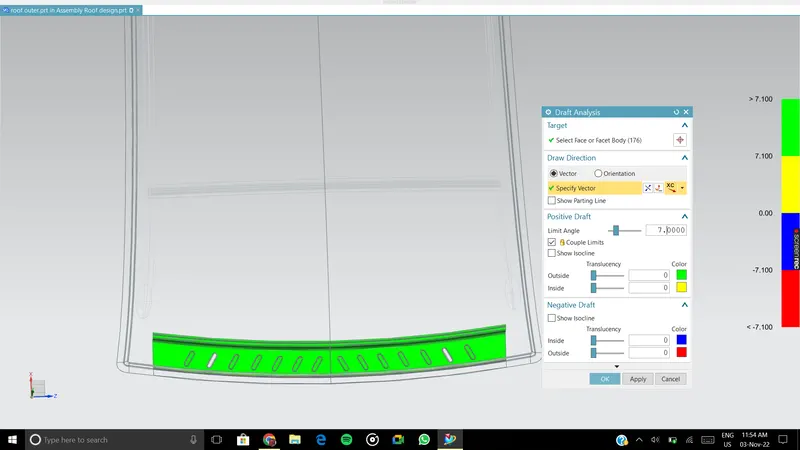
The Draft Analysis command enables you to detect if the part you drafted will be easily removed. This type of analysis is performed based on color ranges identifying zones on the analyzed element where the deviation from the draft direction at any point, corresponds to specified values.
Minimum draft angle of 70 is considered for analysis . green colour infer on the parts that all face along the tooling direction has positive draft angle greater than 70 and passed in analysis
Conclusion:
So from this project, we learned types of roofs and reinforcement used to increases the strength of roof and design the roof according to the heat distortion criteria and snow load conditions and how to join the front roof rail, central roof rail, rear roof rail and Bows to the roof. Learned to position the bows so that we can pass the judgemental conditions of the snow load condition and hear distortion criteria.