Roof Design
Car Roof Design and Analysis Documentation
NOTE: IF YOU HAVE ANY PROBLEM WITH THE FILES ATTECHED(DUE TO SIZE CONSTRAINS), PLEASE CONSIDER THE GOOGLE DRIVE LINK.
https://drive.google.com/file/d/11CvGFIoo5jH6PKG6XHfB7Notl593-7gR/view?usp=sharing
STP
https://drive.google.com/file/d/1KW0RPMOTNBNgWyVIzRaUkAD2kNSk6_m1/view?usp=sharing
Objective
The primary objective of this project is to design a car roof, in
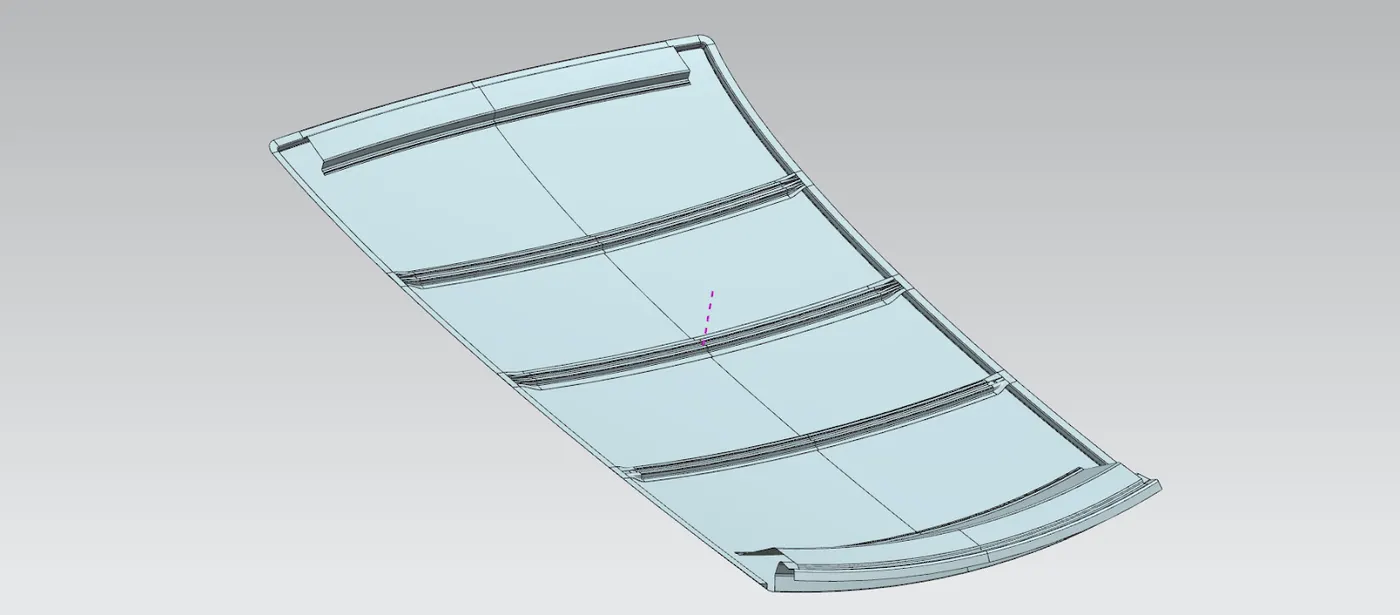
corporating essential flanges and reinforcements such as ditch area, front roof rail, bow roofs, central roof rail, and rear roof rail. Additionally, the documentation involves performing a curvature study on the roof, calculating heat distortion and snow load criteria, determining the correct position of bow roofs, and conducting a moment of inertia and section modulus analysis for various roof components. Draft analysis is also performed for each reinforcement.
Software Used
NX - CAD
Introduction
The design of a car roof is a crucial aspect of vehicle engineering, considering both aesthetics and functionality. This documentation outlines the design process using NX CAD software, ensuring that the roof meets safety standards and manufacturing feasibility.
Car Roof Design
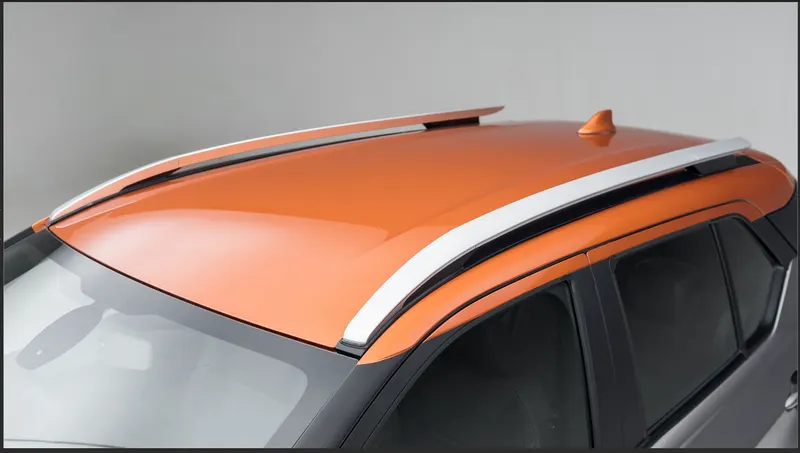
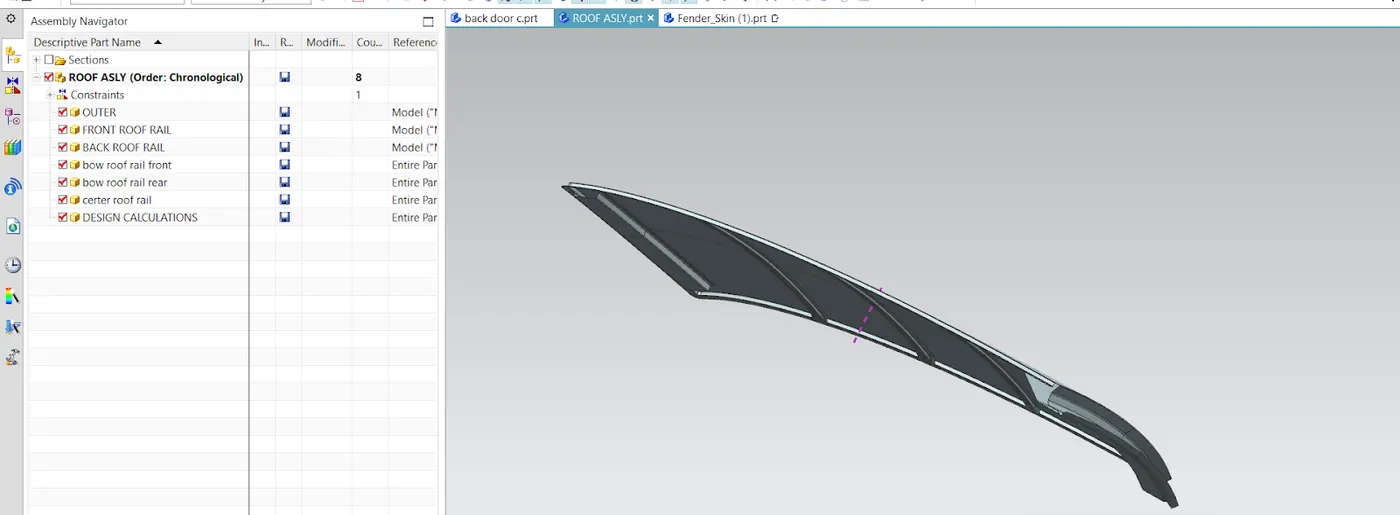
The car roof is a structural component that protects vehicle occupants from external elements. To enhance strength and durability, various reinforcements and flanges are introduced. The design incorporates front roof rail, rear roof rail, central roof rail, and bow roofs
.Bow–Roof Prediction Formula
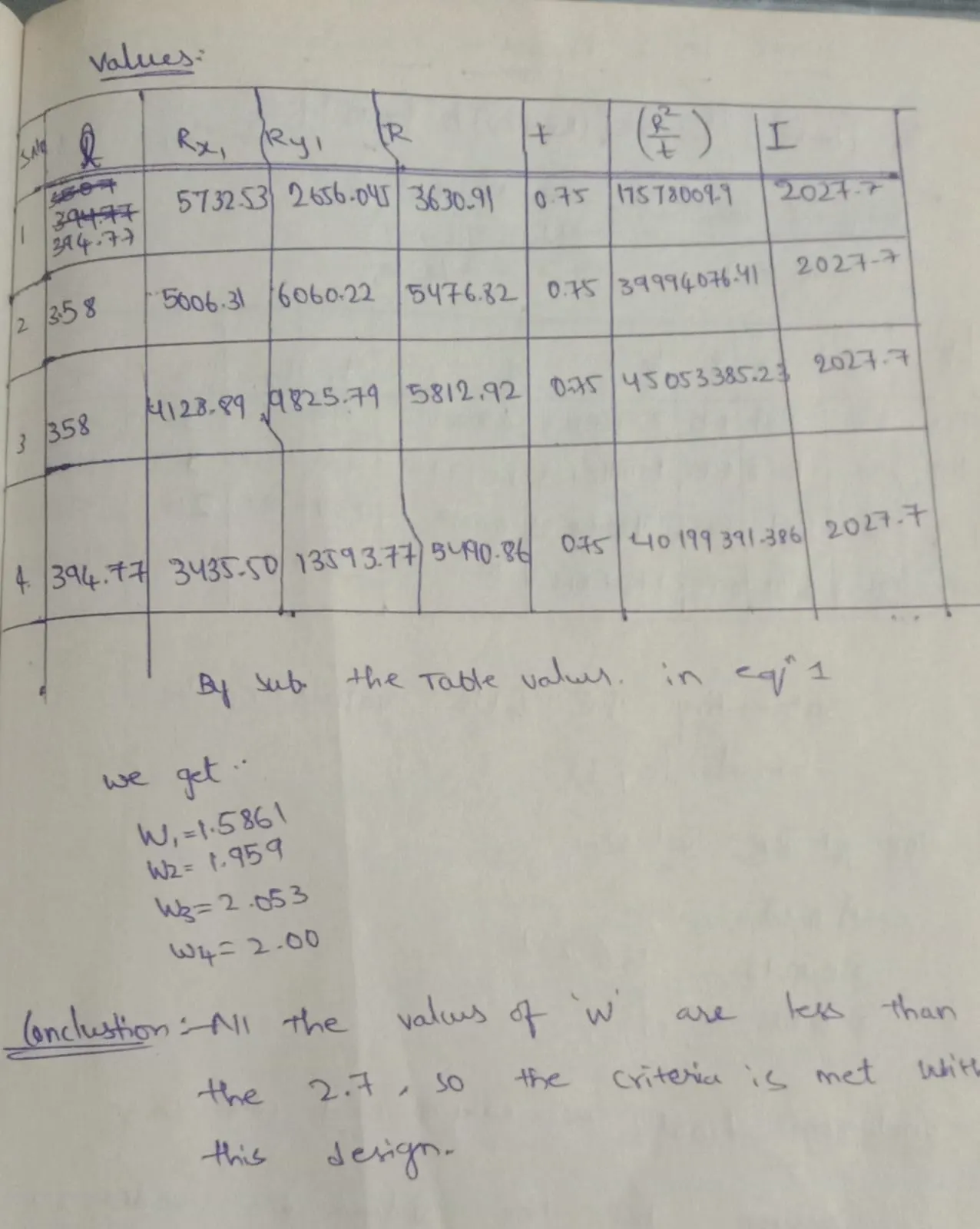
W = [1.73 x 10^(-3) x L] + [1.85 x 10^(-8) x (R^2)/t] + [ 1.10x10^(-3) x l] - 2.68
Where,
L = Roof Length in X-Direction[mm](Roof dimension in 0-Y)
R = Roof curvature
R = 2(Rx*Ry)/(Rx+Ry)
Rx = X curvature
Ry = Y curvature
t = Roof plate thickness [mm]
l = Bow Roof Span [mm]
Judgment Condition
OK< 2.7
Snow Load Prediction Formula
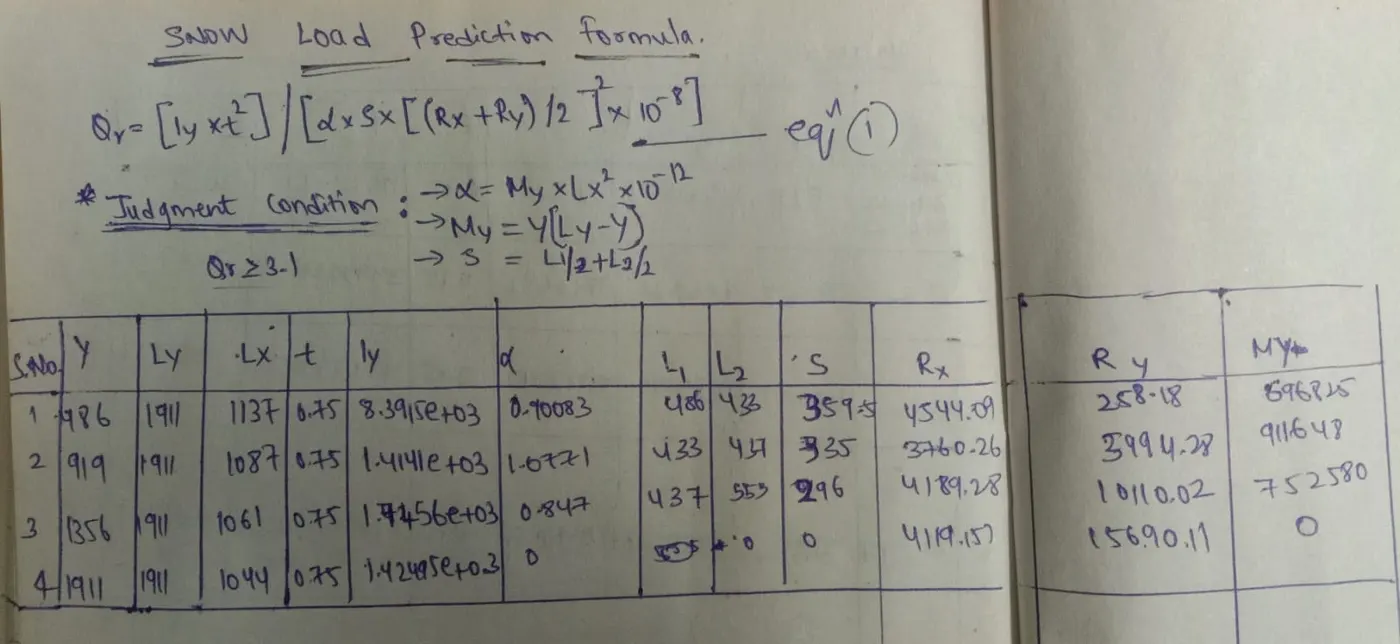
Qr = [Iy x t2] / [α x s x [(Rx + Ry)/2]2 x 10-8]
Note: The Qr value given over here is correct. There was a typo error in the formula given in the video.
Where,
α = My x Lx2 x 10-12 , My = Y(Ly-Y)
t = Roof plate thickness [mm]
Ly = Distance between the front and rear roof Rails on the Vehicle along with 0Y[mm]
Length of Roof panel with the center point between Roof rail Front /Rear as the front and rear reference point.
Lx = Distance between the Left and Right end of the roof on the Roof BOW [mm]
The width of the roof panel is exposed on the surface.
Y = Distance front Front Roof Rail to Roof BOW[mm]
s = Distance for which Roof BOW bears divided load [mm]
s = L1/2 + L2/2
Iy = Geometrical moment of inertia of Roof BOW (Y cross-section )[mm4]
Rx = Lateral direction curvature radius of roof panel Y cross-section on Roof BOW [mm]
Roof panel curvature Radius of the Length Lx in Front view
Ry = Longitudinal Direction curvature radius of the Roof panel X cross-section on Roof BOW [mm]
Roof panel X curvature radius of length s in Side view
Judgment condition
Qr ≥ 3.1
250 ≤ s ≤ 380
Joining Process:
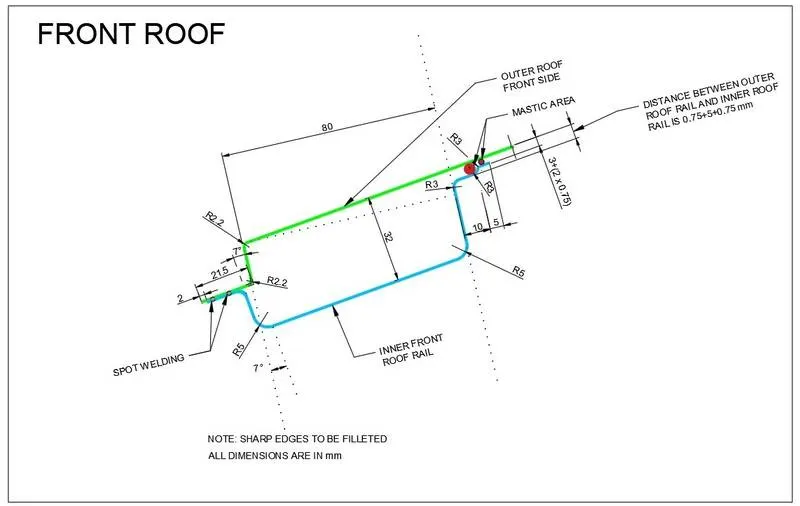
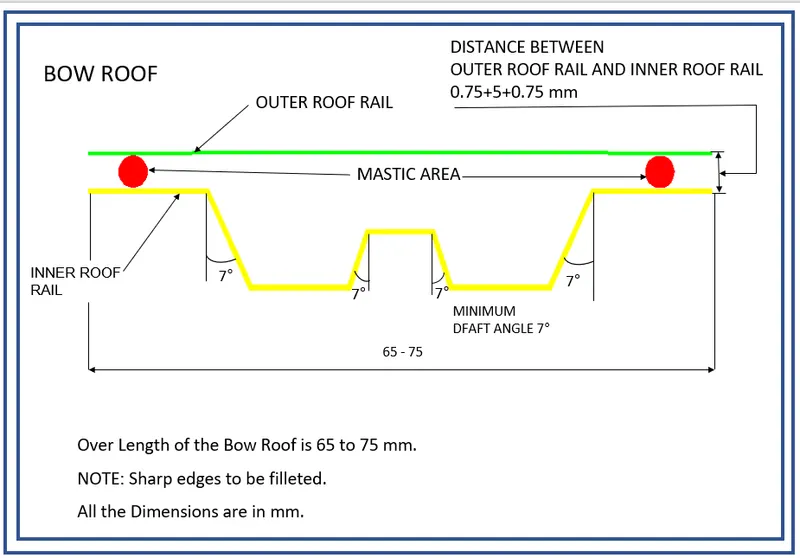
Mastics and spot welding are introduced between the outer panel and reinforcements for effective joining and increased strength.
-
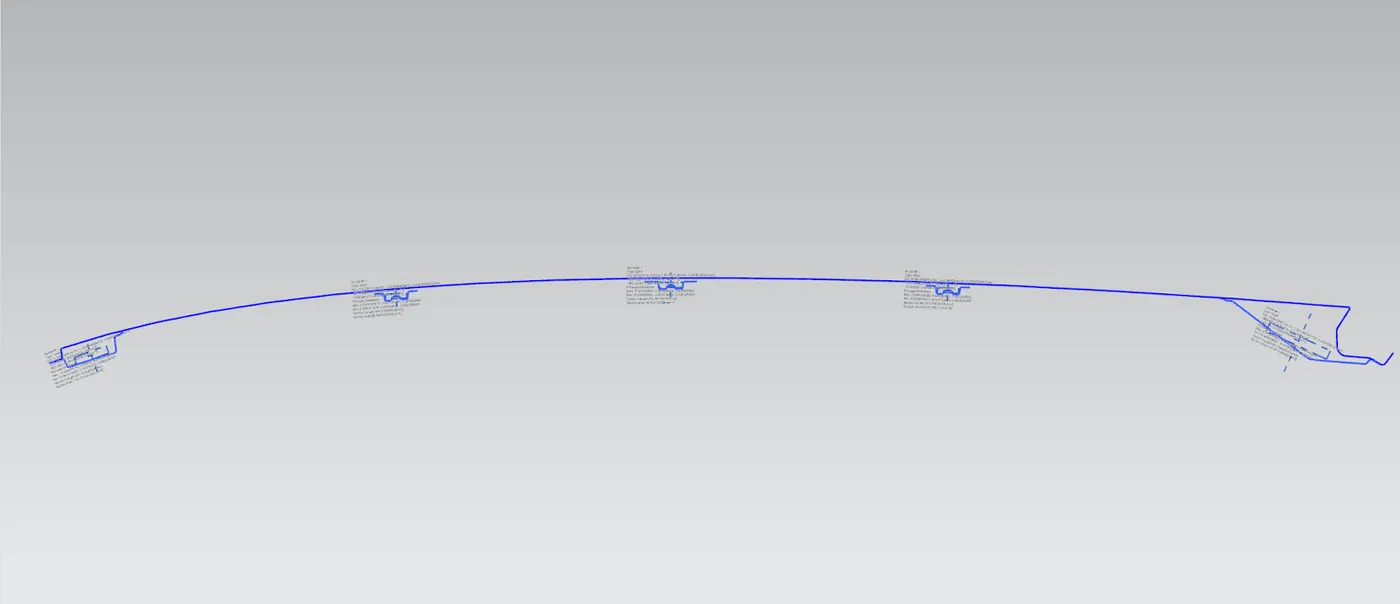
Master section of the Rear Roof Rail
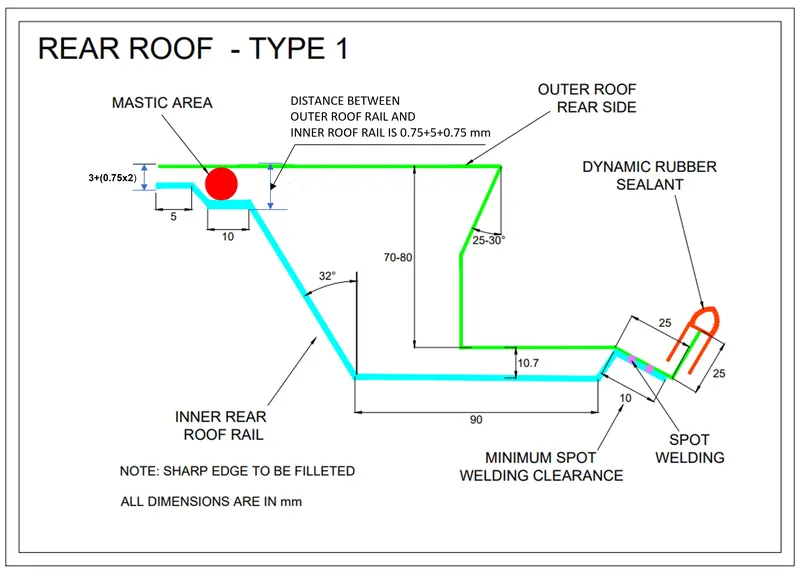
Master section of Bow Roof
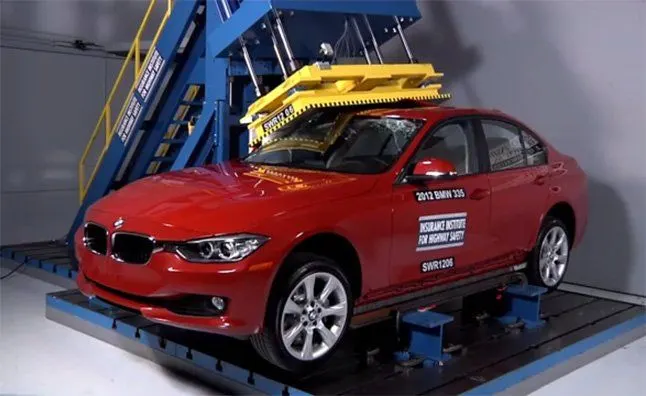
Roof Crush Test
The roof crush test, as per IIHS regulations, assesses the vehicle's ability to withstand rollover forces. Ratings are based on how fast the car returns to its original shape after a rollover and the depth of protrusion. Conditions and methods for applying force are standardized.
Heat Distortion Study
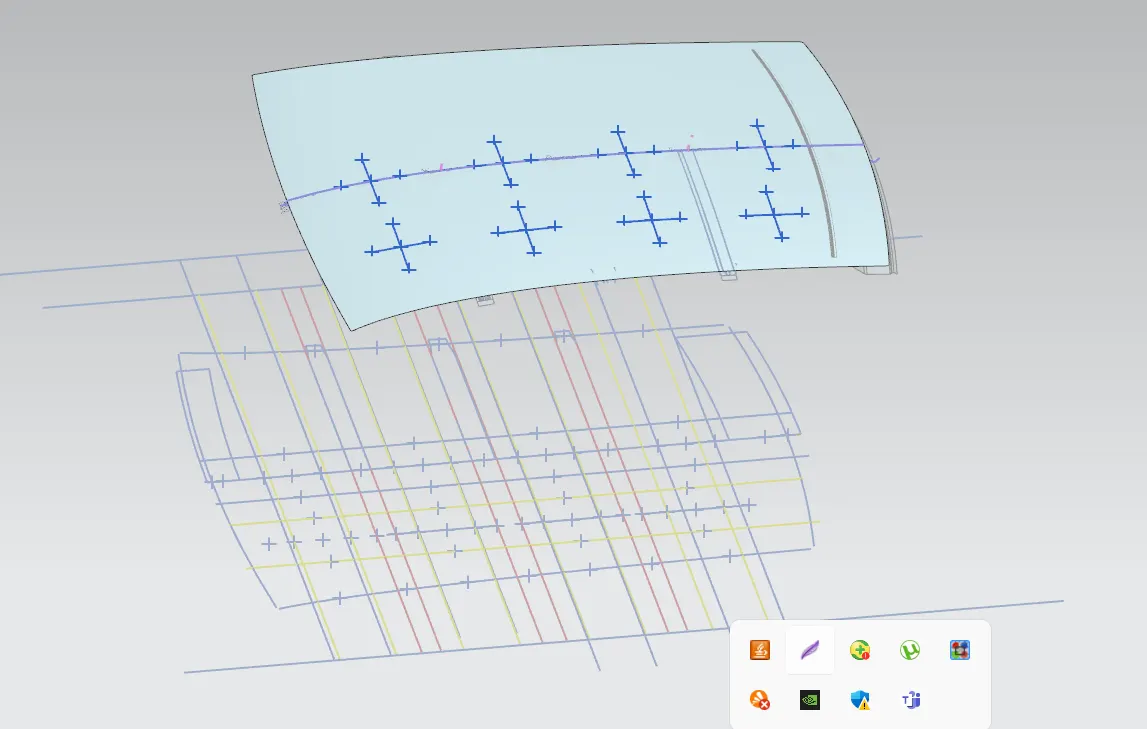
Predicts the heat distortion temperature to avoid bending or damages on the roof. The Bow Roof Prediction
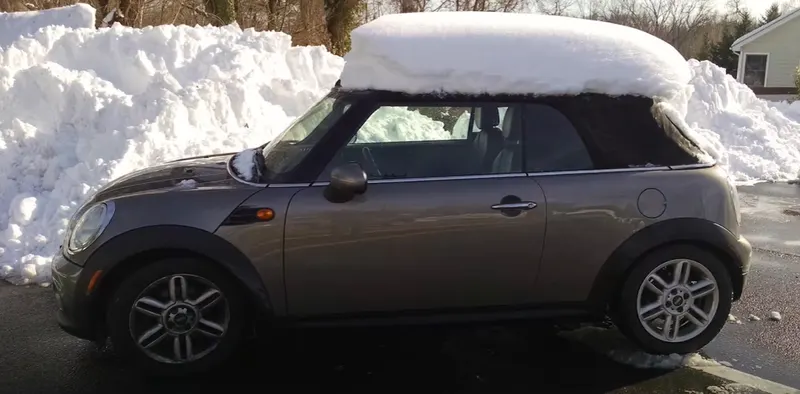
Snow Load Criteria
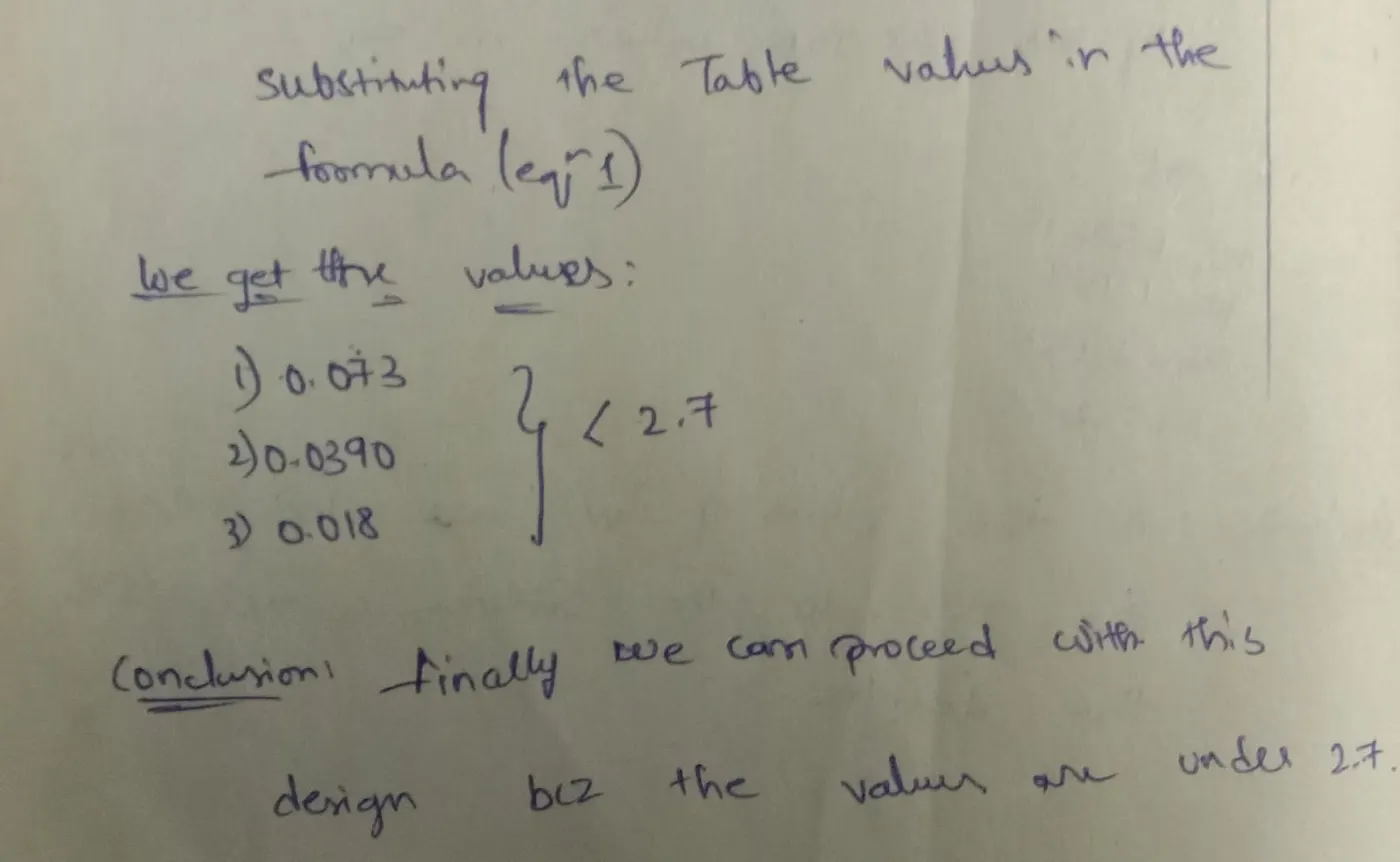
Assesses the behavior of the roof under snow load. QR values are calculated based on various parameters.
Results:
QR values are found to be greater than the acceptable limit, indicating good positioning of bow roofs.
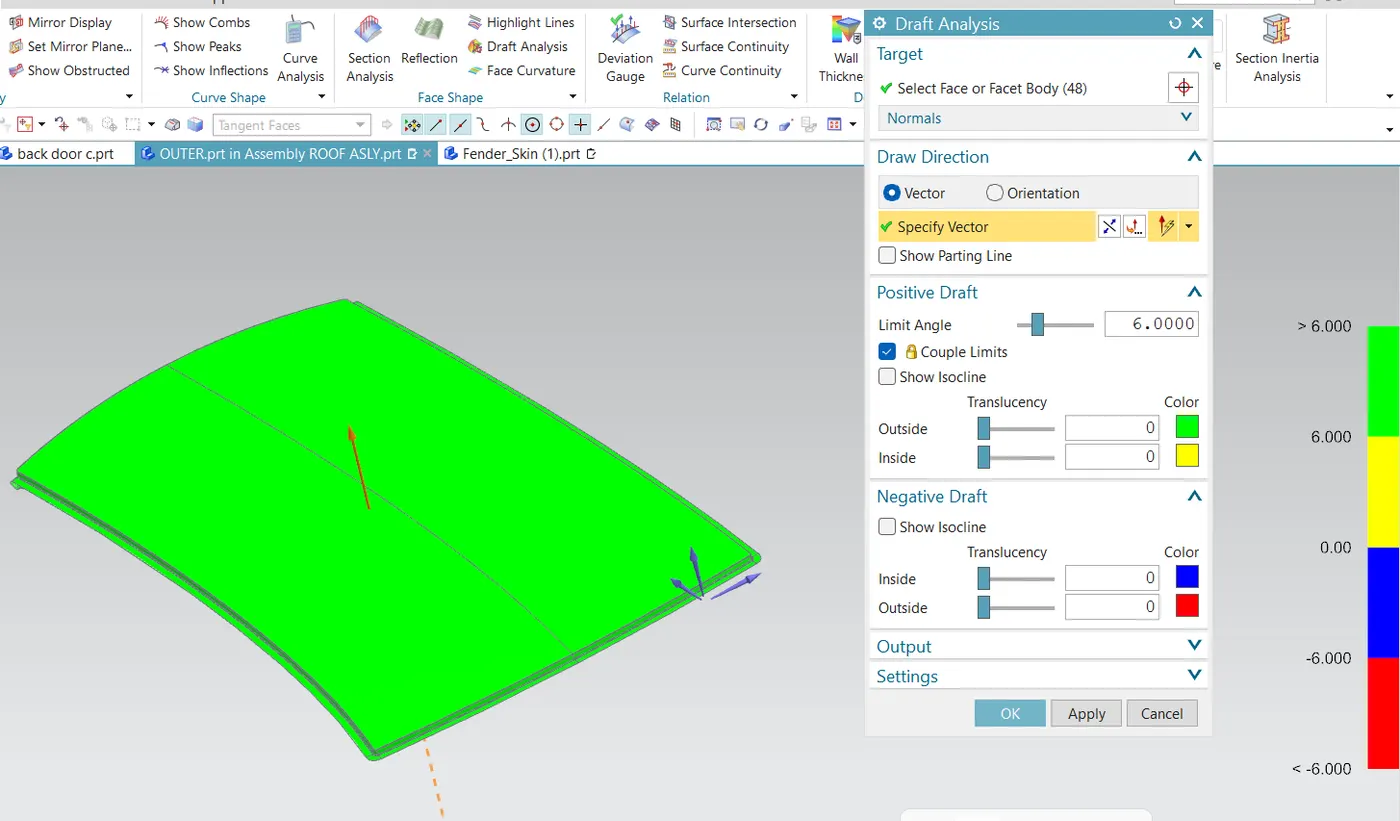
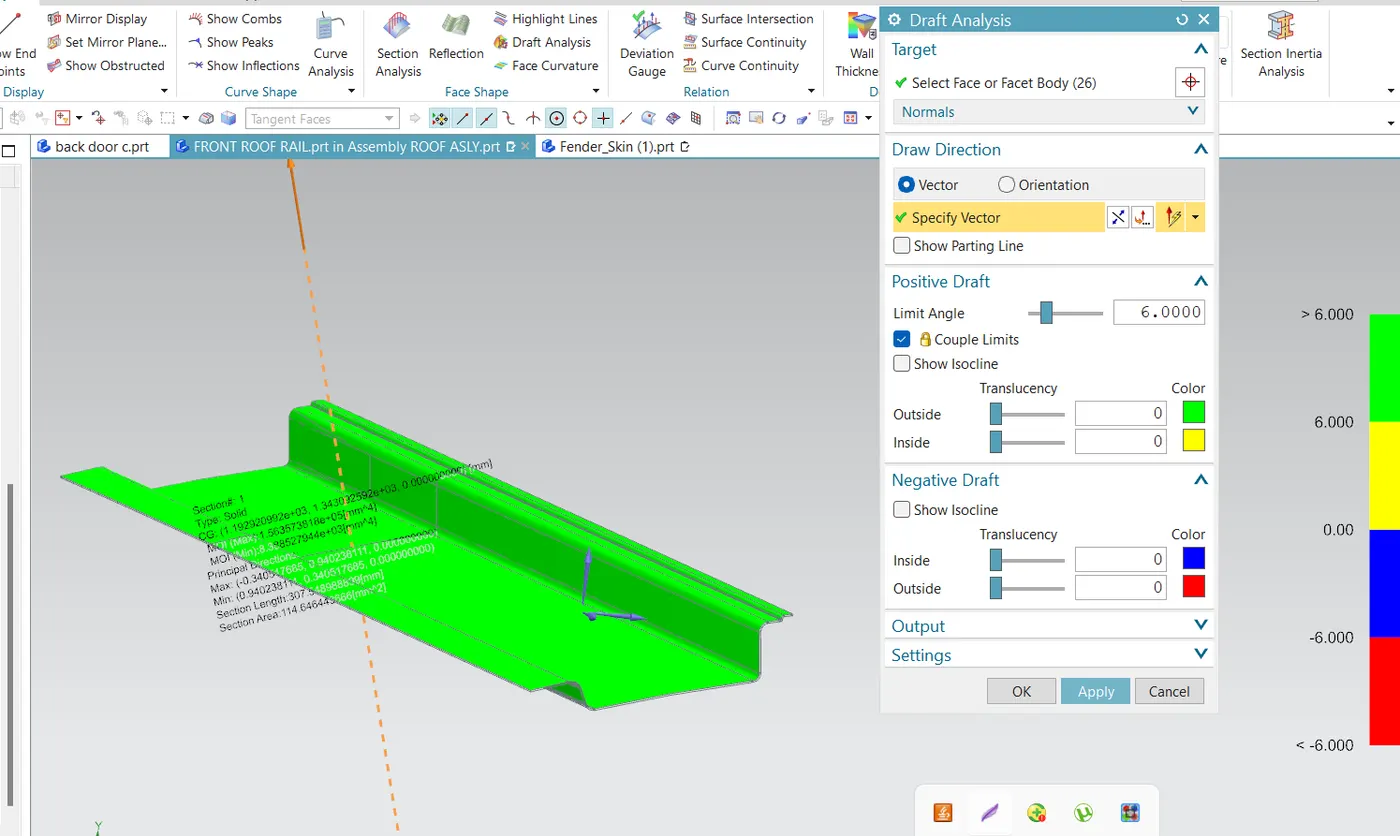
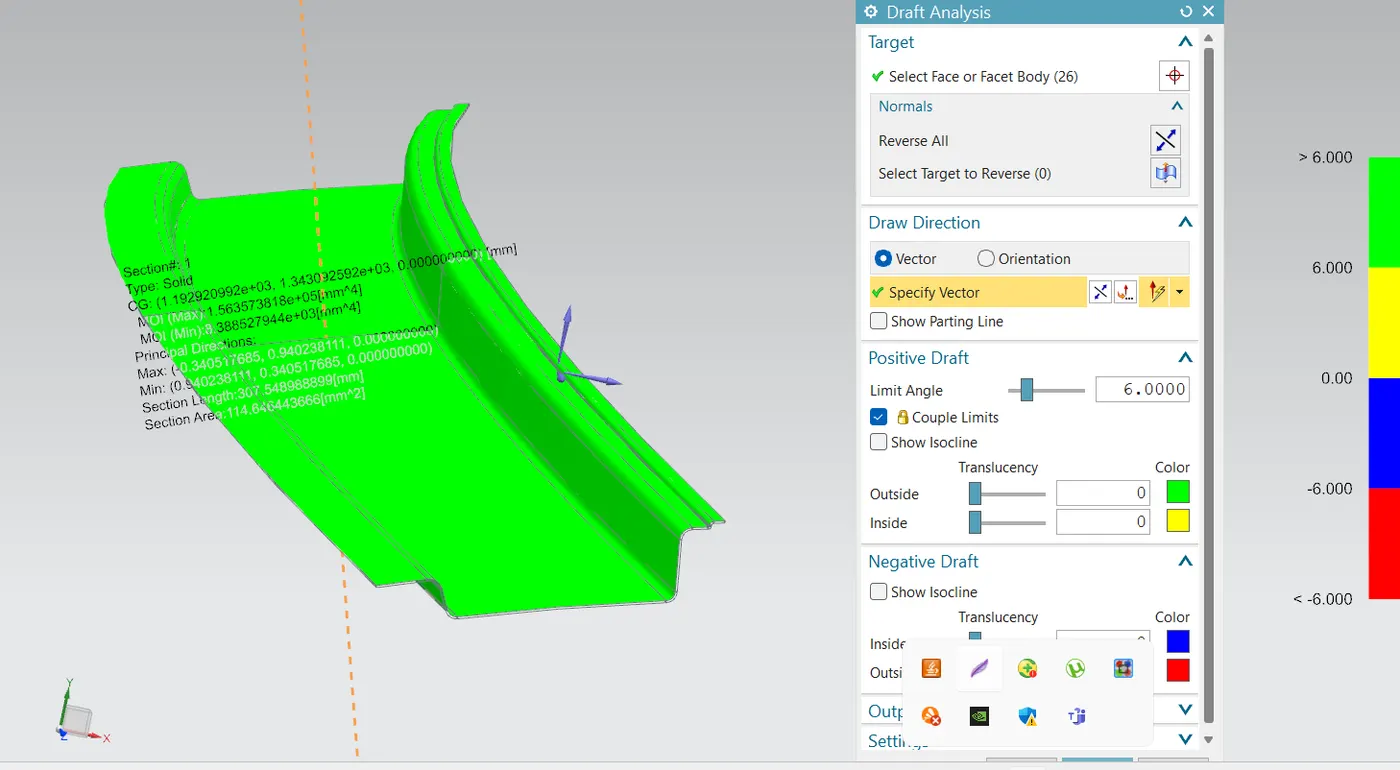
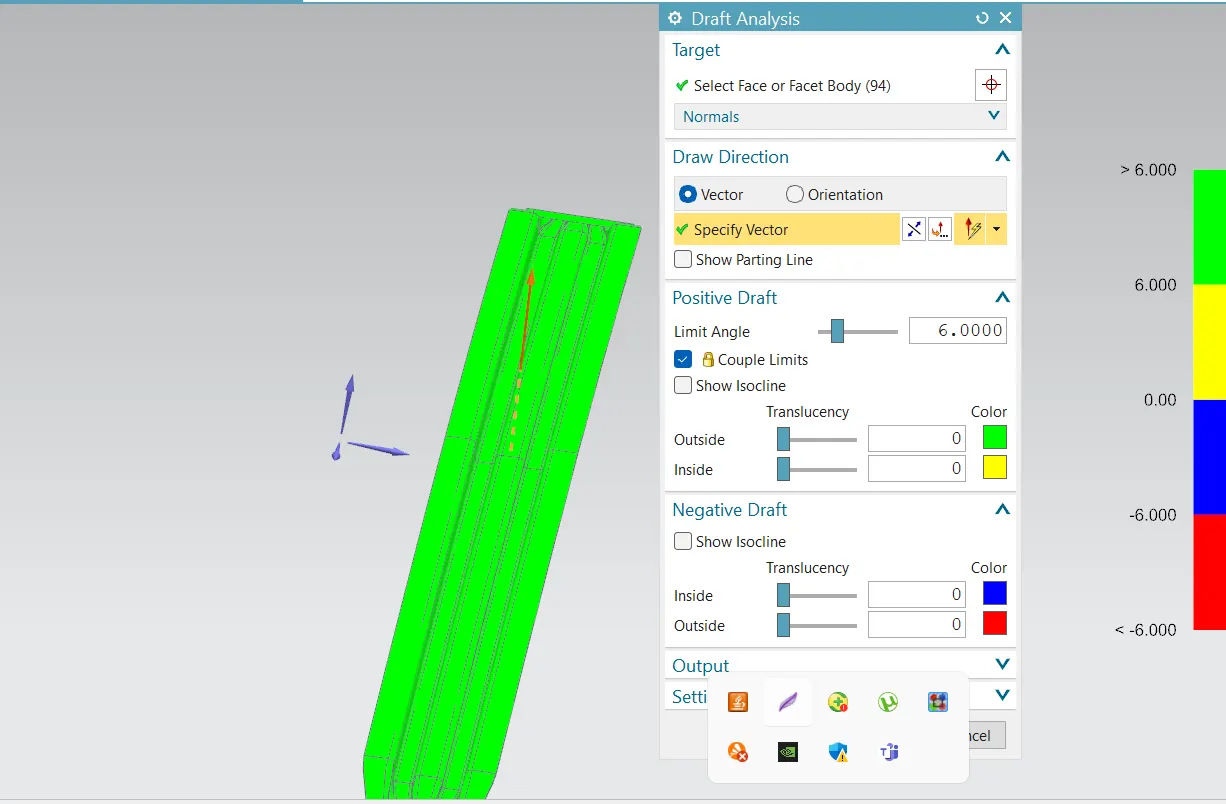
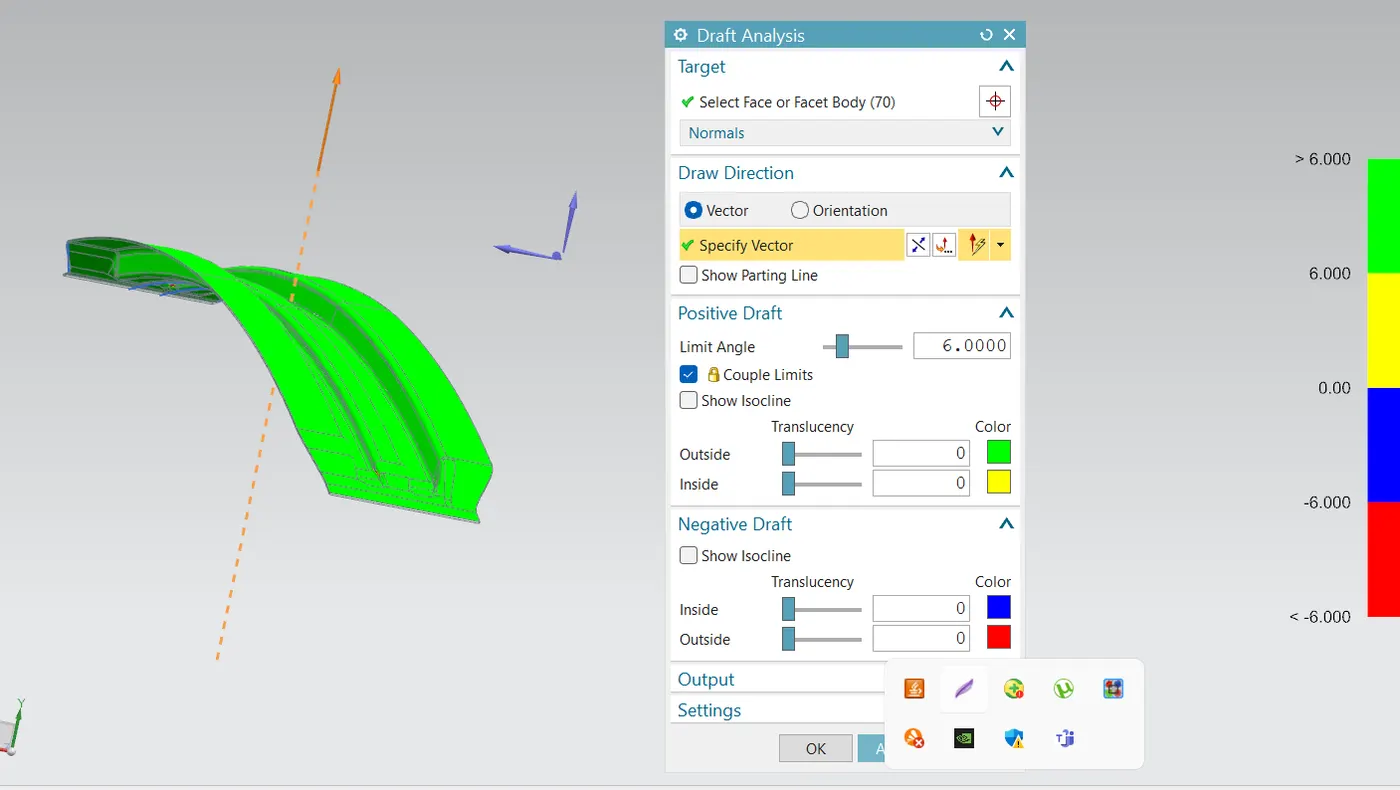
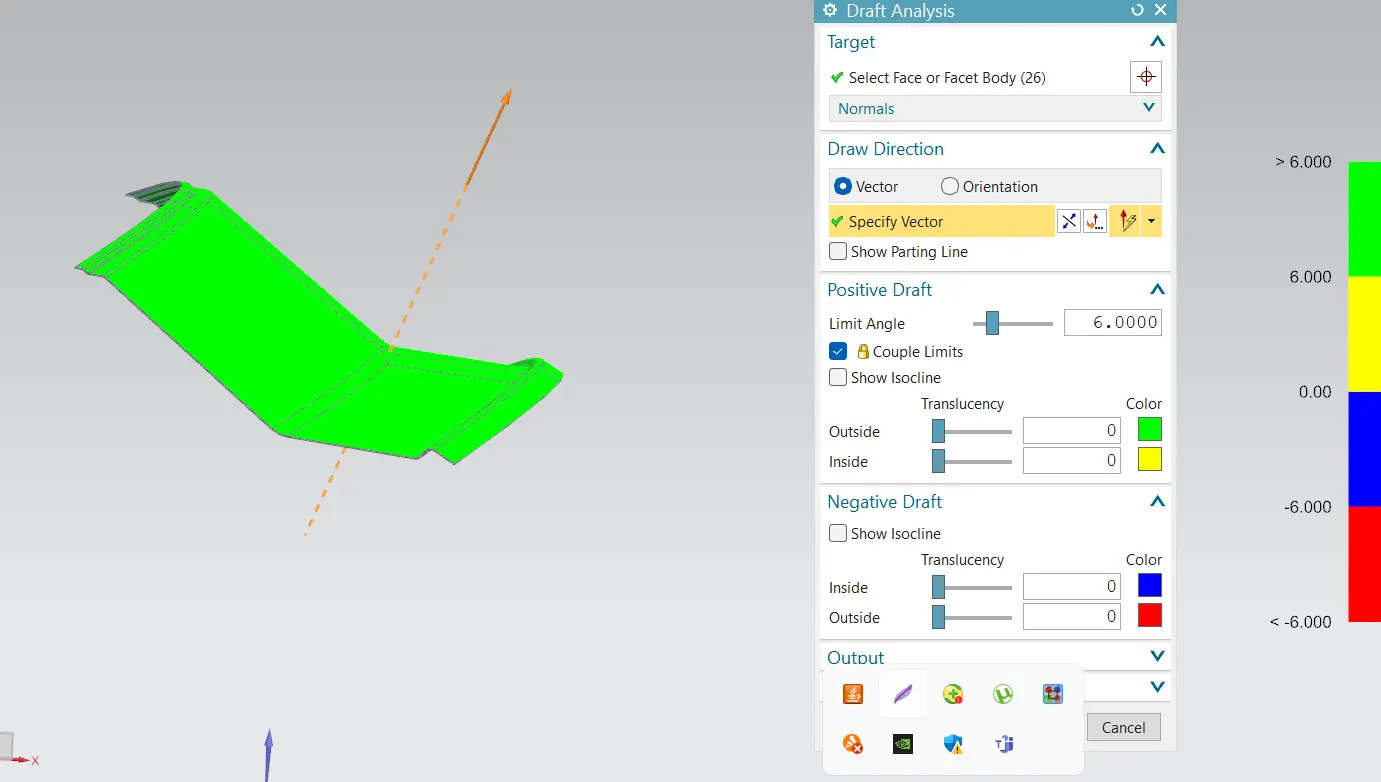
Draft Analysis
Draft analysis ensures manufacturability, considering a minimum draft angle of 7 degrees.
Conclusion
The car roof, along with its reinforcements and flanges, is successfully designed, considering safety, manufacturability, and performance criteria. The documentation provides a comprehensive overview of the design process and analyses conducted, ensuring a robust and functional car roof.
Hemming:
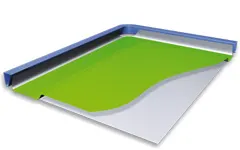
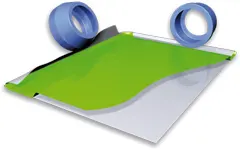
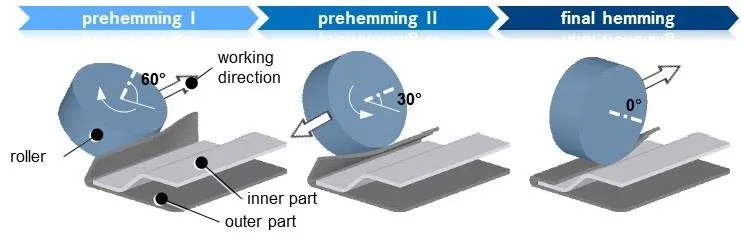
Hemming is a forming operation in which the edges of the sheet are folded or folded over another part in order to achieve a tight fit. Normally hemming operations are used to connect parts together, to improve the appearance of a part and to reinforce part edges.
In car part production, hemming is used in assembly as a secondary operation after deep drawing, trimming and flanging operations to join two sheet metal parts (outer and inner) together. Typical parts for this type of assembly are hoods, doors, trunk lids and fenders.
There are various types of hemming operations:
-
Conventional die hemming: In conventional die hemming, the flange is folded over the entire length with a hemming tool.
-
Roll hemming: In roll hemming, the hemming roller is guided by an industrial robot to form the flange.
 ROOF CRUSH TEST :
 SNOW LOAD CRITERIA :
This test is done to know how is the roof behaving when there is a snow over . normally due to the snow weight the dent will happen. But the roof should be designed in such a way that when the snow is removal the roof should go it its original position . This is the basic requirements for snow load criteria .
 conclusion: THE DESIGN OF IS DONE ACCORDING TO THE CRITERIA.