DESIGN AND ANALYSIS OF AUTOMOBILE ROOF
DESIGN AND ANALYSIS OF ROOF
OBJECTIVE: To design the Roof of the car and Conduct the analysis on the roof by calculating the heat distortion and snow load calculations.
INTRODUCTION
ROOF: It is an automobile component that is placed at the top of the vehicle. It actually used for covering the passenger from the different weather conditions and helps in different cases like roll-over accidents.
The outer portion which is visible for us is called a styling roof and it consists of different structures which enhance the actual strength of the roof. They arranged according to the curvature of the roof outer like front roof rail, rear roof rail, Bow roofs.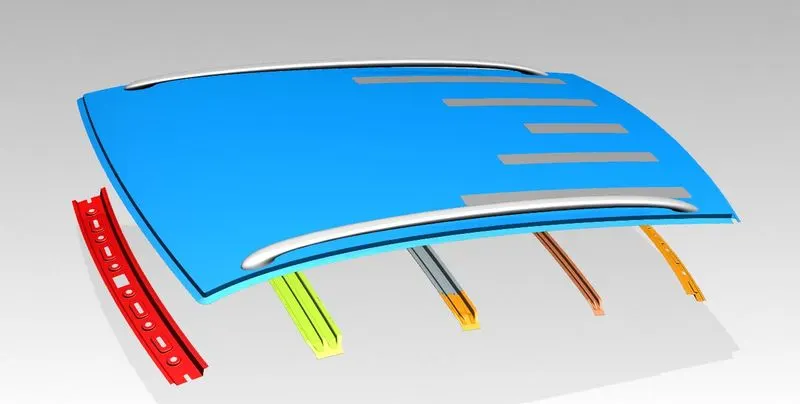
DESIGN OF ROOF:
FRONT ROOF RAIL:
The master section of the front roof rail, which provides the idea for designing the roof reinforcements
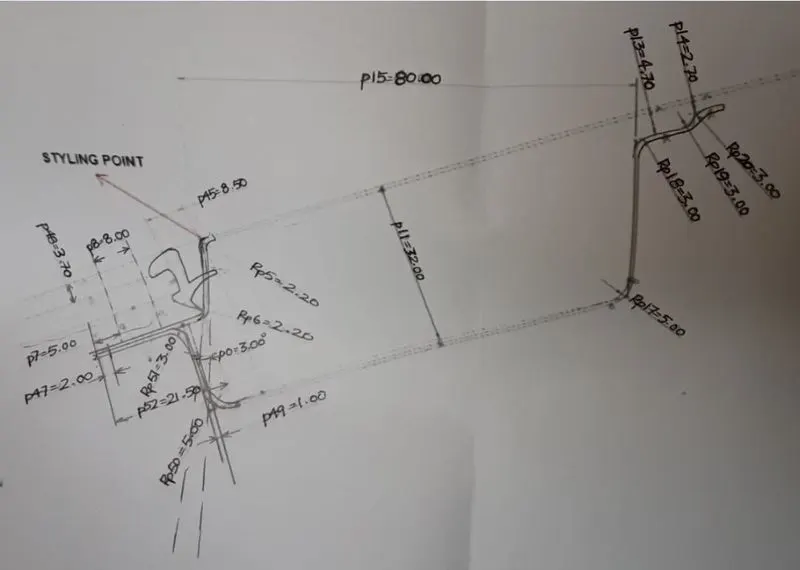
The front roof rail acts as a supporter to the roof and provides clearance to the windshield glass. It is located under the outer roof at the stating and arranged in order that connects the body side outer and the inner panels with the help of mastic sealants, the thickness of the inner front bow roof rail is 0.75mm.
While designing it should be provided minimum angle greater than 3 degrees for the deep drawing process.
And the important factors like visibility criteria and headroom clearance should be considered by contacting the project team while designing.
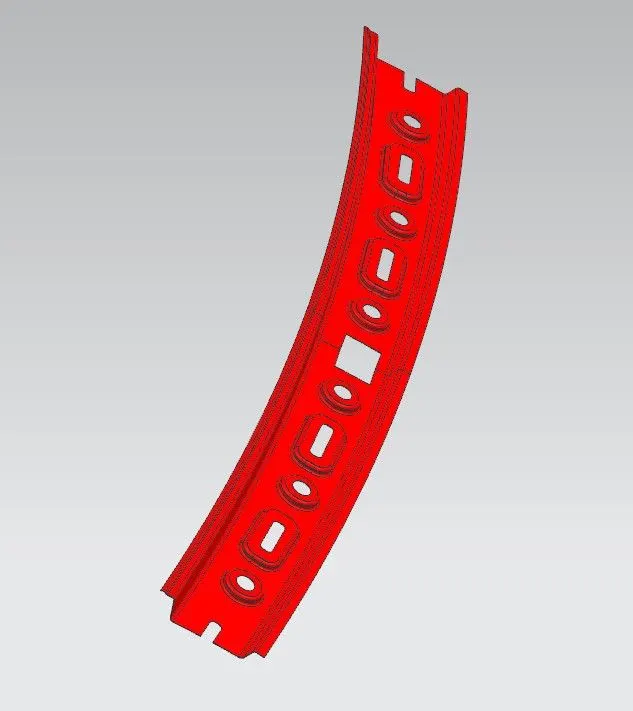
FRONT ROOF-RAIL
REAR ROOF RAIL:
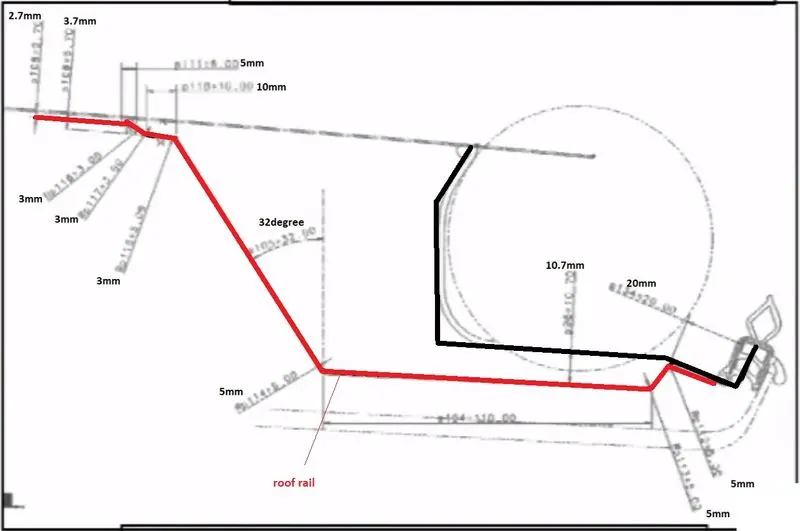
MASTER SKETCH OF REAR ROOF RAIL
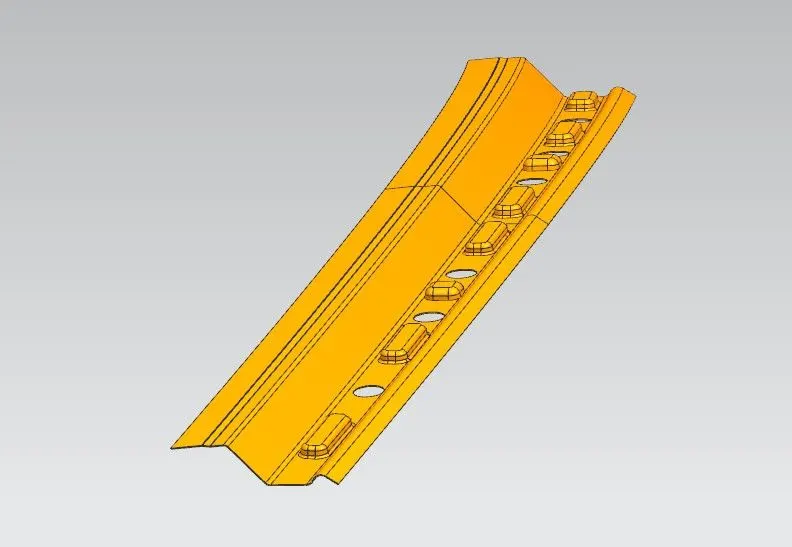
A rear roof rail is created at the end of the roof which acts as a support to the back door. It is designed by taking the clearance area for a rotating hinge that connects the body side outer, backdoor, and roof.
It also has a thickness of about 0.75mm and it consists of an inner panel that is created under the Ditch-area acts as a supporting member for a back door.
The body-side outer and roof are joined by spot welding and the center portion of rail and outer roof are connected by mastic sealants.
REAR ROOF RAIL
BOW ROOFS:
We have added three bow roofs in the design for providing good strength at each section of the roof.
CENTER BOW ROOF:
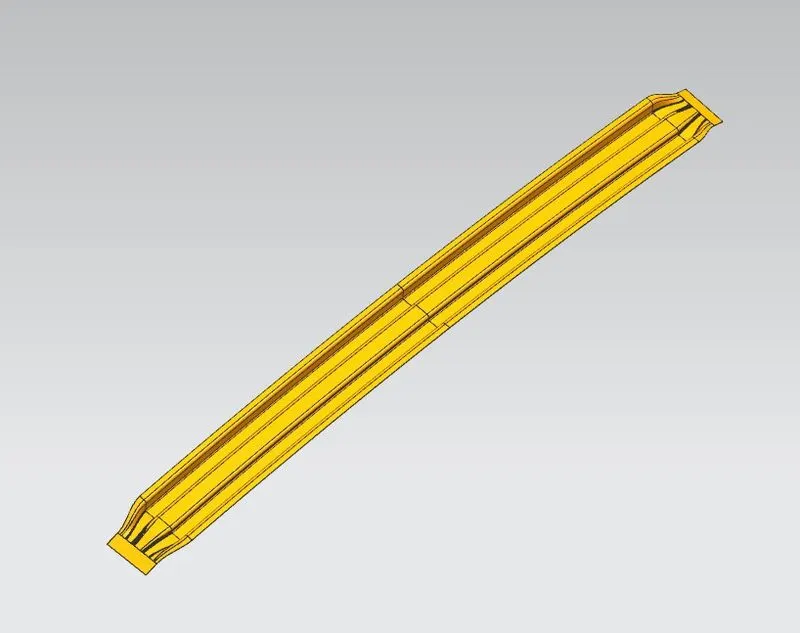
This roof is created at the center of the roof and joined with the outer roof by having the mastic sealants between them.
Here at the bow roofs, there is no provision for spot welding which disturbs the roof outer aesthetically.
Centre Bow roof
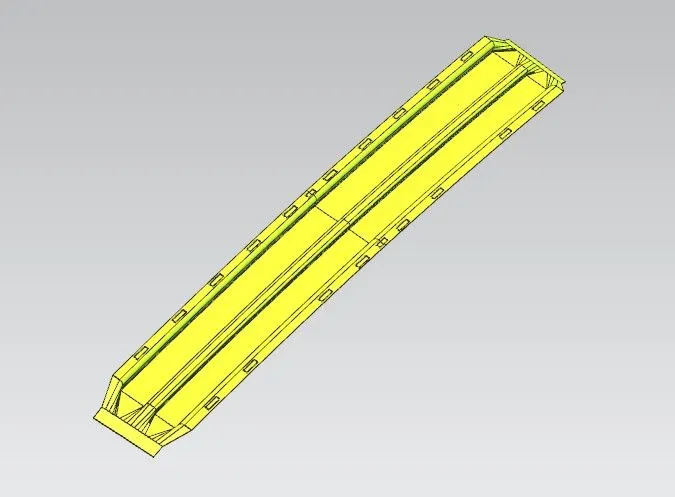
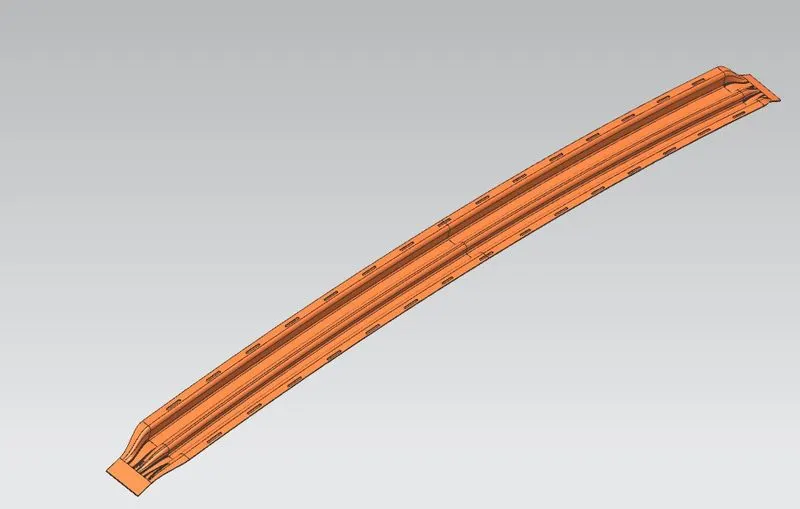
For maintaining the effective strength to roof the different shapes of embosses are added. The thickness of the bow is maintained with 1.35mm thickness.
And there is some special type of embosses are created on the bow roof 1&3 which gives the provision for mastic sealant to not to woose out the panels.
Bow roof-1
Bow roof-2
REINFORCEMENTS:
The reinforcement is provided at the center of the roof to satisfy the distortions of the roof. And stay stiffer by creating at the center of the roof with a 0.75mm thickness.
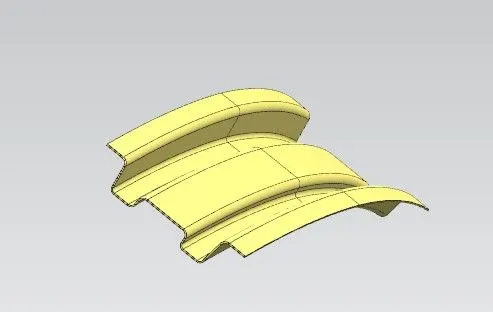
Reinforcement
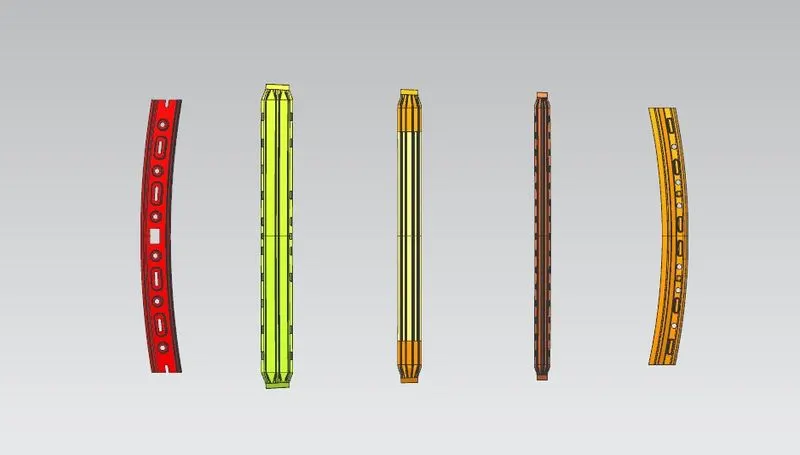
POSITIONS OF BOW ROOFS
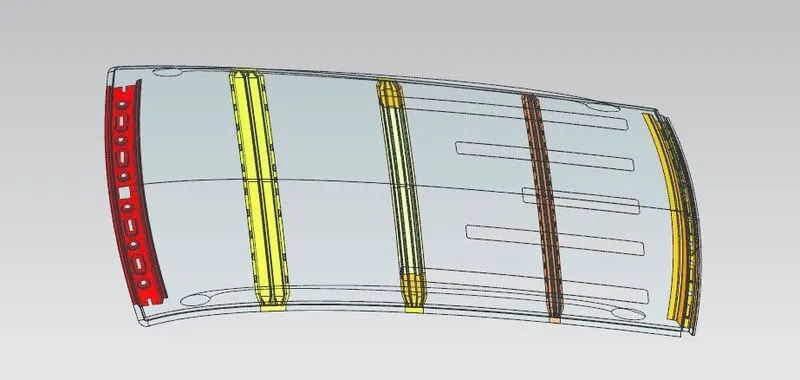
ASSEMBLY OF ROOF

ANALYSIS OF ROOF:
- SECTION MODULUS STUDY:
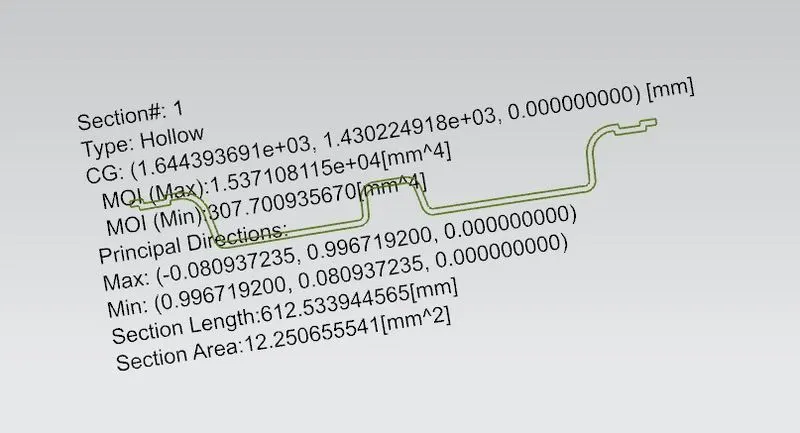
Y=119.3mm
S = I/Y
S = 307.700/119.3 = 2.579 mm^3
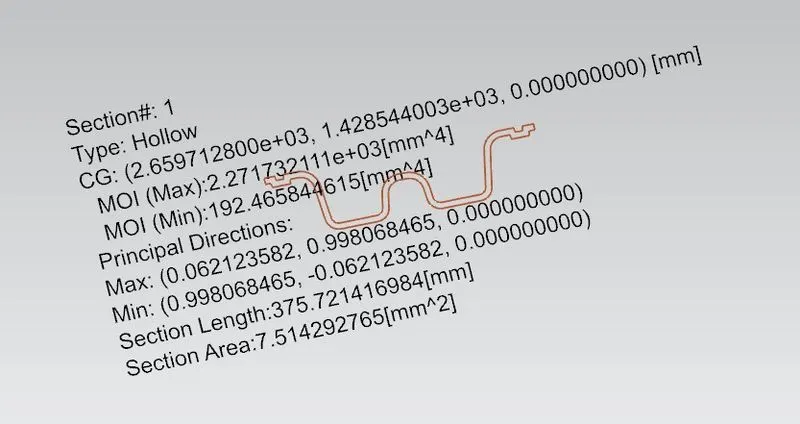
Y = 90mm
S = 2.13mm^3
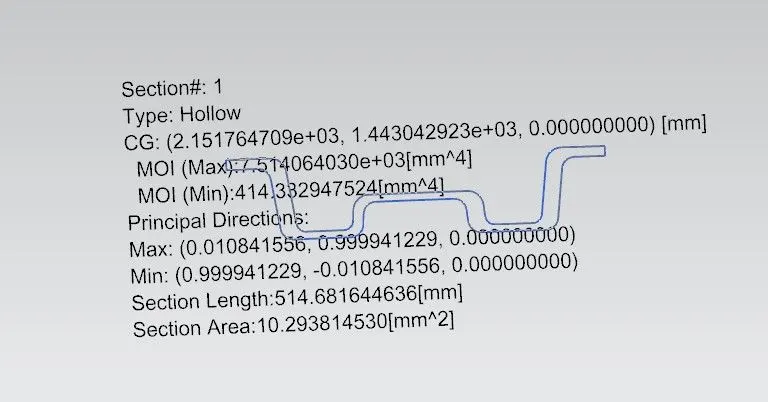
Y = 60mm
S = 6.69mm^3
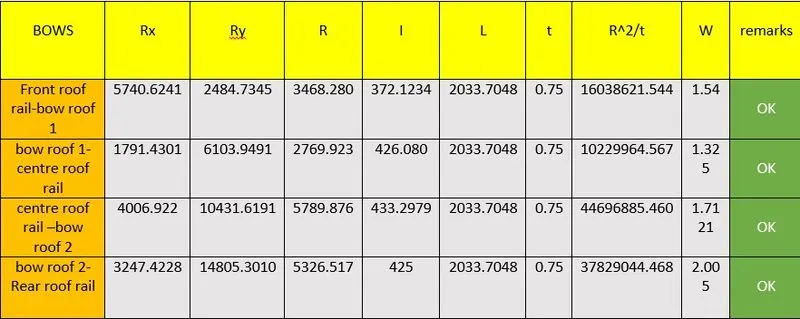
HEAT DISTORTION CRITERIA:
This study is to be done to check whether the roof will withstand high distortion temperature at which the metal deforms under specific loads on the roof.
Prediction formula:
W = 1.73 x 10^-3 x L +1.85 x 10^-8 x R2/t+1.10 x 10-3 x l -2.68
Judgment condition:
OK <2.7mm< NG
Where,
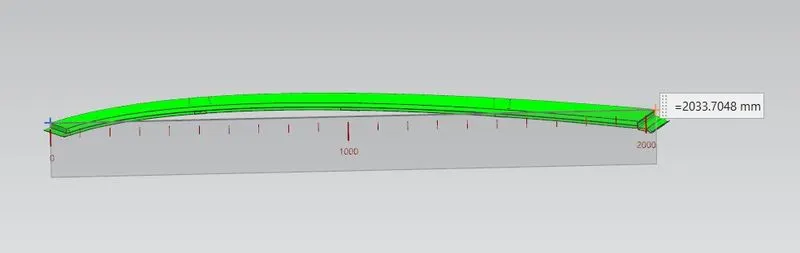
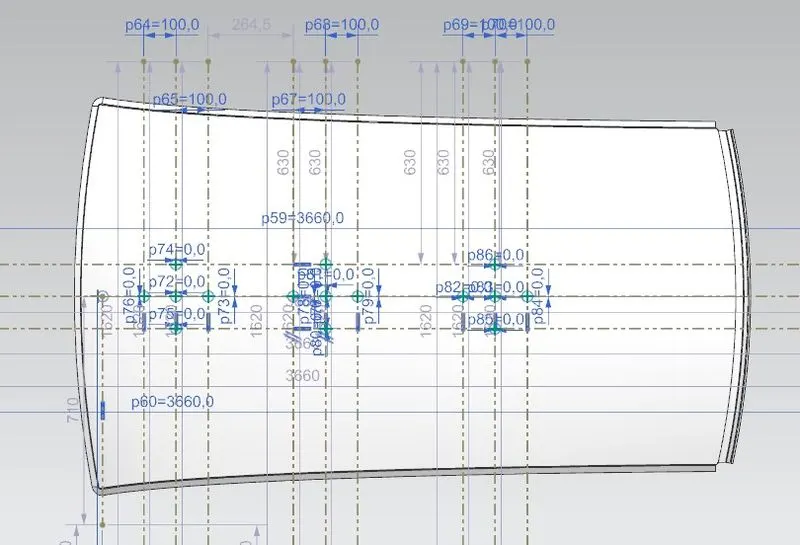
L = Roof length in X- direction (roof dimension in O-Y)
R = Roof curvature +2(Rx*Ry)/ (Rx+Ry)
Rx = X curvature
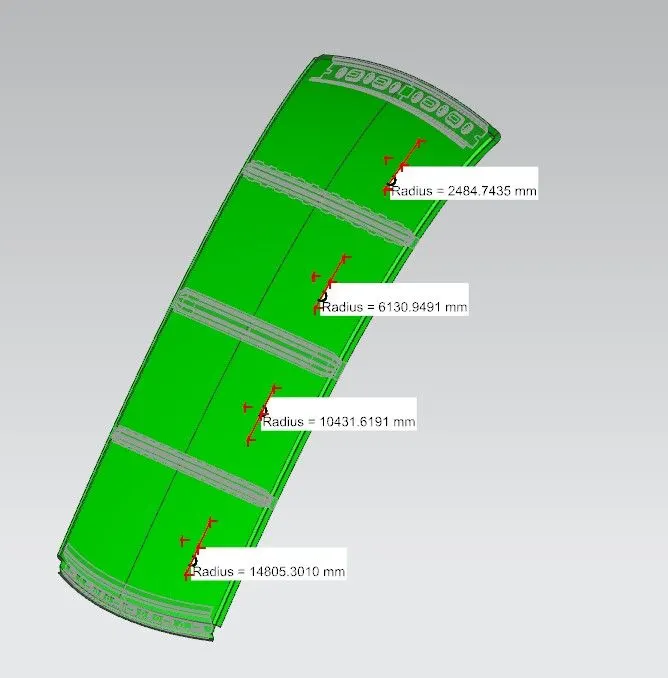
Ry = Y curvature
t = Roof thickness (mm)
l = Bow Roof span (mm)
Measurement of length on roof as shown in figure,
Measurement of curvatures along the -3Y axis,
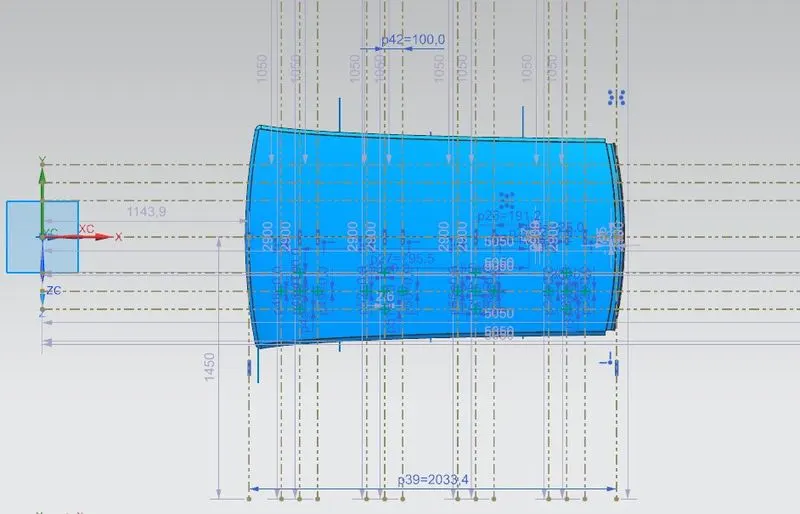
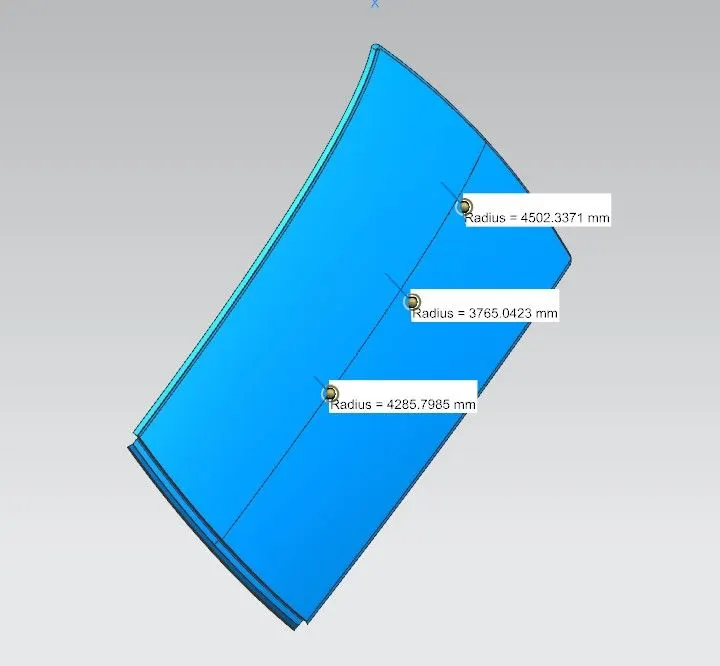
Arc radius analysis along X- axis as Rx as shown below,
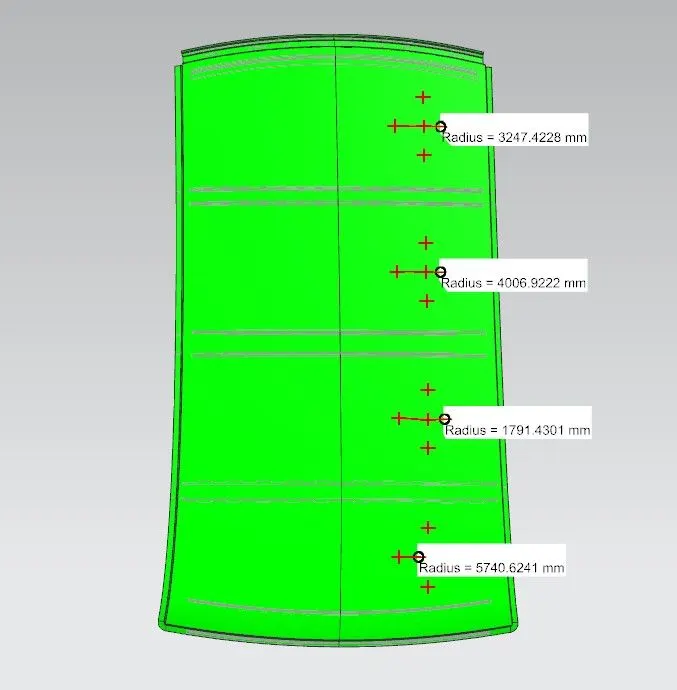
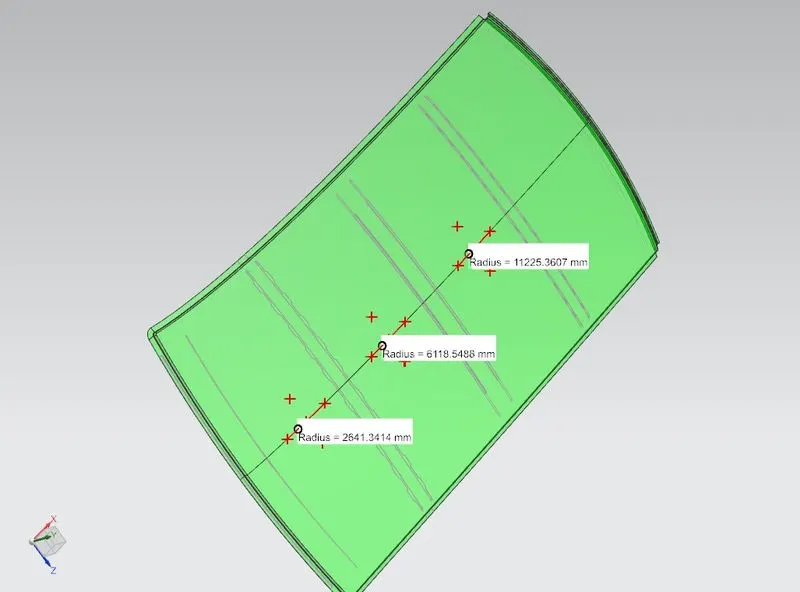
Arc radius analysis along Y- axis as Ry as shown below,
SNOW LOAD CRITERIA:
Snow-load criterion is a type of study done to check the ability of roof whether it can withstand to different temperatures like cold weathers, and also bear the atmosphere where the snow falls and rebound to its original position when a load of snow load is removed.
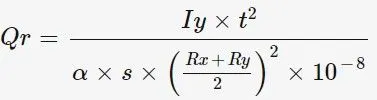
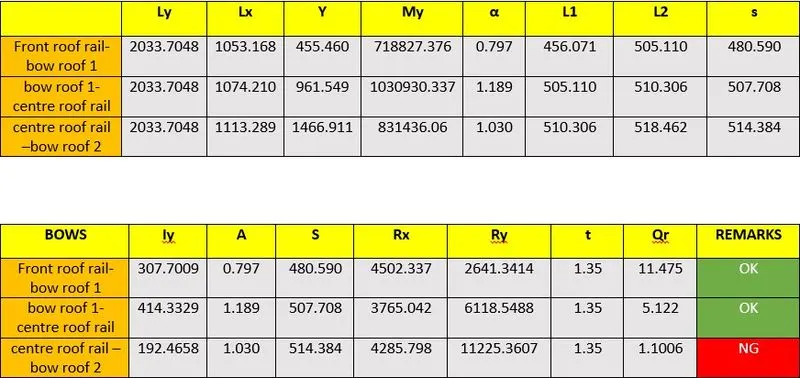
Judgement condition: Qr> 3.1
Where,

t= Roof plate thickness
Ly = Distance between the front roof and rear roof rails on vehicle 0-Ymm i.e. Length of the roof panel with center point between roof rail front and rear rails as the reference.
Lx = Distance between the left and right end of the roof on the roof Bow (mm)
Width of roof panel exposed on the surface
Y = Distance from front roof rail to roof Bow (mm)
S = Distance for which Roof Bow bears divided load (mm)
S=L1/2+L2/2
Iy = Geometrical moment of inertia of Roof Bow (Y cross-section) (mm^4)
Rx = Lateral direction curvature radius of roof panel Y cross-section on the Roof Bow (mm)
Roof panel curvature Radius of the Length Lx in front view
Ry = Longitudinal direction curvature radius of length s side view
Measurement of curvatures along the Y-axis,
Ry radius analysis along Y0
Rx radius analysis along Y0
Draft analysis:
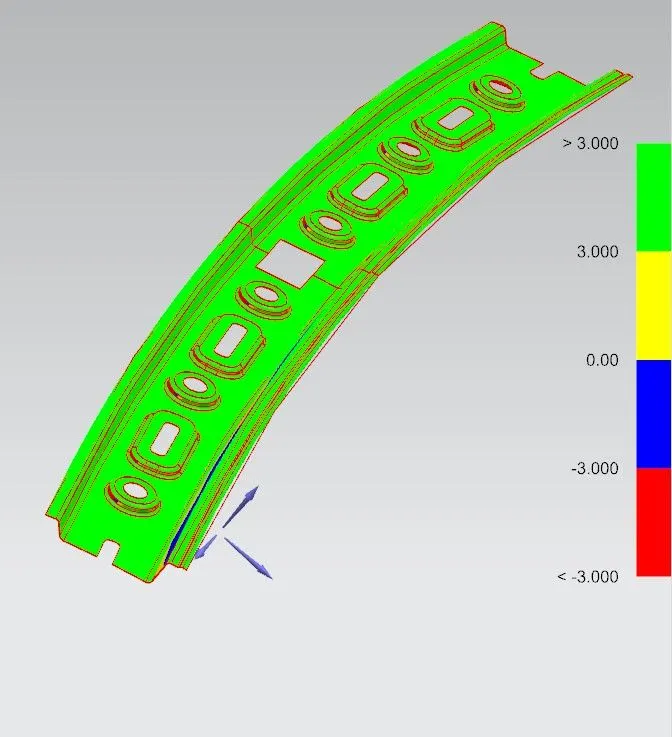
Front roof rail
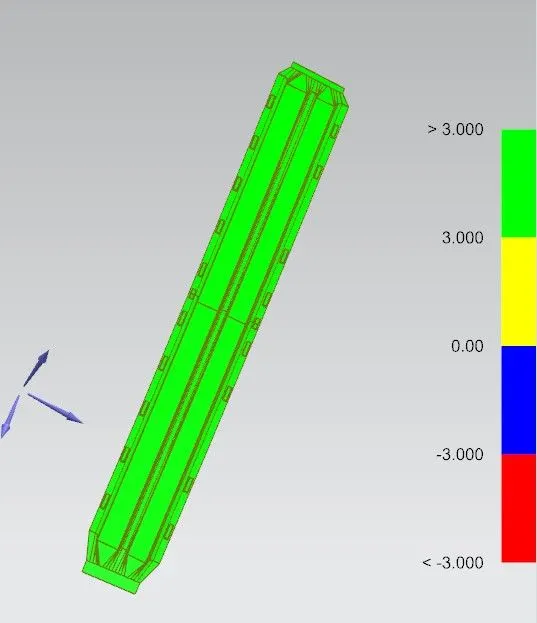
Bow roof-1
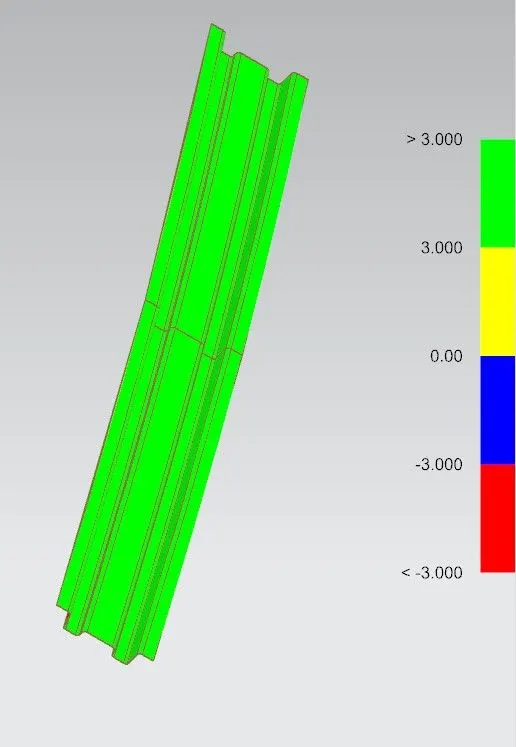
REINFORCEMENT
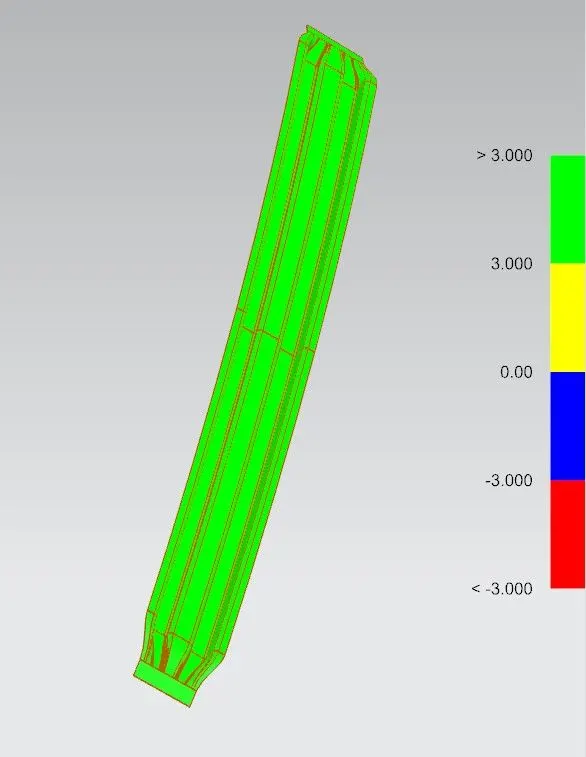
Centre roof rail
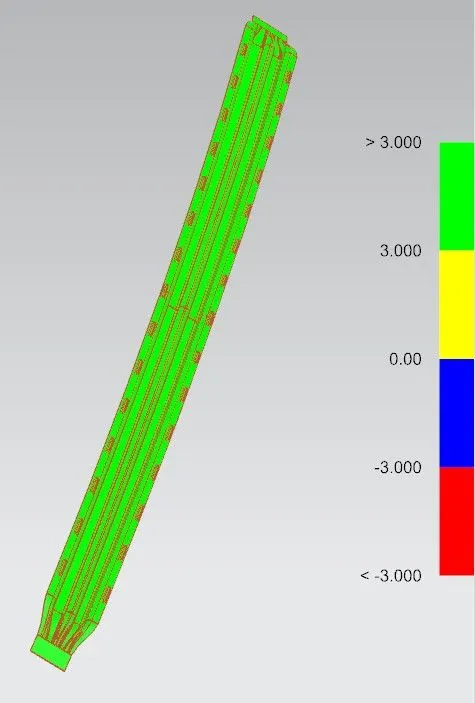
Bow roof-2
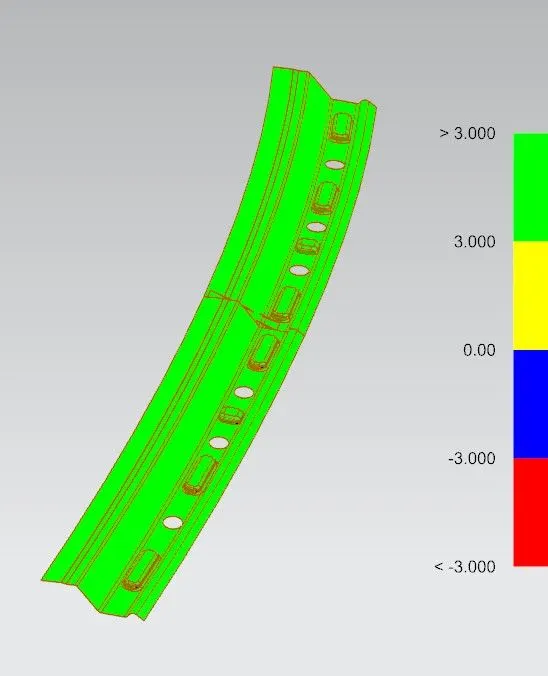
Rear roof rail
CONCLUSION:
The design of the automobile roof is designed by taking all the considerations and done analysis like section modulus, heat distortion, and snow-load criteria.
Got accurate results but in snow-load criteria, there is an NG appeared, so to satisfy that added embosses over the bows and increased thickness to 1.35mm for three bows.
And also added the embosses over the outer body of roof to satisfy the arc curvature as shown in the figure,
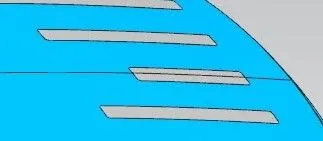
With this, I can conclude the design of the roof meet the requirements in analysis and it will pass.