Roof challenge
ROOF DESIGN
OBJECTIVE:
To design a roof with essential reinforcements,do a draft analysis check,to make a curvature study on bow roof position and do a snow load calculation for the designed roof and also a section inertia study.
INTRODUCTION:
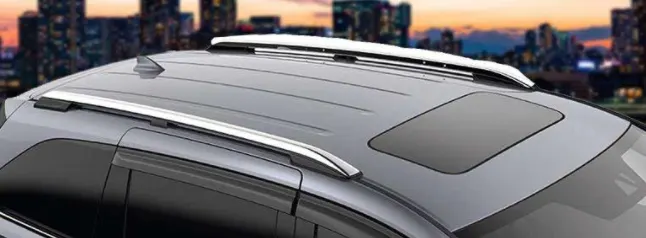
A roof is a commodity which protects the passengers from the sun,rain,wind etc., It is a one hwich sits just above the passenger which is attached to the windshield,body side inner,A,B and C pillars and Back door commodity. Roof is not that simple from what we see from the outside. It is a critical component in BIW likewise the hood.
There are many types of roof such as:
Sunroofs,Convertible roofs,T-tops,Vinyl roofs etc.,
Now a days most cars come with the sunroof variants which are very popular among industry as well as the people right now.
ROOF DESIGN ENGINEERING:
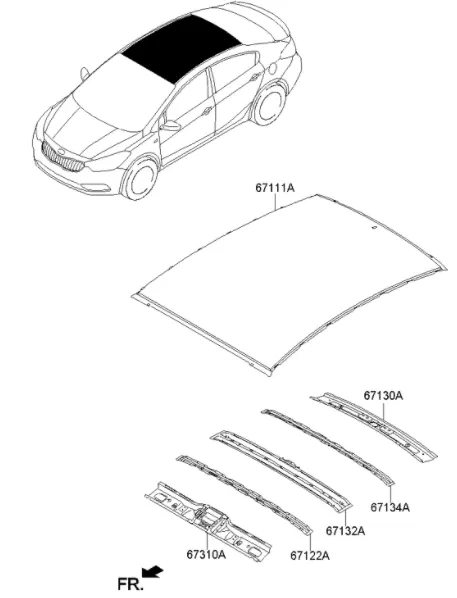
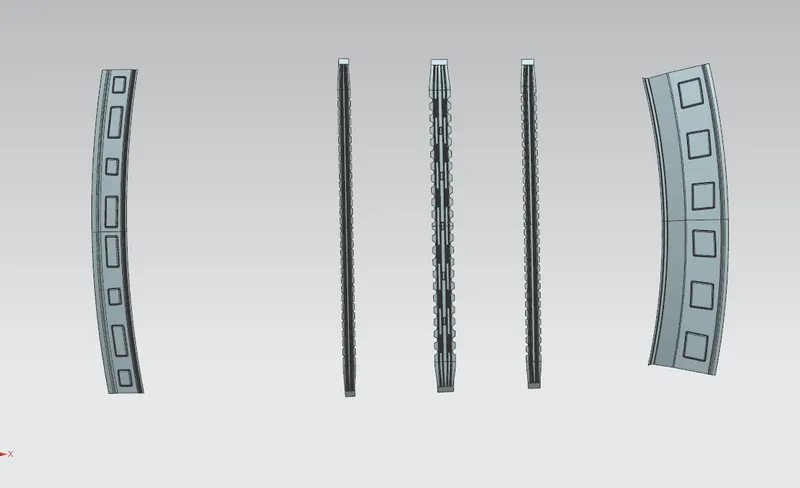
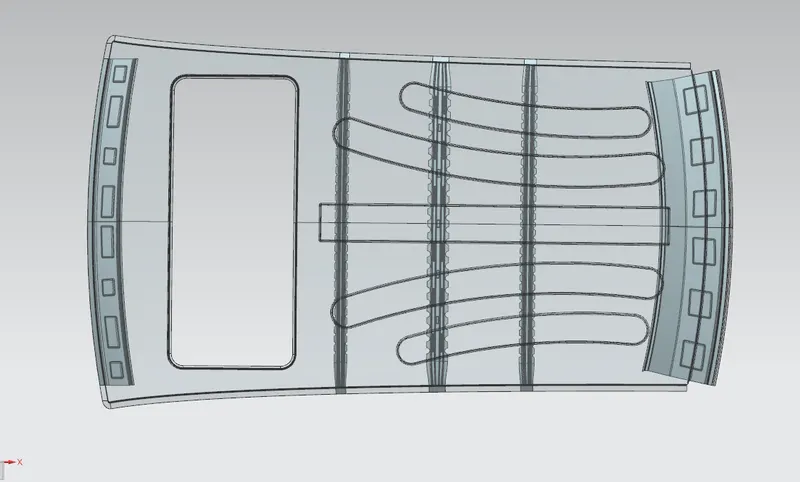
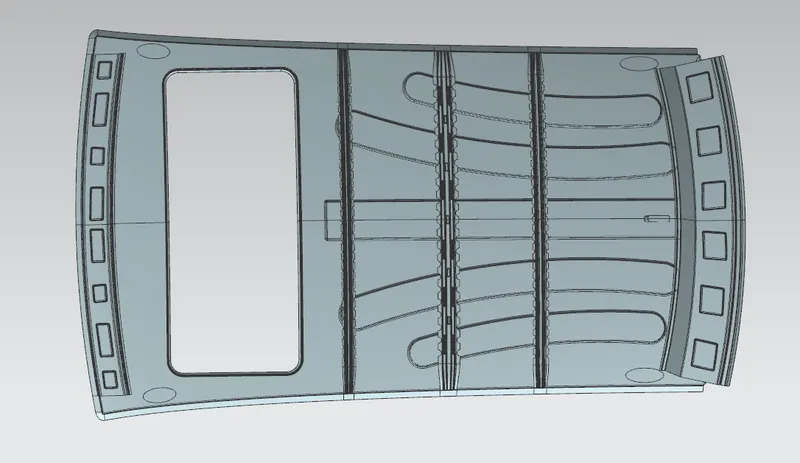
The roof is a crucial thing as aforementioned and a lot of considerations are taken before designing/developing it. A human eye just see the styling surface of the roof which is visible from the outside.Roof itself is an assembly of front,back and rear roof rails. These rails are the one's which gives strength to the respective roof. In some cases embosses are added in roof rails in a way to act as a reinforcement for the rails itself.These rails are not just like that positioned and there is an engineering behind the positioning.
Manufacturing Process:
The process undergone for manufacturing the roof is deep drawing
Deep Drawing: It is a process which is used in sheet metal forming. It is widely used in automotive sector for manufacturing car parts.
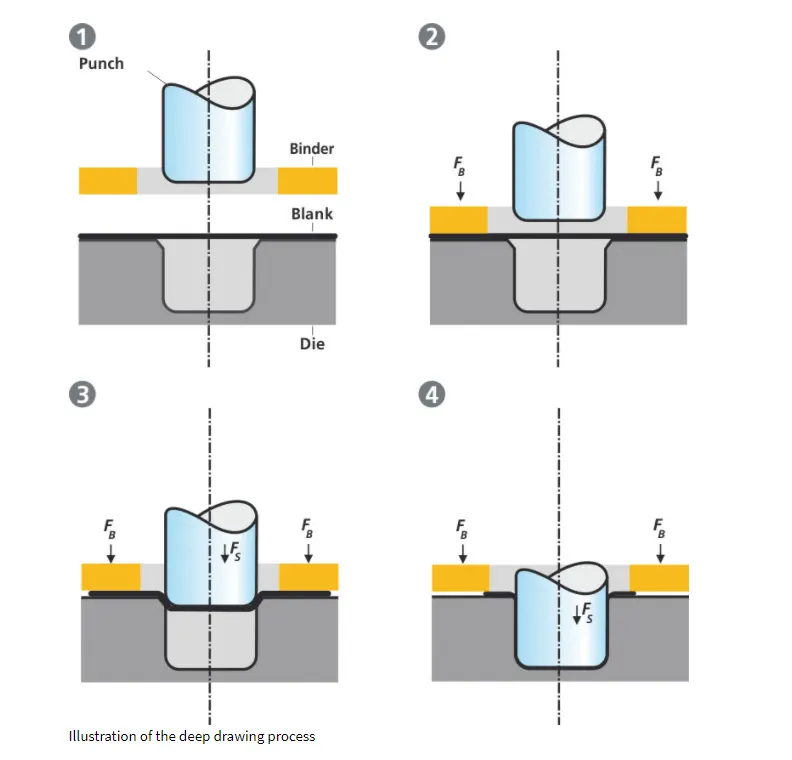
Whereas parts that are to be deep drawn are given a positive draft angle in order to achieve a smooth returning of the tool from the die.
Mastic:
Mastic or mastic sealnts which is applied between the bow roof,front roof,rear roof rails and the roof outer panel to glue both surface . In order to the mastic to be effective the maximum gap between the bow roof,front roof,rear roof rails and the roof outer panel must be 5-8 mm.Mastic are done in the middle section of the roof area where we can't spot weld where it would impact the styling surface.Mastic has a influence for around 80-85 mm to absorb the vibration where it results in a less Noise vibration and harshness (NVH).
Spot welds:
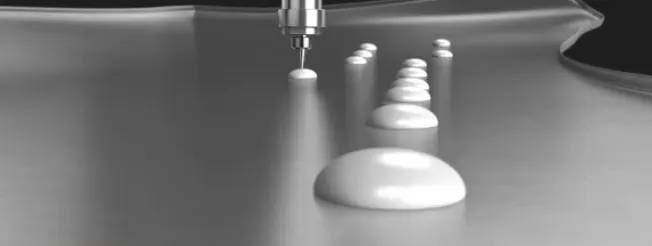
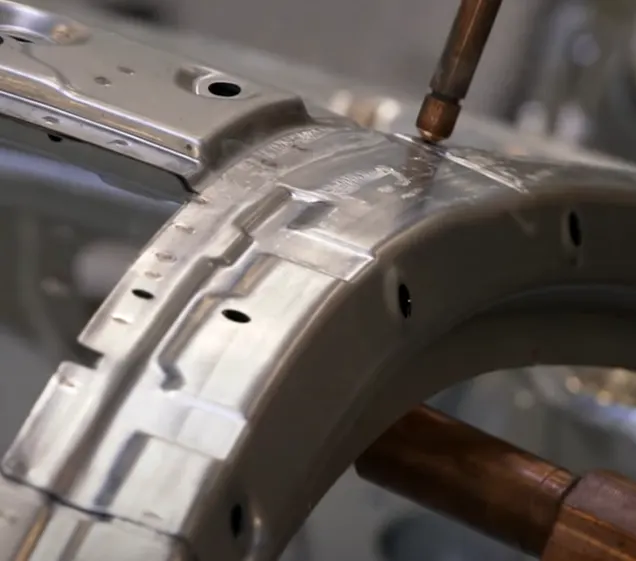
It is a process in which contacting metal surface points are joined by the heat obtained from resistance to electric current.Spot welds are done on the corner of the roof outer panels.In this case spot welds won't affect the car aesthetically.We can also laser braze in corners but its quite expensive so normally spot welds are done.
INPUT:
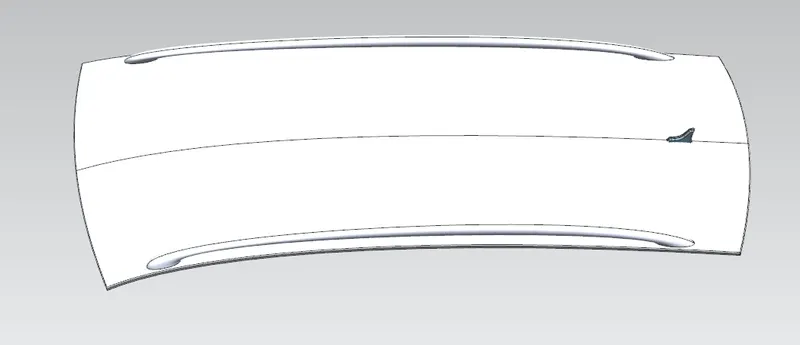
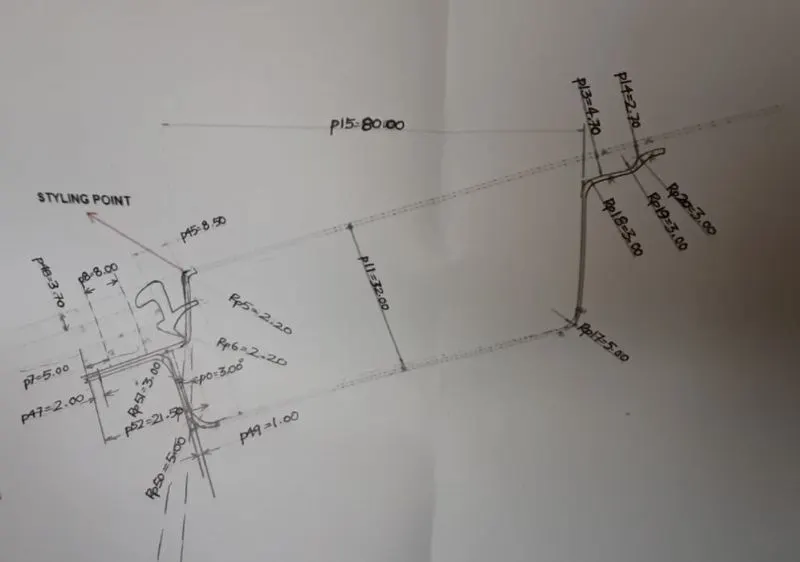
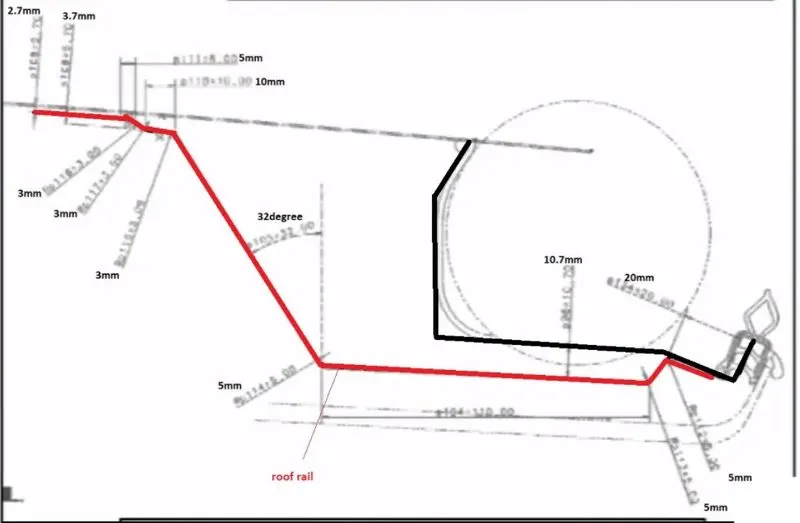
A styling surface is provided as an input and master sections are provided for the front,bow,center and rear roof rails respectively.Dimensions for front and rear roof rails are also provided for the design.
PROCEDURE:
With the styling surface provided in the input the ditch area is created on the front and rear end of the roof.

With the master section provided in the input the following reiforcements are created :
- Front roof rail
- Bow roof rail 1
- Center toof rail
- Bow roof rail 2
- Rear roof rail
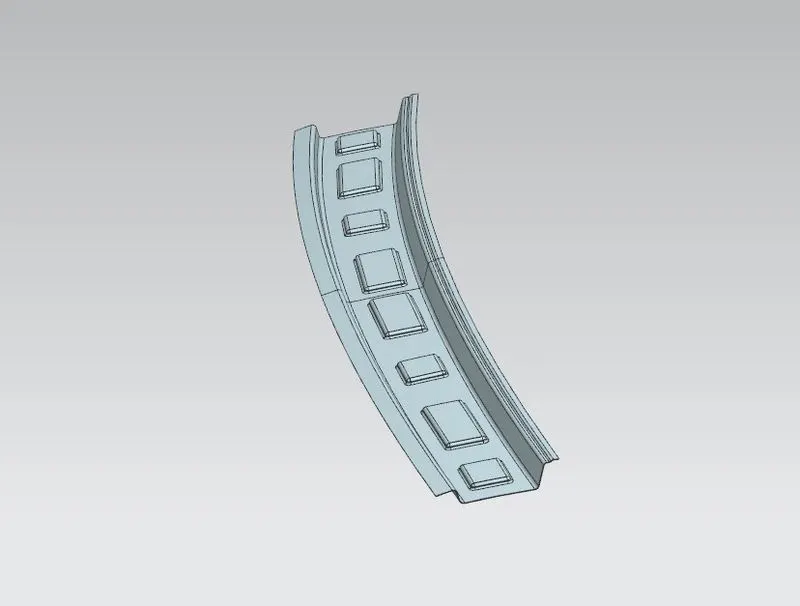
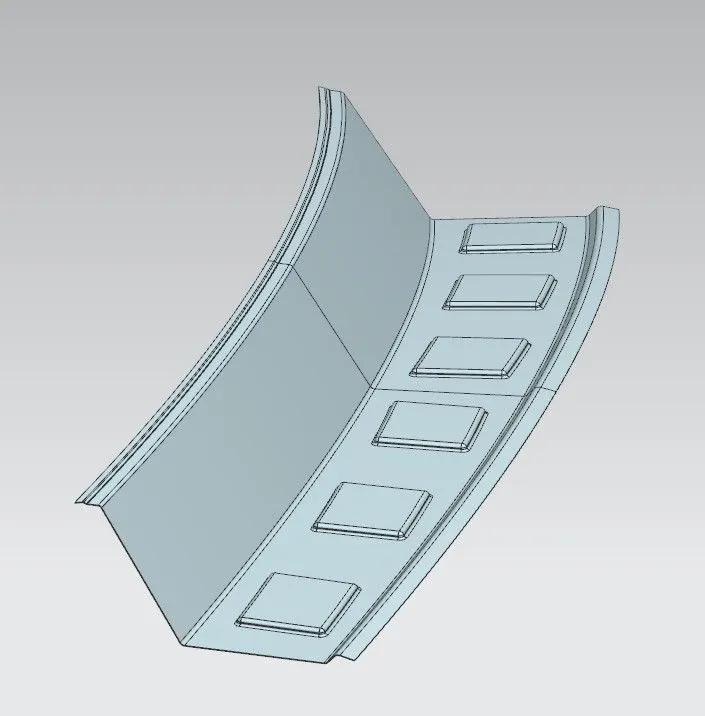
Front Roof Rail:
It is one of the important reinforcement where visibility criteria is taken into account before designing the front roof rail.It gets attached to the windshield,body side inner and the roof outer panel. Embosses can also be given to strenghten the particular commodity.
Bow Roof Rail 1:
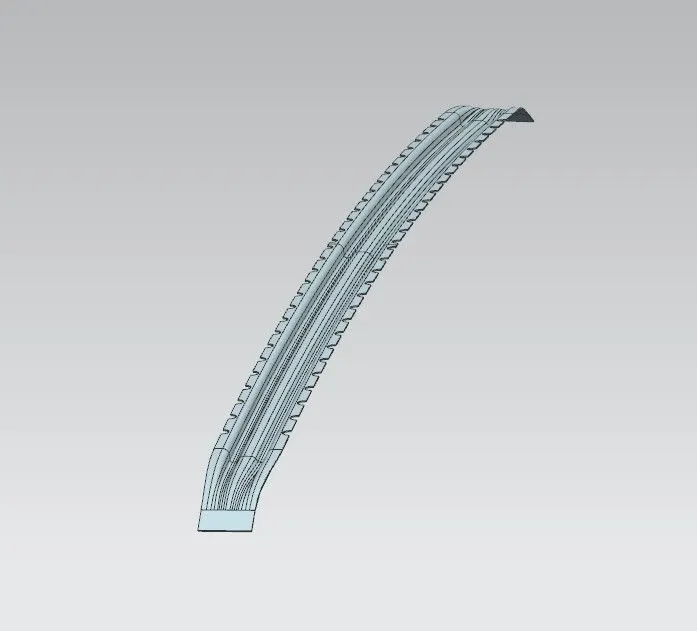
This particular reinforcement mostly takes place on the flat surface of the roof outer where it improves the strength of the roof outer panel.Generally the thickness for bow roof rails are 0.75 mm. A minimum of 5 mm gap is provided in between this reinforcement and the roof outer panel to aplly mastic sealants.
Center Roof Rail:
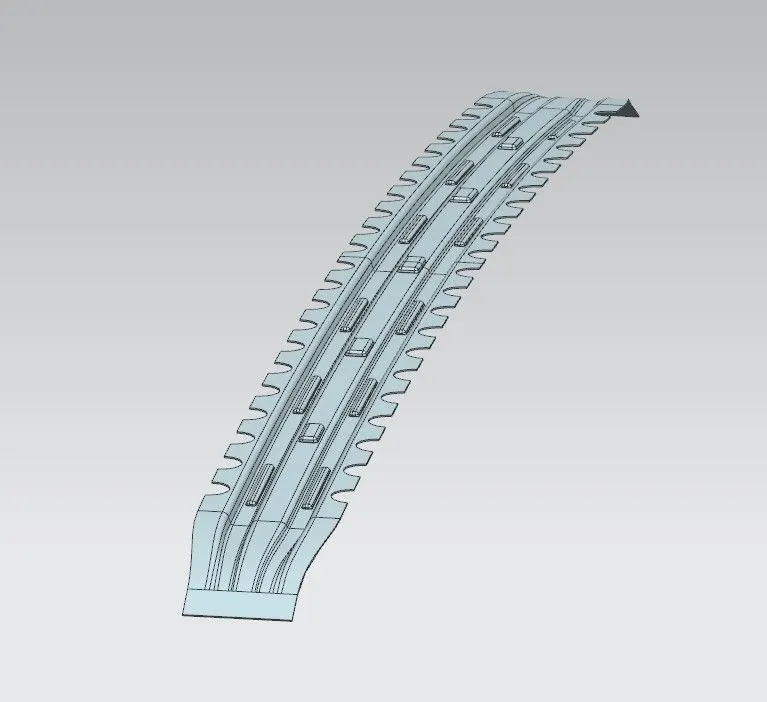
This reinforcement mostly takes place at the B pillar area of the car. In some cases a bow roof rail is added to the center roof rail to act as a reinforcement for the center roof rail.Here enough embosses is given to strengthen the commodity.A gap of 5mm is maintained for mastics.
Bow Roof Rail 2:
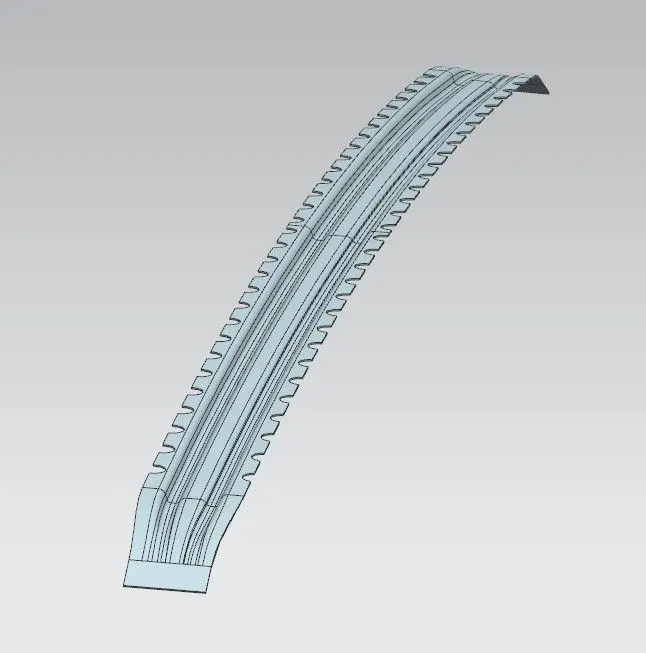
This reinforcement takes place before the rear roof rail.Some cars have 3-4 bow roofs.It changes from small cars to SUV variants.Here in this case 2 bow roof rails are designed.Thickness is 0.75 mm and 5mm is maintained for mastics.
Rear Roof Rail:
This reinforcement is designed in such a way after taking the head room clearance of the passenger into consideration.Embosses are given to make the reinforcement rigid.
Position of Roof Rails:
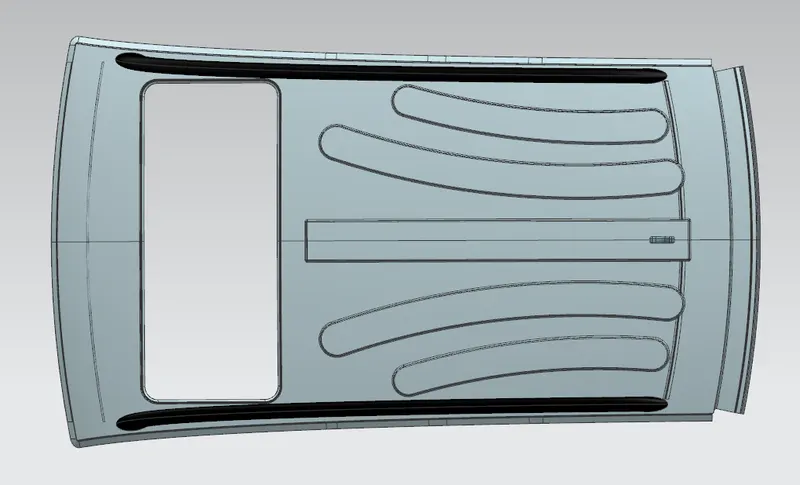
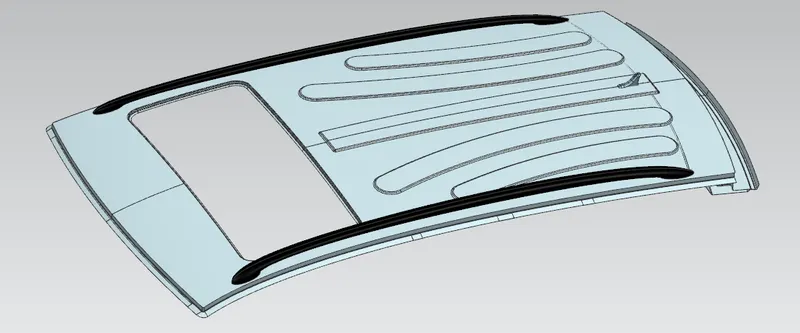
Assembly of roof rails with the roof:
DRAFT ANALYSIS:
Mostly when it comes to automotive sheetmetal mostly the component gets deep drawn.In deep drawing the component must have a positive draft to clear the draft analysis where there is no hassle to remove the tool from the object after it gets stamped.
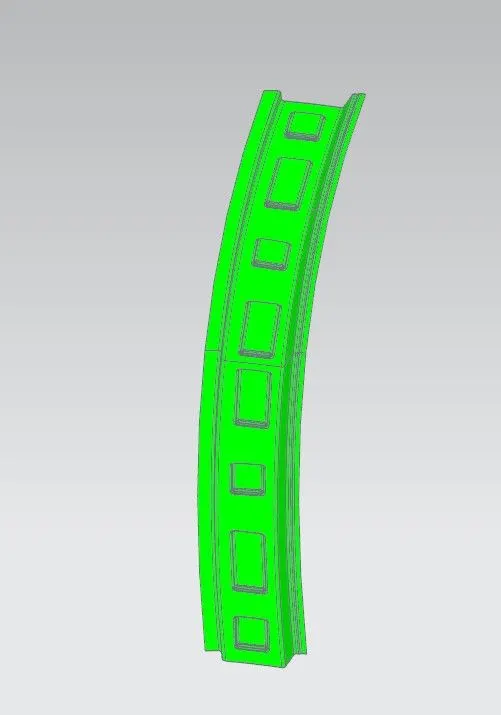
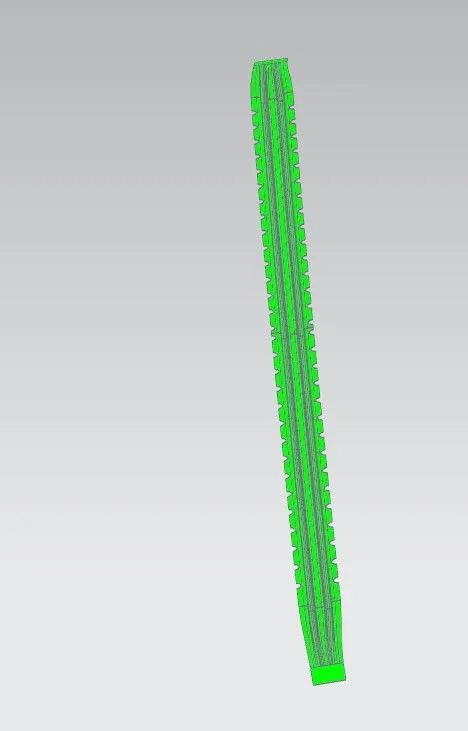
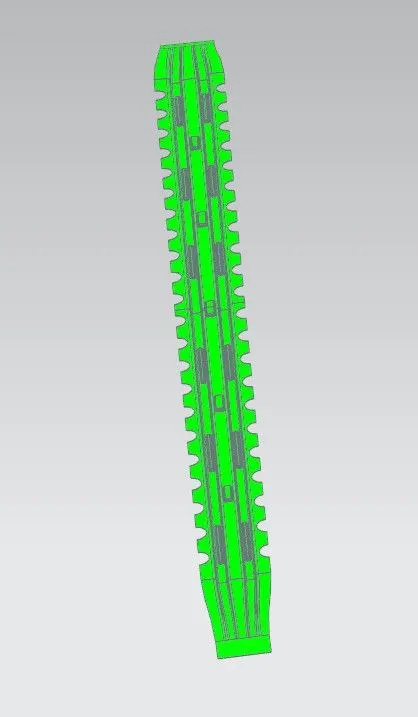
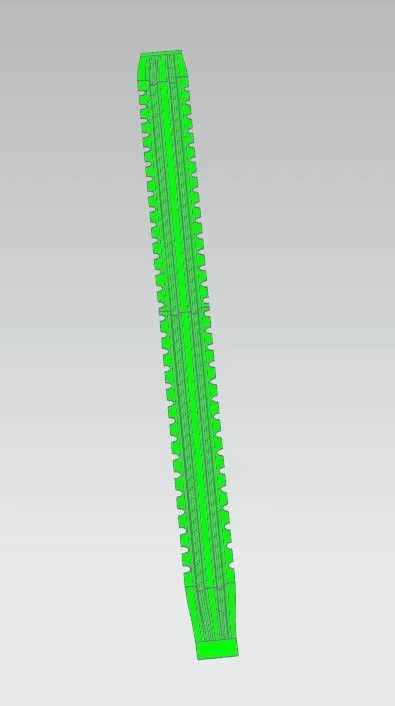
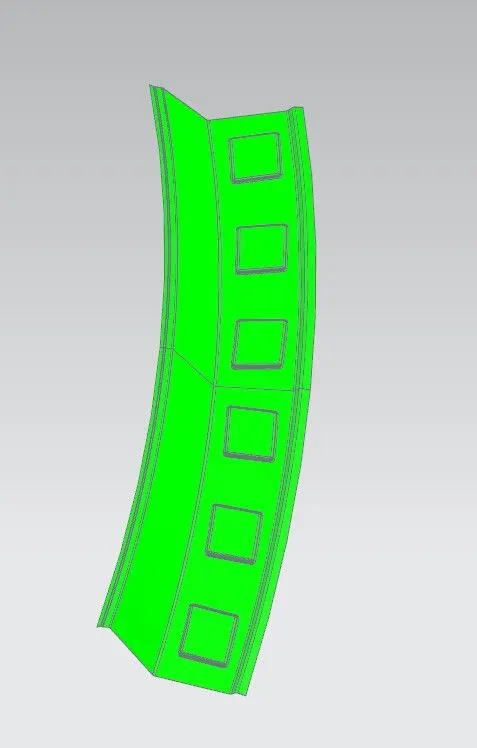
Here the reinforcements are depicted as green in colour where it has a draft angle more than 5 degrees.If it is in blue,yellow or red in colour the commodity needs to designed again where it passes the draft analysis test.
ROOF CURVATURE STUDY:
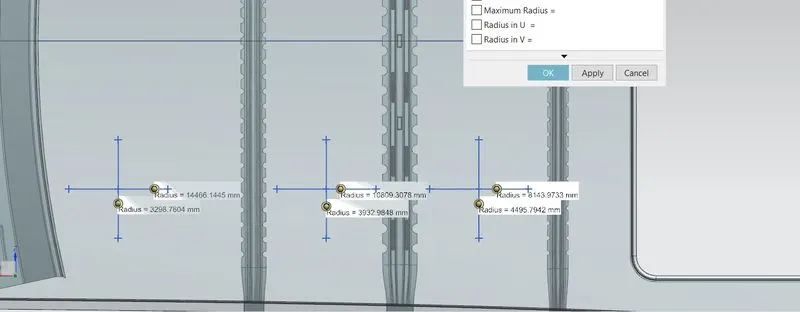
It is a calculation which infers whether the positioning of the roof rails are OK.If it turns out as NG then the particular roof reinforcement needs to be relocated where it clears the OK condition.
This study is based on the following:
- Heat distortion criteria
- Snow Load Condition
Heat Distortion Criteria:
Heat distortion is the temperature where metal gets soften and deforms under specific load.This study is conducted to validate whether the roof is able to withstand high temperature with respect to the positioning of the roof rails which contributes improved strength.
W = [1.73 x 10^(-3) x L] + [1.85 x 10^(-8) x (R^2)/t] + [ 1.10x10^(-3) x l] - 2.68
Judgement Condition : OK< 2.7> 3.1
Where,
L = Roof Length in X-Direction[mm](Roof dimension in 0-Y)
R = Roof curvature
R = 2(Rx*Ry)/(Rx+Ry)
Rx = X curvature
Ry = Y curvature
t = Roof plate thickness [mm]
l = Bow Roof Span [mm]
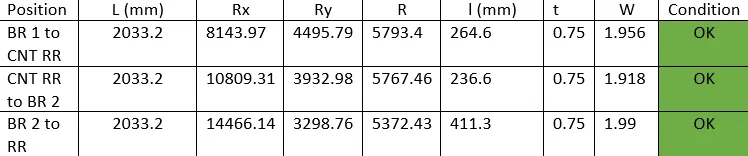
From the above table it infers that the position of the bow roof rails and center roof rails are in a proper position where it can easily withstand heat distortion.Here in this design we have a sun roof which results in no calculation for front roof rail to bow roof rail 1.
SNOW LOAD CALCULATION:
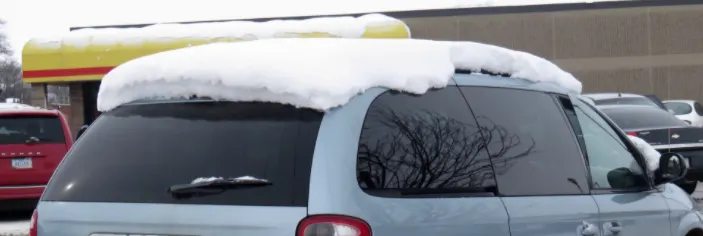
In Europe countries automobile face an issue of snow in the winter season which is inevitable.Engineers came up with a study called snow load criteria for automobile roofs explicitly to predict whether the roof is capable of bouncing back to its original shape after the snow is wiped off from the roof.This study puts a clear picture whether the roof gets back to its original shape without undergoing any permanent deformation after the load is removed.
Qr = [Iy x t2] / [α x s x [(Rx + Ry)/2]2 x 10-8]
Note: The Qr value given over here is correct. There was a typo error in the formula given in the video.
Where,
α = My x Lx2 x 10-12 , My = Y(Ly-Y)
Judgement condition = Qr ≥ 3.1
250 ≤ s ≤ 380
t = Roof plate thickness [mm]
Ly = Distance between the front and rear roof Rails on the Vehicle along with 0Y[mm]
Length of Roof panel with the center point between Roof rail Front /Rear as the front and rear reference point.
Lx = Distance between the Left and Right end of the roof on the Roof BOW [mm]
Width of the roof panel exposed on the surface.
Y = Distance front Front Roof Rail to Roof BOW[mm]
s = Distance for which Roof BOW bears divided load [mm]
s = L1/2 + L2/2
Iy = Geometrical moment of inertia of Roof BOW (Y cross-section )[mm4]
Rx = Lateral direction curvature radius of roof panel Y cross-section on Roof BOW [mm]
Roof panel curvature Radius of the Length Lx in Front view
Ry = Longitudinal Direction curvature radius of the Roof panel X cross-section on Roof BOW [mm]
Roof panel X curvature radius of length s in Side view
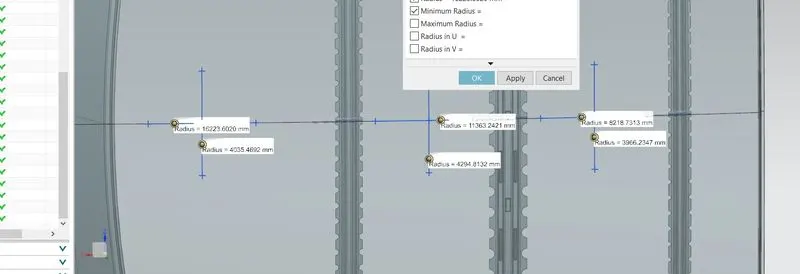

From the above calculation it is clear that the region between the center roof rail and the bow roof rail 2 is not good.So either we can increase the thickness of the roof or we can ask the styling team to increase the radius on that particular region.Here in this design we add embosses over the roof to strengthen the roof.
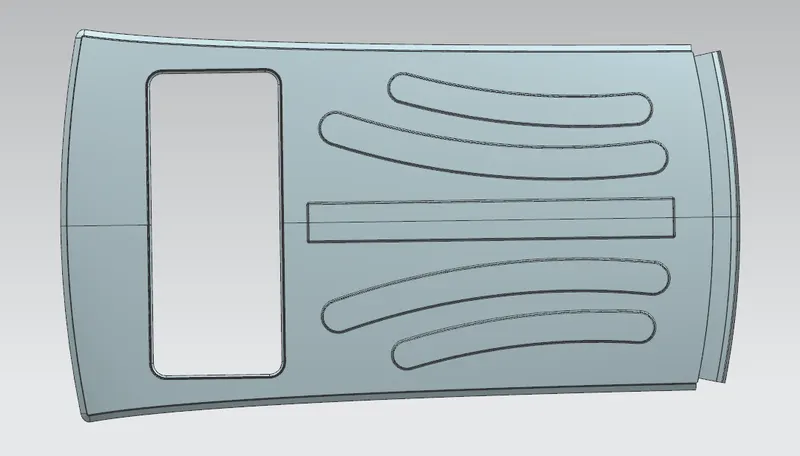
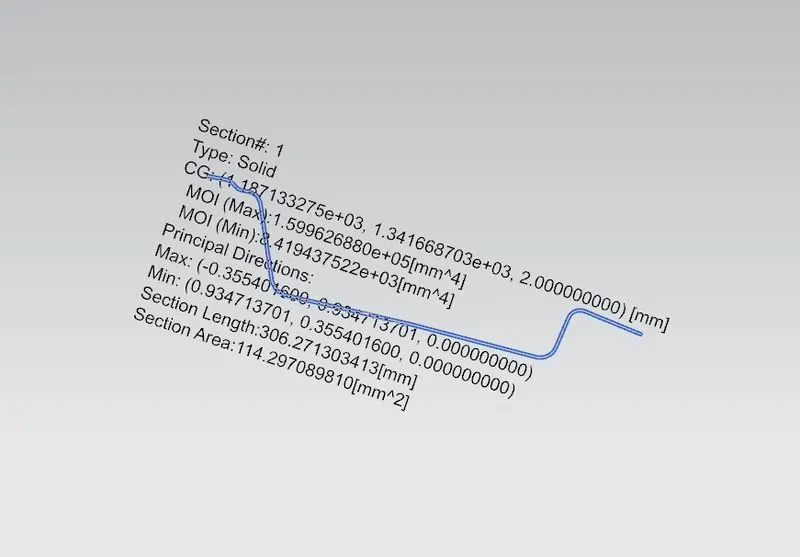
SECTION INERTIA STUDY:
Section modulus is a geometric property for a given cross-section used in the design of beams or flexural members.In other words it is the study where how much bending a body can resist.
Front Roof Rail:
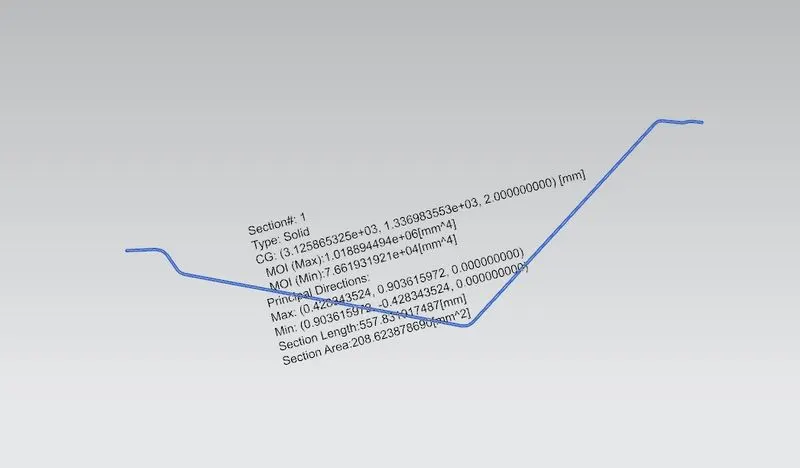
Bow Roof Rail 1:
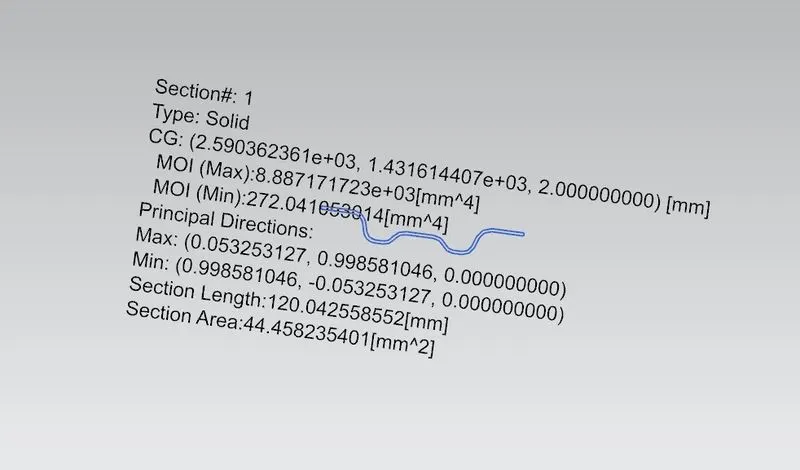
Center Roof Rail:
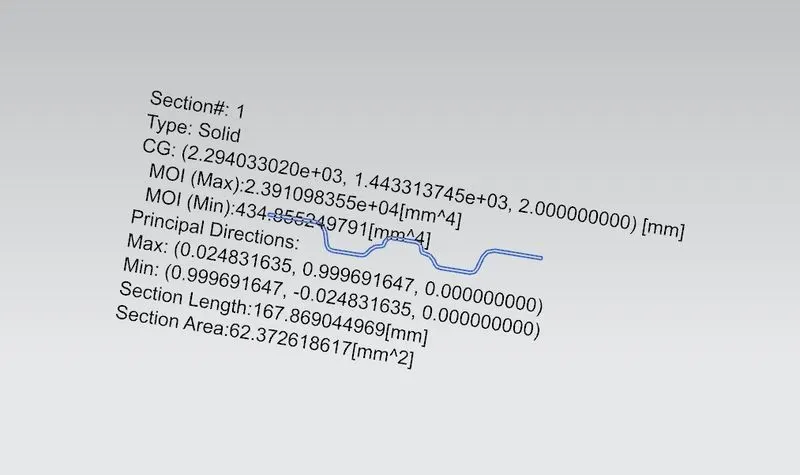
Bow Roof Rail 2:
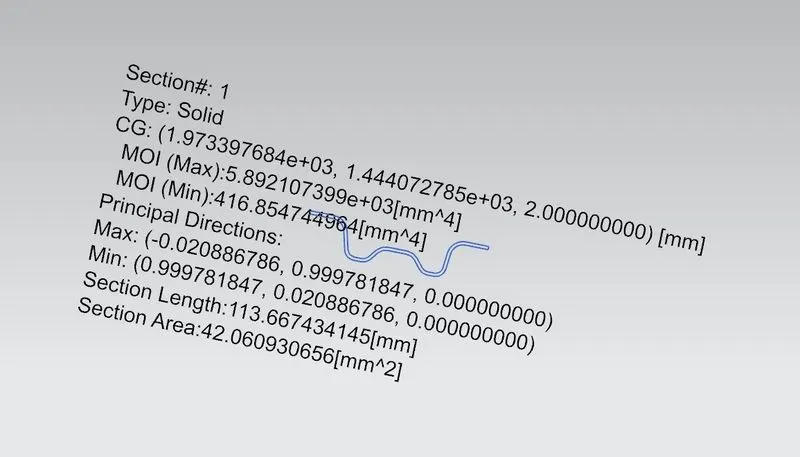
Rear Roof Rail:
VIEWS OF THE ROOF ASSEMBLY:
CONCLUSION:
To conclude an automobile roof is designed with required reinforcements and curvature study is done to verify the positioning of the roof reinforcements.Section inertia study and draft analysis are also reported.
Software Used : NX Cad.