Radar Mast & Final Assembly of Yacht
Google DRive Link: https://drive.google.com/file/d/1TboMy1dcPzP6SObyFvVy2zRa2TpycLXC/view?usp=sharing
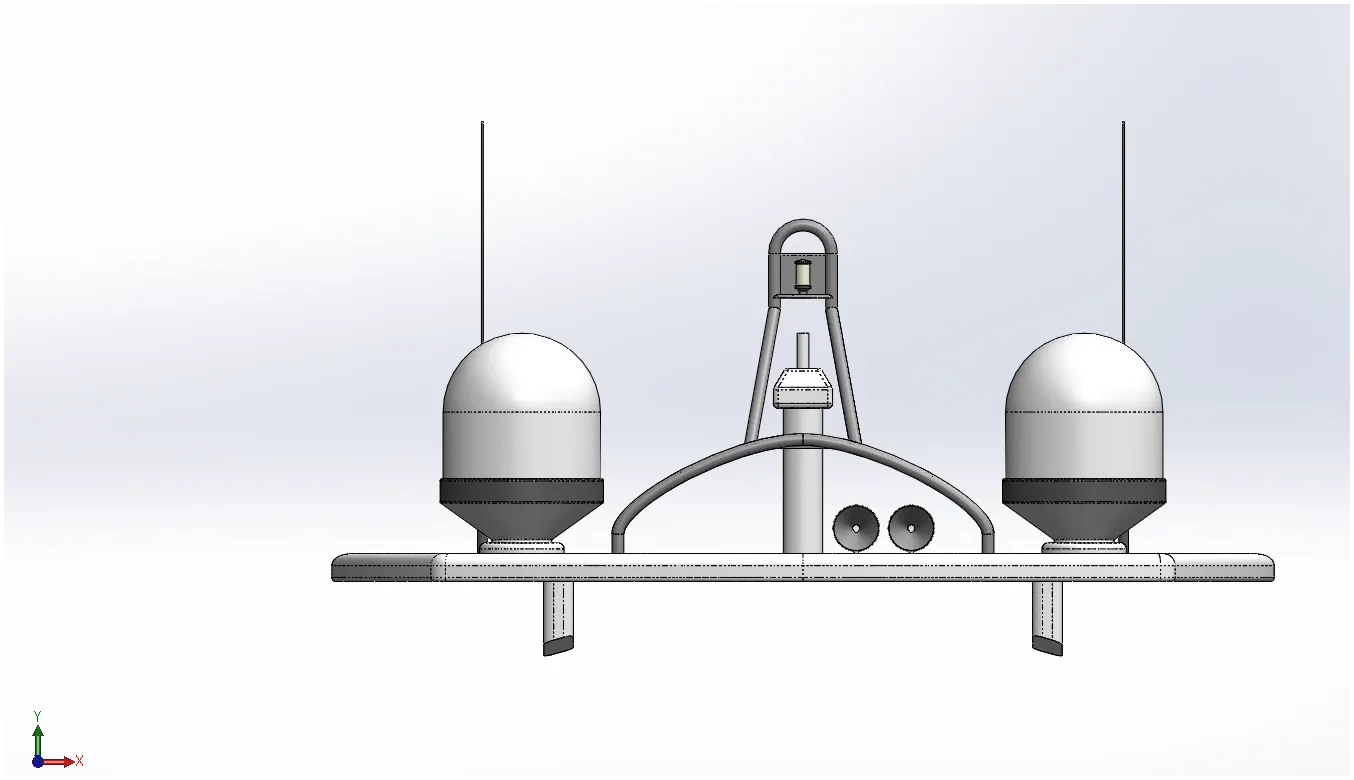
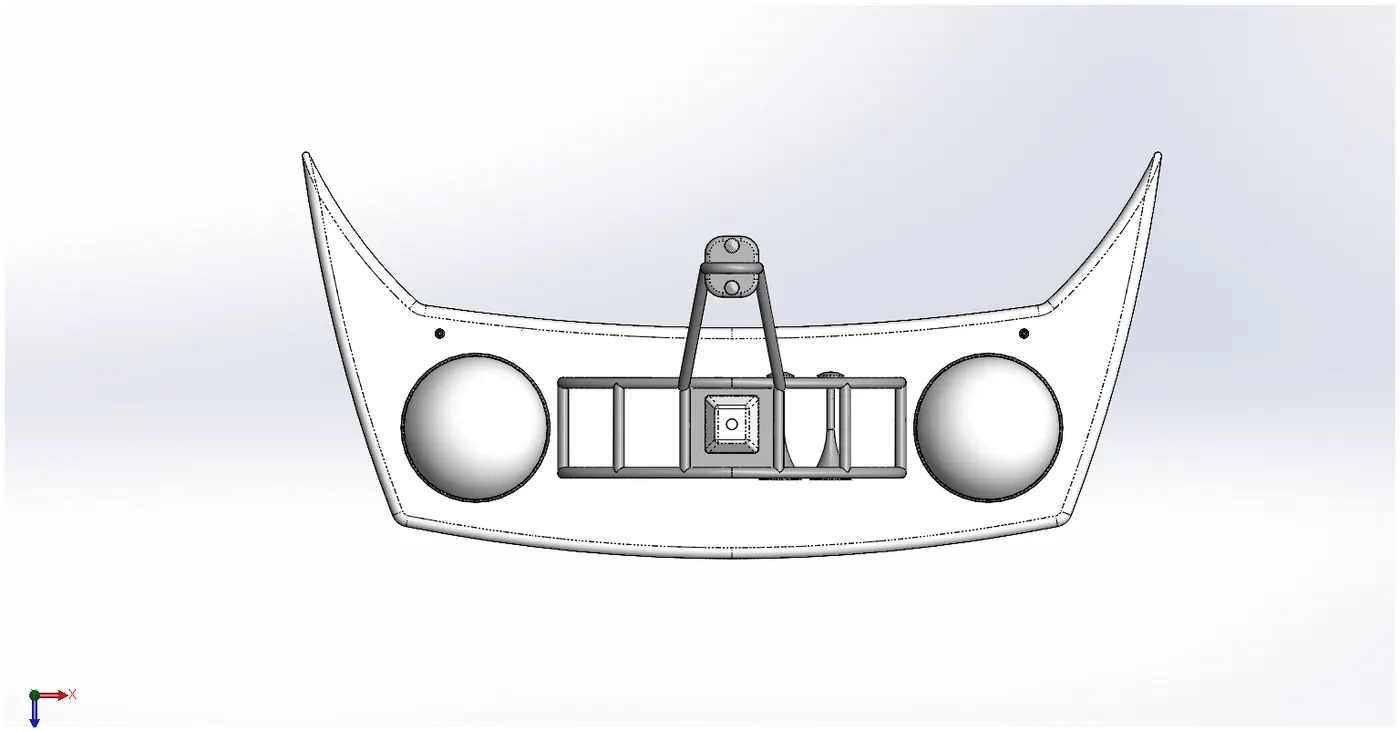
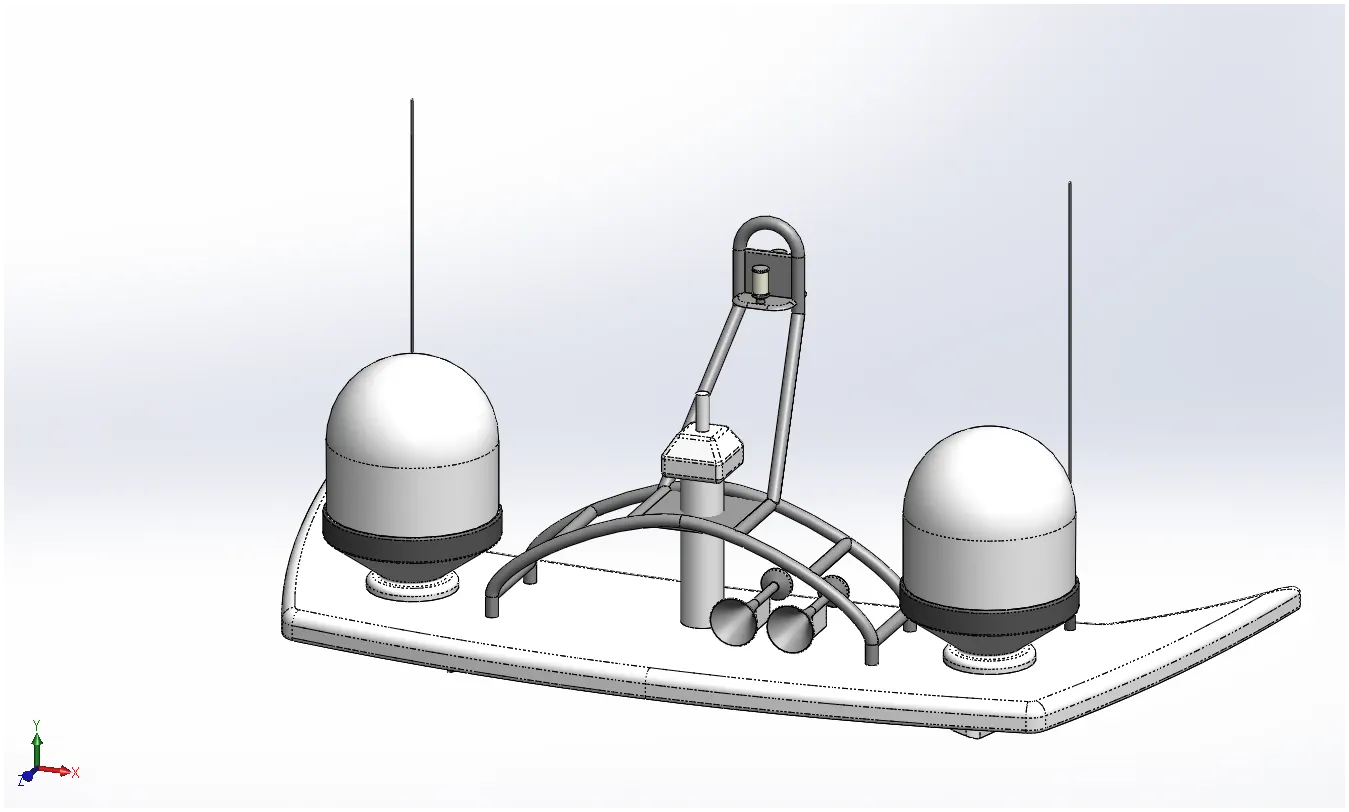
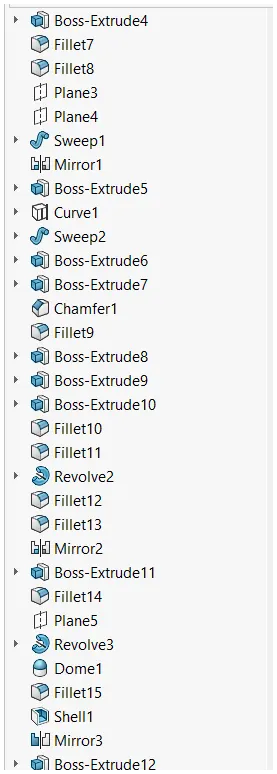
1. Radar Mast.
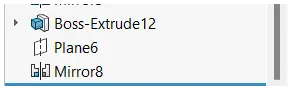
2. Yacht Assembly.
REPORT:-
Project Objective:
The aim of this project is to utilize SolidWorks software to design and assemble a yacht along with its various components.
Introduction:
A yacht refers to a sailing or motorized vessel used for pleasure, navigation, or competition, typically equipped with overnight accommodations. Yachts are generally larger than standard boats, with a length of at least 33 feet (10 meters), and are admired for their aesthetic appeal.
This project involves the creation of a detailed yacht model, including all its intricate parts and assemblies. The yacht model is designed using a systematic approach, ensuring accuracy and precision in the design process. The project showcases the application of various CAD tools and features in creating complex 3D models
Methodology:
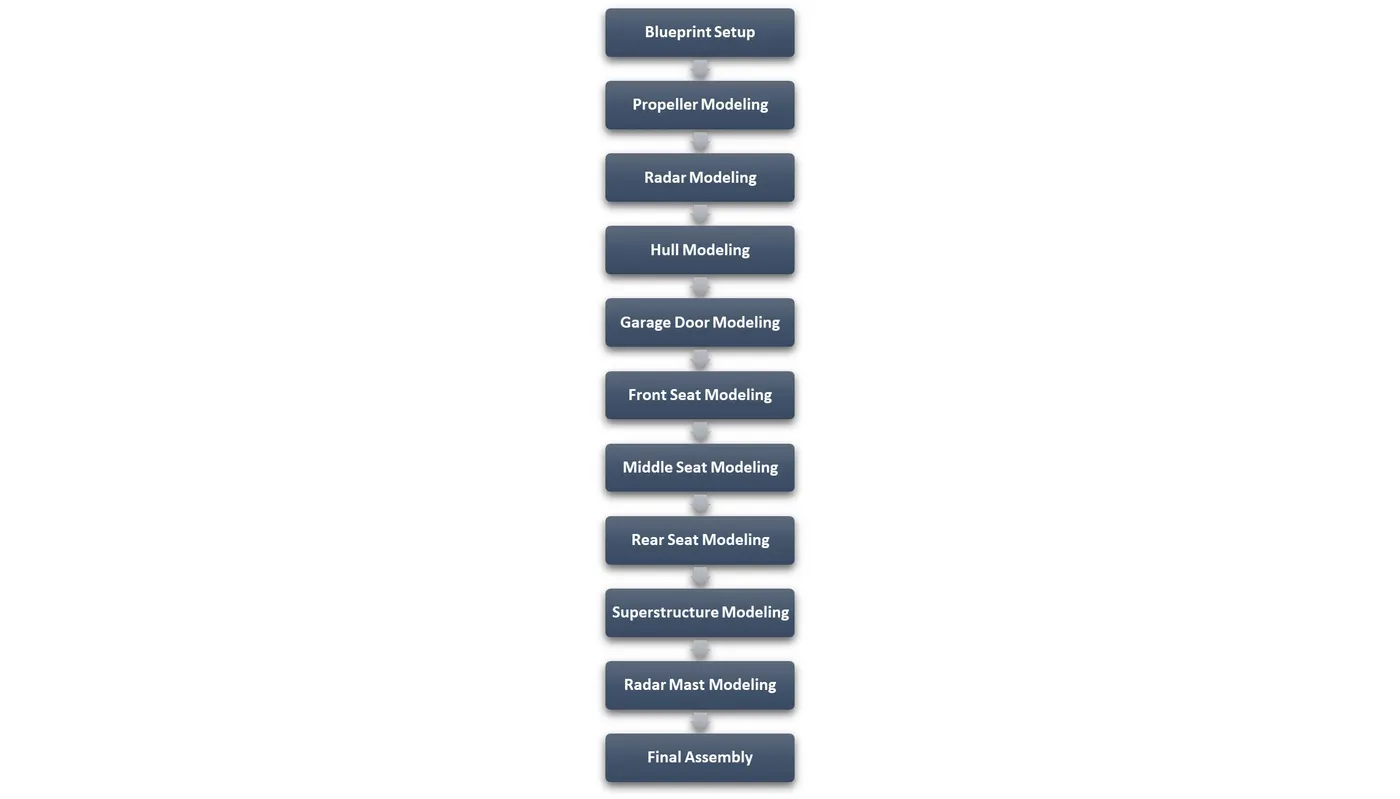
The design methodology followed in this project is a systematic approach that involves several stages. Here is a flowchart representing the design process:
Description:
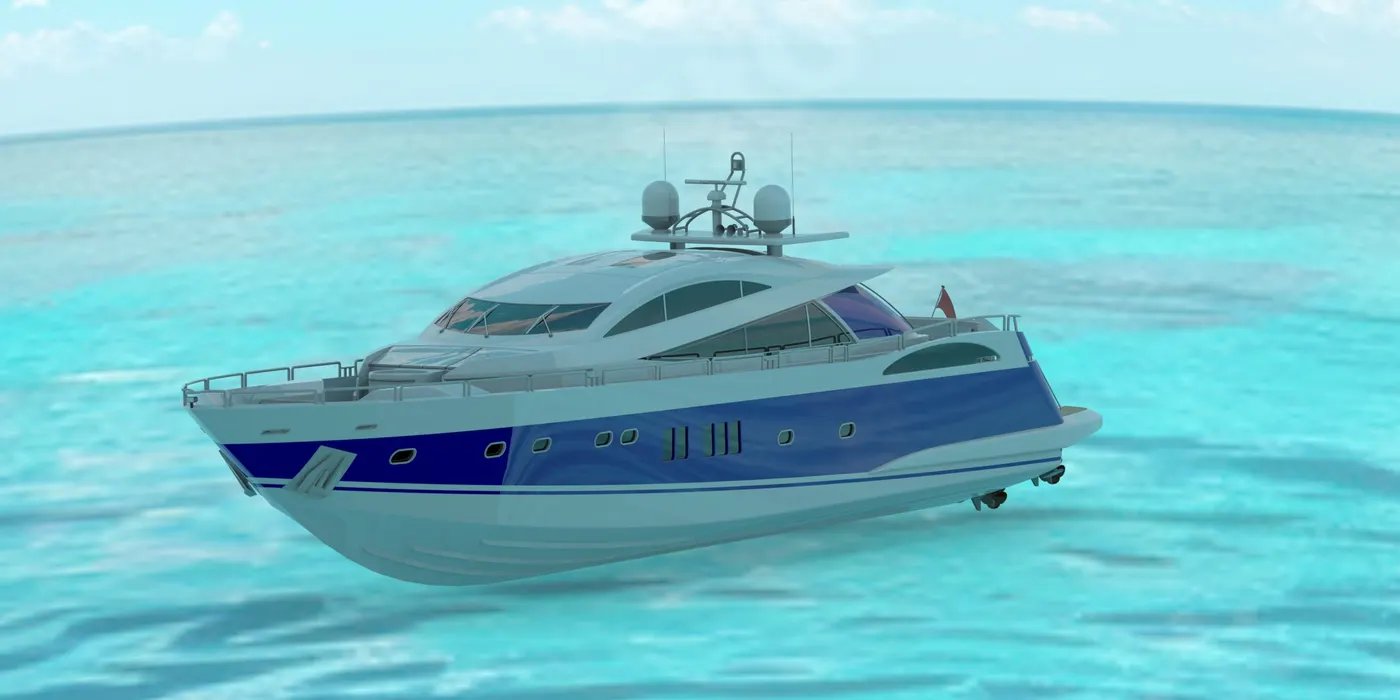
The yacht model is designed using various tools and features of the CAD software. The design process involves creating individual part files for each component of the yacht. These part files are then assembled to form the complete yacht model. The assembly process involves positioning and orienting the parts correctly to ensure a realistic representation of the yacht.
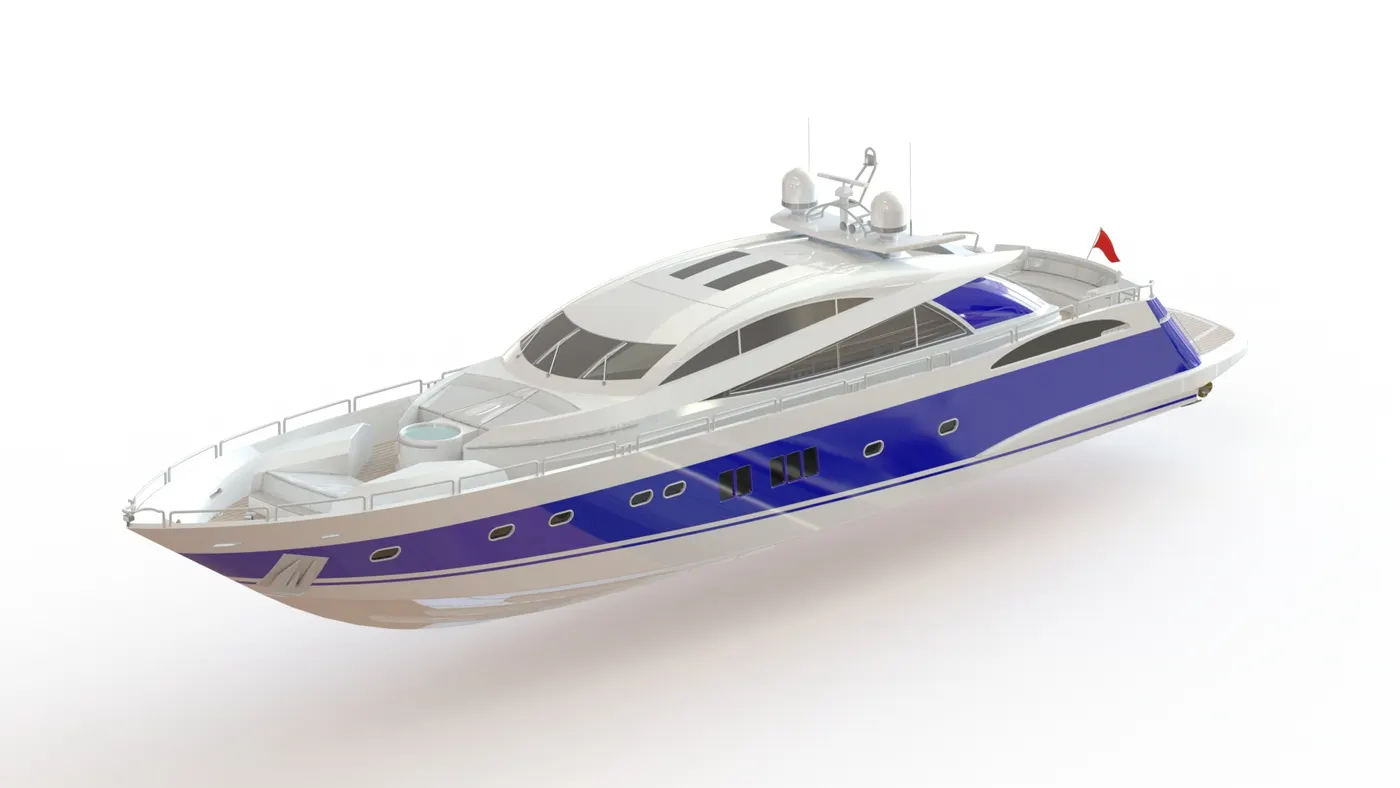
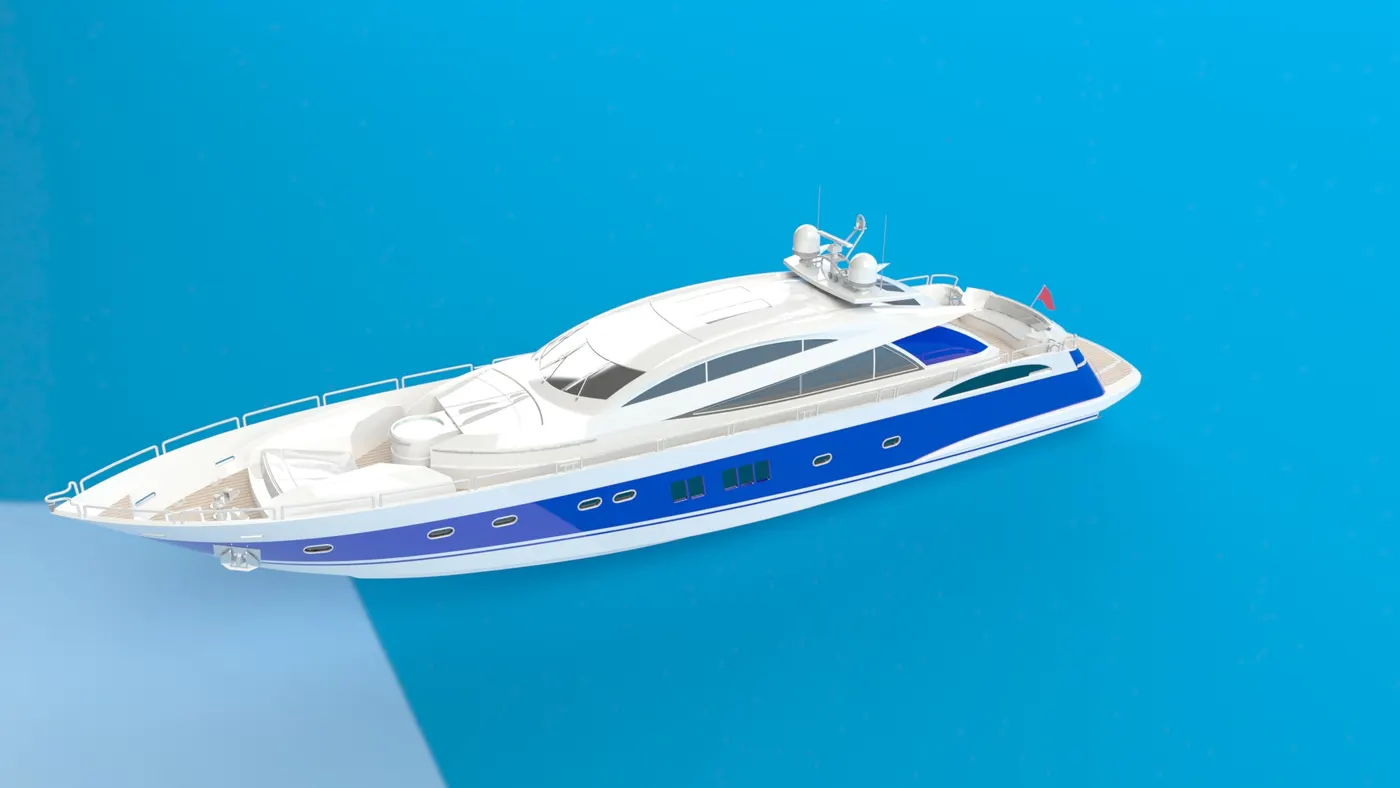
The CAD software allows for the application of materials and textures to the model, enhancing its visual appeal. The final step in the design process is the rendering of the assembly, which generates a photorealistic image of the yacht model.
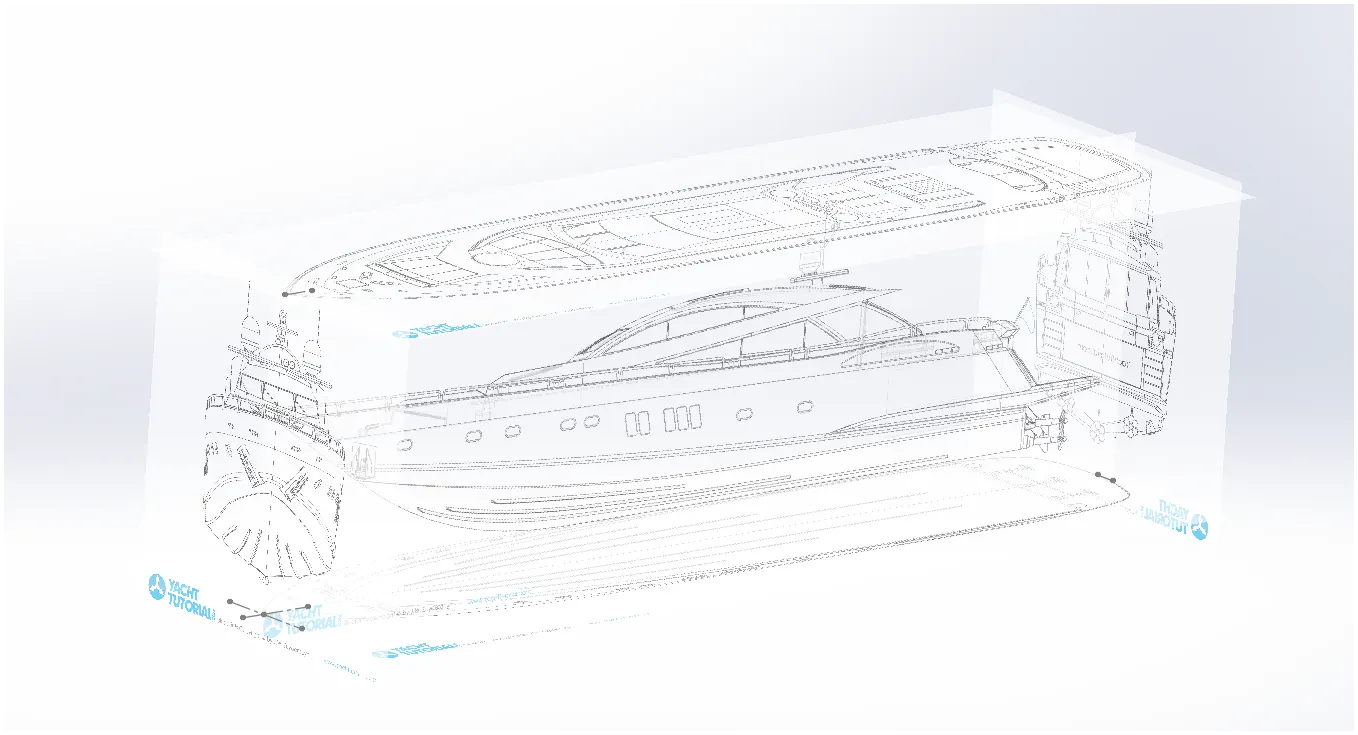
Blueprint Setup:
The initial step involves arranging various views of the yacht—front, side, top, bottom, and back—within the blueprint.
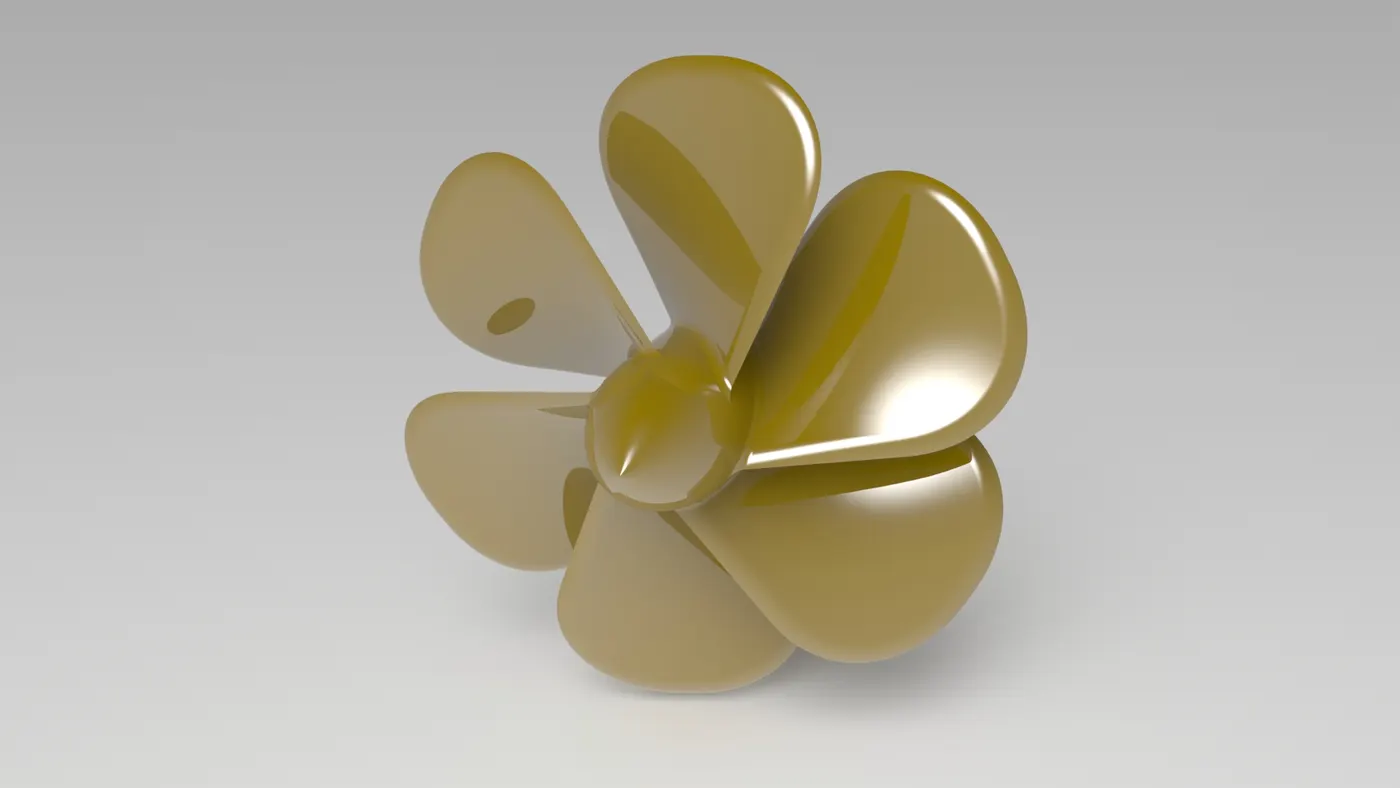
Propeller Modeling:
The propeller, featuring rotating hubs and radiating blades arranged in a helical spiral, provides linear thrust when rotated. Techniques such as revolve, extrude cut, loft, circular pattern, and fillet are used in propeller modeling.
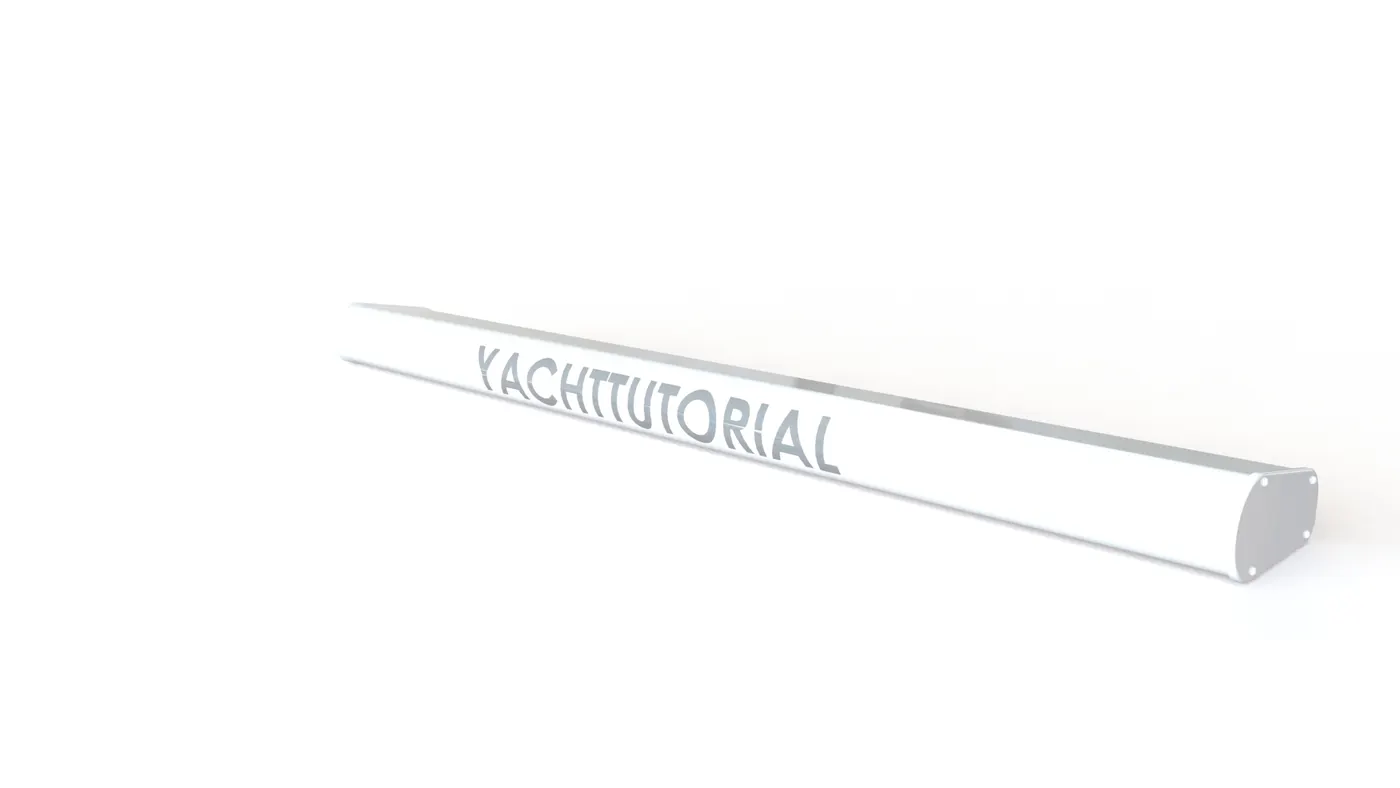
Radar Modeling:
Radar (Radio Detection and Ranging) employs radio waves to detect the range, angle, or velocity of objects such as aircraft, ships, or weather formations. Radar modeling utilizes commands like extrude, extrude cut, mirror, split line, and fillet.
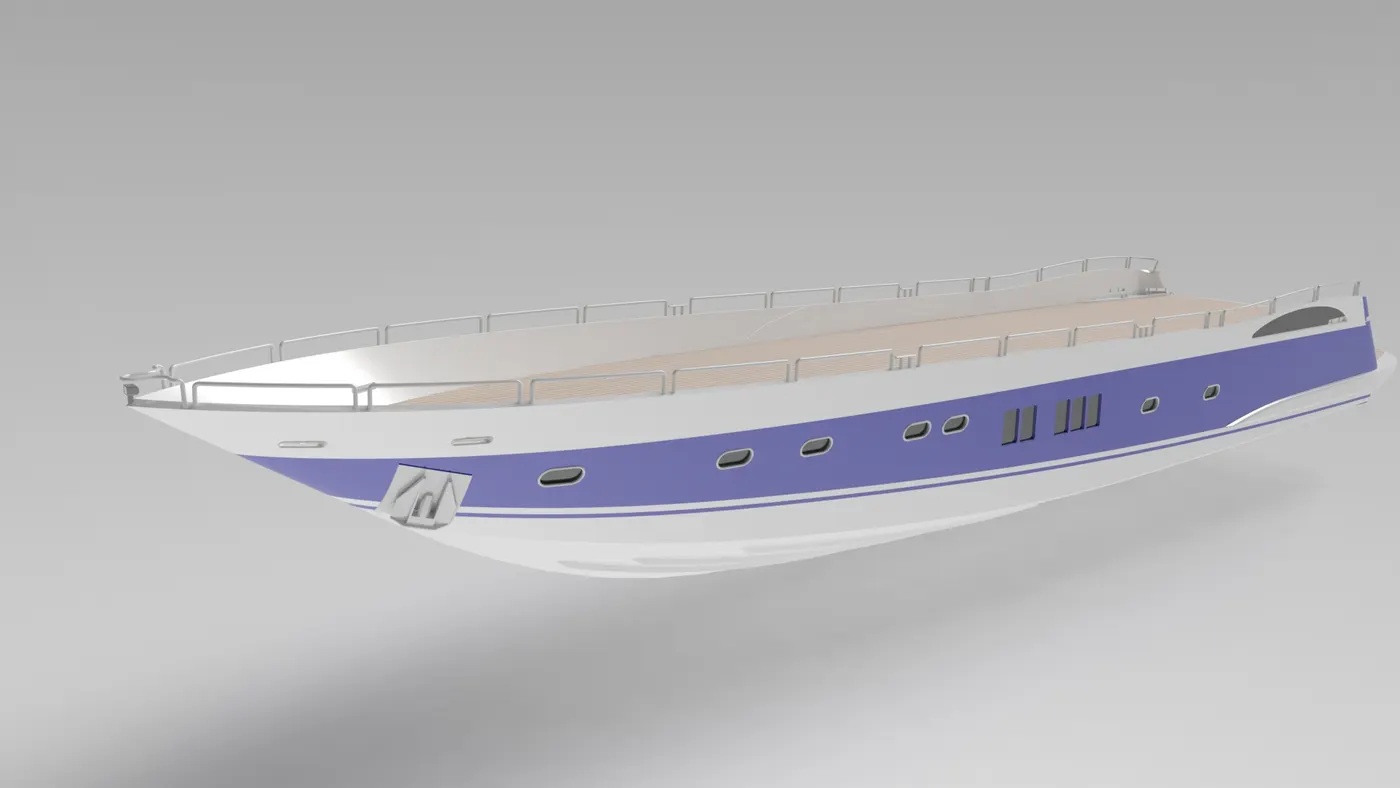
Hull Modeling:
The hull, a watertight vessel body, forms the foundation of ships and boats. The hull's outer structure is modeled using SolidWorks surface tools, including lofted surface, boundary surface, extruded surface, and trim surface. Techniques like swept boss and extrude cut are also employed, utilizing reference planes, sweep commands, and surface tools.
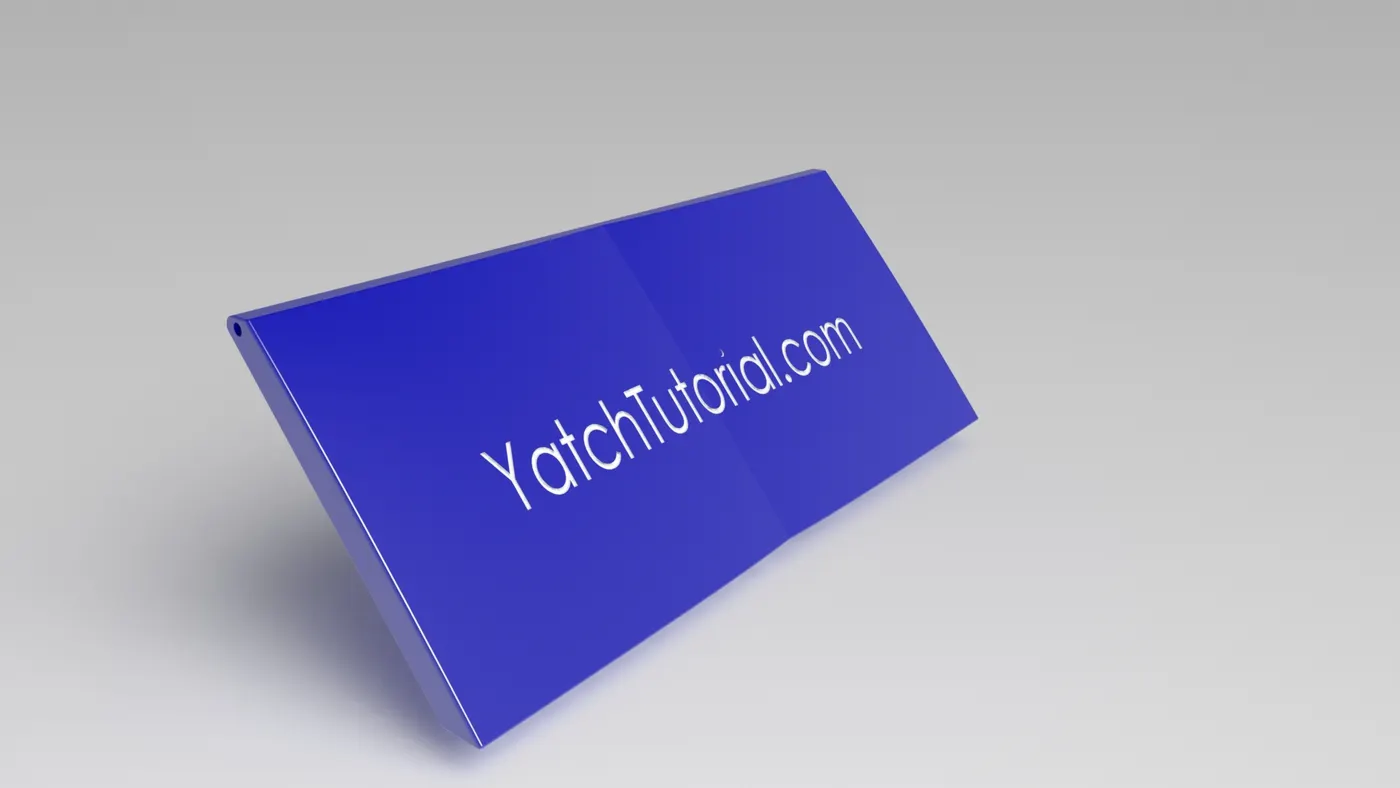
Garage Door Modeling:
Garage doors are created using extrude boss and extrude cut commands.
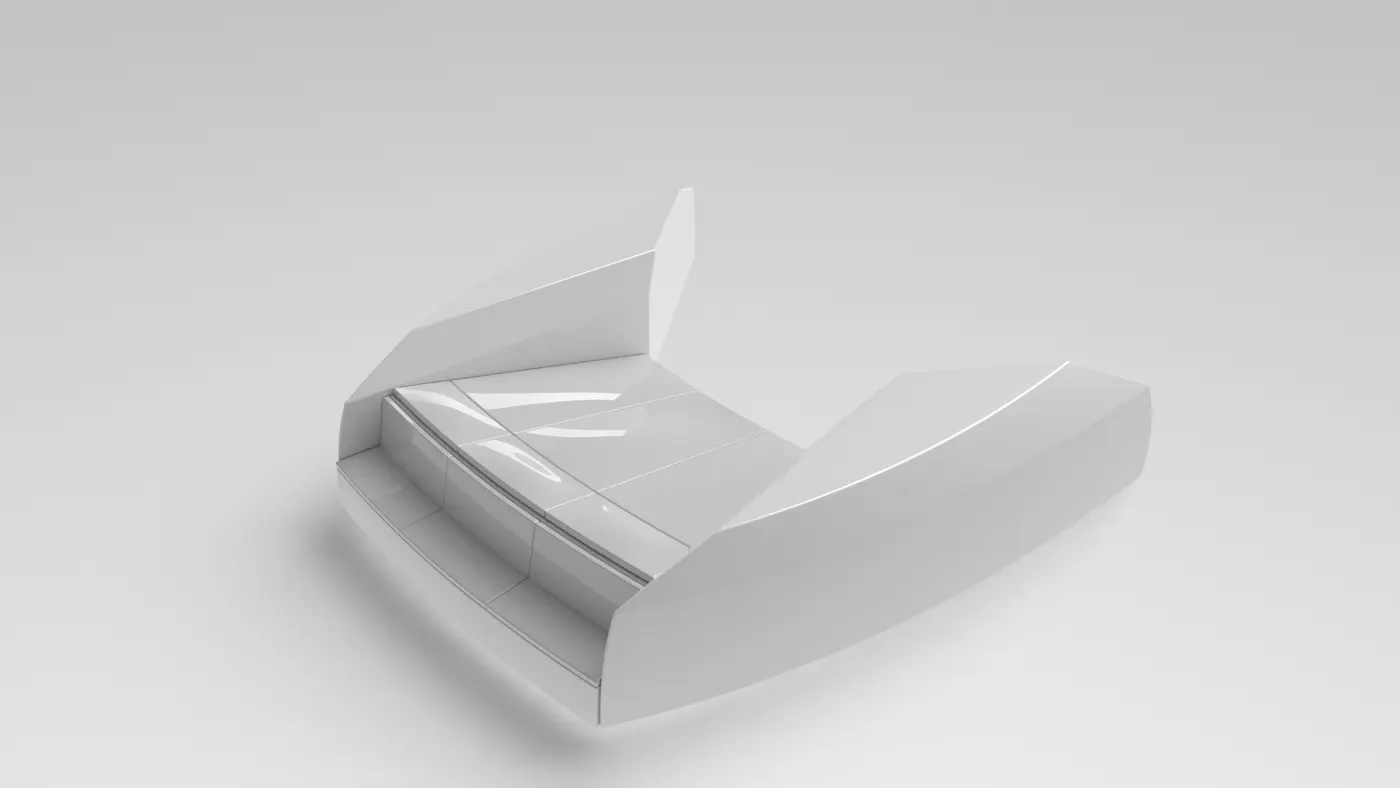
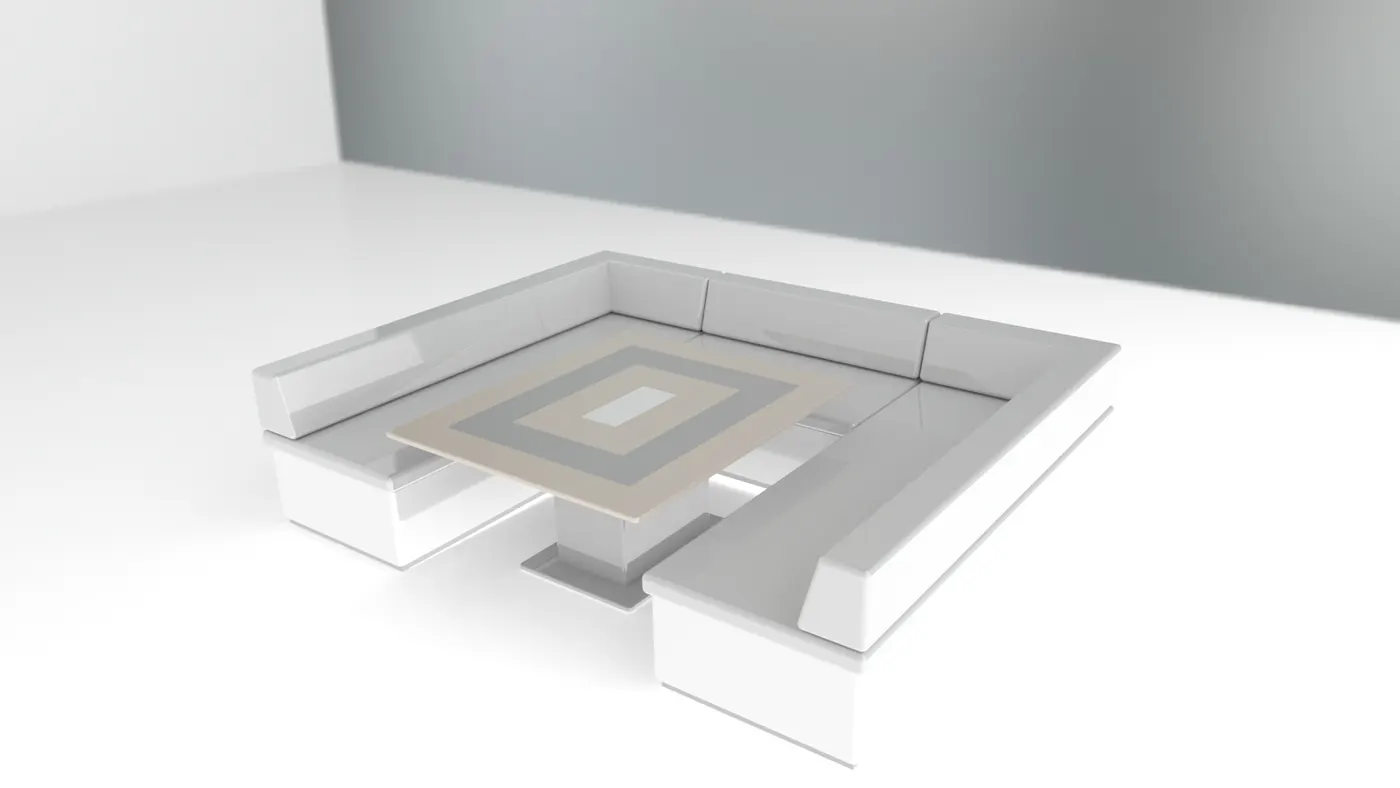
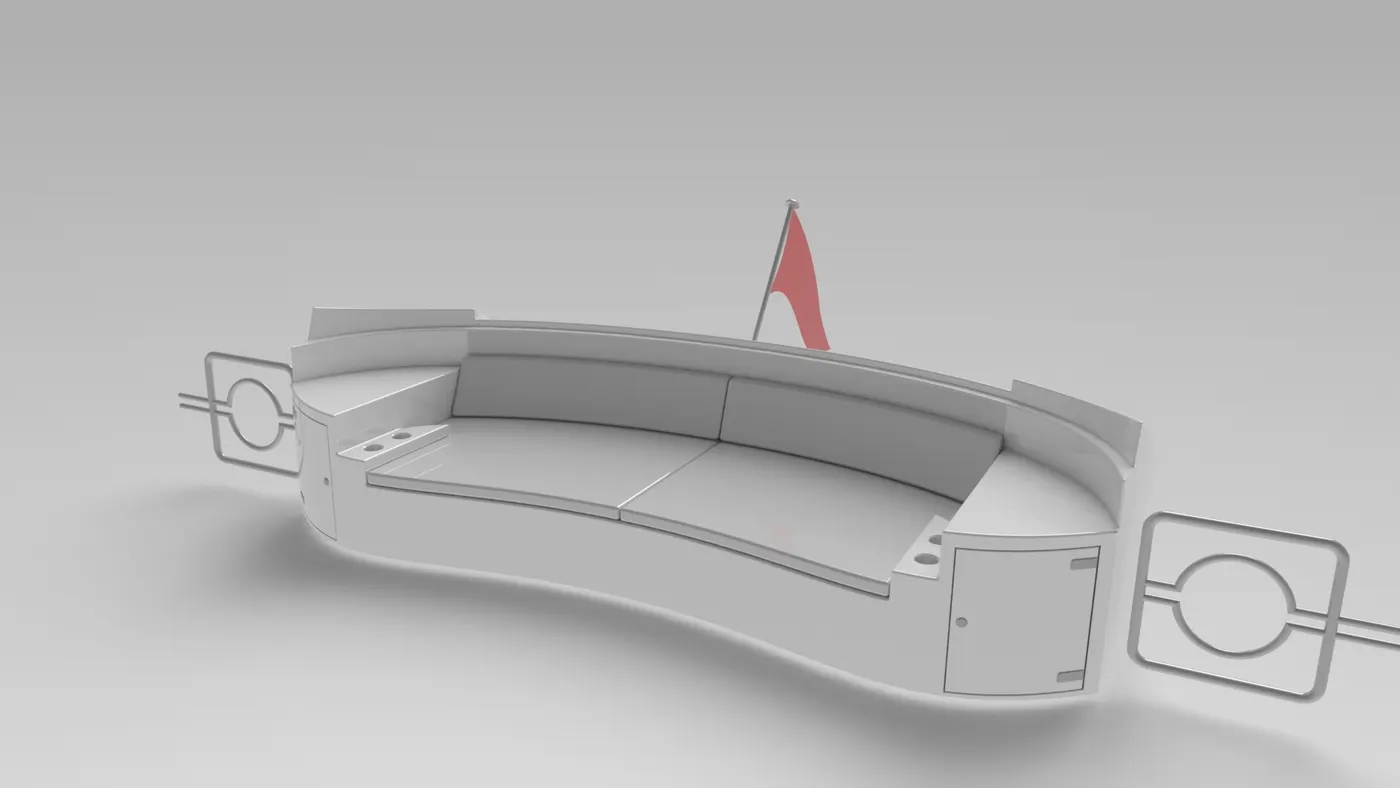
Front, Middle, and Rear Seat Modeling:
The seating areas are modeled using surface tools and the knit surface feature.
Front Seat:
Middle Seat:
Rear Seat:
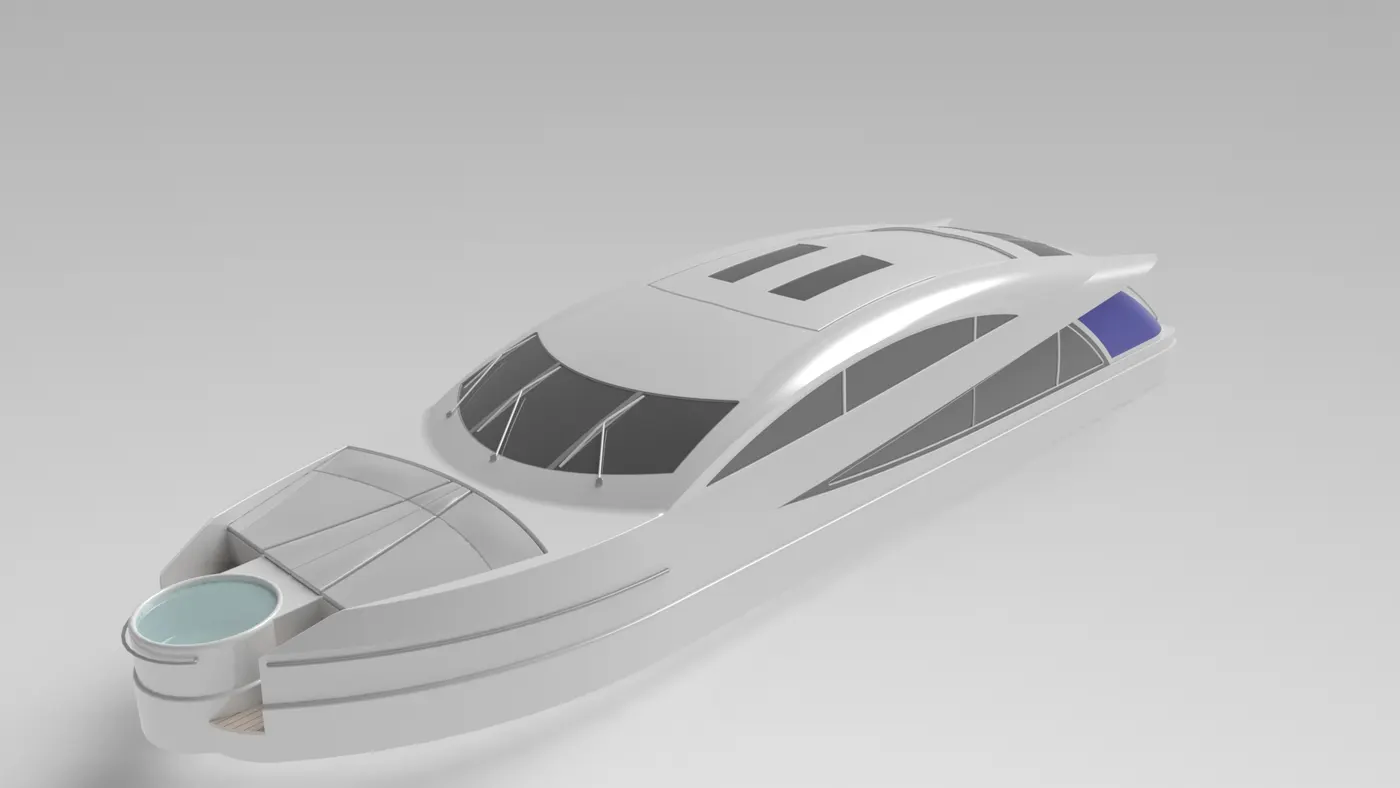
Superstructure Modeling:
The superstructure, an elevated section of a ship, is modeled using surface features, knit surface, swept boss, fillet, extrude boss, and chamfers.
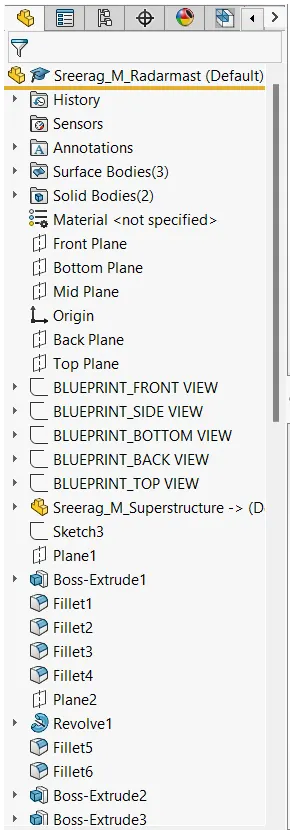
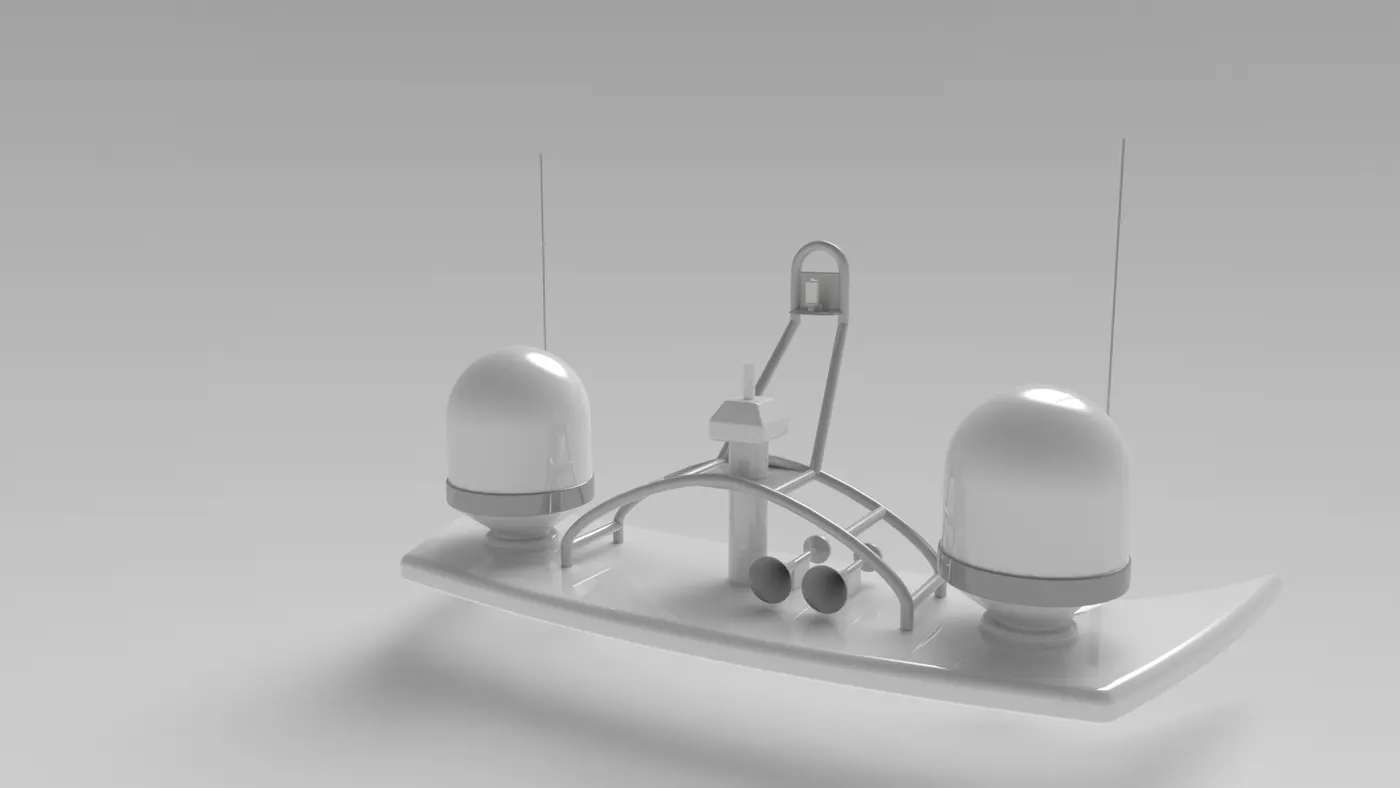
Radar Mast Modeling:
Marine radars (X band or S band) aid in detecting ships and obstacles at sea. Modeling the radar mast involves extrude boss, revolved, swept, shell, and mirror features.
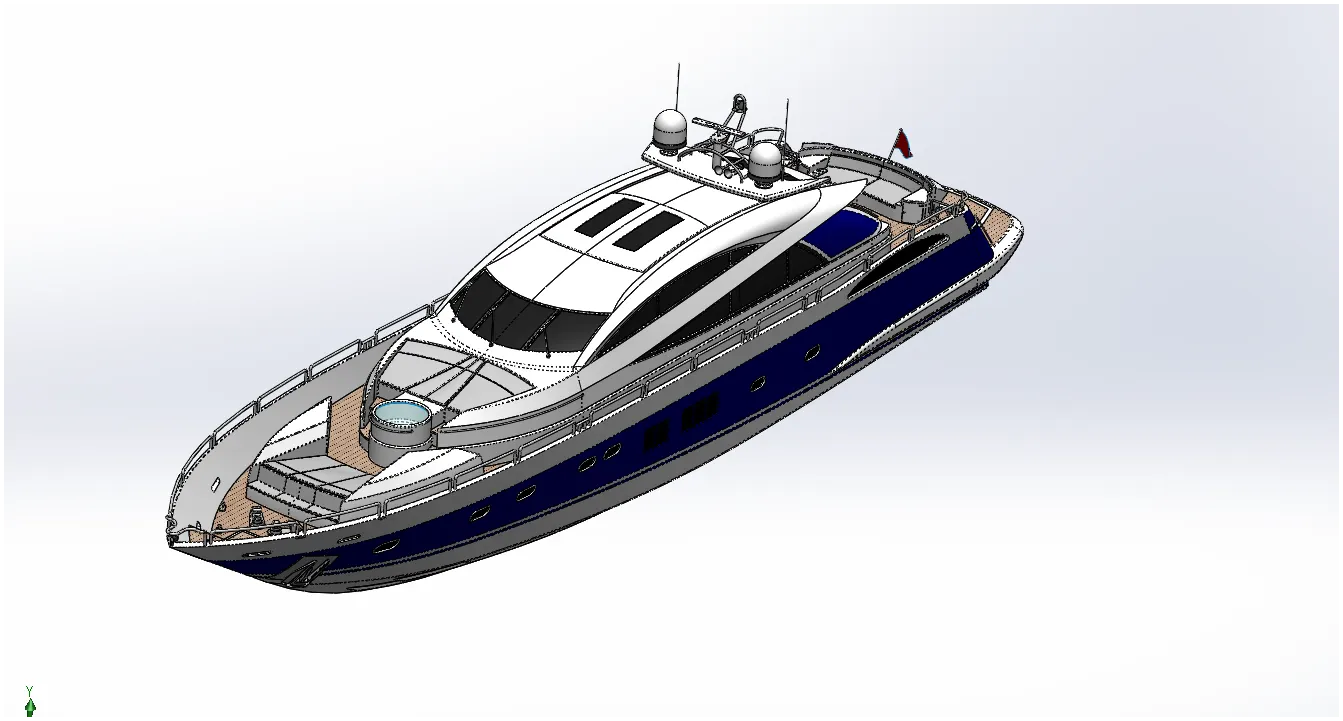
Assembly:
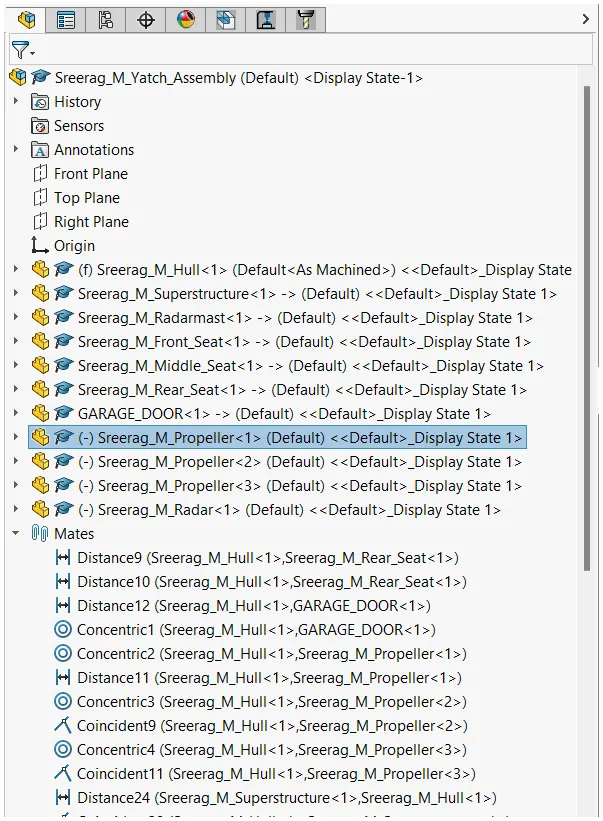
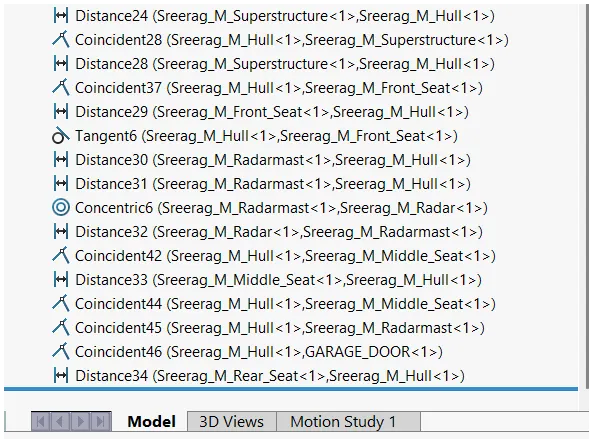
All parts are mated using coincident, tangent, concentric, and parallel mate options to ensure proper alignment and functionality.
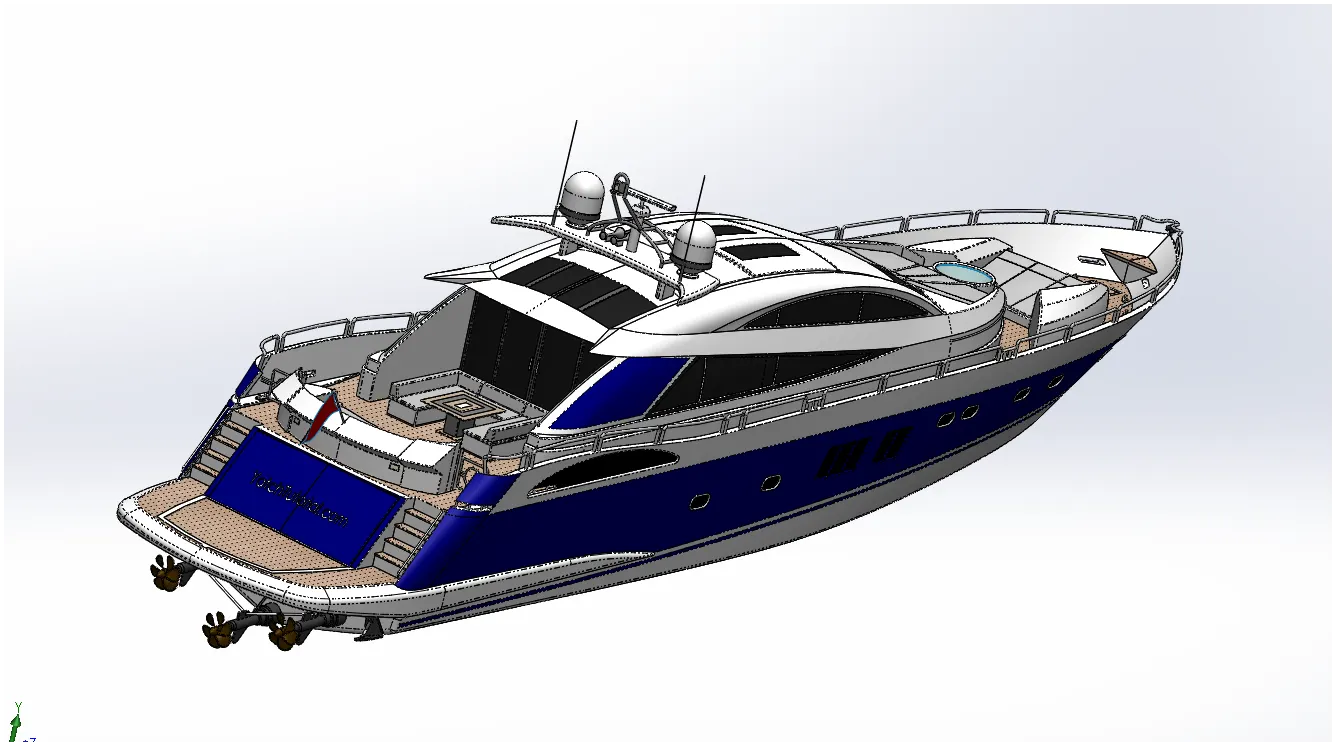
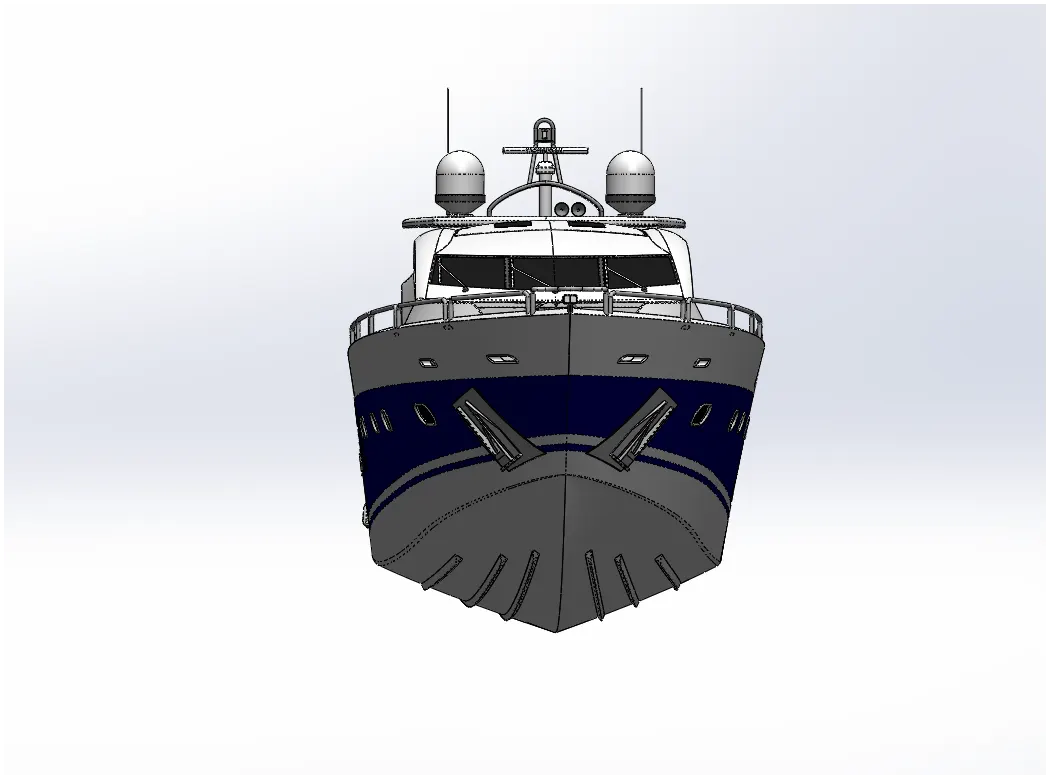
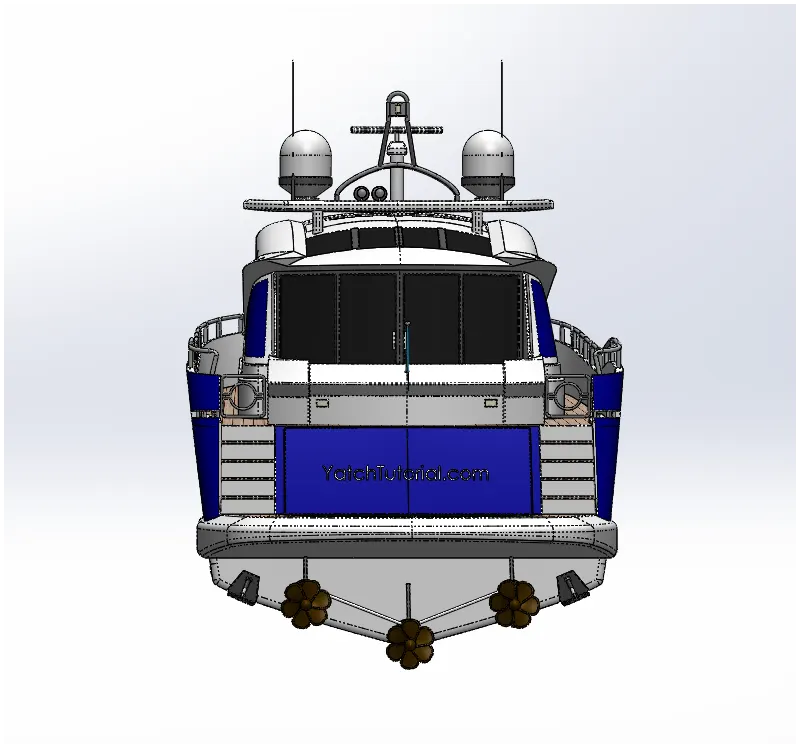
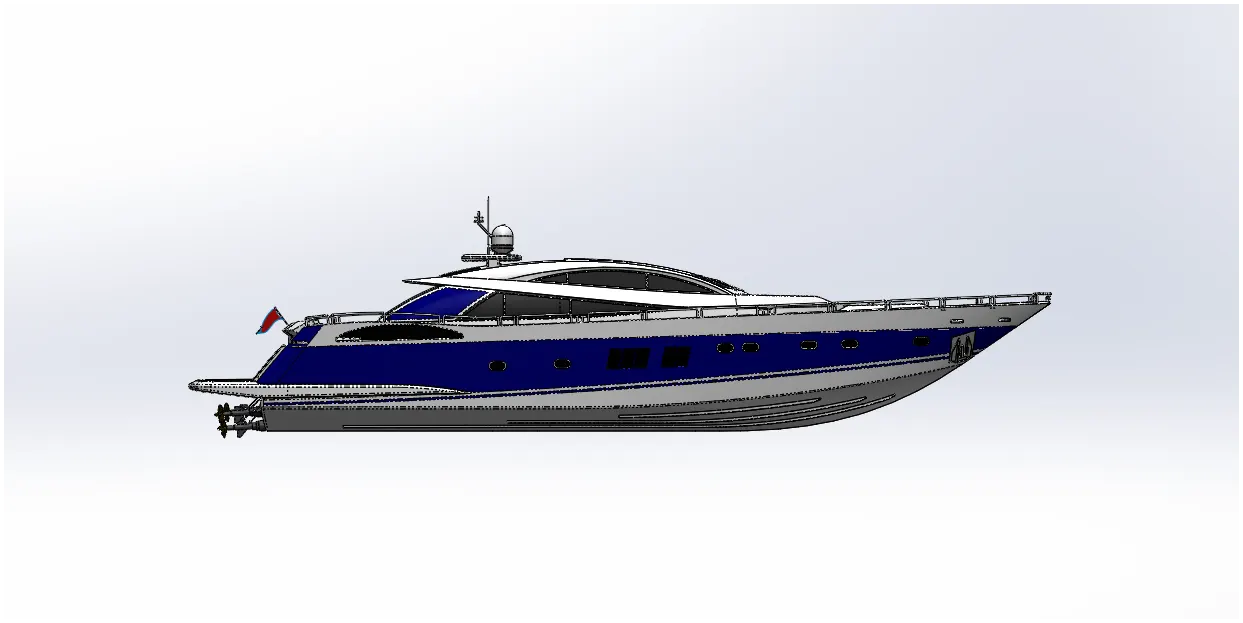
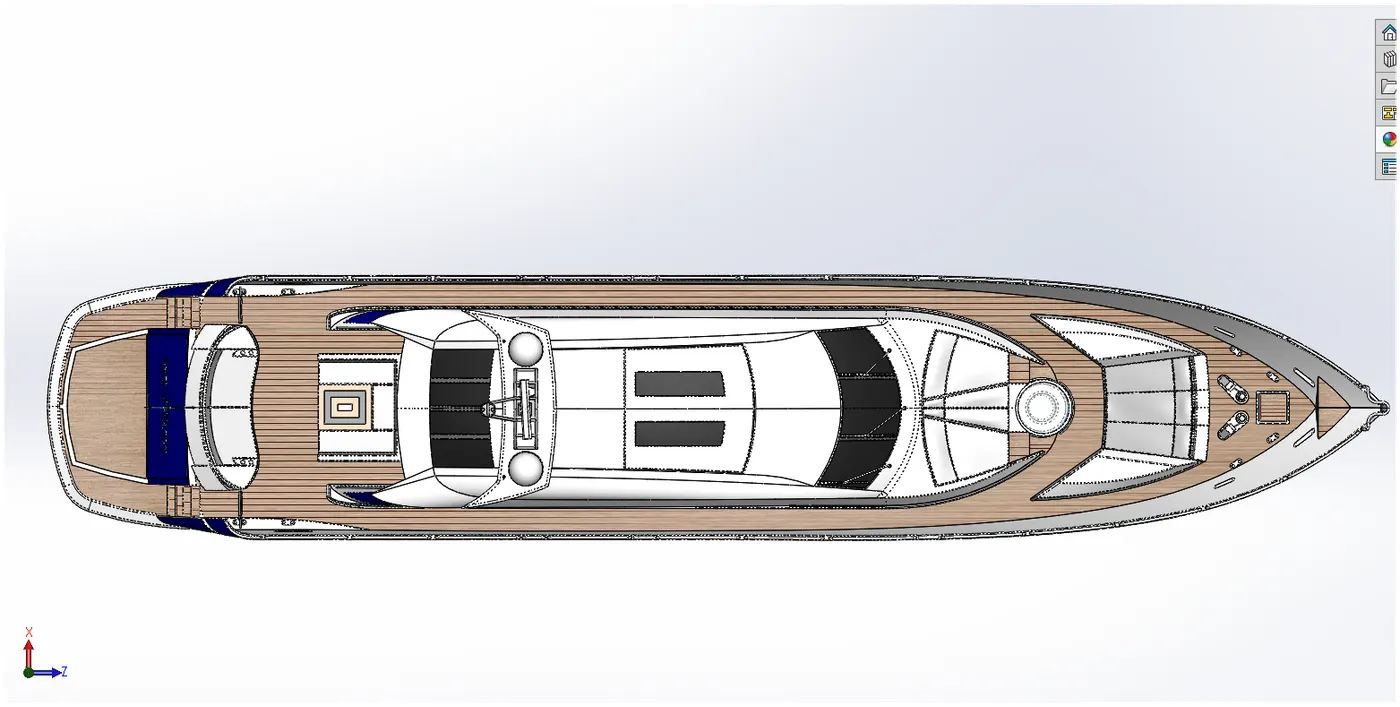
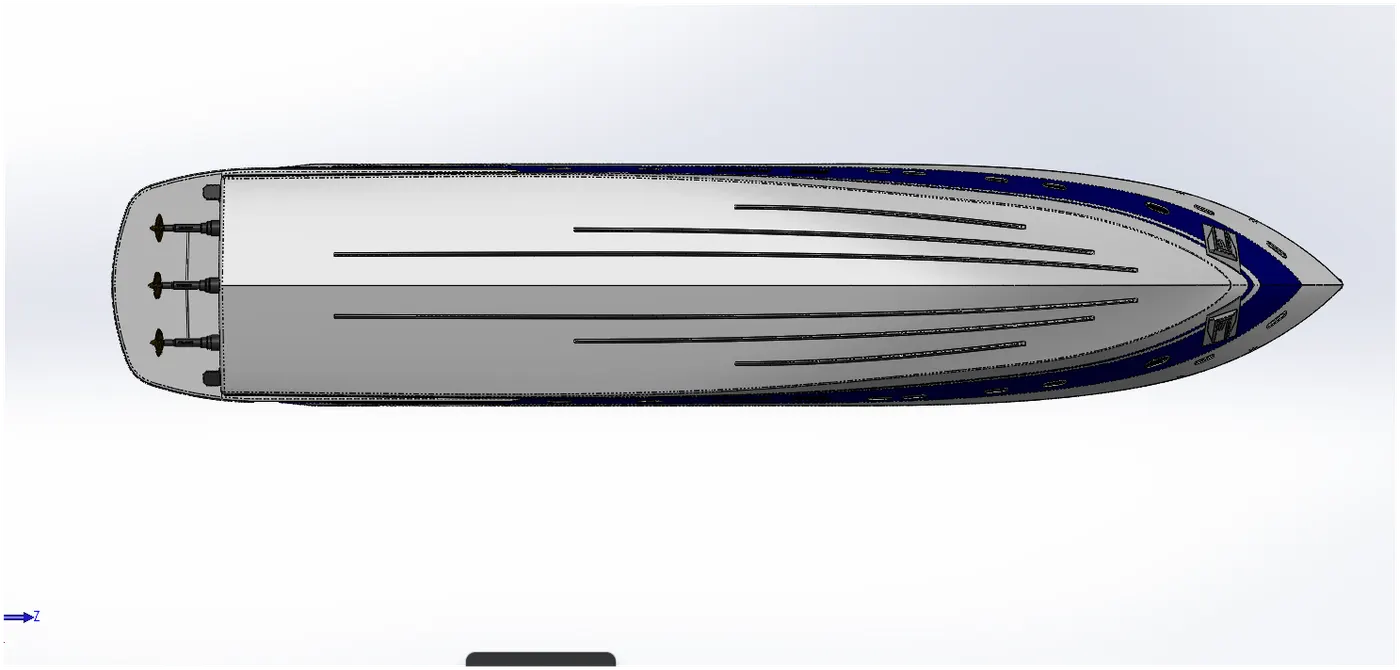
Conclusion:
The yacht modelling project demonstrates the capabilities of CAD tools in designing complex 3D models. The project showcases the systematic approach followed in the design process, from the creation of individual part files to the assembly and rendering of the complete model. The resulting yacht model is a testament to the precision and accuracy achievable with advanced CAD tools.