Project on Concrete Mix Design for various grades of Concrete
|
Project on Concrete Mix Design for various grades of Concrete Aim – As concrete is a heterogeneous material that has various ingredients like coarse aggregates, fine aggregates, water, admixtures, etc. for mixing. For concrete to achieve the desired strength these ingredients have to be included in the specific amount. This specific amount is decided based on the mix design as per the IS code 10262:2019. The specific amount is selected such that concrete gives desired workability in the plastic state, desired durability in the given environmental state, desired strength in the hardened state, and economical concrete as possible. Introduction – This project contains two types of concrete mix design 1. Concrete mix design of M35 The concrete mix design of M35 is done by taking fly ash, superplasticizer, and wet aggregates. 2. Concrete mix design of M50 The concrete mix design of M50 is done by taking superplasticizer and partially dry aggregates. Concrete Mix Design of M35 DATA FOR CONCRETE MIX DESIGN OF M35 GRADE CONCRETE WITH FLY ASH |
||||||||||
|
Grade of Concrete |
35 |
N/mm^2 |
||||||||
|
Maximum Size of Aggregate |
20 mm |
|||||||||
|
Type of aggregates |
Crushed Angular Aggregates |
|||||||||
|
Slump Workability |
120 |
mm |
||||||||
|
Degree of Quality Control |
Good |
|||||||||
|
Exposure |
Severe |
(For Reinforced Concrete) |
||||||||
|
Method of concrete placing |
Pumping |
|||||||||
|
Maximum cement content |
As per IS 456:2000 |
|||||||||
|
Chemical Admixture (confirming to IS 9103-1999 |
Superplasticizers - Normal |
|||||||||
|
Zone of Fine Aggregates |
Zone III |
|||||||||
|
Type of Mineral Admixture |
Fly ash confirming to IS 3812 (Part-1) |
|||||||||
|
Test Data for Material |
||||||||||
|
Cement |
OPC |
53 |
N/mm^2 |
|||||||
|
Confirming to IS 12269-2013 |
||||||||||
|
Specific Gravity |
||||||||||
|
Cement |
3.15 |
As per IS code |
||||||||
|
Coarse Aggregate at Surface Saturated Condition |
2.74 |
|||||||||
|
Fine Aggregate at Surface Saturated Condition |
2.65 |
|||||||||
|
Chemical Admixture (Super Plasticizer) |
1.145 |
|||||||||
|
Fly Ash |
2.2 |
|||||||||
|
Water Absorption |
||||||||||
|
Coarse Aggregate |
0.87 |
|||||||||
|
Fine Aggregate |
1.26 |
|||||||||
|
Moisture Content of aggregates as per IS 2386 (Part -3) : 1967 |
||||||||||
|
Coarse Aggregate |
2.15 |
% |
||||||||
|
Fine Aggregate |
4.68 |
% |
||||||||
|
Free Moisture Content |
||||||||||
|
Free surface moisture of coarse aggregates = Moisture content - water absorption |
||||||||||
|
Coarse Aggregate |
1.28 |
% |
||||||||
|
Free surface moisture of Fine aggregates = Moisture content - water absorption |
||||||||||
|
Fine Aggregate |
3.42 |
% |
||||||||
|
Fineness Modulus |
2.41 |
|||||||||
|
Aggregate Impact Value |
18.76 |
% |
||||||||
|
Combined Flakiness and Elongation Index |
28.56 |
% |
||||||||
|
Admixture |
||||||||||
|
Superplasticizer |
1 |
Percent by Cement Wt |
||||||||
|
Water Reduction by Superplasticizer |
23 |
Percent of Water Quantity |
||||||||
|
Pozzolanic Material |
||||||||||
|
Amount of Fly ash Material being used |
30 |
% |
||||||||
|
Increase in the cement content |
10 |
% |
||||||||
|
Pumpable Concrete |
||||||||||
|
Reduction for Pumpable concrete |
10 |
% |
||||||||
|
Design Mix |
||||||||||
|
1. Target Strength for Mix |
||||||||||
|
F(ck) |
=f(ck)+1.65*σ |
|||||||||
|
σ |
5 |
(As per Table 2 of IS 10262:2019) |
||||||||
|
Also, as per Table 1 of IS 10262:2019, value of X (=1.65*σ) for M35 |
||||||||||
|
6.5 |
||||||||||
|
F(ck) |
=35+1.65*5 |
|||||||||
|
Target Mean Strength from standard deviation |
43.25 |
MPa |
||||||||
|
Target Mean Strength from value of X |
41.5 |
MPa |
||||||||
|
The higher value of adopted. Therefore taking target mean strength |
||||||||||
|
43.25 |
MPa |
|||||||||
|
2. Air Entrapped |
||||||||||
|
(As per Table 3 of IS 10262:2019) |
||||||||||
|
For 20mm nominal maximum size of aggregates |
1 |
Percent |
||||||||
|
3. W/C Ratio |
||||||||||
|
As Per Table 5 of IS 456:2000 |
||||||||||
|
Maximum Water Cement ratio for severe exposure |
0.45 |
|||||||||
|
Minimum Grade of Concrete in severe exposure |
M30 |
|||||||||
|
From Fig 1 of IS 10262:2019, for target mean strength of 43.25 MPa and OPC cement grade of 53 MPa |
0.36 |
|||||||||
|
Value of W/C ratio came out of Fig 1 is less than the maximum limit for severe exposure of concrete to the environment |
||||||||||
|
Therefore taking value of W/C ratio |
0.36 |
|||||||||
|
4. Water Content Calculation |
||||||||||
|
From Table 4 of IS 10232:2019, water content for 20mm nominal maximum size of aggregates |
||||||||||
|
Water for 50 mm slump value as per table 4 |
186 |
Kg/m^3 |
||||||||
|
Slump required at the site for workability |
120 |
mm |
||||||||
|
Estimated water content for site slump |
||||||||||
 |
||||||||||
|
Water content for 75 mm slump |
201.624 |
Kg/m^3 |
||||||||
|
The effect of Superplasticizer is to reduce water content and increase workability. Generally superplasticizers giver reduction in water content by more than 20% |
||||||||||
|
Taking Plasticizer by percentage of weight of cement |
1 |
Percent |
||||||||
|
Amount of water reduced by superplasticizer (Assuming) |
23 |
Percent |
||||||||
|
|
||||||||||
|
Water Content = |
 |
|||||||||
|
Hence the water content |
155.25 |
Kg/m^3 |
||||||||
|
5.Calculation of Cement |
||||||||||
|
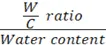
W/C ratio |
0.36 |
|||||||||
 |
||||||||||
|
Cement Content Calculation = |
||||||||||
|
Cement amount as calculated |
431.25 |
Kg/m^3 |
||||||||
|
As IS 456 has recommended the value of cement for M |
35 |
grade of concrete |
||||||||
|
Minimum value of Cement |
320 |
Kg/m^3 |
||||||||
|
Maximum value of Cement |
450 |
Kg/m^3 |
||||||||
|
Nowadays as the economy is one of the main concerns of the projects. Cement is one material that is costly and a small substitution of cement with fly ash also serves the structural purpose of the project. So, fly ash is being used as a substitute material which has a certain advantage over conventional advantage like less permeability, less heat of hydration, reduction of cracks, bleeding etc. |
||||||||||
|
Use of pozzolanic material, sometimes a requirement of increment of the cement content is warranted. It is decided based on the trials and experience. |
||||||||||
|
Taking the content of fly ash as 30 % and increment of cement content as 10 % |
||||||||||
|
Cement content after incrementing for fly ash |
474.38 |
Kg/m^3 |
||||||||
|
Weight of fly ash |
142.31 |
Kg/m^3 |
||||||||
|
Cement content taken |
332.06 |
Kg/m^3 |
||||||||
|
Finally Cement Taken |
332.06 |
Kg/m^3 |
||||||||
|
Finally Taken Cement must be more than |
320 |
Kg/m^3 |
for severe exposure |
|||||||
|
No of bags for Cement |
(Assuming 1 Bag = 50 Kgs) |
6.64 |
Bags |
|||||||
|
Correction for water content |
119.54 |
Kg/m^3 |
||||||||
|
Finally Taken Water Content |
155.25 |
Kg/m^3 |
||||||||
|
Total plasticizer required |
3.32 |
Kg/m^3 |
||||||||
|
6. Calculation of proportion of Coarse Aggregate to Total Aggregate |
||||||||||
|
From Table 5 of IS 10232:2019, for 20 mm size of aggregate and Zone III of Sand (FA). This table gives value of ration of CA/TA for W/C ratio 0.5 |
||||||||||
|
For W/C ratio 0.5, Proportion of CA/TA |
0.64 |
|||||||||
|
Required W/C ratio |
0.36 |
|||||||||
|
The proportion of volume of coarse aggregates to that of total aggregates is increased at the rate of 0.01 for every decrease in the water-cement ratio by 0.05 and decreased at the rate of 0.01 for every increase in the water-cement ratio by 0.05 |
||||||||||
|
Correction for W/C ratio as per Clause 5.5.1 of IS 10232:2019 |
||||||||||
|
0.668 |
||||||||||
|
Assuming 1 unit as total aggregate then |
||||||||||
|
For Pumpable concrete, general reduction of 10 % of aggregates is done for ease of doing work. |
||||||||||
|
The proportion of Coarse Aggregates |
0.6012 |
|||||||||
|
The proportion of Fine Aggregates |
0.3988 |
|||||||||
| Proportion of Fine Aggregates = 1-Proportion of Coarse Aggregates | ||||||||||
|
7. Mix Calculation |
||||||||||
|
Taking volume of concrete |
1.000 |
Cum |
(Assumption) |
|||||||
|
Volume of Air Entrapped = As per table 3 of IS 10262 |
||||||||||
|
Volume of Air Entrapped |
0.010 |
Cum |
||||||||
|
|
||||||||||
|
Volume of Cement = |
 |
|||||||||
|
Volume of cement |
0.105 |
Cum |
||||||||
 |
||||||||||
|
Volume of Water = |
||||||||||
|
Volume of Water |
0.155 |
Cum |
||||||||
|
|
||||||||||
|
Volume of Chemical Admixture = |
||||||||||
|
Volume of Chemical admixture |
0.003 |
Cum |
||||||||
|
|
||||||||||
|
Volume of Fly Ash = |
 |
|||||||||
|
Volume of Fly Ash |
0.065 |
Cum |
||||||||
|
Volume of Aggregates = Total Volume - Volume of Air Entrapped - Volume of Cement - Volume of Water - Volume of Admixture - Volume of Fly Ash |
||||||||||
|
Volume of Aggregate in 1 Cum |
0.662 |
Cum |
||||||||
|
Quantity of Coarse Aggregate |
1090.084 |
Kg/m^3 |
||||||||
|
Quantity of Coarse Aggregates = Volume of Total Aggregates X Proportion of Coarse Aggregates X Specific Gravity of Coarse Aggregates X 1000 |
||||||||||
|
Quantity of Fine Aggregate |
699.345 |
Kg/m^3 |
||||||||
|
Quantity of Fine Aggregates = Volume of Total Aggregates X Proportion of Fine Aggregates X Specific Gravity of Fine Aggregates X 1000 |
||||||||||
|
8. Correction for wet aggregate |
||||||||||
|
As the above calculation is done for the saturated surface dry condition. If the condition is otherwise then while calculating the water content, we have to make allowance for either free surface moisture or dry aggregates |
||||||||||
|
|
||||||||||
|
Wet Coarse Aggregates = |
||||||||||
|
Wet Coarse Aggregates |
1104.0372 |
Kg/m^3 |
||||||||
|
|
||||||||||
|
Wet Fine Aggregates = |
||||||||||
|
Wet Fine Aggregates |
723.263 |
Kg/m^3 |
||||||||
|
This increment in the value of aggregates is accounted for the decrease in water quantity as excess water is available with aggregates in addition to being supplied by the W/C ratio required water content |
||||||||||
|
Increase in water content |
||||||||||
|
For Coarse Aggregates |
||||||||||
|
Increase in water due to coarse aggregates = |
Mass of coarse aggregate in SSD condition - mass of coarse aggregate in wet condition |
|||||||||
|
= |
-13.953 |
Kg/m^3 |
||||||||
|
Increase in water due to fine aggregates = |
Mass of fine aggregate in SSD condition - mass of fine aggregate in wet condition |
|||||||||
|
= |
-23.918 |
Kg/m^3 |
||||||||
|
Increase in water content |
= |
-37.871 |
Kg/m^3 |
|||||||
|
9. Final Quantities |
||||||||||
|
For Surface Saturated Dry Condition Only (In Kg/m^3) |
For Wet Condition (In Kg/m^3) |
|||||||||
|
|
For 1 Cum |
|
For 1 Cum |
|||||||
|
Cement |
332.064 |
Cement |
332.064 |
|||||||
|
Water |
155.250 |
Water |
117.380 |
|||||||
|
Admixture |
3.321 |
Admixture |
3.321 |
|||||||
|
Coarse |
1090.084 |
Coarse |
1104.037 |
|||||||
|
Fine |
699.345 |
Fine |
723.263 |
|||||||
|
Fly Ash |
142.313 |
Fly Ash |
142.313 |
|||||||
|
Final W/C |
0.468 |
Final W/C |
0.353 |
|||||||
|
This decrease in W/C ratio is due to the wet aggregates as these aggregates also have free some water over and above required for absorption to saturated surface dry condition. This additional water supplements the W/C ratio water requirement |
||||||||||



Concrete Mix design of M50
|
DATA FOR CONCRETE MIX DESIGN OF M50 GRADE CONCRETE WITHOUT FLY ASH |
||||||||||||
|
Grade of Concrete |
50 |
N/mm^2 |
||||||||||
|
Maximum Size of Aggregate |
20 |
mm |
||||||||||
|
Type of aggregates |
Crushed Angular Aggregates |
|||||||||||
|
Slump Workability |
75 |
mm |
||||||||||
|
Degree of Quality Control |
Good |
|||||||||||
|
Exposure |
Severe |
(For Reinforced Concrete) |
||||||||||
|
Method of concrete placing |
Chute |
(Non-Pumpable) |
||||||||||
|
Maximum cement content without fly ash |
450 |
Kg/m^3 |
||||||||||
|
Chemical Admixture (confirming to IS 9103-1999 |
Superplasticizers - Normal |
|||||||||||
|
Zone of Fine Aggregates |
Zone III |
|||||||||||
|
Test Data for Material |
||||||||||||
|
Cement |
OPC |
53 |
N/mm^2 |
|||||||||
|
Confirming to IS 12269-2013 |
||||||||||||
|
Specific Gravity |
||||||||||||
|
Cement |
3.15 |
As per IS code |
||||||||||
|
Coarse Aggregate at Surface Saturated Condition |
2.74 |
|||||||||||
|
Fine Aggregate at Surface Saturated Condition |
2.65 |
|||||||||||
|
Chemical Admixture (Super Plasticizer) |
1.145 |
|||||||||||
|
Water Absorption |
||||||||||||
|
Coarse Aggregate |
0.87 |
|||||||||||
|
Fine Aggregate |
1.26 |
|||||||||||
|
Fineness Modulus |
2.41 |
|||||||||||
|
Aggregate Impact Value |
18.76 |
% |
||||||||||
|
Combined Flakiness and Elongation Index |
28.56 |
% |
||||||||||
|
Admixture |
||||||||||||
|
Superplasticizer |
1 |
Percent by Cement Wt |
||||||||||
|
Water Reduction by Superplasticizer |
23 |
Percent of Water Quantity |
||||||||||
|
Design Mix |
||||||||||||
|
1. Target Strength for Mix |
||||||||||||
|
F(ck) |
=f(ck)+1.65*σ |
|||||||||||
|
σ |
5 |
(As per Table 2 of IS 10262:2019) |
||||||||||
|
Also, as per Table 1 of IS 10262:2019, value of X (=1.65*σ) for M50 |
||||||||||||
|
6.5 |
||||||||||||
|
F(ck) |
=50+1.65*5 |
|||||||||||
|
Target Mean Strength from the standard deviation |
58.25 |
MPa |
||||||||||
|
Target Mean Strength from value of X |
56.5 |
MPa |
||||||||||
|
The higher value of adopted. Therefore taking target mean strength |
||||||||||||
|
58.25 |
MPa |
|||||||||||
|
2. Air Entrapped |
||||||||||||
|
(As per Table 3 of IS 10262:2019) |
||||||||||||
|
For 20mm nominal maximum size of aggregates |
1 |
Percent |
||||||||||
|
3. W/C Ratio |
||||||||||||
|
As Per Table 5 of IS 456:2000 |
||||||||||||
|
Maximum Water Cement ratio for severe exposure |
0.45 |
|||||||||||
|
Minimum Grade of Concrete in severe exposure |
M30 |
|||||||||||
|
From Fig 1 of IS 10262:2019, for target mean strength of 58.25 MPa and OPC cement grade of 53 Mpa |
0.33 |
|||||||||||
|
Value of W/C ratio came out of Fig 1 is less than the maximum limit for severe exposure of concrete to environment |
||||||||||||
|
Therefore taking value of W/C ratio |
0.33 |
|||||||||||
|
4. Water Content Calculation |
||||||||||||
|
From Table 4 of IS 10232:2019, water content for 20mm nominal maximum size of aggregates |
||||||||||||
|
Water for 50 mm slump value as per table 4 |
186 |
Kg/m^3 |
||||||||||
|
Slump required at site for workability |
75 |
mm |
||||||||||
|
Estimated water content for site slump = |
||||||||||||
|
|
||||||||||||
|
Water content for 75 mm slump |
191.58 |
Kg/m^3 |
||||||||||
|
The effect of Superplasticizer is to reduce water content and increase workability. Generally superplasticizers giver reduction in water content by more than 20% |
||||||||||||
|
Taking Plasticizer by the percentage of the weight of cement |
1 |
Percent |
||||||||||
|
Amount of water reduced by superplasticizer (Assuming) |
23 |
Percent |
||||||||||
|
|
||||||||||||
|
Water Content = |
||||||||||||
|
Hence the water content |
147.52 |
Kg/m^3 |
||||||||||
|
5.Calculation of Cement |
||||||||||||
|
W/C ratio |
0.33 |
|||||||||||
|
Cement Content Calculation = |
|
|||||||||||
|
Cement amount as calculated |
447.02 |
Kg/m^3 |
||||||||||
|
As IS 456 has recommended the value of cement for M |
50 |
grade of concrete |
||||||||||
|
Minimum value of Cement |
320 |
Kg/m^3 |
||||||||||
|
Maximum value of Cement |
450 |
Kg/m^3 |
||||||||||
|
Finally Cement Taken |
447.02 |
Kg/m^3 |
||||||||||
|
No of bags for Cement |
(Assuming 1 Bag = 50 Kgs) |
8.94 |
Bags |
|||||||||
|
Correction for water content |
147.52 |
Kg/m^3 |
||||||||||
|
Finally Taken Water Content |
147.52 |
Kg/m^3 |
||||||||||
|
Total plasticizer required |
4.47 |
Kg/m^3 |
||||||||||
|
6. Calculation of proportion of Coarse Aggregate to Total Aggregate |
||||||||||||
|
From Table 5 of IS 10232:2019, for 20 mm size of aggregate and Zone III of Sand (FA). This table gives the value of ratio of CA/TA for W/C ratio 0.5 |
||||||||||||
|
For W/C ratio 0.5, the Proportion of CA/TA |
0.64 |
|||||||||||
|
Required W/C ratio |
0.33 |
|||||||||||
|
The proportion of the volume of coarse aggregates to that of total aggregates is increased at the rate of 0.01 for every decrease in the water-cement ratio by 0.05 and decreased at the rate of 0.01 for every increase in the water-cement ratio by 0.05 |
||||||||||||
|
Correction for W/C ratio as per Clause 5.5.1 of IS 10232:2019 |
||||||||||||
|
0.674 |
||||||||||||
|
Assuming 1 unit as total aggregate then |
||||||||||||
|
The proportion of Coarse Aggregates |
0.674 |
|||||||||||
|
The proportion of Fine Aggregates |
0.326 |
|||||||||||
| Proprtion of Fine Aggregates = 1-Proportion of Coarse Aggregates | ||||||||||||
|
7. Mix Calculation |
||||||||||||
|
Taking the volume of concrete |
1.000 |
Cum |
(Assumption) |
|||||||||
|
The volume of Air Entrapped = As per table 3 of IS 10262 |
||||||||||||
|
The volume of Air Entrapped |
0.010 |
Cum |
||||||||||
|
|
||||||||||||
|
The volume of Cement = |
||||||||||||
|
Volume of cement |
0.142 |
Cum |
||||||||||
| |
||||||||||||
|
The volume of Water = |
||||||||||||
|
Volume of Water |
0.148 |
Cum |
||||||||||
|
|
||||||||||||
|
The volume of Chemical Admixture = |
||||||||||||
|
The volume of Chemical admixture |
0.004 |
Cum |
||||||||||
|
The volume of Aggregates = Total Volume - Volume of Air Entrapped - Volume of Cement - Volume of Water - Volume of Admixture |
||||||||||||
|
The volume of Aggregate in 1 Cum |
0.697 |
Cum |
||||||||||
|
Quantity of Coarse Aggregate |
1286.579 |
Kg/m^3 |
||||||||||
|
Quantity of Coarse Aggregates = Volume of Total Aggregates X Proportion of Coarse Aggregates X Specific Gravity of Coarse Aggregates X 1000 |
||||||||||||
|
Quantity of Fine Aggregate |
601.852 |
Kg/m^3 |
||||||||||
|
Quantity of Fine Aggregates = Volume of Total Aggregates X Proportion of Fine Aggregates X Specific Gravity of Fine Aggregates X 1000 |
||||||||||||
|
8. Correction for Water Absorption by aggregate |
||||||||||||
|
As the above calculation is done for the saturated surface dry condition. If the condition is otherwise then while calculating the water content, we have to make allowance for either free surface moisture or dry aggregates |
||||||||||||
|
|
||||||||||||
|
Partially Saturated Coarse Aggregates = |
||||||||||||
|
Partially Saturated Coarse Aggregates |
1275.482 |
Kg/m^3 |
||||||||||
|
|
||||||||||||
|
Partially Saturated Fine Aggregates = |
||||||||||||
|
Corrected Partially Fine Aggregates |
594.363 |
Kg/m^3 |
||||||||||
|
This reduction in the value of aggregates is accounted for the increase in water quantity as excess water above W/C ratio is being absorbed by the aggregates to make surface saturated dry |
||||||||||||
|
Increase in water content |
||||||||||||
|
For Coarse Aggregates |
||||||||||||
|
Increase in water due to coarse aggregates = |
Mass of coarse aggregate in SSD condition - mass of coarse aggregate in dry condition |
|||||||||||
|
= |
11.097 |
Kg/m^3 |
||||||||||
|
Increase in water due to fine aggregates = |
Mass of fine aggregate in SSD condition - mass of fine aggregate in dry condition |
|||||||||||
|
= |
7.489 |
Kg/m^3 |
||||||||||
|
Increase in water content |
= |
18.586 |
Kg/m^3 |
|||||||||
|
9. Final Quantities |
||||||||||||
|
For Surface Saturated Dry condition Only (In Kg/m^3) |
For Dry or Partially Dry Condition (In Kg/m^3) |
|||||||||||
|
|
For 1 Cum |
|
For 1 Cum |
|||||||||
|
Cement |
447.020 |
Cement |
447.020 |
|||||||||
|
Water |
147.517 |
Water |
166.102 |
|||||||||
|
Admixture |
4.470 |
Admixture |
4.470 |
|||||||||
|
Coarse |
1286.579 |
Coarse |
1275.482 |
|||||||||
|
Fine |
601.852 |
Fine |
594.363 |
|||||||||
|
Final W/C |
0.330 |
Final W/C |
0.372 |
|||||||||
|
This Increase in W/C ratio is due to the dry or partially saturated aggregates as these aggregates also absorb some water. This absorption of water decreases water required for proper chemical reaction and leads to undeveloped strength due to a shortage of water |
||||||||||||



Results:
From both concrete mix designs, we got to know the all the concrete ingredients required to make concrete of required grade which gives desired properties as required in both plastic and hardened state of concrete. Concrete ingredients required for 1 cum of concrete and 1 bag (50 Kgs) of cement are shown in the final quantities subsection