Project - Analysis of a practical automotive wiring circuit
Question 1:
- BATTERY
- STARTER
- AMMETER
- FUSE
- IGNITION COIL
- GENERATOR
- FRONT AND BACK LAMPS
- SWITCHES
- HORNS
Question 2:
BATTERY:
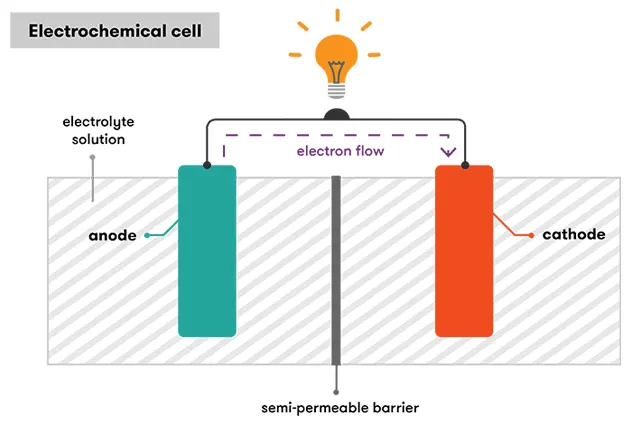
- BATTERY IS A ENERGY STORAGE DEVICE WHICH CONVERT CHEMICAL ENERGY INTO ELECTRICAL ENERGY WHILE DISCHARGING
- HERE ANODE IS NEGATIVE, CATHODE IS POSITIVE
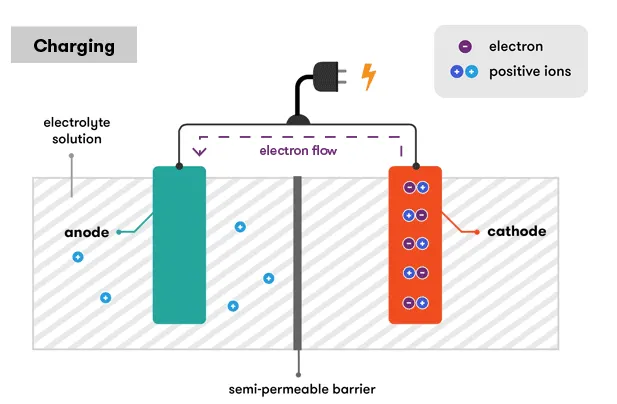
- WHILE CHARGING ELECTRONS FLOW FROM CATHODE TO ANODE
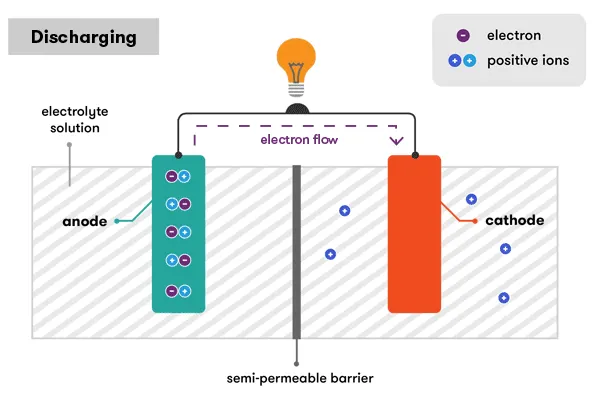
- WHILE DISCHARGING ELECTRONS FLOW FROM ANODE TO CATHODE
TYPES USED IN ELECTRIC VEHICLES
-
Lithium-Ion Batteries
-
Nickel-Metal Hydride Batteries
AMMETER:
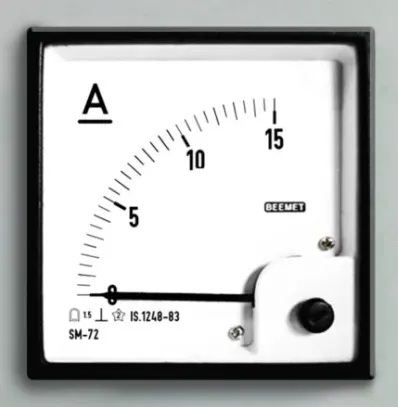
- An ammeter is a measuring device that measures the flow of current in a circuit. It gives the exact reading of how much current passes through the conductor.
- Ammeters have little or no electrical resistance and are simply connected in series of the circuit to be measured.
- The current flowing through the ammeter causes a direct current to flow through the circuit, causing lights to glow and heating elements to heat up.
- However, the current drawn by the ammeter itself leads to a much smaller voltage drop across its terminals, so the ammeter can be a more sensitive measure of current than the electrical circuit elements themselves.
- Ammeters are commonly used to measure the current drawn by any appliance, machine, motors, pumps, equipment, etc.
- Ammeters are available as either analog panel meters, or digital panel meters.
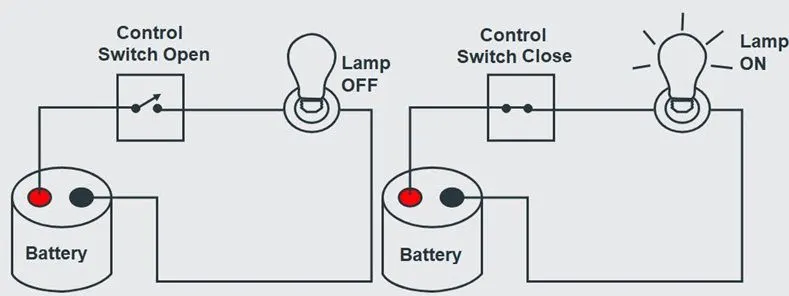
SWITCH:
- A switch responds to an external force to mechanically change an electric signal.
- Switches are used to turn electric circuits ON and OFF and to switch electric circuits
- There are many different types of switches. Based on their size, robustness, environmental resistance and other characteristics, they are divided into switches for industrial equipment and switches for consumer and commercial devices.
Question 3:
- fuse rating should be greater than 10 A because if load is more than 10 A fuse should blow
- fuse rating gives permitted level of current in circuit
Question 4:
battery voltage V = 12 v
load power = 500 watts
current = power/voltage
= 500/ 12
I = 41.67 A
Therefore battery capacity for one hour is 41.67 Ah ( as per capacity of battery definition)
Question 5:
- parking lamp and horn connected in parallel connection
- because parking lamp and horn need to use at same time sometimes
- and these are two independent elements in circuit
Question 6:
- fuse and tail stop should be series connection
- because fuse eliminates high current from battery
- so series connection can gives safer operating of tail stop