Project - Analysis of a practical automotive wiring circuit
ANSWER#1
Identify each of the major elements in the above automotive wiring diagram?
Every vehicle has an electrical system that consists of three very important components: the battery, the starter, and the generator. All these systems work together in a cyclical way, so an electrical problem that starts in any one of these components will affect the other parts of the system
ANSWER #2
Explain the purpose and working of any three elements briefly?
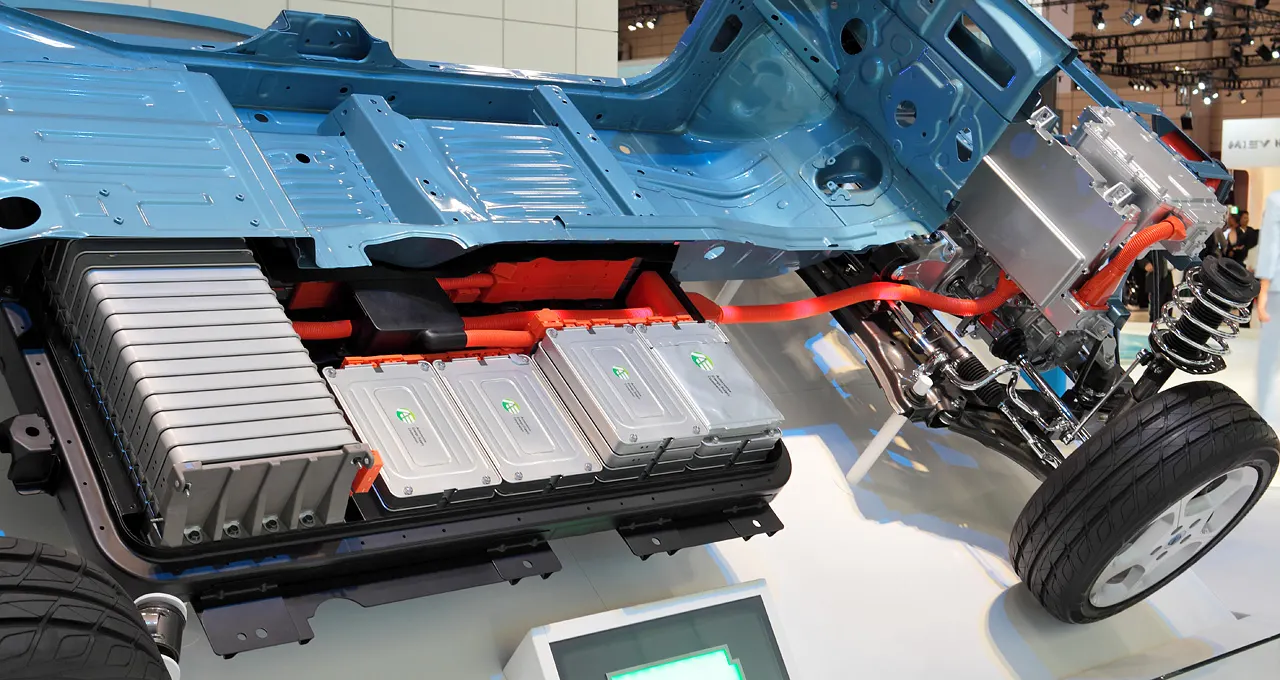
- BATTERY:
A battery is a device that stores chemical energy and converts it to electrical energy... The flow of electrons provides an electric current that can be used to do work. To balance the flow of electrons, charged ions also flow through an electrolyte solution that is in contact with both electrodes.
- STARTER:
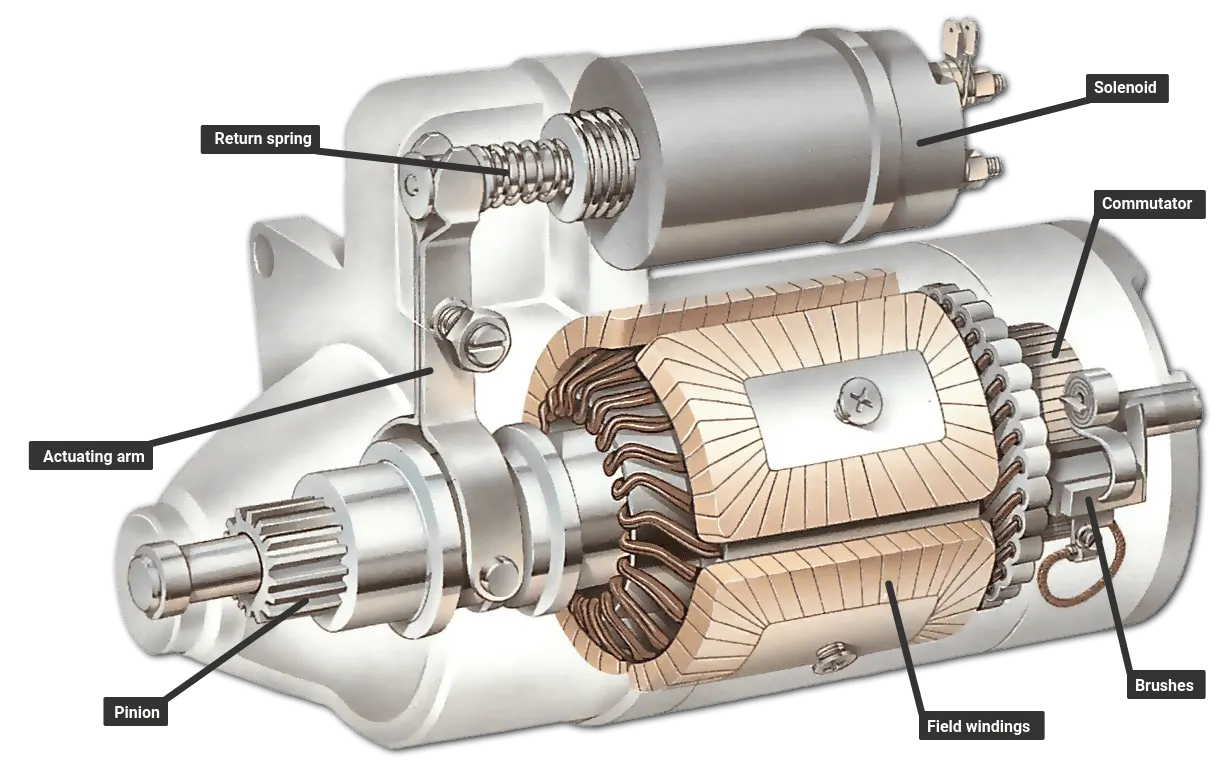
The starter motor is responsible for turning the engine over during ignition and allowing everything else to happen. When you turn the ignition on, the starter motor engages and turns the engine over allowing it to suck in air. .. As the engine turns over, the starter motor disengages, and the electromagnet stops.
- GENERATOR
Electric generators work on the principle of electromagnetic induction. A conductor coil (a copper coil tightly wound onto a metal core) is rotated rapidly between the poles of a horseshoe type magnet. ... When the coil rotates, it cuts the magnetic field which lies between the two poles of the magnet.
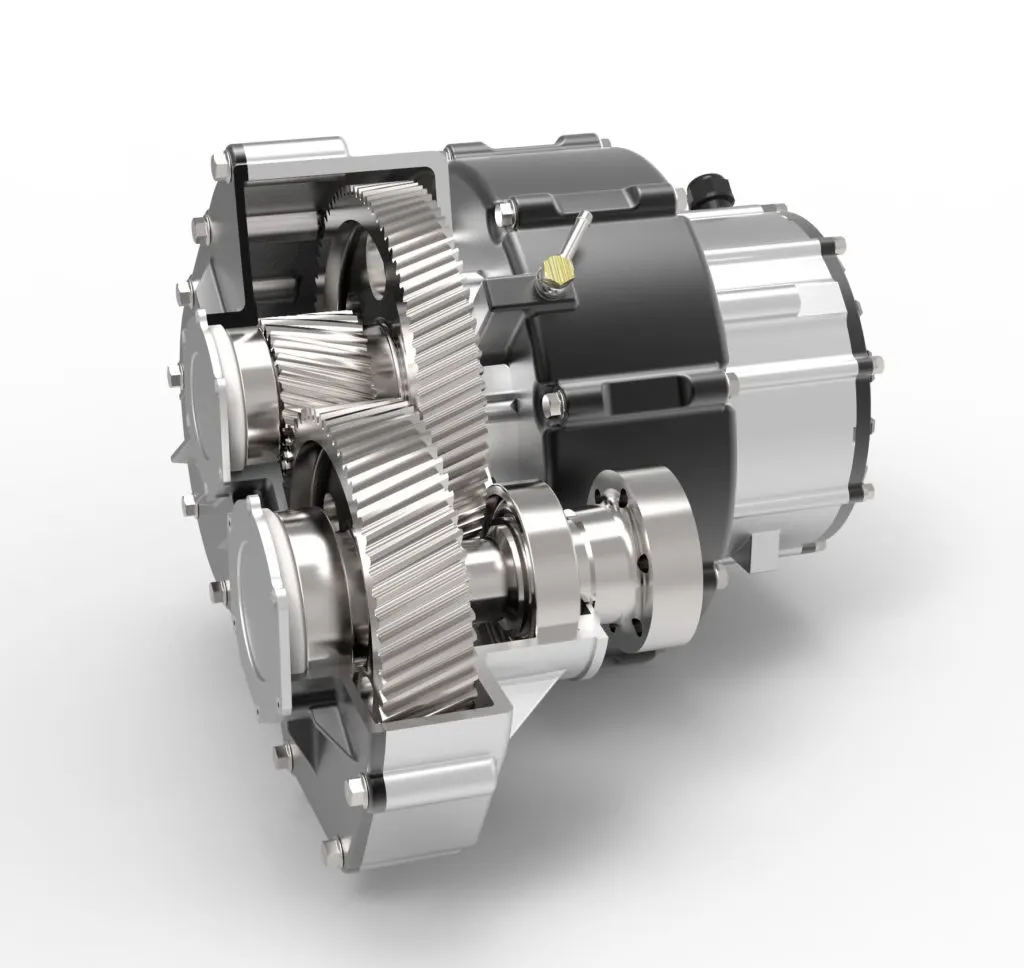
Electric generator: Generates electricity from the rotating wheels while braking, transferring that energy back to the traction battery pack. Some vehicles use motor generators that perform both the drive and regeneration functions.
Some varieties of HEV use an internal combustion engine to turn an electrical generator , which either recharges the vehicle's batteries or directly powers its electric drive motors; this combination is known as a motor generator
ANSWER#3
If the total load is 10A from battery, what should be the fuse rating?
If the load from the battey is 10amperes (10a)
the fuse rating must be selected?
if a normal steady-state current is calculated to be 10amps then 15A fuse rating should be selected
[10amps*135%= 13.5 amps the next standard larger size is 15A]
OR
Normal full-load current = 10 amps
normal fuse sizing = 1.5
= 10*1.5
= 15 amps of fuse should be selected for an full load 10 amps battery
ANSWER#4
If 500W is the load, what is the voltage and capacity of battery you recommend?
GIVEN DATA :
POWER = 500 W
CURRNET = 10 AMPS ( GIVEN IN THE ABOVE QUESTION )
TO FIND :
VOLTAGE (V) & CAPACITY OF A BATTERY
W .K.T ,
P = V*I
500 = V*10
V = 500/10
V = 50V
To find capacity a battery,
Let us consider the time = 1 hrs
w.k.t, capacity of a battery , c= I*T
= 10*1
C = 10 Ah
ANSWER#5
Identify any two elements which are connected parallel to each other. Why they are connected in parallel
The current flows out of the battery through the positive terminal, runs into the bulb and returns to the battery. This means that all components receive the same amount of current. Car lights are always wired in parallel circuits.
example : SCALED BEAM OF LIGHTS, A TAIL SHOP LIGHTS, PLASTIC LIGHT ,DOME LIGHT, PARKING LAMP ,& HORN are connected in a parallel because the voltage across the bulbs remains same .
ANSWER #6
Identify any two elements which are connected in series. Why they are connected in series?
A series circuit is defined as having only one path through which current can flow.
Battery & fuse, are connected in a series because those were made to high cuttoff voltage that are delevered by a battery
Ignition switch & starter are arranged in a series when the key is turned on the current will flow to stater even the full current is required to start the starter though the voltage may vary