Project
Aim:
To prepare a technical report of Simulation of BAJA All-Terrain Vehicle (ATV) under different conditions.
Objective
- Carry out a system-level simulation of an all-terrain vehicle and prepare a technical report explaining the model properties & comments on the results
- By analysing the BAJA ATV need to give the explanation by seperatly
- And explain the functions of subsystem and blocks
Explanation
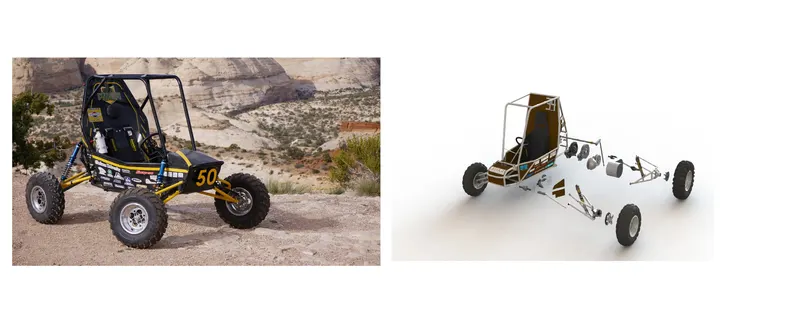
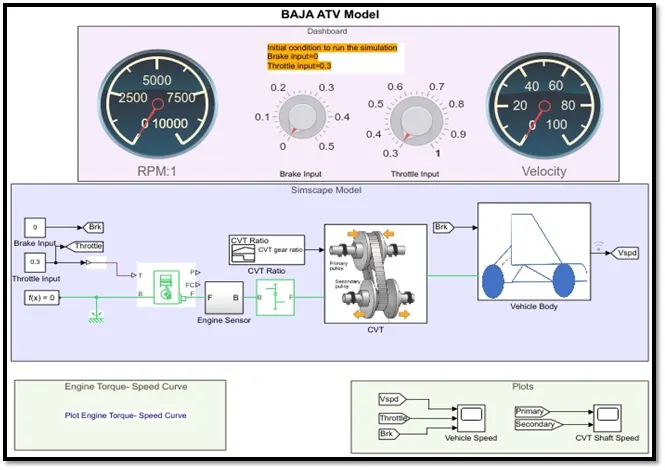
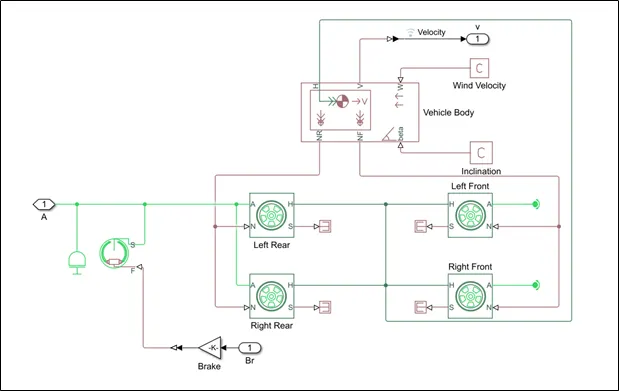
- Brake torque is the force applied at the brake wheel to stop the motion of the moving equipment.Assuming the operating conditions for the equipment are con- stant, a brake having a retarding torque equal to the full load torque of the motor to which it is applied is usually satisfactory. Braking Torque Basic Equation (Front wheels torque)
- Brake torque is a way to measure the pressure exerted on the brake shoes and/or the rotors when slowing down or stopping the rotation of the wheels. A vehicle needs brake torque to come to a stop.
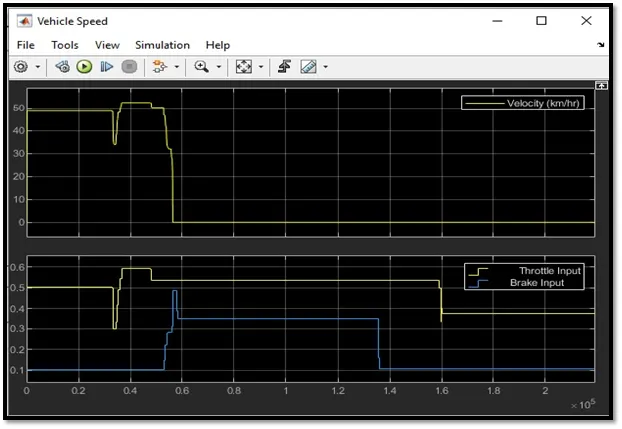
BREAK INPUT = 0
THROTTLE INPUT = 0.3
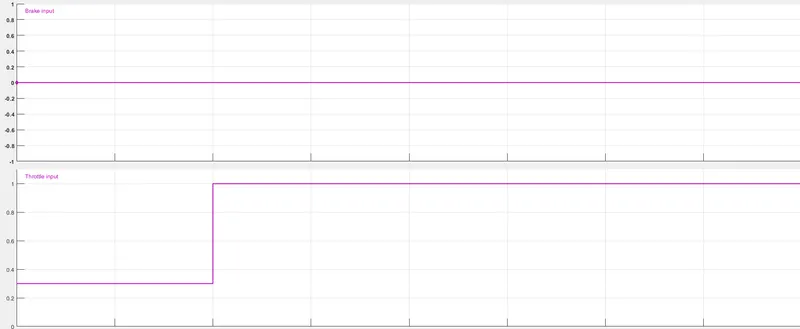
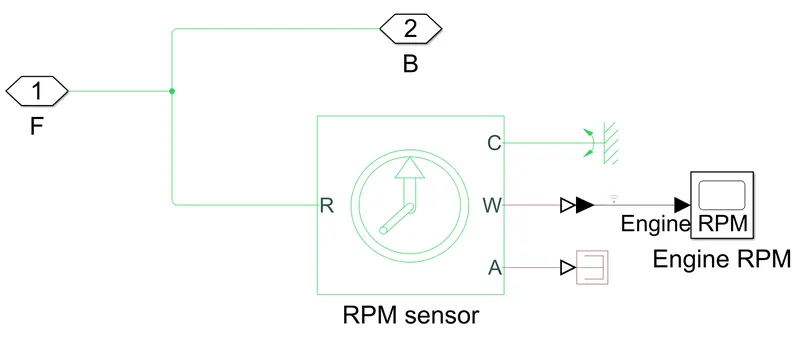
Torque is the force that provides angular acceleration to a rotating body. It is the angular equivalent of linear force. When an object is rotating around its axis, there must be a force acting upon it in order to keep it rotating.
Torque is a vector quantity. It is denoted by the symbol ????. The SI unit of torque is Newton-metre.
Torque
Torque is of two types:
- Static Torque: The torque which does not produce angular acceleration is called Static Torque.
- Dynamic Torque: The torque which produces angular acceleration is called Dynamic Torque.
Torque depends upon the following factors:
- The magnitude of the force.
- Distance between the point where force is applied and the rotation axis.
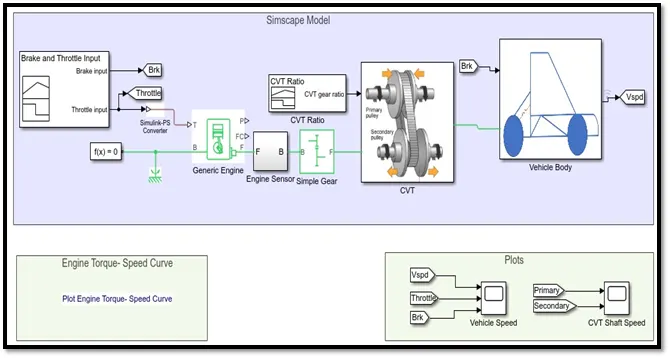
CONTINEOUS VARIABLE TRANSMISSION (CVT)
Primary Pulley
secondary Pulley
variator
Belt
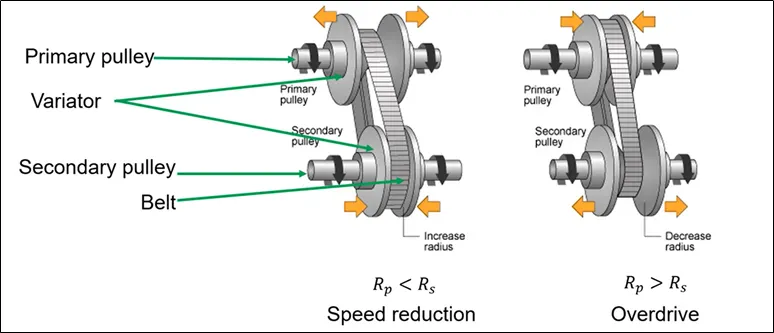
In speed Reduction primary pulley will mout outward and secondary pulley will move inward it seems to be speed reduction
In Over drive primary pulley will move inward and secondary pulley will move outward it seems to be overdrive
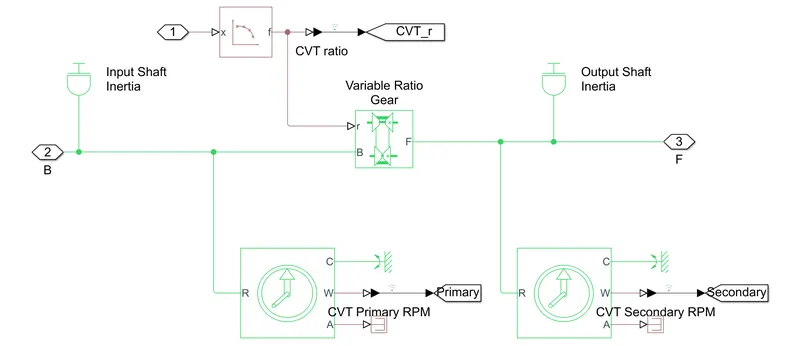
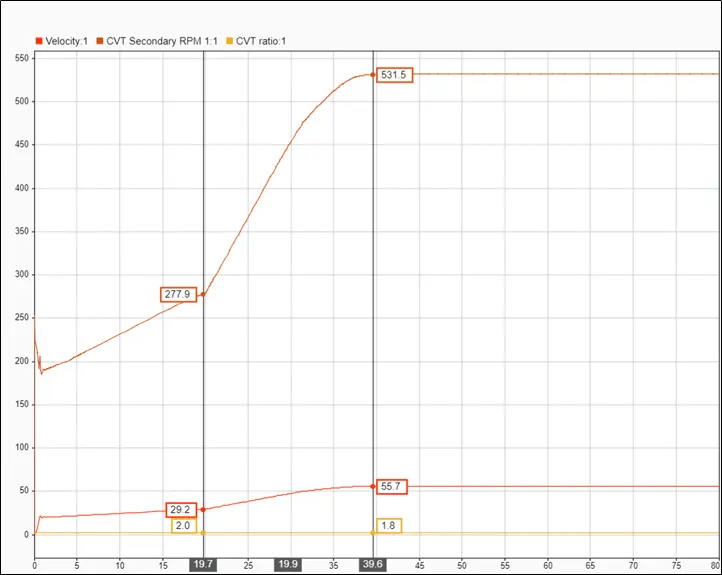
OutPut:
Tyre:
The word tire is derived from the word attire. A wheel dressed with a tire is a dressed wheel (having attire). A modern-day tire is made from natural rubber, synthetic rubber, wire, fabric along with carbon black and other chemical compounds.
If you have a street tyre at the front it won’t get the traction it needs to slow down the motorcycle, the wheel will lock up, you will loose control and come crashing down the hill. The rear tyre with the proper dirt tread pattern will simply follow the front tyre as it doesn’t have any weight pressing it down to the dirt to hold onto something.
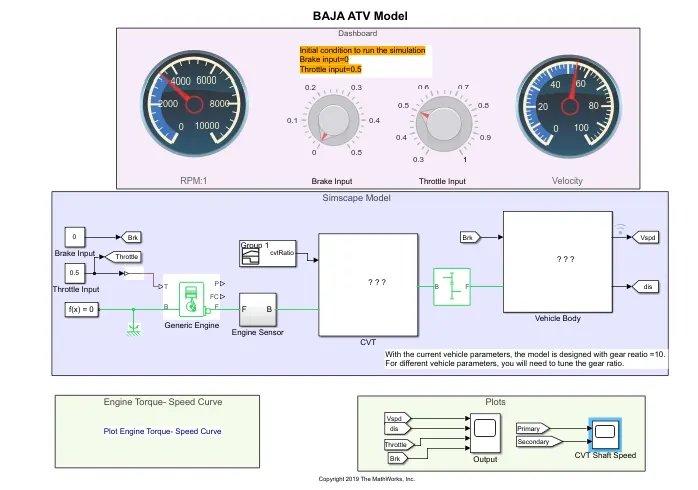
THROTTLE INPUT
The intake-throttle brake is that the gasoline engine develops retarding power by closing the intake throttle plate which restricts the amount of intake air. Gasoline engines commonly have an intake throttle to regulate the air flow to match the fuel flow in order to achieve stoichiometric combustion.
The basis for the throttle angle position sensor is the influence of geometric size and shape on the resistance of a conductive material. To illustrate this relationship, consider the resistance of a long section of a conductor of length L with a uniform cross-sectional area A with a voltage VS applied at the ends along the long axis.
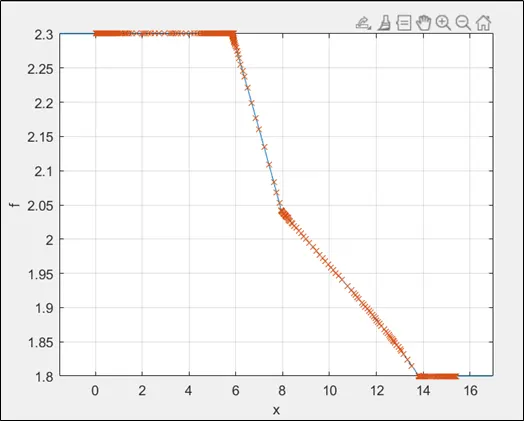
OUTPUT
KEYTAKEAWAYS
USE Simscape ans simscapedriveline to model longitudinal vehicle dynamics
incoperate the real component data
use simulation to explore and analyse various designs and parameters
use suffecient realistic data to model real world conditions