Project
AIM: Study about BAJA All-Terrain Vehicle (ATV) with Continuously Variable Transmission(CVT) IN Simulink.
To prepare a technical report explaining the model properties "BAJA ATV Model" & Also to explain the results in 4 different model set-ups that are:
Study the Baja ATV model without a dashboard
Study the Baja ATV model with a dashboard
Study the Baja ATV model using a lookup table without a dashboard
Study the Baja ATV model using a lookup table with a dashboard
INTRODUCTION:
An all-terrain vehicle, also known as a light utility vehicle, a quad bike, or simply a quad, as defined by the American National Standards Institute; is a vehicle that travels on low-pressure or non-pneumatic tires, with a seat that is straddled by the operator, along with handlebars for steering control. It is also known as a motorized off-highway vehicle. The rider sits on and operates these vehicles like a motorcycle, but the extra wheels give more stability at slower speeds. Although most are equipped with three or four wheels, six-wheel models exist for specialized applications. Multiple-user analogues with side-by-side seating are called utility terrain vehicles (UTVs) or side-by-sides to distinguish the classes of vehicle. Both classes tend to have similar powertrain parts.
ATV means an All Terrain Vehicle which is specially designed for a off road driving with very rough terrain, jumps, maneuverability and endurance.The design process of this single-person vehicle is iterative and based on several engineering and reverse engineering processes.
By keeping following parameters in mind all design specifications are stated to meet it so that ATV will get more endurance in performanceat all stages.
- Safety and Ergonomics.
- Standardization and Serviceability.
- Maneuverability.
- Maximum control with suspension design.
- Optimize power efficiency.
- Cost of the components.
- Safe engineering practices.
COMPONENT USED:
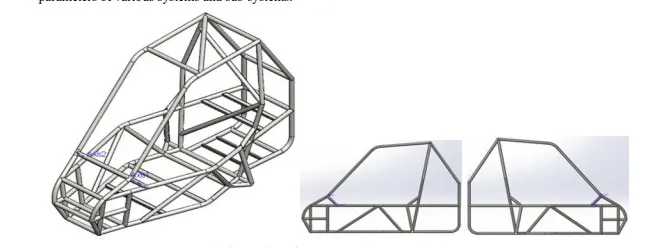
1. Roll Cage:
Roll Cage is askeleton of any vehicle of cross section of pipe which is used for providing primary support for all systems and subsystems of vehicle. As per the market parameters three materials selected for roll cage materials which are AISI 1018, AISI 1020 and AISI 4130 chromoly. Every material having different parameters and properties as follows, from them AISI 4130 is selected due to its advantages over other materias.
2. Suspension System:
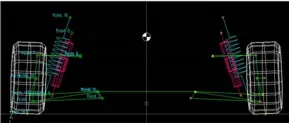
As we were designing ATV for rough and tidy road where having unequal surfaces, rocks, water and many other obstacles. To clear these types of obstacles with ease and without damage to the vehicle systems for long period suspension system should be that much of rigid and effective to sustain at any adverse condition. two suspention are used front and rear suspenson.
3. CVT- Continuously Variable Transmission:
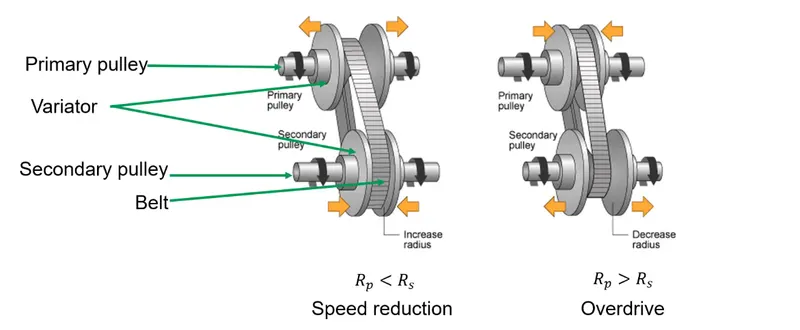
A Continuously Variable transmission (CVT) is an automatic transmission that can change seamlessly through a continuous range of gear ratios. This contrasts with other transmissions that provide a limited number of gear ratios in fixed steps. The flexibility of a CVT with suitable control may allow the engine to operate at a constant RPM while the vehicle moves at varying speeds.
It is an automatic, single-speed, and gearless transmission that can shift through an infinite number of gear ratios. A continuously variable transmission (CVT) is a transmission that operates on an ingenious pulley system that automatically varies the transmission ratio, allowing an infinite variability between highest and lowest gears with no discrete steps or shifts. CVTs provide more useable power, better fuel economy, and a smoother driving experience than traditional transmissions that use gearboxes with fixed numbers of gear sets.
4. Generic Engine:
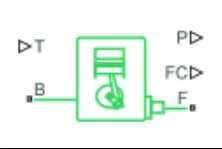
The Generic Engine block represents a general internal combustion engine. This block is a suitable generic engine for spark-ignition and diesel. Internal combustion engine with throttle and rotational inertia and time lag.
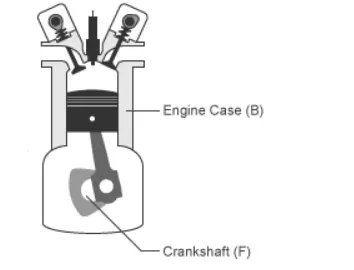
where,
FC - Physical signal output port reporting the fuel consumption rate, in kg/s.
T - Physical signal input port specifying the normalized engine throttle level.
B – Rotational Conserving Port representing the Engine Block.
F – Rotational Conserving Port representing the Engine Crankshaft.
P - Physical signal output port reporting the instantaneous engine power, in W.
5. Simple Gear:
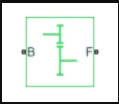
The Simple Gear block represents a gearbox that constrains the connected driveline axes of the base gear, B, and the follower gear, F, to corotate with a fixed ratio that you specify.
GEAR RATIO- A gear ratio is the ratio of the number of rotations of a driver gear to the number of rotations of a driven gear.
g=rF÷rB=NF÷NB
where:
-
NB is the number of teeth in the base gear.
-
NBF is the number of teeth in the follower gear.
6. Tire/tyre and Brake:
Quad bikes are precisely supposed to move on irregular and slippery ground. Tire/ground contact modeling is very important in order to have a good representation of sliding parameters such as sideslip angles and longitudinal sliding. The vehicle body is connected to 4 tires each per axle to move the vehicle according to the power input to the axle.
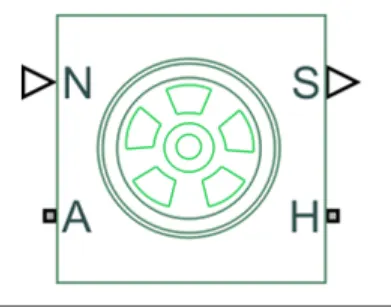
H – Mechanical translational port associated with the wheel hub that transmits then the thrust generated by the tire to the remainder of the vehicle.
N – Normal Force
S – Tire Slip
A – Axle and
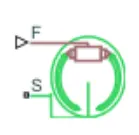
The Double-Shoe Brake block represents a frictional brake with two pivoted rigid shoes that press against a rotating drum to produce a braking action.
S - Rotational conserving port associated with the rotating drum shaft
F - Physical signal input port associated with the applied actuating force
# Study the Baja ATV model without a dashboard:
Simulink Model:
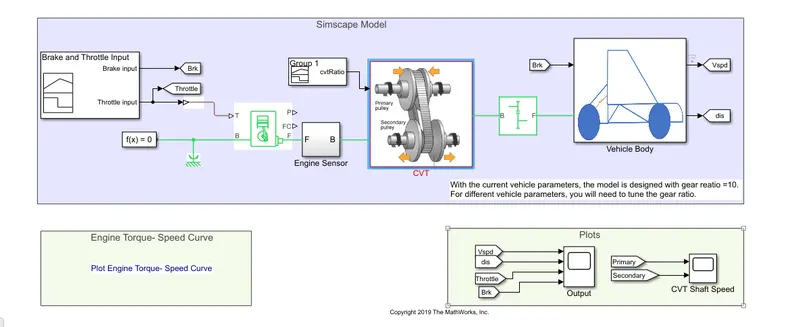
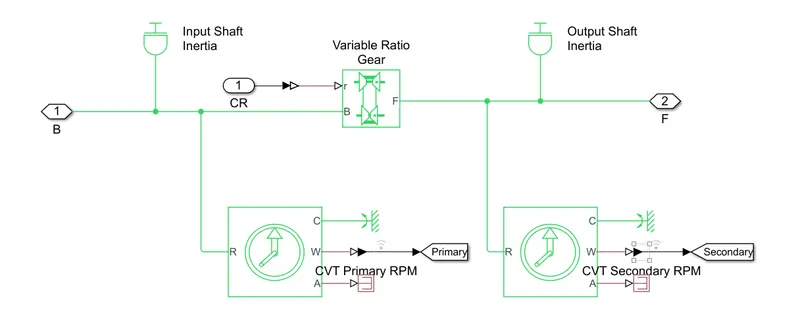
CVT Set-Up Model:
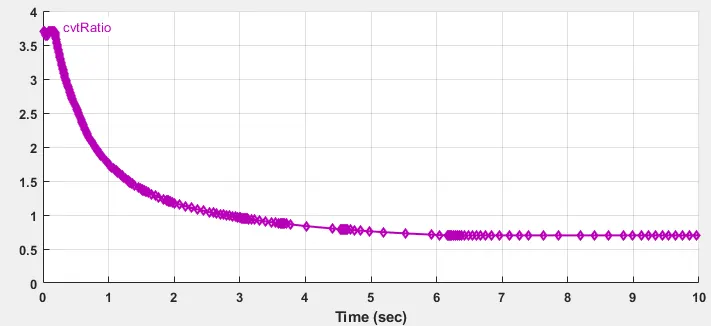
Signal Builder block used to generate CVT ratio.
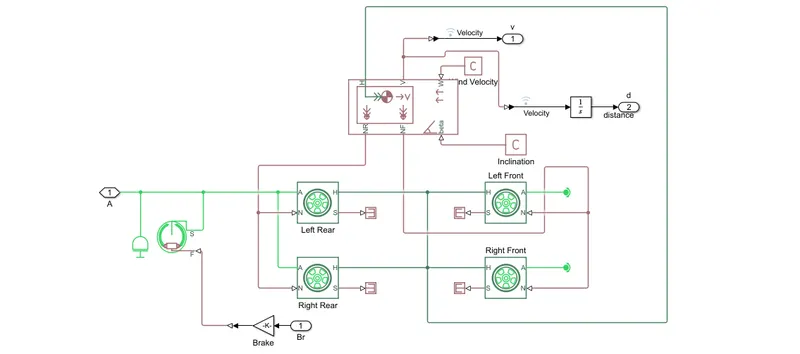
Vehicle Body:
Brake and Throttle Inputs: for this Singnal Builder Block used to generate brake & throtte input.
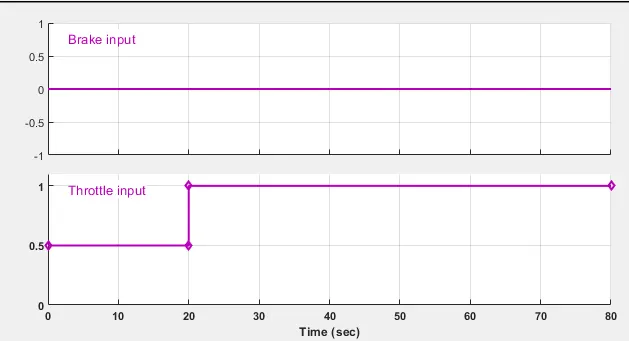
The Brake input remained at zero value for the entire simulation. The initial throttle was given 0.5 value and after 20 sec it was given value 1.
CVT Ratio: Signal Builder block used to generate CVT ratio.
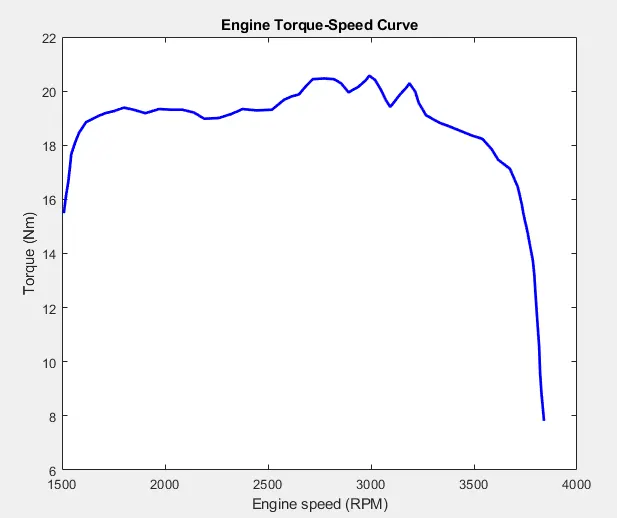
The engine Torque-Speed characteristics can be given by the following graph:
Output:
Vehicle speed variation with respect to throttle and brake inpute.
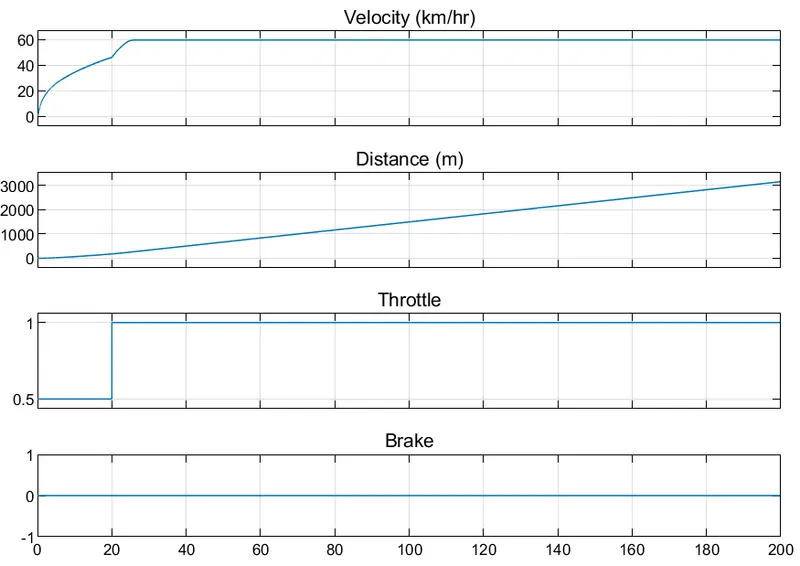
From the above graph we can see till value of 0.5 of throttle velocity increasing, after that vehicales maximum speed goes upto 60km/hr, after 20sec at throttle value of 1, velocity is remains constant till then and brake value is also zero(0) so did not affact the velocity.
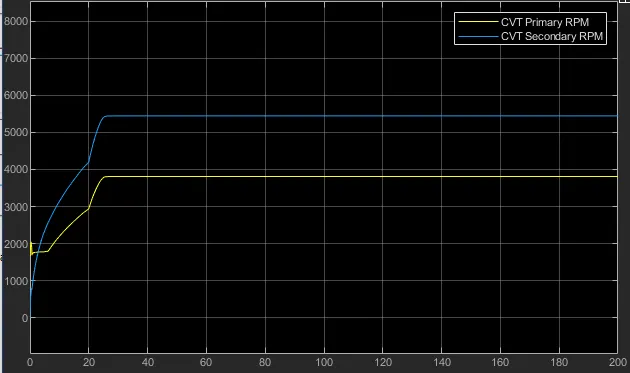
CVT Shaft Speed (Primary and Secondry):
Graphs show the variation in angular velocities of Primary (Input) and Secondary (Output) shafts of the variable gear transmission system.
# Study the Baja ATV model with a dashboard:
Model:
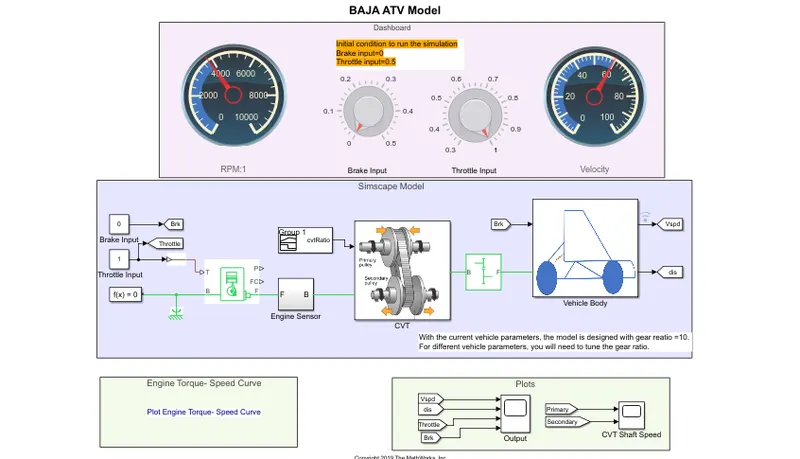
In this model Dashboard is connected along with KNOB which controls the throttle input and brake. Unlike previous one which have signal builder block. In this case we need not to provide physical input because of knob, we can change the inputs while simulation.
CTV Configuration:
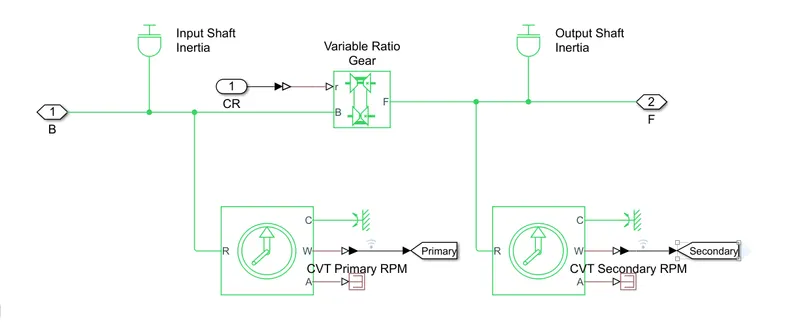
Vehicle Body:
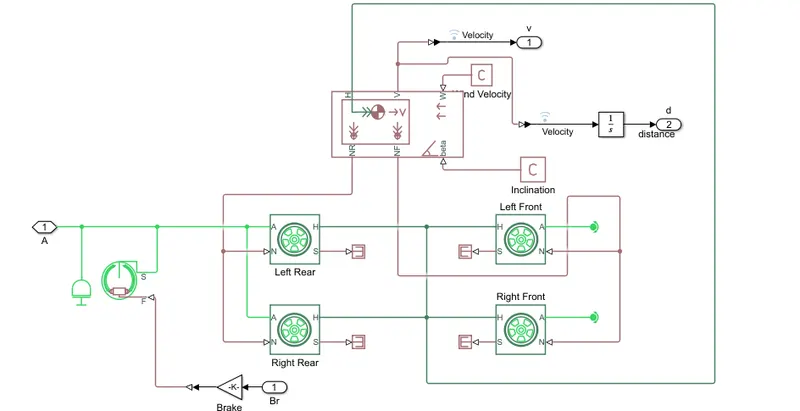
Inputs:
KNOB -1: Brake input KNOB-2: throttle input
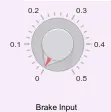
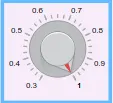
Knob is used to control the operation in real time.
OUTPUT:
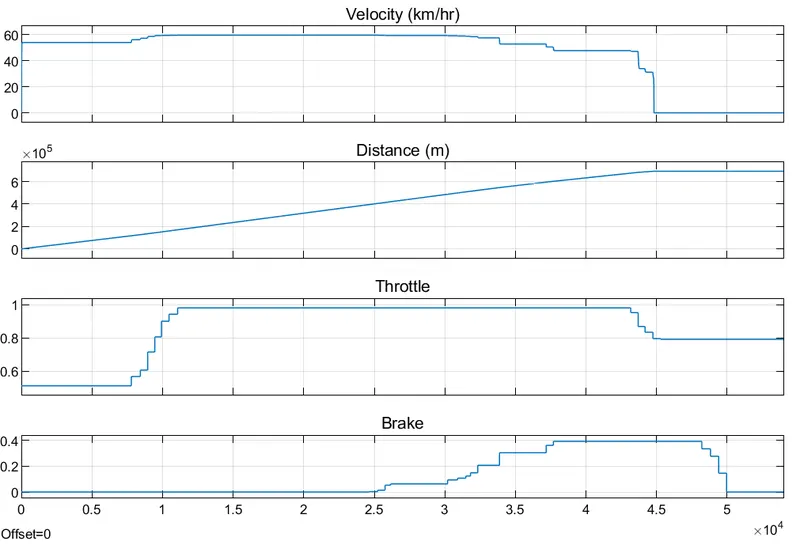
In this graph it is clear that when throttle applied from initial value 0.5 to 1 speed increases, untill brake is provided when brake given speed start decreasing and along with this if throttle is also decrease then speed goes on decreasing gradually.
at end velocity became zero due to brake reaches to thresold of vehical movement.
CVT Shaft speed:
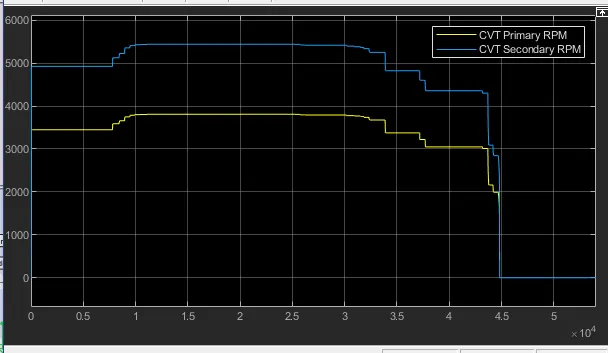
Here is CVT revolution shows for both primary and secondry how is moving according to inputs.
#Study the Baja ATV model using a lookup table without a dashboard:
Simulation Model:
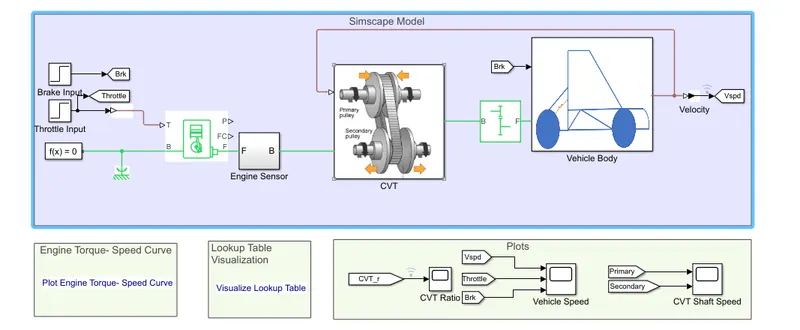
CTV:
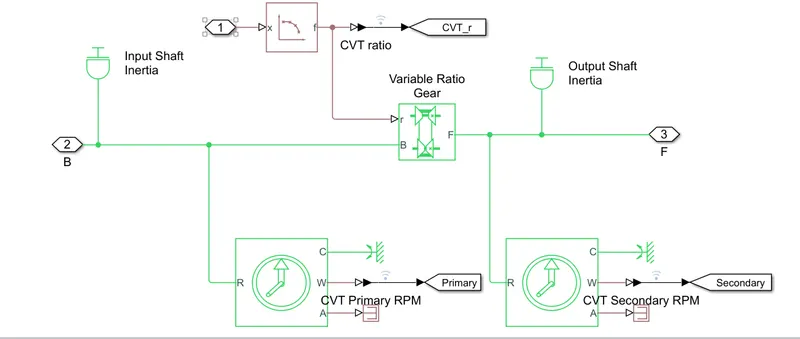
Difference in this model The gear ratio input to CVT is provided using a lookup table. The vehicle velocity and shaft rpm outputs are the same as before.
CTV ratio:
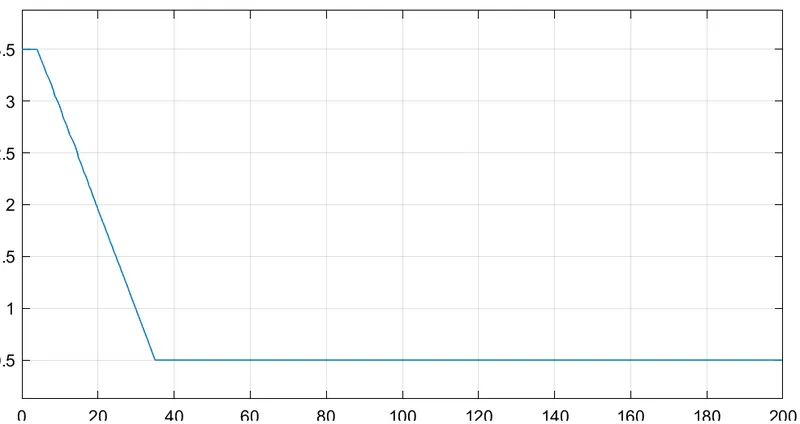
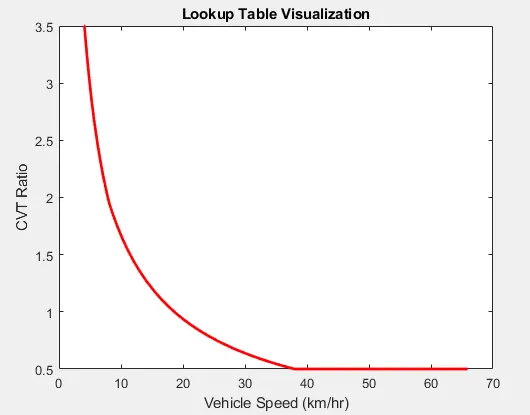
Look up table Visualization:
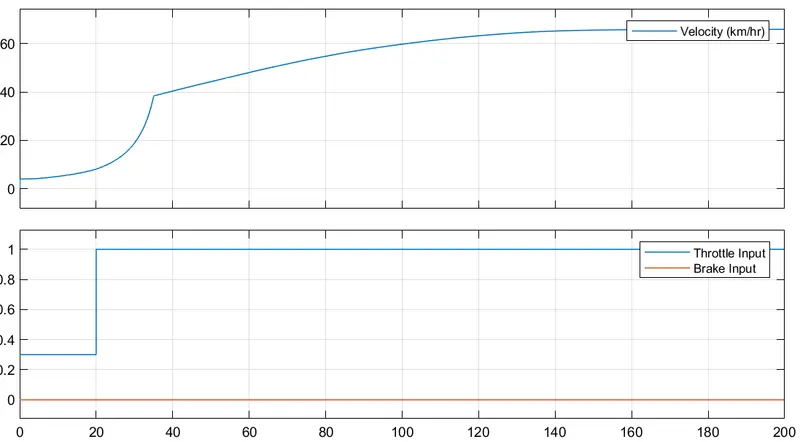
Output result:
vehicle speed with respect to throttle input and brake.
CTV shaft speed/vehicle speed:
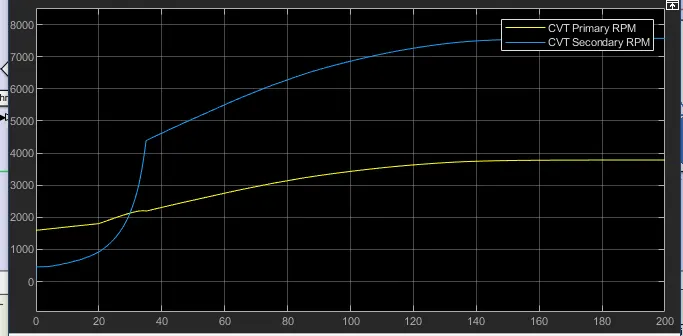
Here results are same as in first one simulation because all parameter of inputs and component are same excapt LOOKUP table.
#Study the Baja ATV model using a lookup table with a dashboard:
Simulink model:
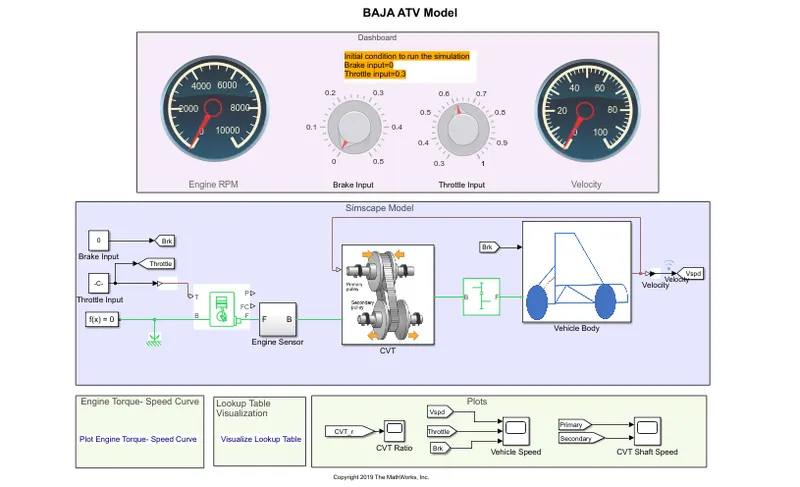
CTV Model:
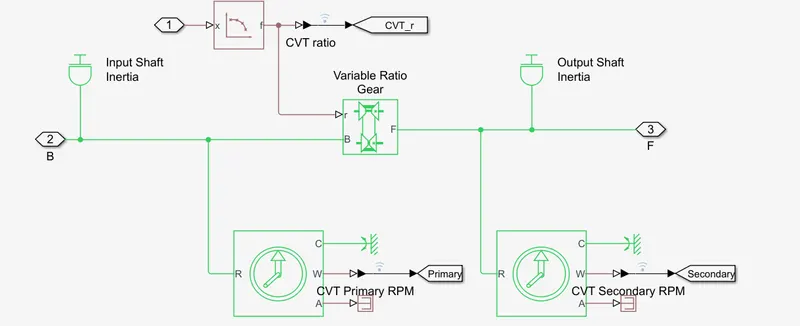
In this only difference is use of lookup table in cvt model.
OUTPUT:
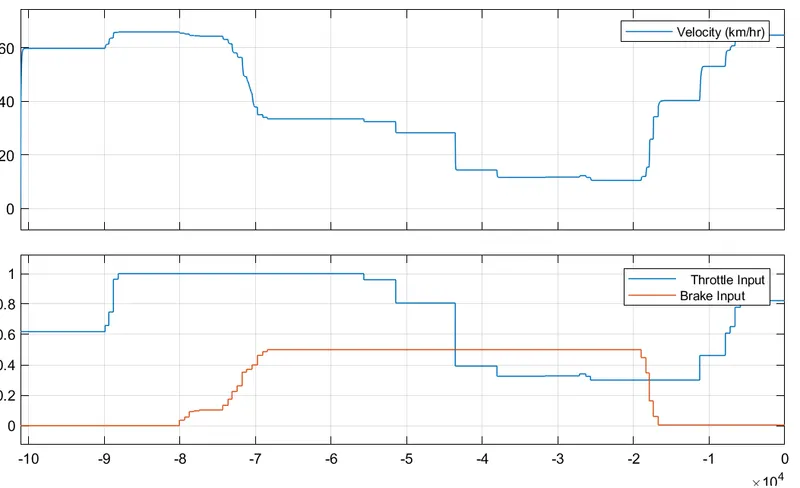
In this graph it is clear that when throttle applied from initial value 0.5 to 1 speed increases, untill brake is provided when brake given speed start decreasing and along with this if throttle is also decrease then speed goes on decreasing gradually.
CTV Shaft speed:
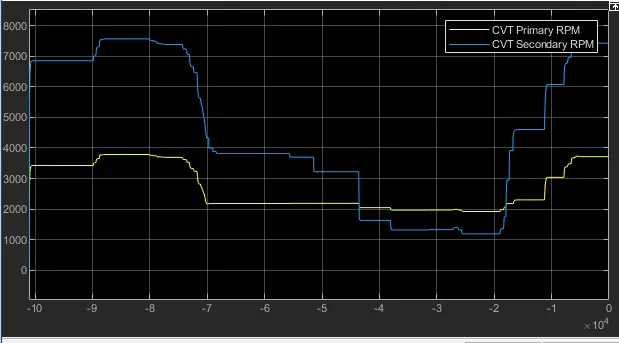
Here is CVT revolution shows for both primary and secondry how is moving according to inputs.
Conclusion:
We have completed analysis of 4 types of BAJA All-Terrain Vehicle Models. All are have almost same configuration with different input and input selection method like with Dashboard, or without Dashboard, and with lookup table.
All models have similar outpus with slightly different ctv speed and vehicle speed which depends on input always and their characters